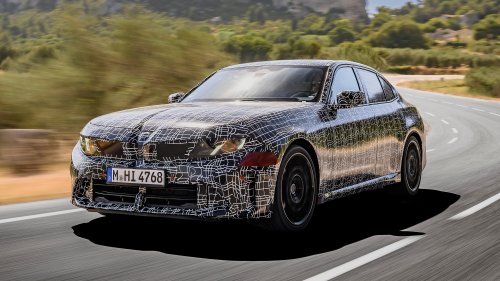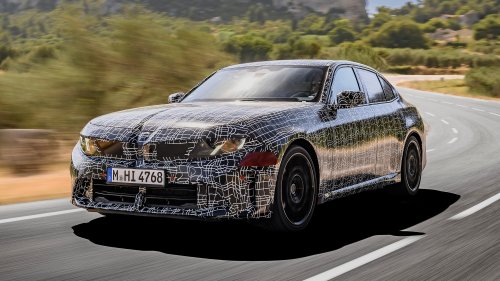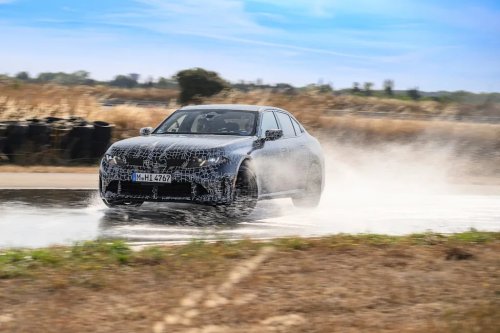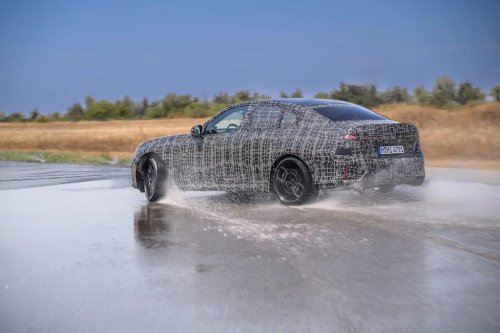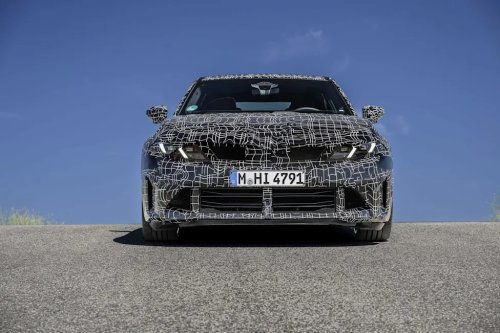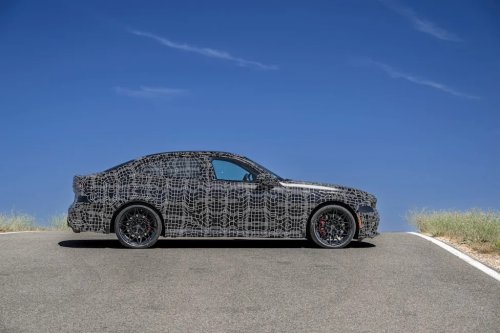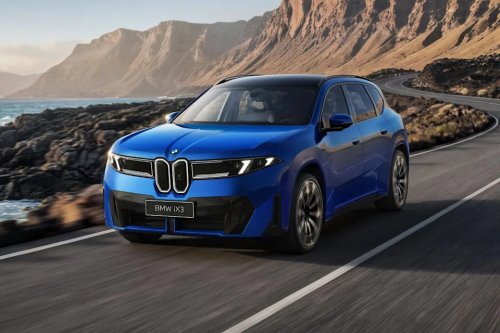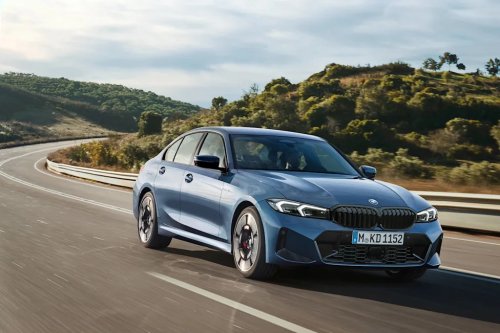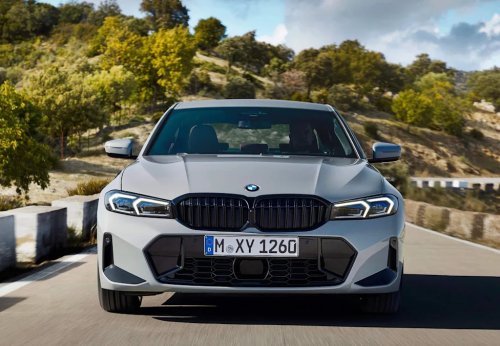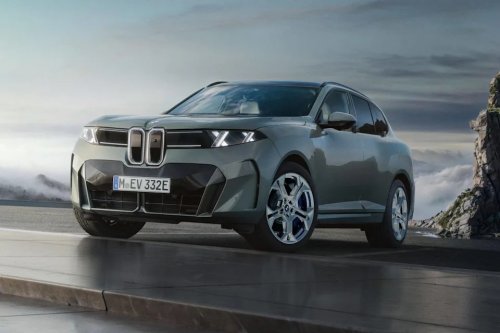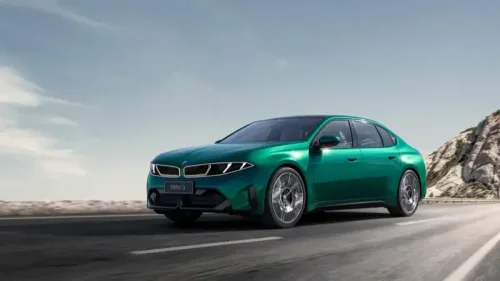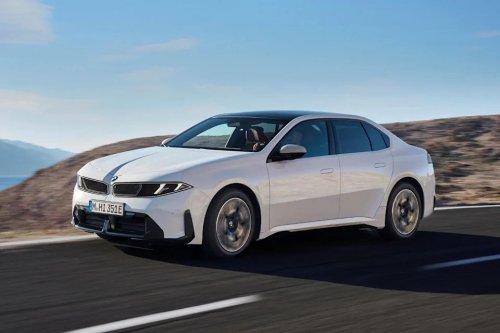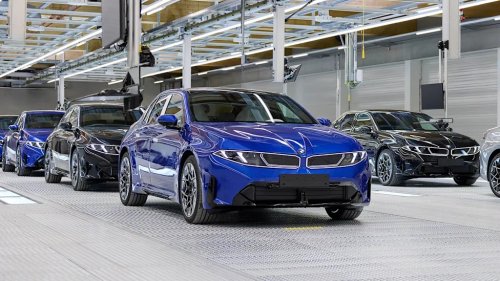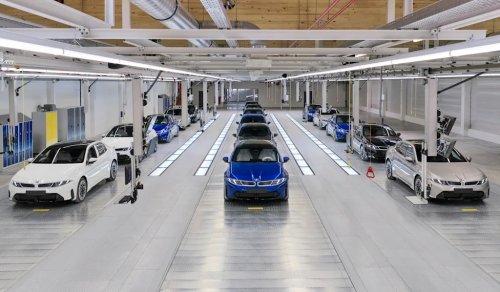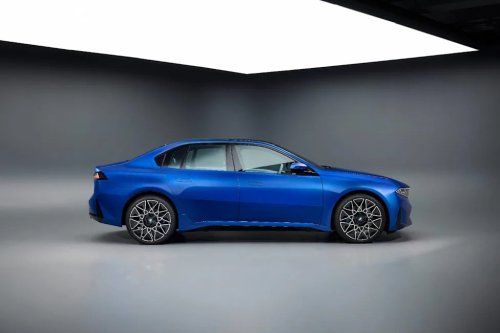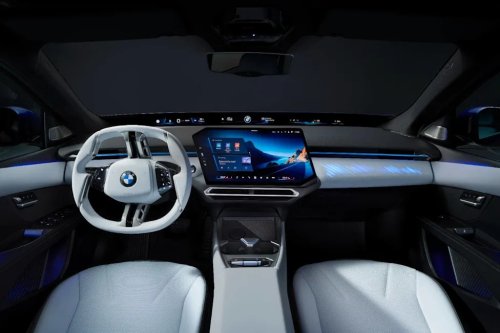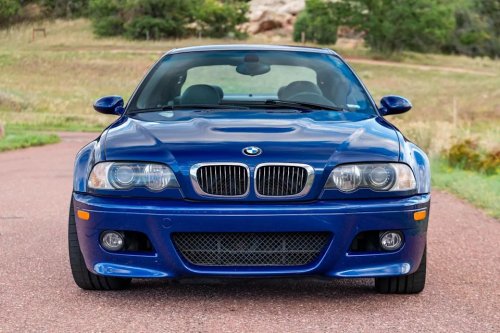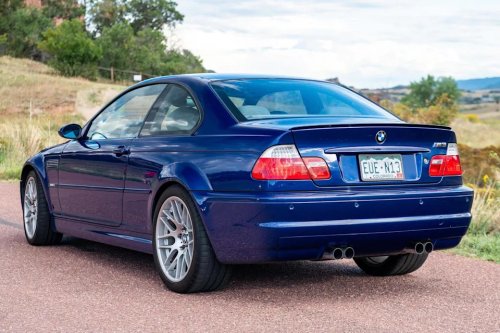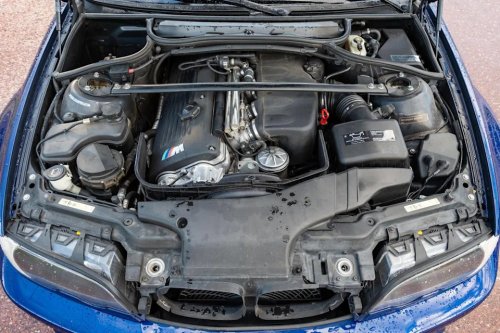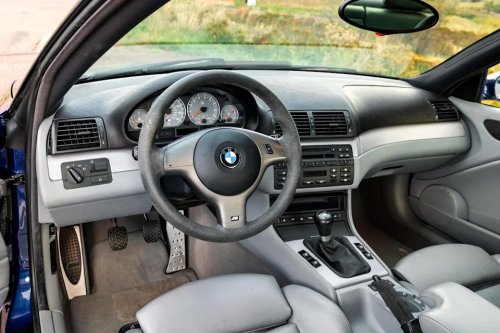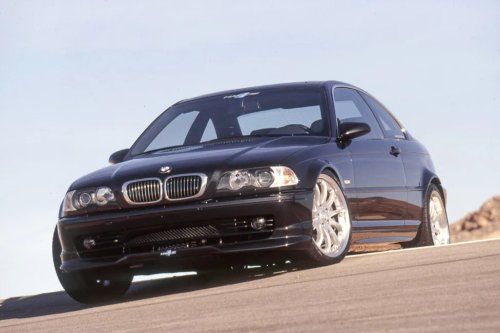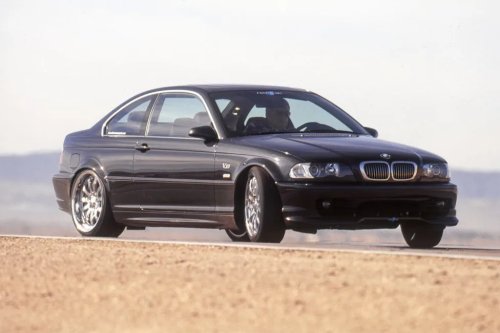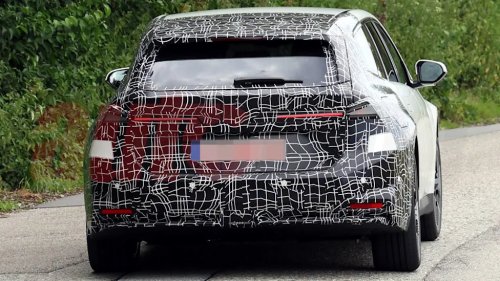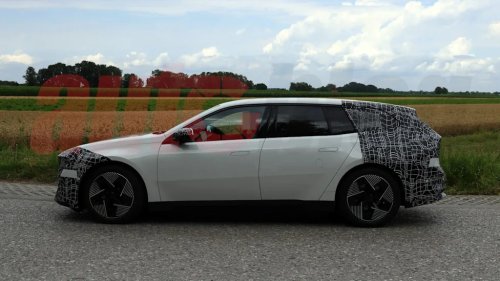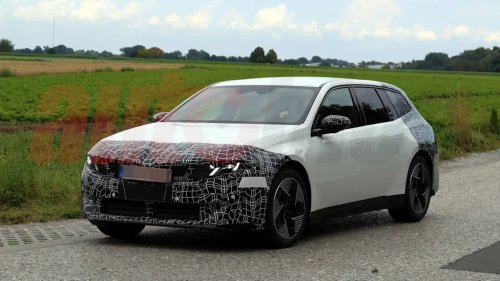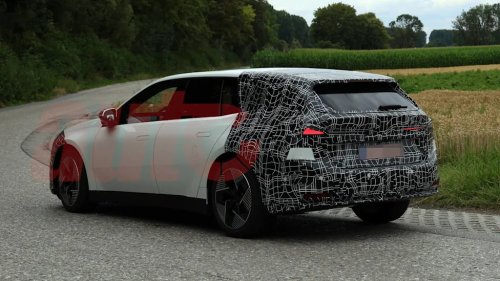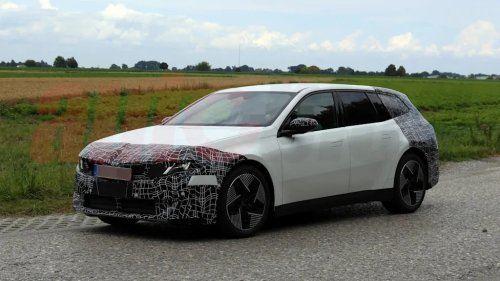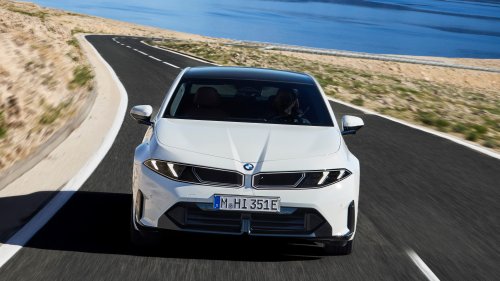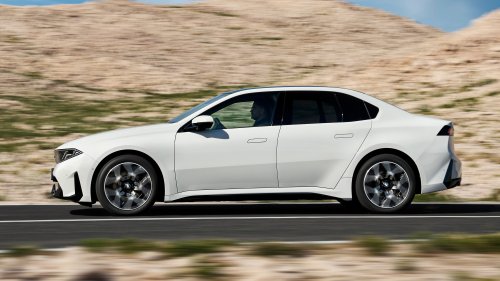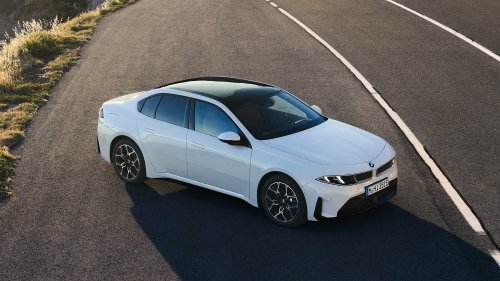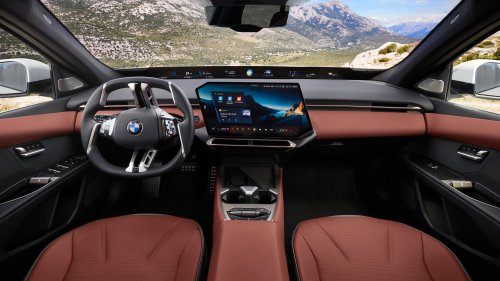
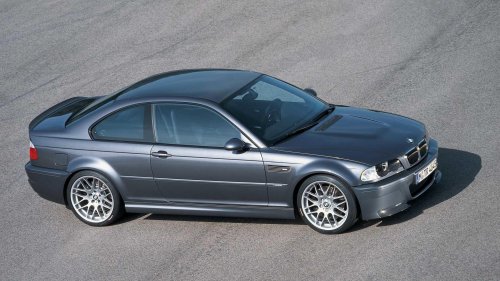
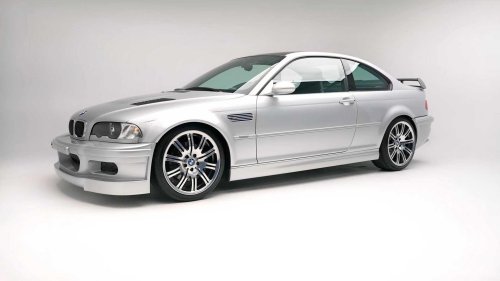
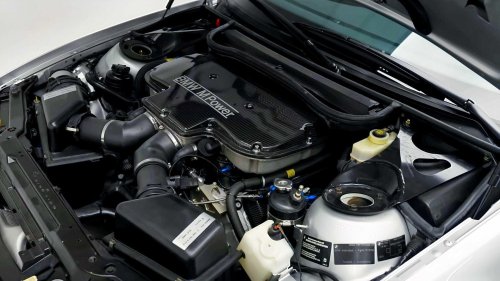
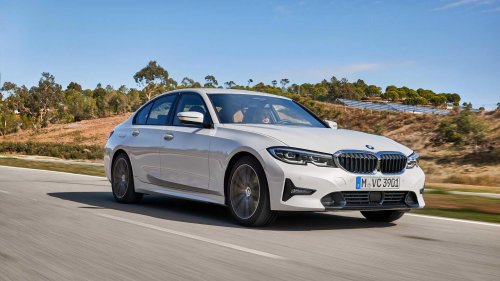
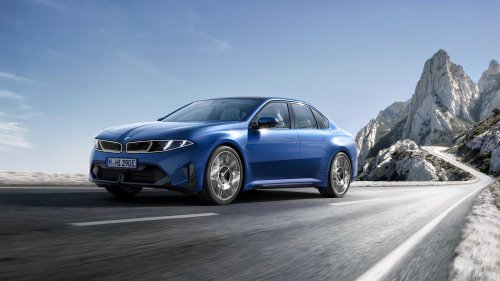
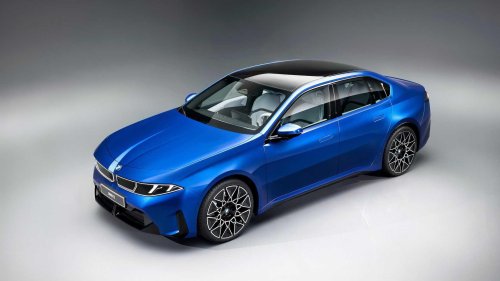
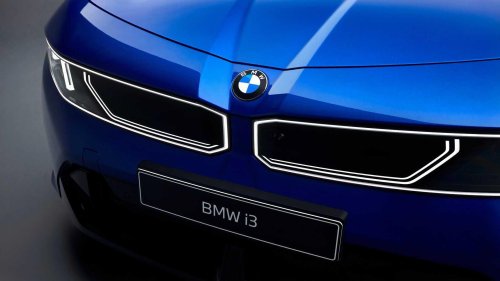
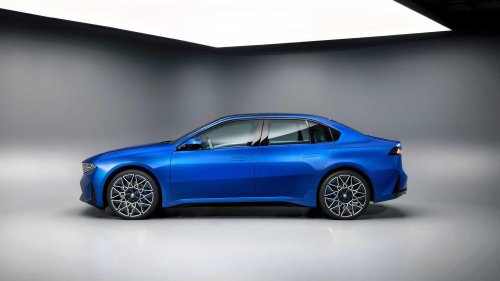
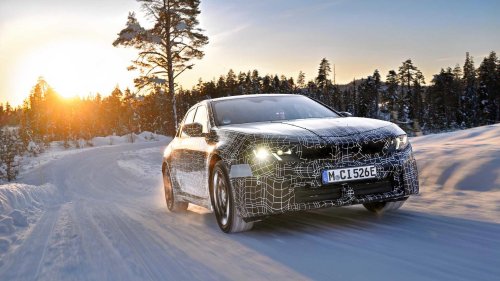
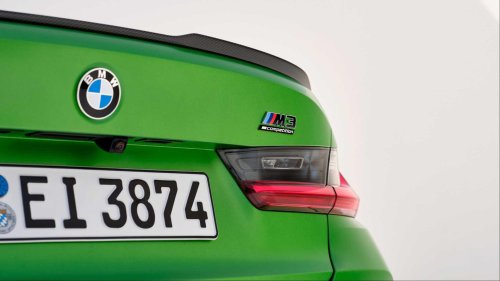
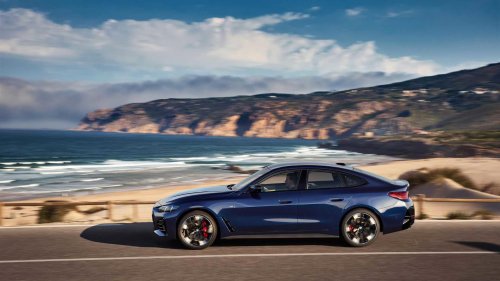
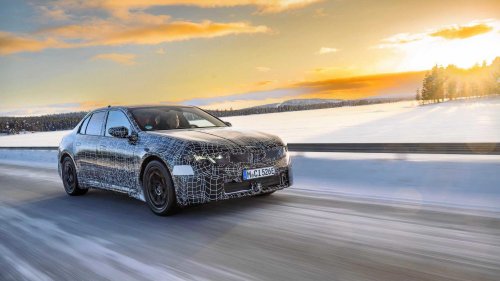
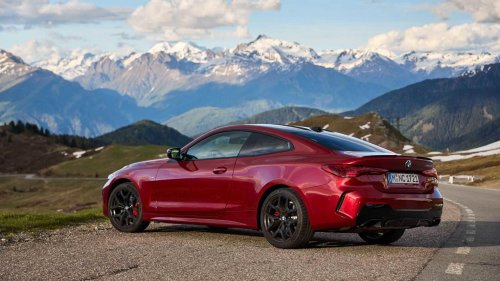


















The 3 Series isn't just a popular BMW, It's the BMW. The car that puts the soul into a badge born from fighter plane engines, and the one model that defines what the brand is supposed to feel like. Over 20 million units across seven generations is the kind of milestone any rival would die for. BMW calls it "the world's top-selling premium car" in its own corporate copy, and that one sedan carries the entire brand on its back. With great power comes great responsibility. Satisfying the purists is one of the hardest jobs in the automotive industry. The Eulogy BMW Fans Can't Stop Writing BMW Group South Africa For nearly two decades, every new 3 Series has arrived to its own funeral. Every new 3 Series is the perfect thing for purists to mourn about. The cycle works like clockwork. A new generation breaks cover, and the fanbase goes rogue, calling the predecessor the last real 3 Series. The Last Real 3 Series Mythology Peterson Automotive Museum You can't blame them entirely either. Every generational change has come with a step up, but it's a step up in the corporate sense, because the purists were never ready to accept it. For them, the best 3 Series is always the one that just got replaced. This wasn't a single Reddit post or one columnist's hot take. The pattern shows up generation after generation, like a creeping curse. Every forum, every fan page, every BMW Car Club newsletter runs some version of the same eulogy. Even BMW's Own Designers See The Pattern BMW The "last real 3 Series" idea has broken past the forums and reached the design boardroom in Munich. In 2023, Domagoj Dukec, BMW's Head of Design, told Australian media at the Neue Klasse concept launch that the social media outrage over the new design philosophy reminded him of the abuse Chris Bangle absorbed when the E60 5 Series arrived. The same E60 those same forums now call a modern classic.The irony deepens when you remember that BMW Group design boss Adrian van Hooydonk personally owns a 1976 E21 316 and races vintage BMWs as a hobby. The people running the design floor aren't out of touch. They drive the cars enthusiasts say they no longer understand. A Two-Decade Graveyard Of Wrong Predictions Peterson Automotive Museum Every generation since the mid-2000s has earned its own eulogy, and every one of them has aged poorly. BMW was providing the purists reasons to mourn with every generation. Initially it was about the sheer driving pleasure which the brand claimed their cars have, but later on, the claims became existential. What Each Generation Gave The Mourners Peterson Automotive Museum It started with the E46, considered to this day one of the best-looking BMWs the brand has ever built. It's widely treated as the last analog BMW, and partially that's true. It was the last 3 Series with a fully hydraulic power steering rack, and the M3 paired with the S54 inline-six was the last naturally aspirated M3 BMW ever built. The E90 brought the size complaint. Enthusiasts also flagged the steering and the weight. It was the first 3 Series to introduce electric power steering on some variants while others stayed hydraulic. But there was a reason to hold on, and it was called the S65 V8 in the E92 M3, now one of the most collectible modern BMWs you can buy.For the F30, the complaint was that BMW had completed the slide that started with the E90. Nothing was analog anymore. Every variant got electronic assist, every engine got turbocharged. The fan forums called the F30 the moment things started going south, and that was the first time the eulogy actually landed correctly. The F30 launched into the worst possible welcoming committee. The Cadillac ATS turned up in 2012 and started winning the handling comparisons, walking off with the sheer driving pleasure that the 3 Series had owned for forty years. For a brand whose entire backbone was the way its sedans handled, that was an existential blow. The Mourning Has Evolved Past Steering Feel BMW The G20 broke the pattern, mostly. BMW called it a return to form. Chassis stiffness jumped roughly 50 percent over the F30, the tracks went wider, and the car shed around 121 lbs in the process. The G20 was the first generation in this run that didn't get eulogized at launch, because there wasn't much to eulogize. The shape of the mourning has shifted across these generations too. With the early ones, the complaints were about specific control feel: hydraulic versus electric, naturally aspirated versus turbocharged.Now the mourning has become existential. It's about which category the 3 Series belongs to and where it actually sits in the lineup. The irony is that the same V8 M3 enthusiasts mourned in 2007 is the one they're paying premium money for today. The 2027 Model That Finally Breaks The Pattern Via BMW Every previous eulogy was about details. The eighth generation is structural, and that's what finally makes the eulogy stick. Here's where the eulogy meets reality. The G50 is taking the evolution down a fundamentally different road than its predecessors. Until the last generation, the arguments existed because the purists wanted to vent. With the G50, things turn serious. The Biggest Change With The Eighth Generation Via BMW This time it's not about steering, engine character, or chassis feel. It's an existential question about how BMW has positioned the 3 Series. The previous complaints were about deck-chair arrangement on a ship that was still afloat. Now the ship is taking on water. For the eighth generation, BMW has split the 3 Series into two codenames running on two different platforms. The all-electric version carries the internal codename NA0 and rides on the Neue Klasse architecture. The combustion twin is the G50, built on an updated CLAR architecture.According to BMW, G50 production starts in November 2026, and not in Munich. For the first time in 50 years, the combustion 3 Series isn't being built at the Milbertshofen plant where every generation from the 1975 E21 through the G20 was assembled. It's moving to Dingolfing, where the 5 Series and 7 Series get built. The Name Change That Says Everything Via BMW The naming change is the loudest signal of where this is going. BMW is dropping the "i" suffix from combustion models entirely so it can hand the letter exclusively to electric vehicles. The "i" historically meant fuel injection, and that alone was enough for any enthusiast to spot a BMW from its badge. The original i3, built from 2013 to 2022, was an outlier deliberately kept apart from the rest of the lineup. The new i3 is the opposite. BMW's own press release calls it "the first all-electric BMW 3 Series."The 3 Series used to be a specific kind of car with its own fanbase. It is now another BMW with an electric variant and an ICE variant, and from ten feet away, you won't be able to tell which is which. The Engineering Farewell Hiding In Plain Sight BMW The platform split and the badge operation are the loud parts. The quiet part lives under the hood. Under the skin of the G50, the engineering that made the 3 Series what it was is wearing out too. The evidence sits in the M350's mild-hybrid B58 setup and in the fact that the G84 M3 has been pushed back a year, with reports suggesting a "new type of six-cylinder engine" under its hood. What The Mild-Hybrid B58 Actually Means Via BMW The M350 engine is the headline talking point. It's the same B58 family that has powered the M340i since the G20 launched. With the G50, the engine hasn't been reinvented. It's been bolted to a 48-volt mild-hybrid system to comply with Euro 7 emissions regulations. There's a useful comparison hiding in plain sight. The B58 in its hottest road-car form isn't actually in a BMW. It's in a Toyota. The 2025 Toyota GR Supra A90 Final Edition runs a tuned B58 making 429 horsepower and 420 pound-feet, while the M340i is stuck at 382 horsepower from the same engine family. The G84 M3 Is Running A Year Late BMW The fuller picture appears when you look at the G84 M3. The full-fat sports sedan arrives roughly 18 months after the regular G50, which is suspicious by historical standards. That delay is too long to be coincidence. The official line is that BMW M is putting the ZA0 architecture first, which means the all-electric M3 equivalent gets developed and launched ahead of the combustion M3. If combustion were the future, the combustion M3 would lead the range. It doesn't. So it isn't. Why The Purists Are Finally Right BMW Every previous generation gave the purists something to mourn and something to come back to. The G50 only gives them the first. For the last five decades, choosing a 3 Series meant choosing a specific kind of car. A rear-drive sport sedan built in Munich, with sharp steering, a straight-six option, and just enough character to scratch any adrenaline itch. From the G50 onward, that specific kind of car is no longer what you're buying. What 3 Series Buyers Actually Used To Get Via BMW The G50 buyer is choosing a variant within a wider category. It doesn't feel like something special. It doesn't feel like the kind of car that makes you say "yes, that's an M3." It feels like another BMW that happens to be called the 3 Series. The biggest piece of that shift is the identical visual language the combustion car shares with its electric twin, which makes the ICE 3 Series effectively the petrol version of the EV. The Last Eulogy Nobody Will Believe BMW The thing BMW is missing is that while it chases electrification and engineers a 3 Series that prioritizes the EV variant over the ICE variant, it's quietly burying the legacy that built the brand from near-bankruptcy to the global powerhouse it is today. The Neue Klasse name is itself a resurrection. The original Neue Klasse sedan, the BMW 1500, was the Wilhelm Hofmeister and Giovanni Michelotti masterpiece that stopped BMW from being absorbed into Daimler-Benz in 1961. When the G50 lands later this year and the eulogy writers fire up again, most readers will tune it out as more of the same. They'll miss that this time, it's actually the end.