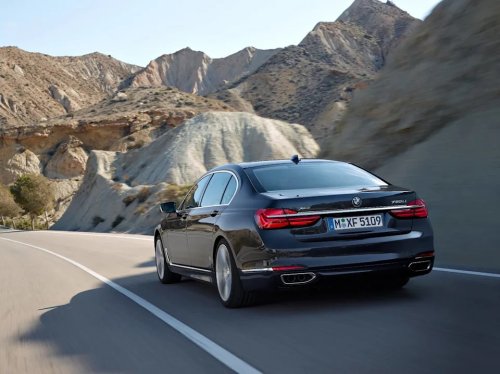
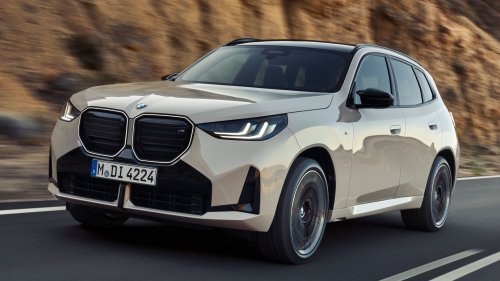
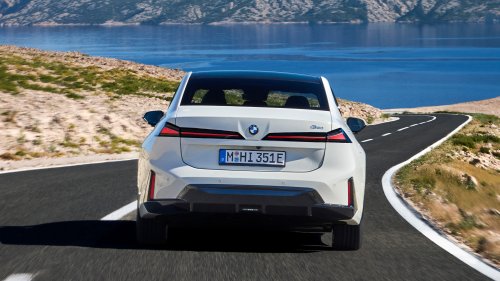
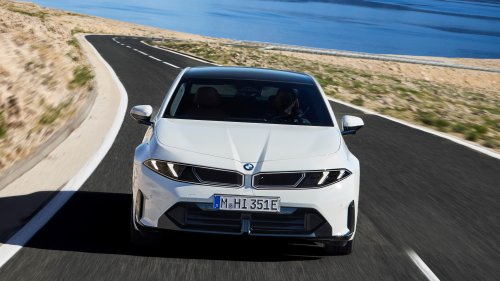
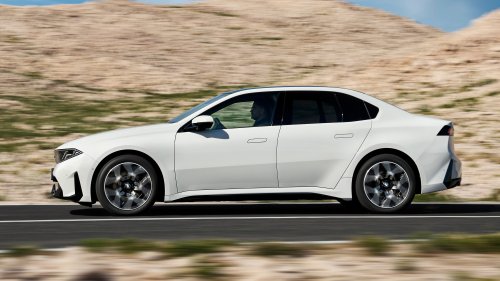
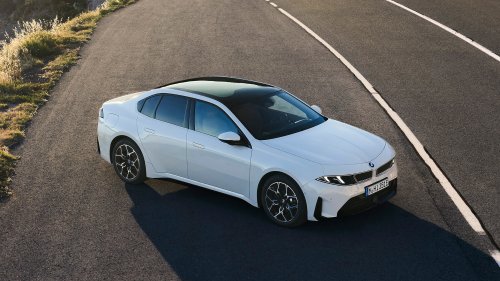
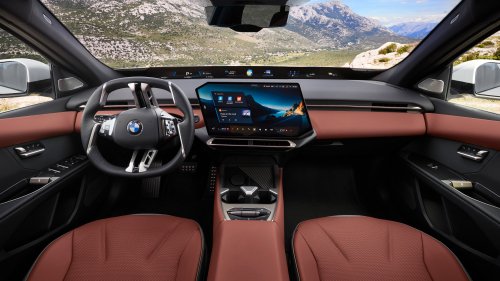
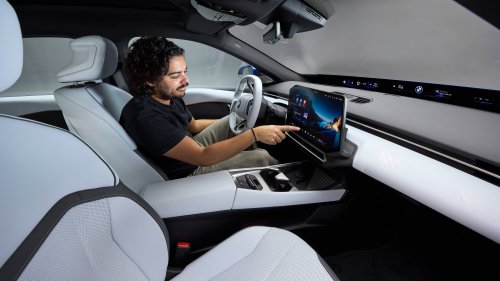
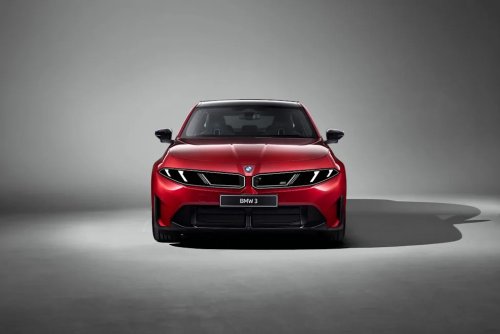
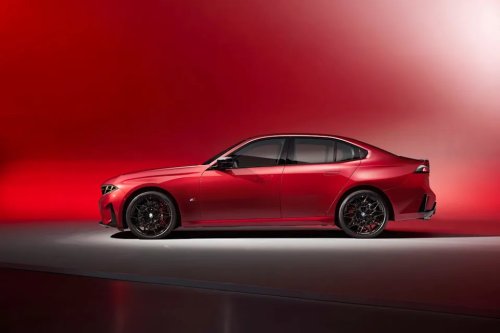
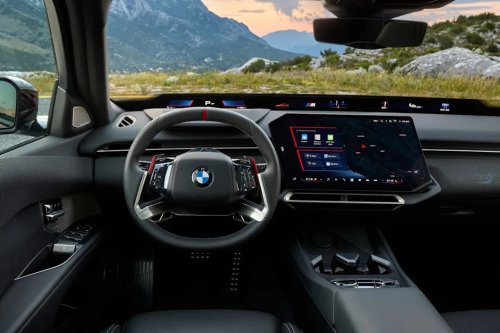
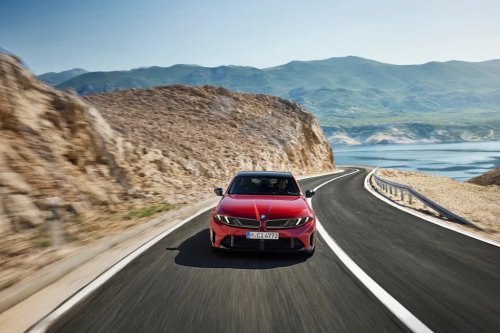
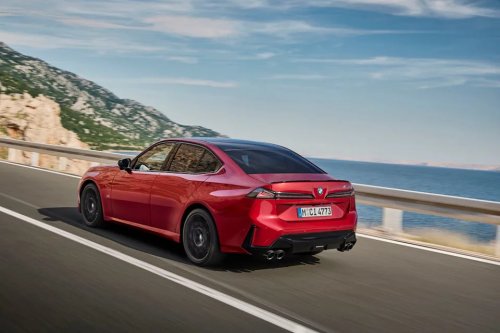
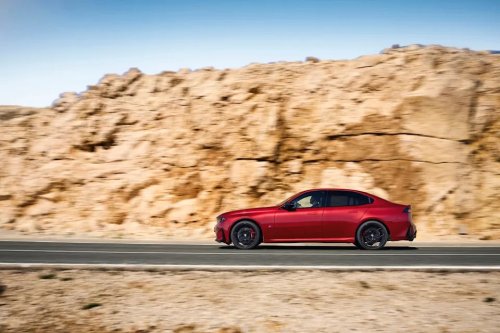
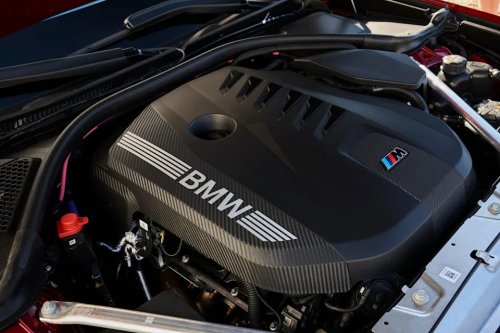
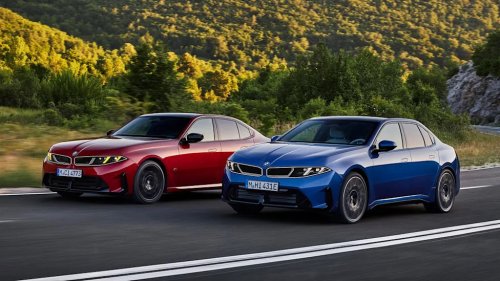
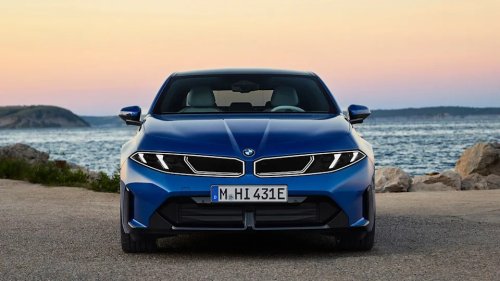
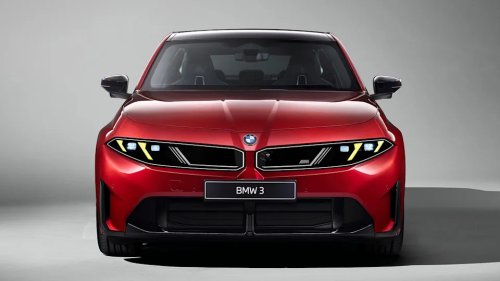
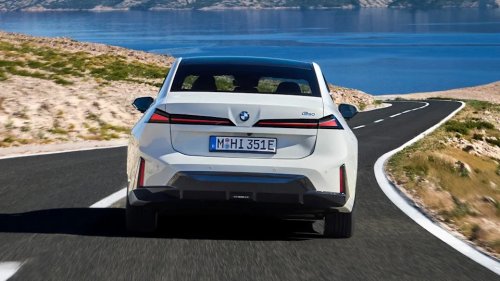
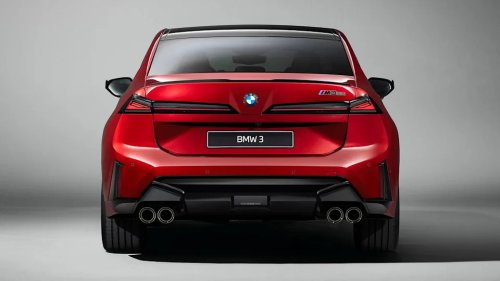
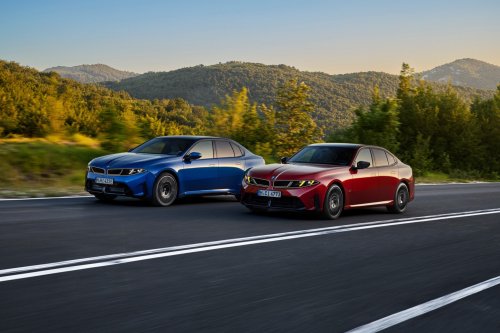
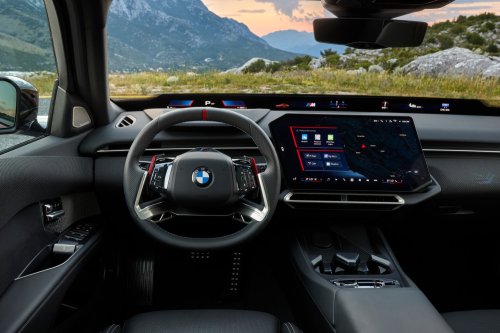
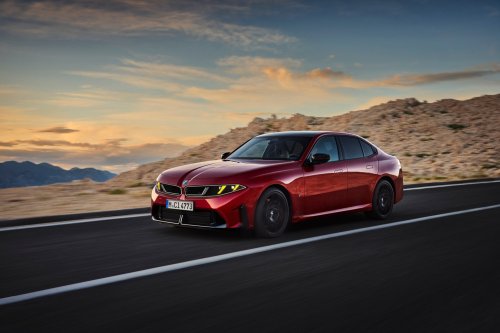
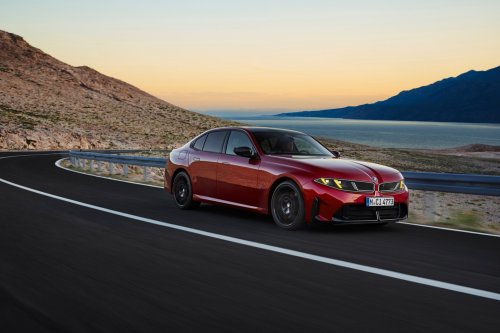
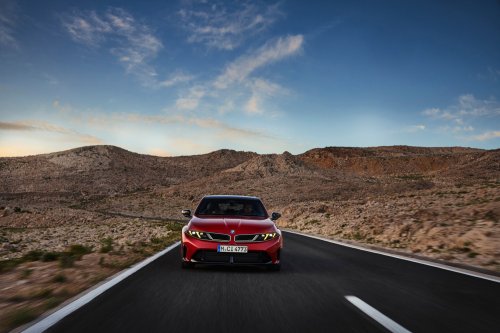
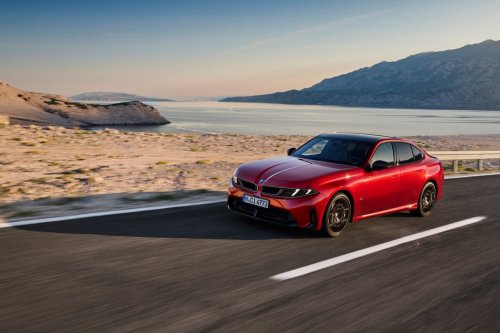
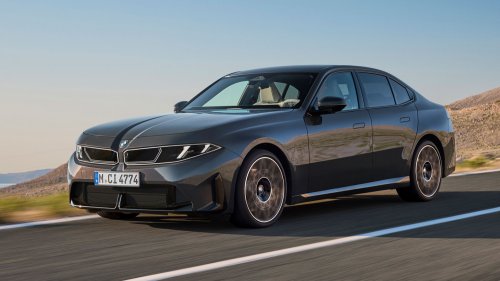
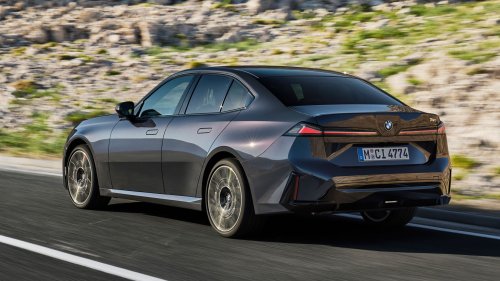
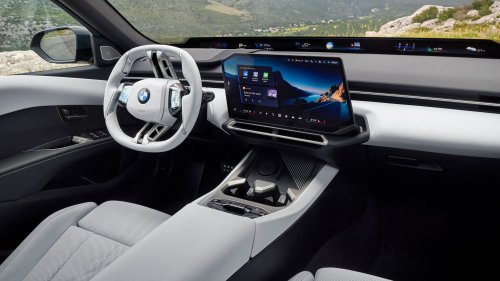
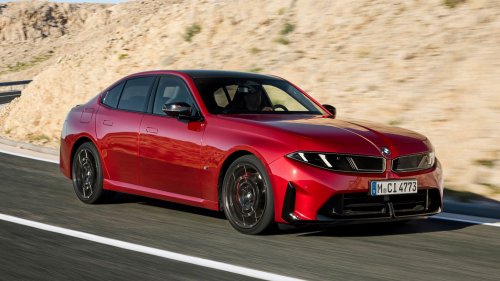
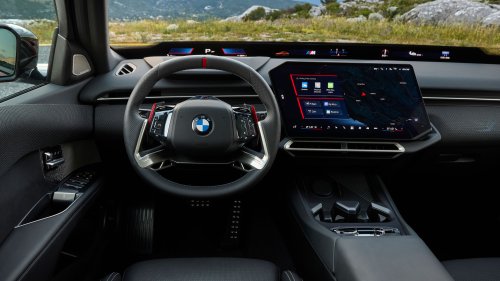
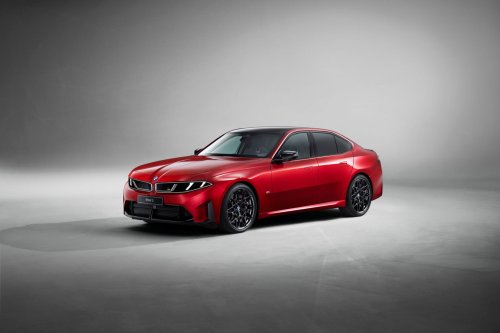
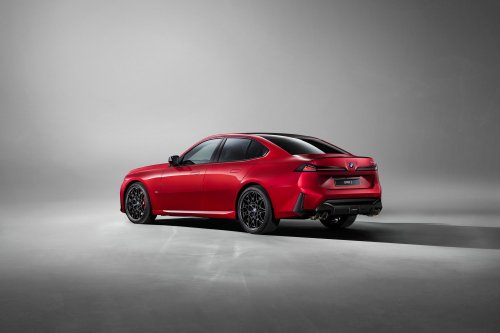
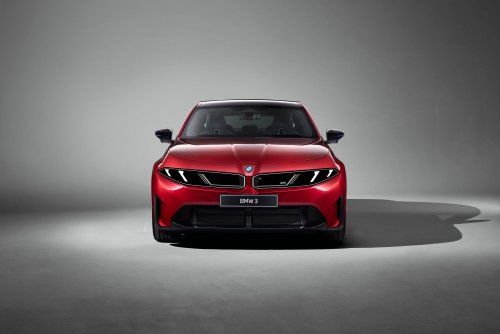
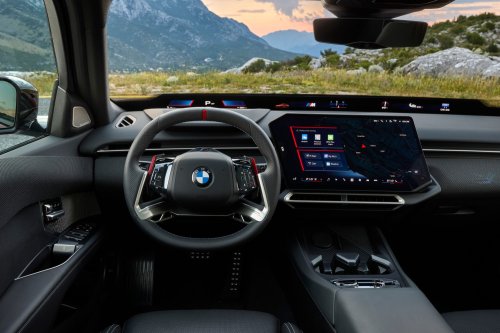
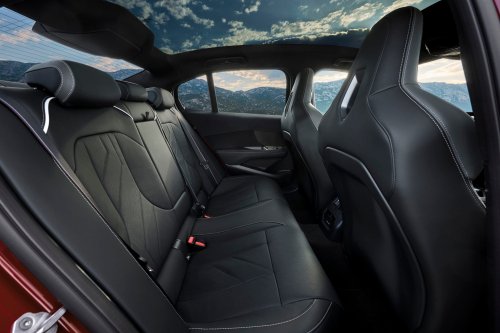
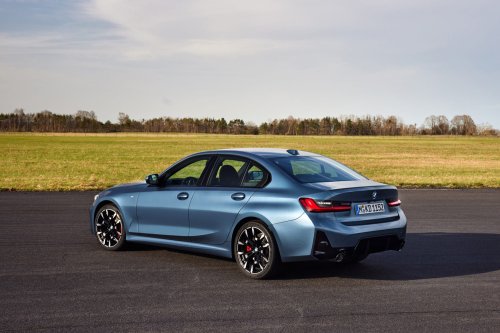
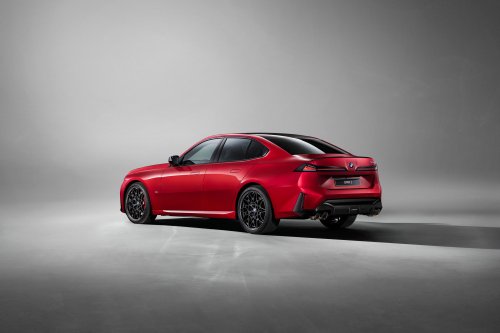
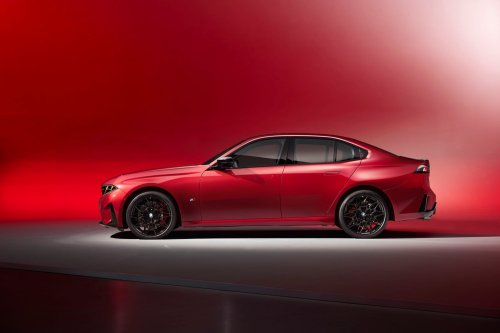
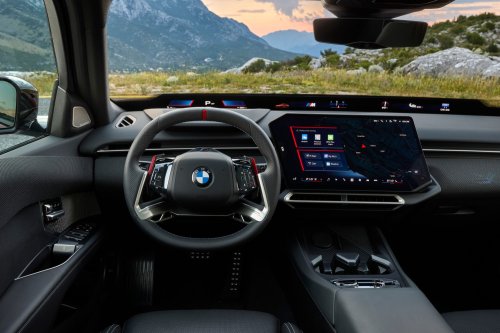
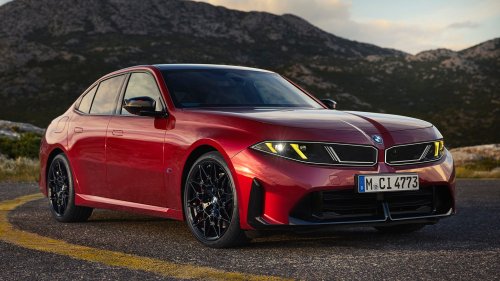
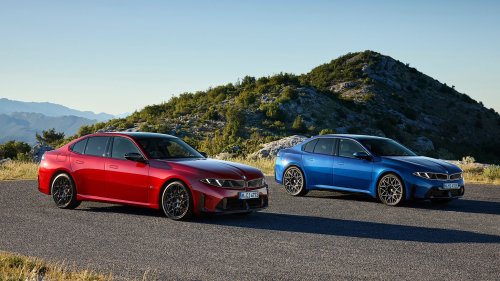
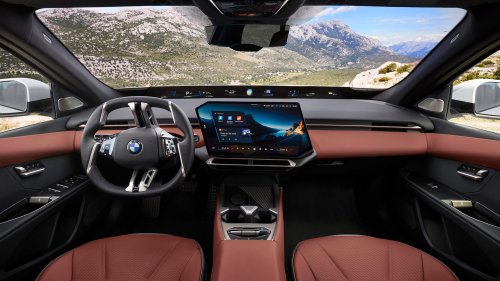
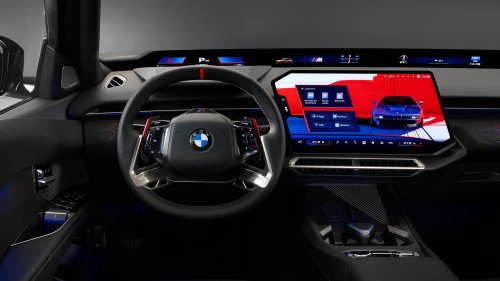
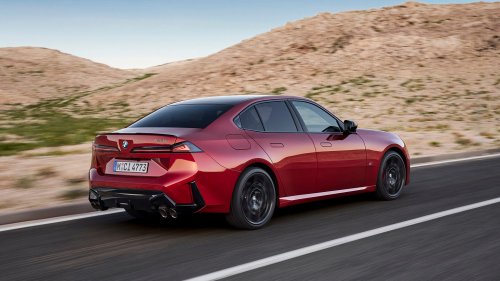
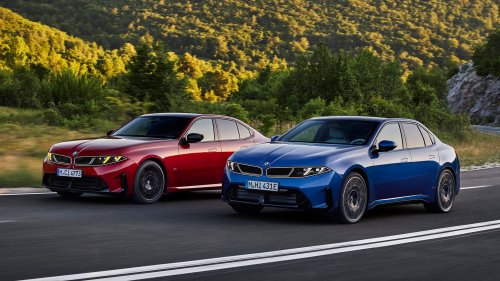
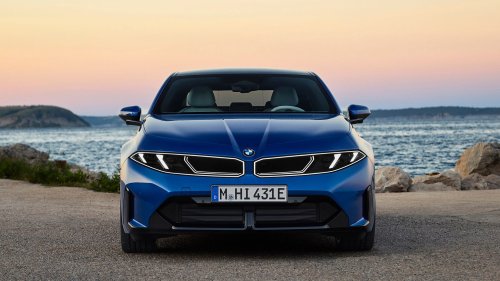
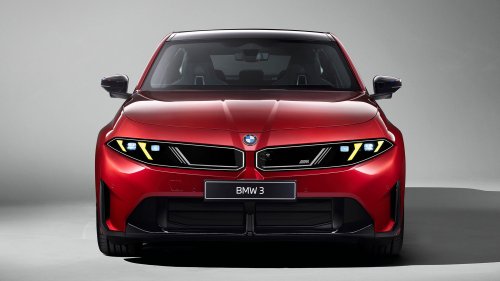
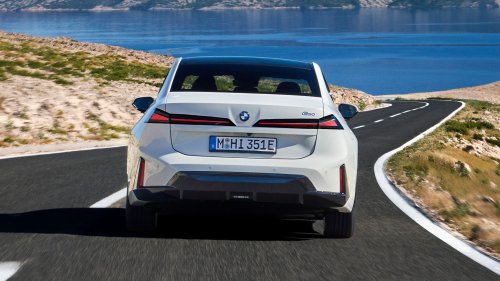
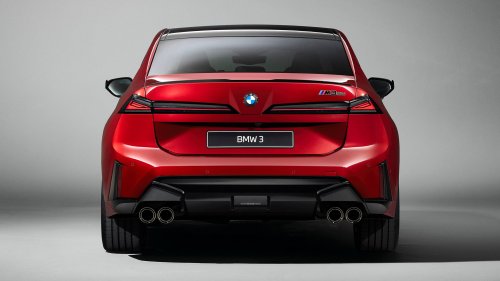
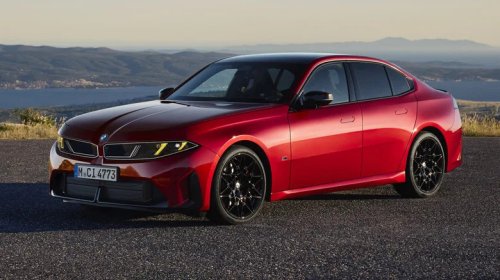
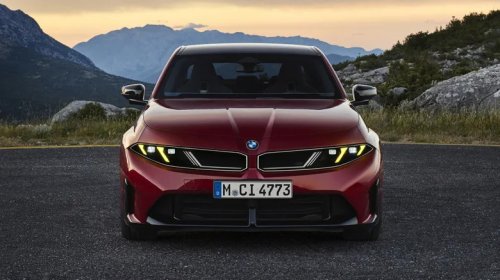
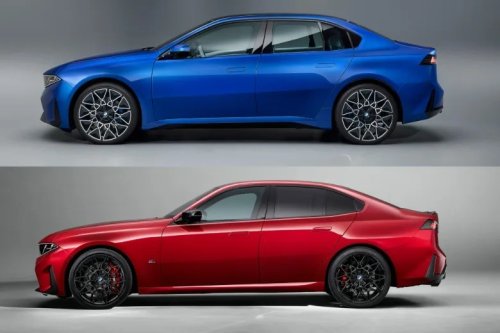
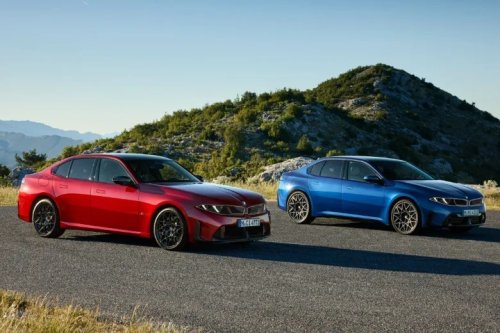
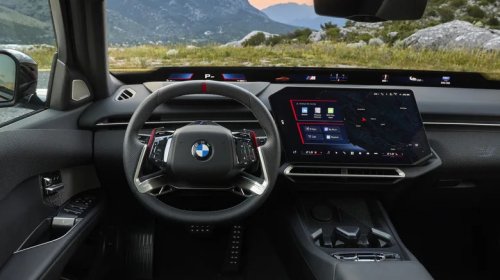
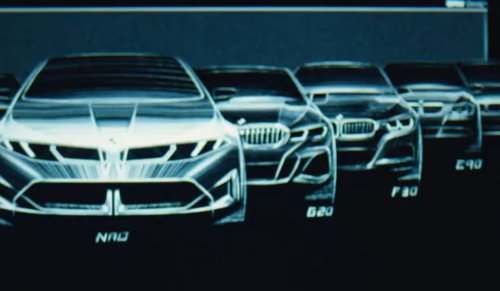
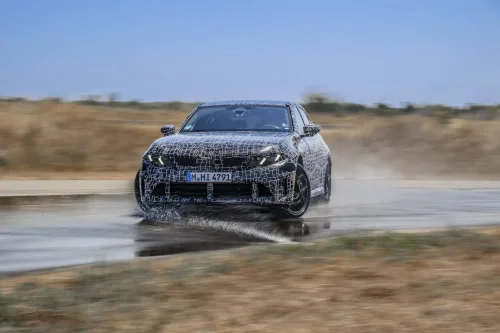
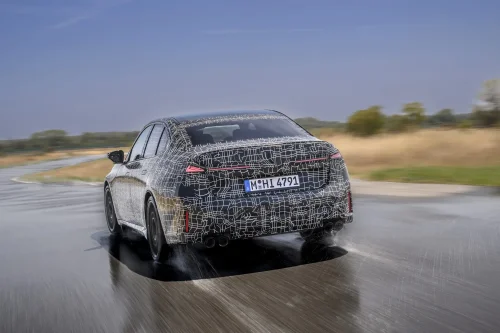
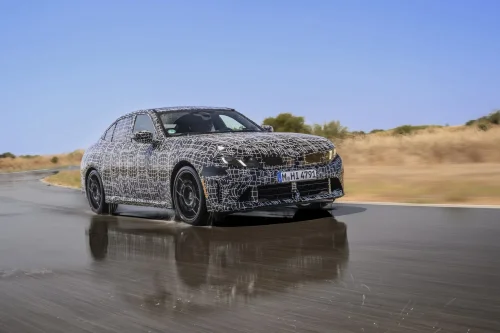
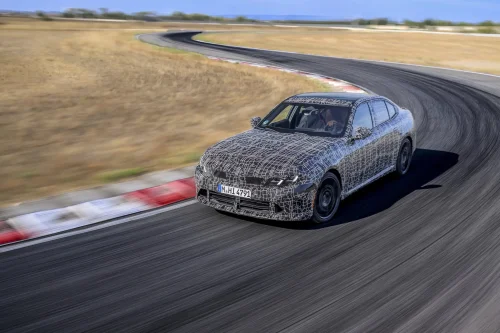
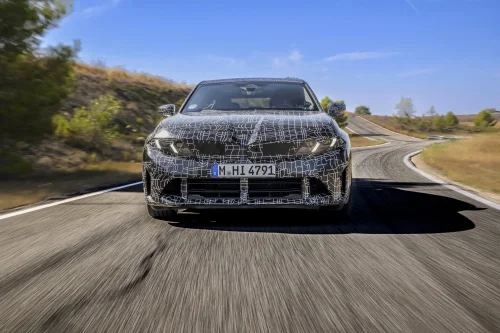
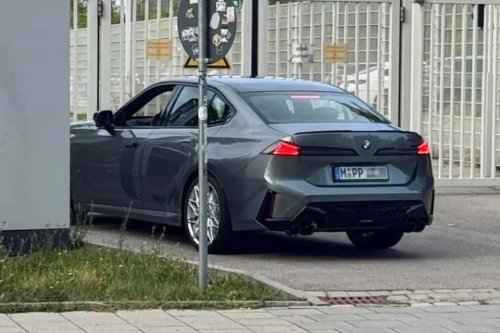
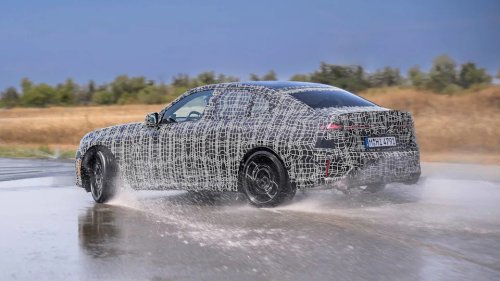
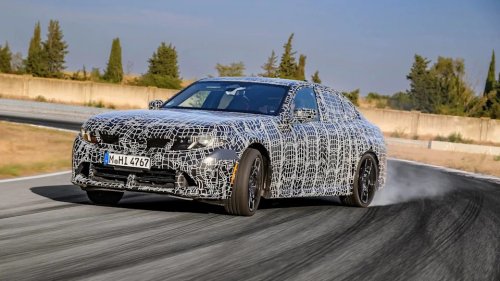
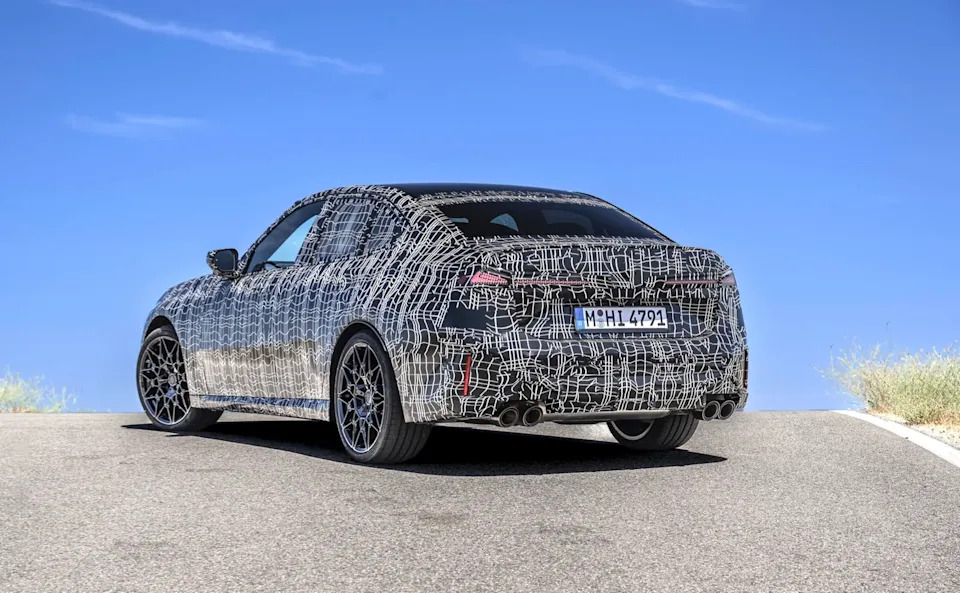
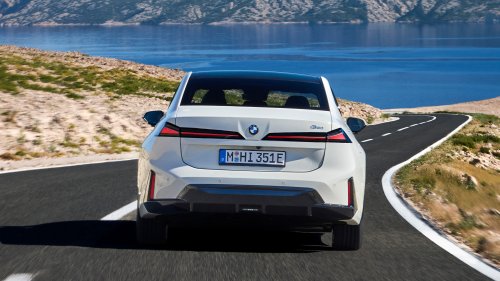
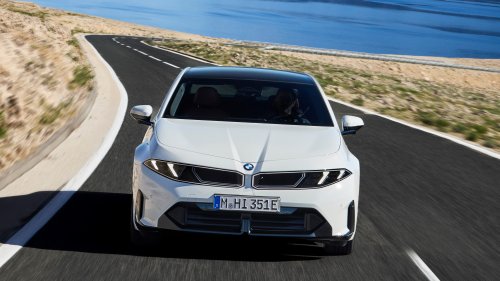
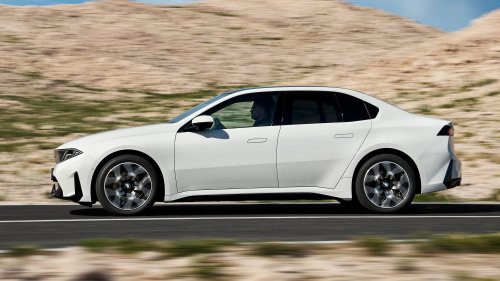
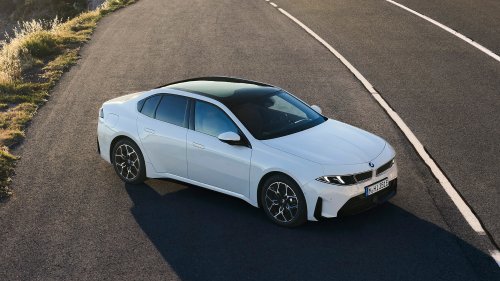
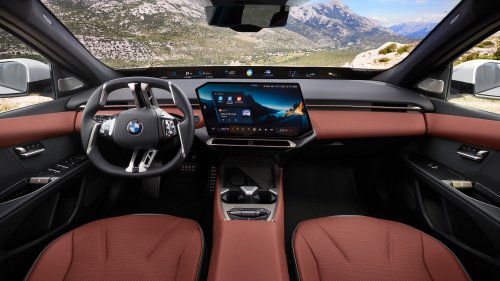
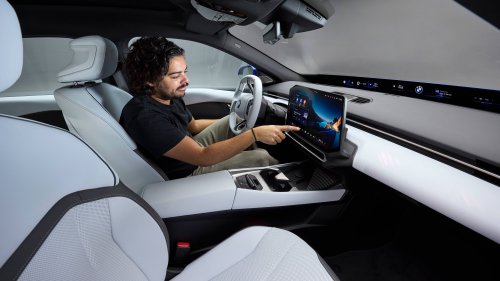
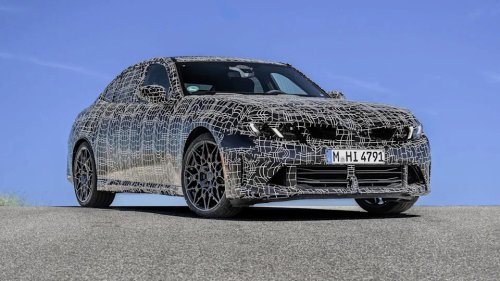
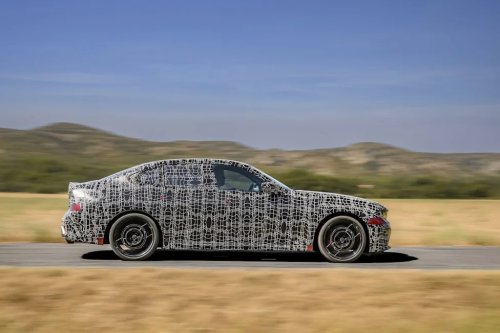
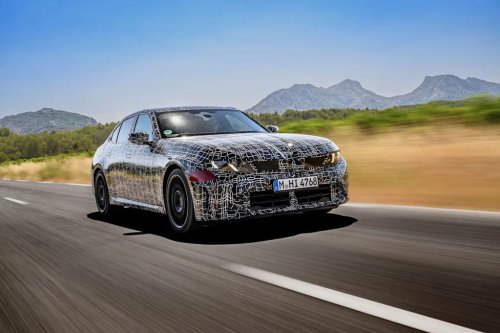
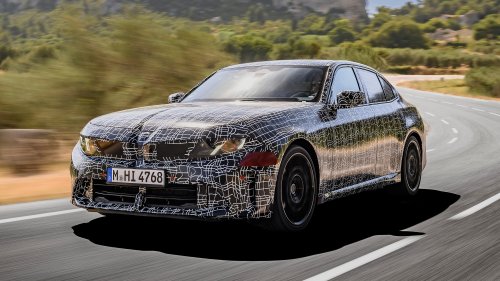
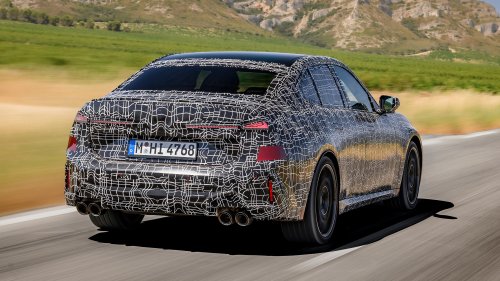
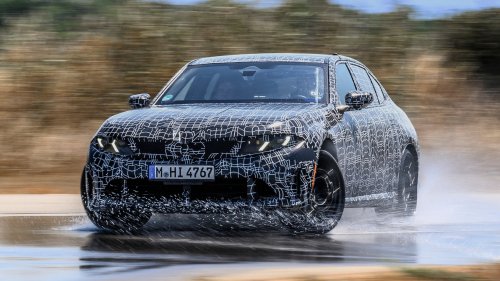
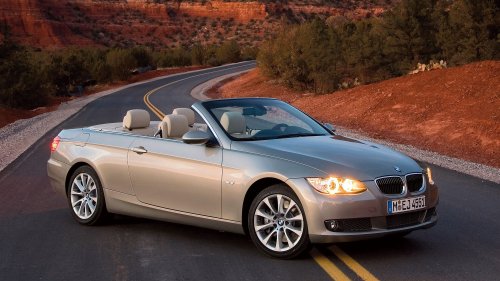
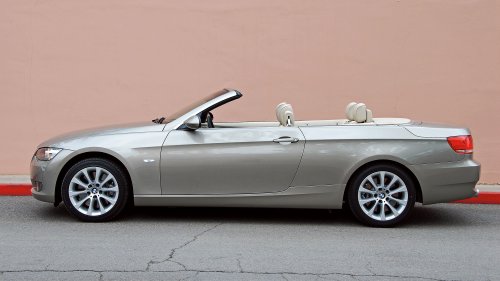
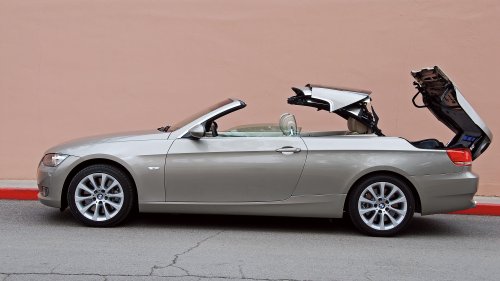
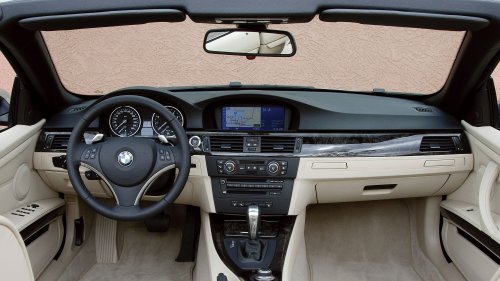
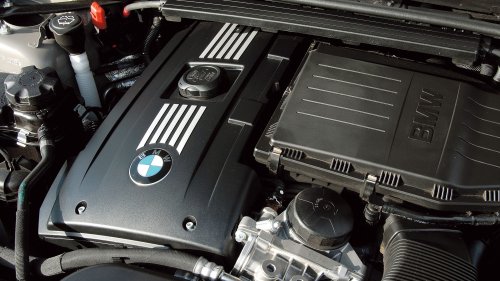
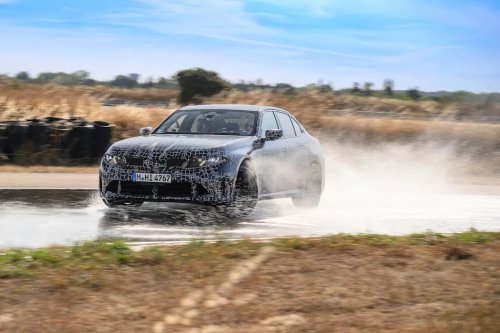
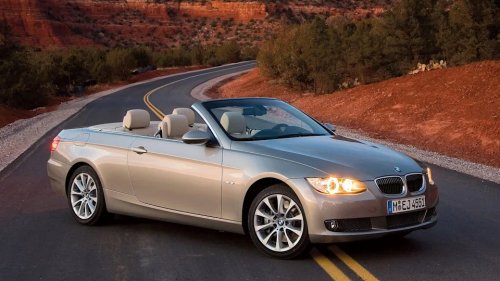
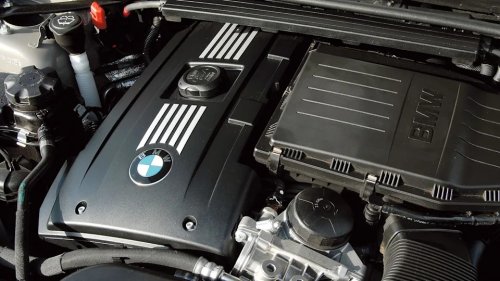
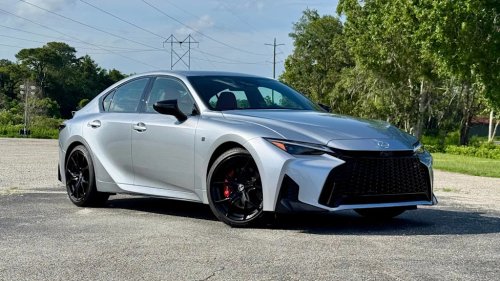
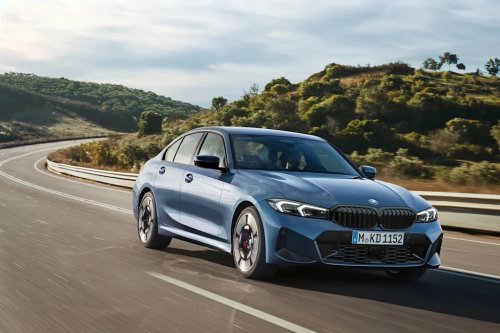
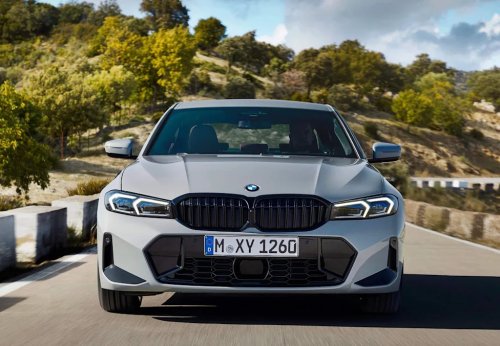
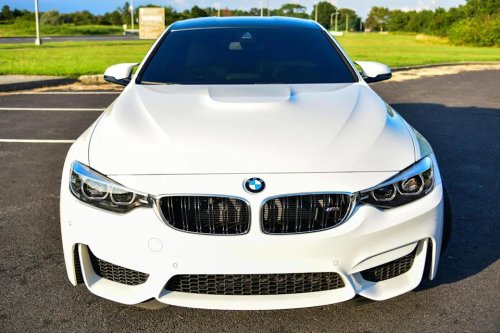
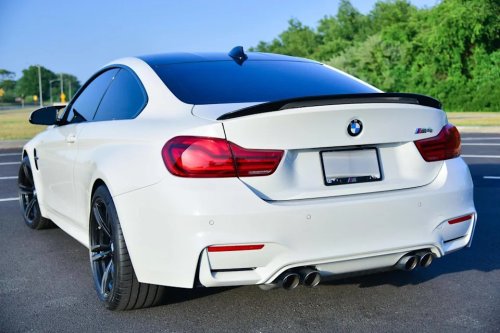
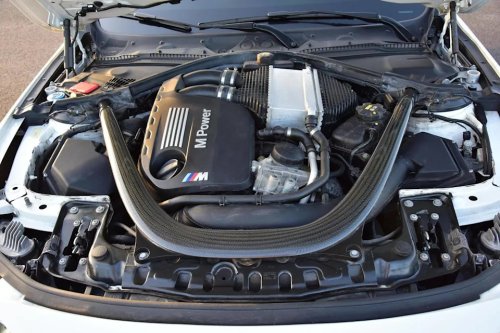
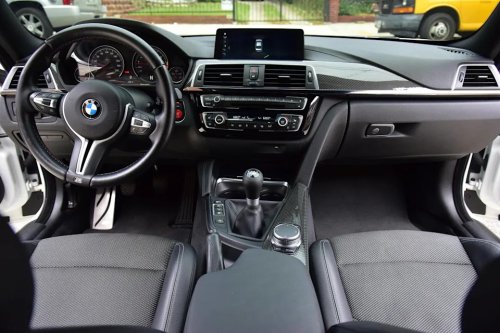
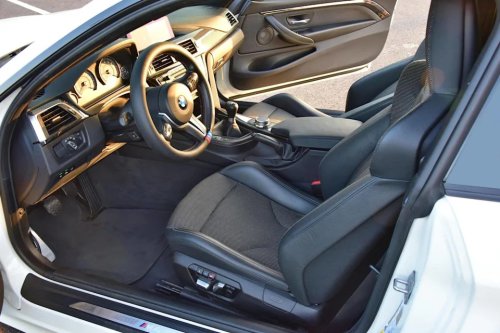
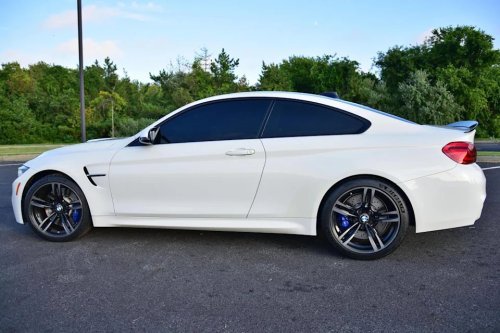
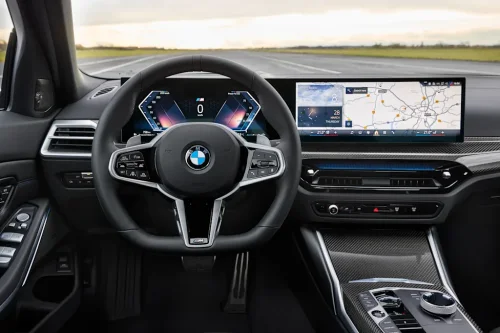
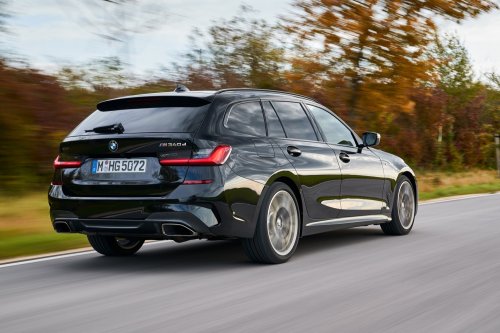
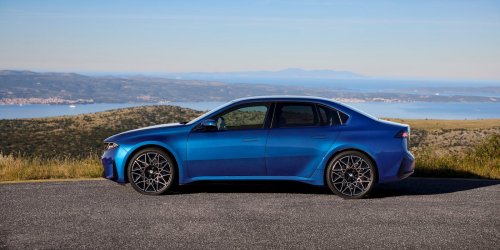
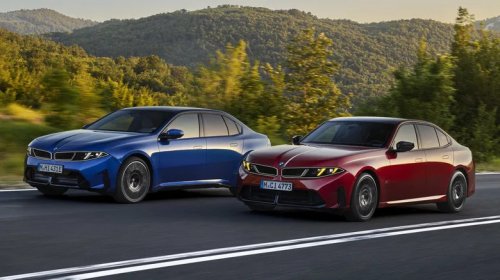
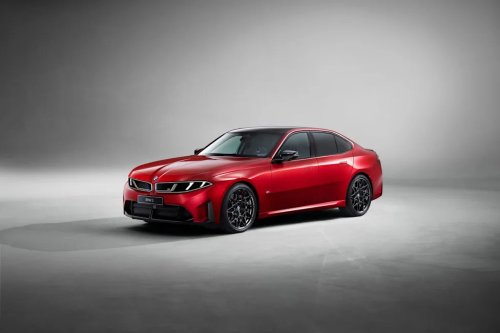
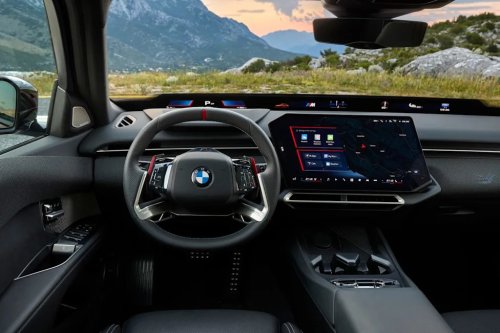
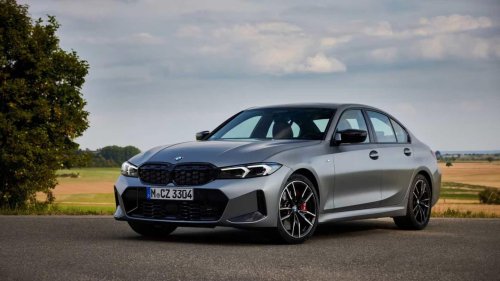
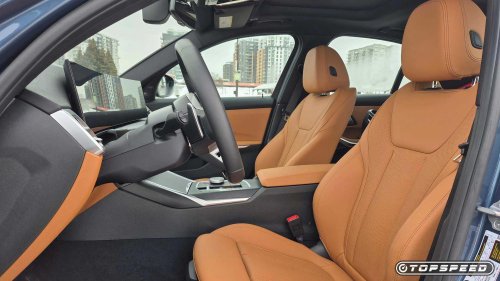
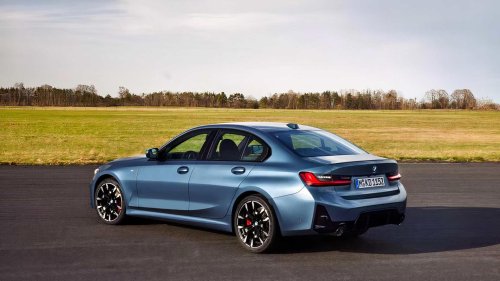
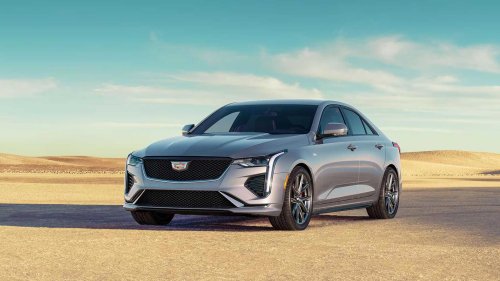
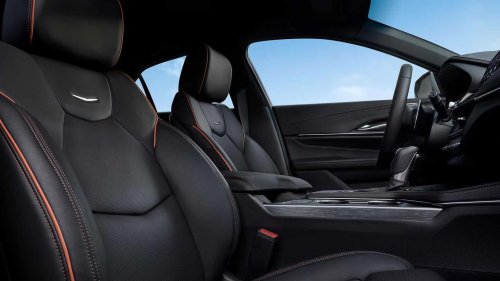
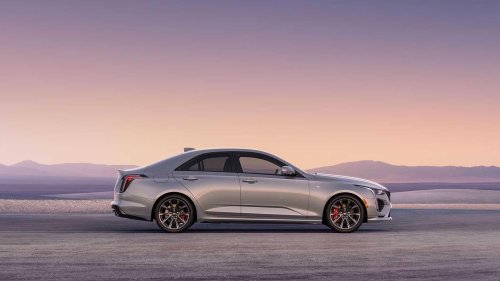
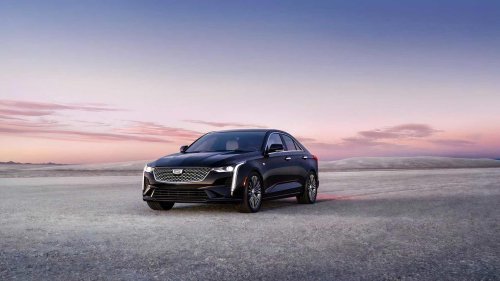
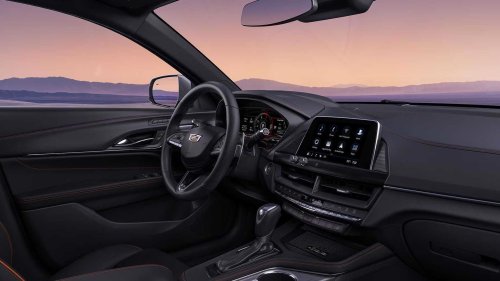
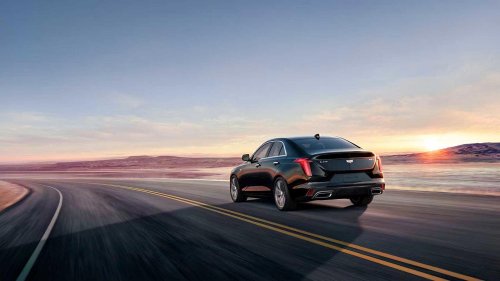
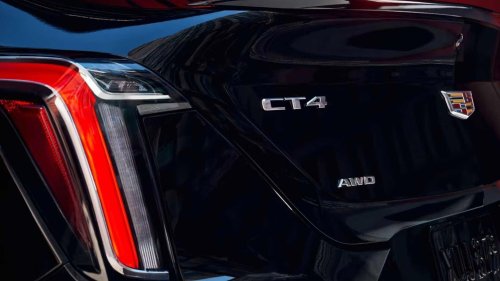
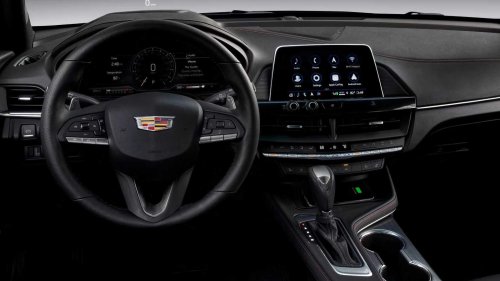
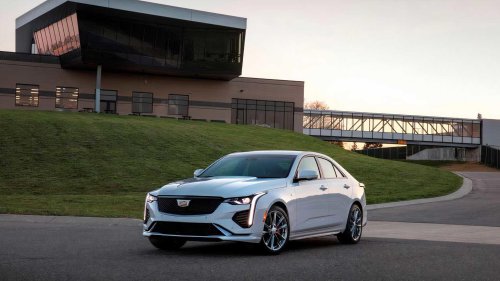
For decades, the benchmark for compact luxury sedans has been the BMW 3 Series, a car that built its reputation on sharp handling, premium engineering, and badge prestige. But in today’s ownership landscape, those traditional strengths don’t always translate into smart buying decisions. Rising maintenance costs, complex engineering, and steep depreciation curves have made German luxury ownership a far more calculated risk than it used to be.Meanwhile, a quieter contender from Detroit has been steadily refining its formula. It doesn’t shout about its performance or lean heavily on brand legacy. Instead, it delivers a compelling blend of real-world reliability, competitive performance, and ownership costs that remain surprisingly manageable over time.What’s changed is not just the car itself, but the expectations of buyers. Today’s luxury sedan customer wants more than just a sharp drive; they want predictability, lower long-term costs, and fewer mechanical headaches. And that’s where the American alternative begins to make a compelling case. Why The BMW 3 Series Isn’t Always the Smartest Buy BMW The BMW 3 Series remains an excellent driver’s car, but its ownership profile has become increasingly difficult to ignore. Modern BMW engineering leans heavily on turbocharging, complex electronics, and tightly integrated systems, all of which elevate both performance and long-term maintenance risk.William Clavey | TopSpeed A typical 3 Series uses a 2.0-liter turbocharged inline-four producing around 255 horsepower, paired with a ZF eight-speed automatic transmission. While this setup is undeniably refined, it also introduces layers of complexity. High-pressure fuel systems, turbocharger components, and advanced driver assistance systems can all contribute to higher repair costs as the vehicle ages. Depreciation Is Another Key Factor BMWData shows the 3 Series loses over 50 percent of its value within five years, which is significant even within the luxury segment. That steep drop impacts overall ownership costs, especially for buyers who plan to sell or trade within a typical ownership cycle. Then there’s the cost of upkeep. Premium fuel requirements, higher labor rates for specialized servicing, and more frequent maintenance intervals all add up. While BMW includes limited complimentary maintenance, long-term ownership often tells a different story. How The Cadillac CT4 Quietly Undercuts Ownership Costs Cadillac Enter the Cadillac CT4, a sedan that doesn’t try to out-German the Germans, but instead plays to its own strengths. At a fundamental level, the 2026 CT4 starts with a pricing advantage. With an MSRP range beginning in the mid-$30,000 bracket, it undercuts the BMW 3 Series by a meaningful margin, which typically starts above $47,000. That initial gap alone reshapes the entire ownership equation.Cadillac But the real story emerges when you examine the total cost of ownership. According to CareEdge, the CT4’s average five-year ownership cost sits at approximately $48,758. This figure includes depreciation, insurance, fuel, maintenance, and financing, offering a holistic view of what buyers actually spend.Cadillac Breaking that down further, depreciation accounts for about $15,599 over five years, while maintenance and repair costs remain relatively modest at just over $3,000 combined. These are numbers that stand out in a segment where ownership costs can escalate quickly. This is where the CT4’s philosophy becomes clear. Rather than pushing cutting-edge complexity at every turn, it prioritizes cost efficiency and long-term usability, two qualities that resonate strongly with buyers who plan to keep their cars beyond the warranty period. Lower Maintenance, Manageable Depreciation, And A Five-Year Ownership Figure That Stays Competitive Cadillac Ownership cost is where the Cadillac CT4 begins to separate itself in measurable terms. Depreciation, often the largest hidden expense, is notably more controlled. The CT4 loses around 38 percent of its value over five years, noticeably less than the BMW 3 Series. That difference of over eight percentage points translates directly into higher retained value and less financial loss when it’s time to sell.Cadillac Maintenance costs tell a similar story. Over a five-year period, total maintenance and repair expenses remain relatively low compared to segment norms, reinforcing its manageable ownership profile. Insurance and fuel costs also remain competitive, contributing to a balanced cost structure rather than one dominated by any single expense category.Cadillac Crucially, the CT4 earns a CarEdge value rating of B+, signaling that it represents a strong overall investment within its class. This isn’t just about being cheaper upfront; it’s about sustaining value over time, too. In a segment where depreciation and maintenance can quickly spiral, the CT4’s ability to keep costs predictable is a major advantage. Why Simpler Engineering And Proven GM Components Can Translate To Fewer Headaches Cadillac One of the most overlooked aspects of the 2026 Cadillac CT4 is its engineering philosophy. While competitors chase innovation through increasingly complex systems, the CT4 leans on proven General Motors architecture. Its base engine, a 2.0-liter turbocharged inline-four producing 237 horsepower, is paired with an eight-speed automatic transmission, a combination that prioritizes durability and ease of maintenance. More importantly, reliability data support this approach. According to J.D. Power, the 2026 CT4 achieves a “Great” quality and reliability score of 86 out of 100. That rating reflects fewer reported defects and mechanical issues compared to many competitors. Complexity Often Correlates With Failure Points CadillacAdvanced turbo systems, intricate electronics, and tightly packaged components can increase the likelihood of expensive repairs. By contrast, simpler and well-understood systems tend to age more gracefully. Cadillac’s approach also extends to warranty coverage, with competitive bumper-to-bumper protection and lower-cost servicing environments compared to European brands. The result is a car that feels less intimidating to own long-term, particularly for buyers who value dependability over cutting-edge novelty. Premium Driving Experience Without The Premium Ownership Penalty Cadillac What makes the CT4 particularly compelling is that it doesn’t sacrifice the driving experience to achieve its cost advantages. On paper, its 237-horsepower base engine may trail the BMW slightly, but real-world performance remains competitive. The CT4 can accelerate from zero to 60 mph in just under six seconds, delivering strong everyday usability. Optional powertrains push output beyond 300 horsepower, bringing it closer to true sport sedan territory.Cadillac More importantly, the CT4 retains key characteristics that define the segment. Rear-wheel-drive architecture, balanced weight distribution, and precise steering ensure that it still feels engaging from behind the wheel. Ride quality strikes a deliberate balance between comfort and control, while interior technology, though less flashy, remains functional and user-friendly.This is where the CT4’s value proposition becomes clearest. It delivers the core elements of a luxury sport sedan — performance, refinement, and presence — without layering on unnecessary cost. Here, it offers the experience buyers expect, but without the financial aftershock that often follows German luxury ownership.Sources: Cadillac, BMW, CarEdge, iSeeCars, J.D. Power



















 +5 others