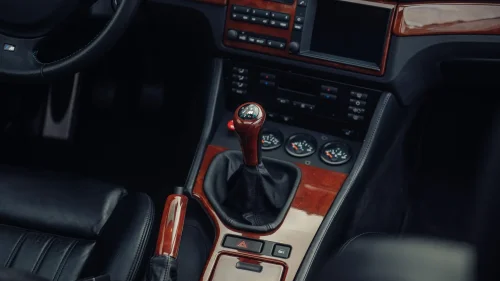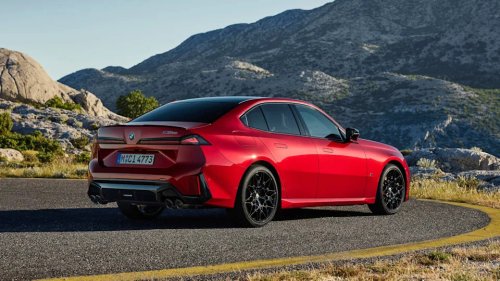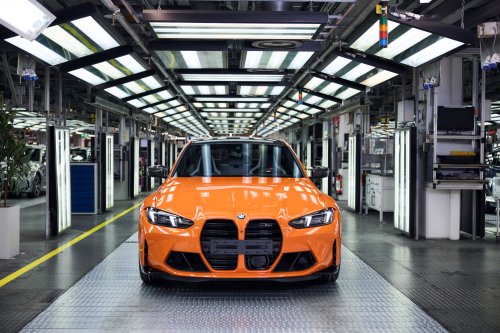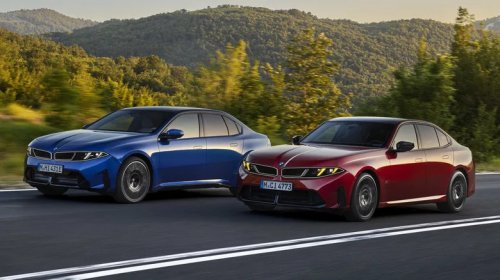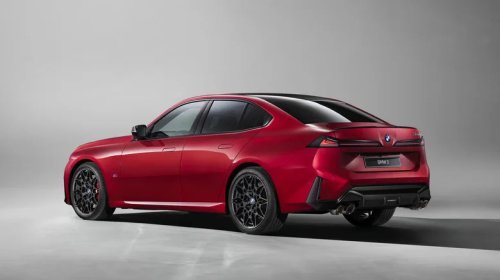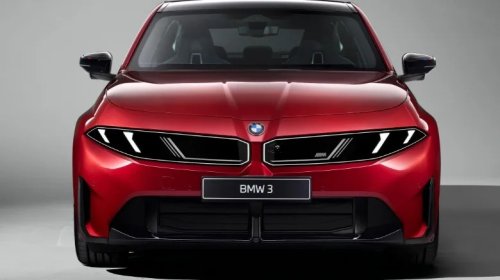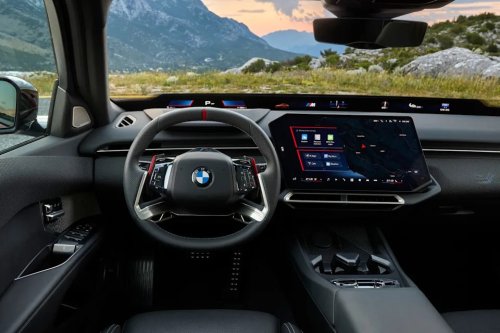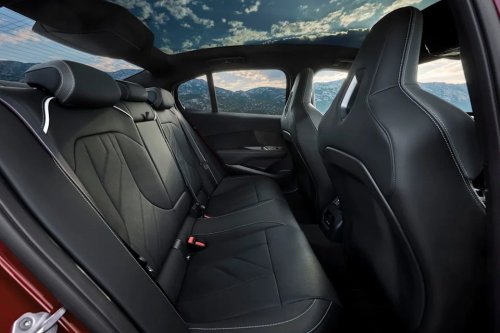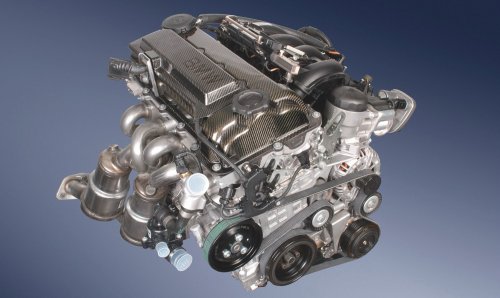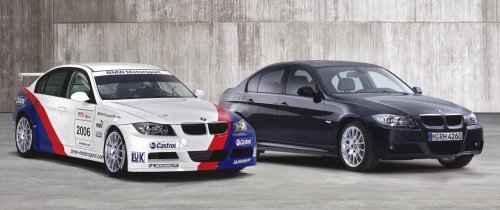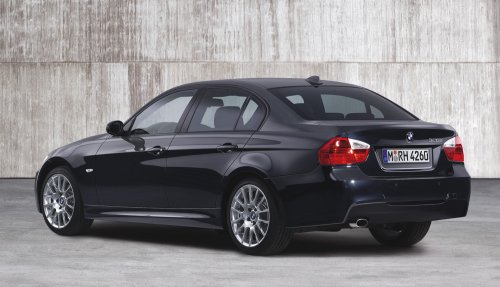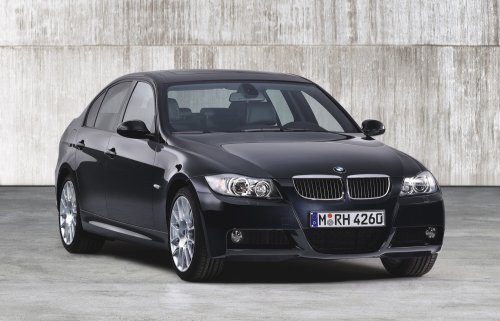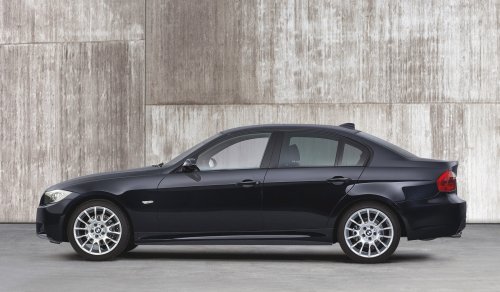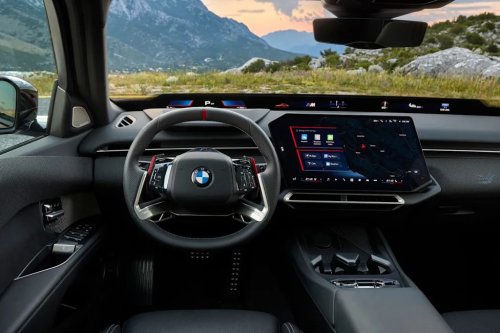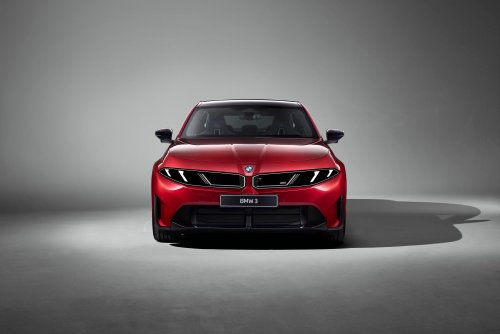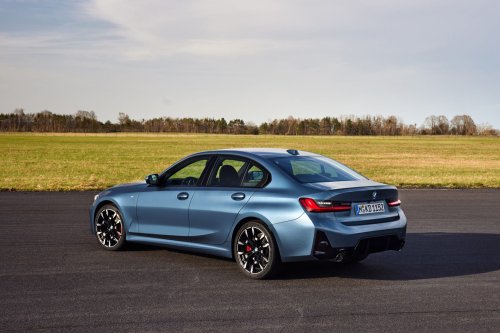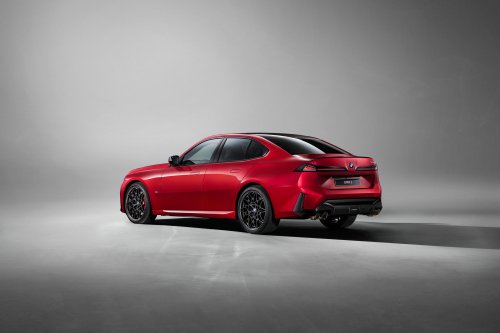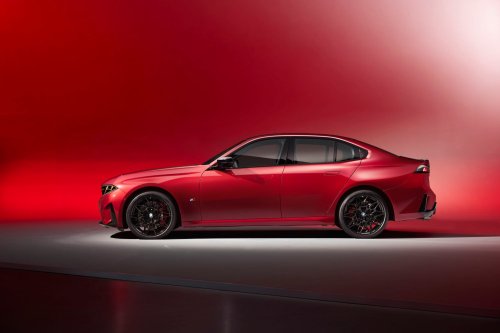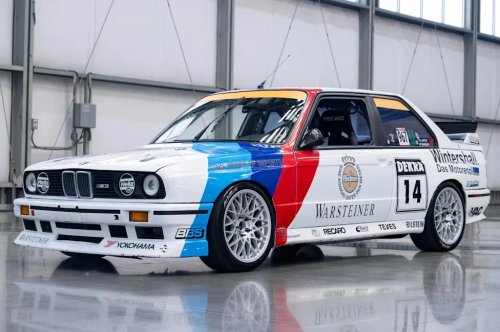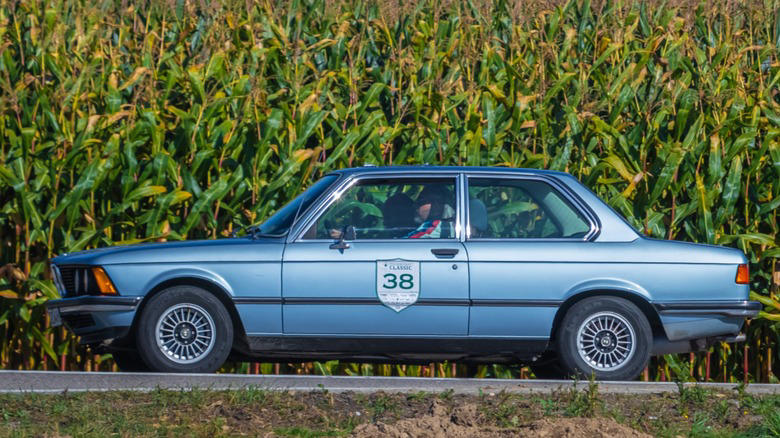
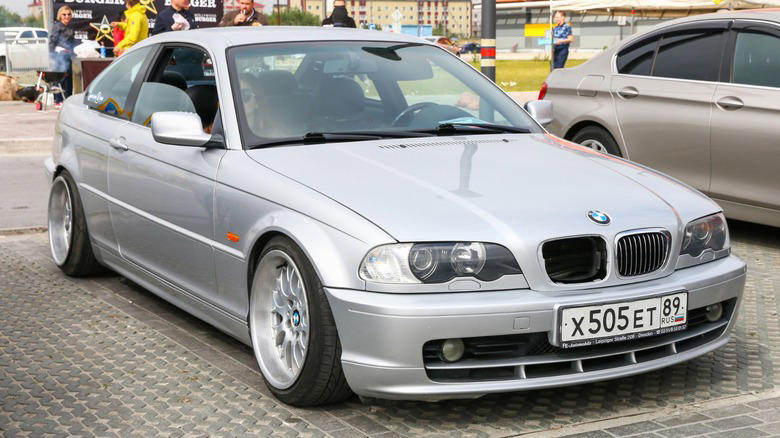
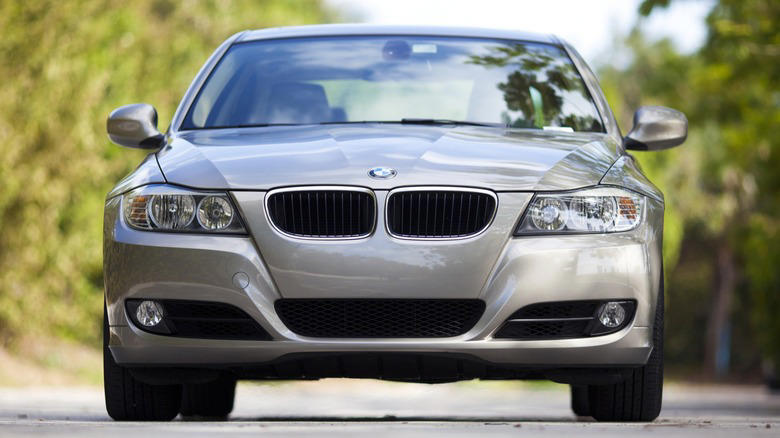



















BMW 3 Series first gen, 1975-19821975 was a tumultuous time for the auto industry. New regulations in the United States altered how cars had to be made while technological advances, such as electronic fuel injection, were becoming more reliable and widespread. Engine options ranged from a tiny 1.5-liter gasoline model fed by a carburetor to the largest 2.3-liter straight-six unit with fuel injection. With the 315 model, drivers only got to enjoy 75 horsepower to get their little BMW going, although the top end of the range delivered a more respectable 143 horsepower, thanks to a mechanical fuel injection system. Even then, few races would be won, but considering a Chevrolet Camaro of the same year gained only two more horsepower with twice the displacement and number of cylinders, it was doing well.These original 3 Series cars offered few accessories or advanced options, but the interiors were well-appointed and showed that BMW was capable of building premium cars that are attractive and well-built. Furthermore, the interior design of these cars was sporty and driver-focused, with a binnacle full of gauges and what few controls existed all focused toward the driver. While cars today look so much like one another across all brands, back then, the BMW was a starkly different alternative to domestic cars stateside. Though drivers may have looked good in these cars, speed was not the vehicles' most dramatic attribute. With a top speed of 106 mph, they required 11.7 seconds to hit 60 mph and a quarter-mile drag lasted 18.4 seconds. Most economy hatchbacks today are faster than that.BMW 3 Series fourth gen, 1998-2005Just before heading into a new millennium, BMW presented its fourth iteration of the popular 3 Series. Though the model line had been undergoing styling and technical changes throughout its existence, the E46 model introduced for the 1998 model year also increased its dimensions, leaving us with a wider, longer, and lower car, all providing for better stability and control. Technologically, this iteration was also extremely advanced, with more electronic accessories than ever. New standard features included Cornering Brake Control (CBC) and Automatic Stability Control with Traction (ASC+T). Furthermore, this model was safer than ever, with multiple airbags installed around all passengers and an electronic brake force distribution standard.Engine choices continued with the 1.8-liter entry-level option with premium models receiving a 3.0-liter straight-six. 1998 was also the first year for the 3 Series to have double VANOS, meaning it had variable valve timing on both intake and exhaust. This development had an impact on power and efficiency, leading to cars being available with up to 231 horsepower, nearly 40 more than the outgoing models. Fourth-generation cars are also the first to break the 150-mph barrier with a top speed of 157 mph. A sprint to 60 mph in the 330i model took 6.3 seconds, and cleared a quarter-mile in 14.8, a full second over its predecessor.BMW 3 Series fifth gen, 2005-2015By 2005, the BMW 3-series had well established itself as a premier luxury car, thanks to 30 years of production and continual improvement. While the exterior had been refreshed and received more slopes and curves than previous models, it still maintained the same familiar overall look of the prior two generations of cars. This consistency is part of what brought the new 3 Series to being named "World Car of the Year," which is voted on by automotive journalists who picked it over 26 other entries that year.Examples of the advanced engineering available in the fifth generation include components of Advanced Stability Control such as brake drying, brake fade compensation, and comfort stop, all of which go beyond that of typical contemporary passenger cars. Furthermore, this series update received something significant for the first time: turbocharging. With twin turbos on the venerable BMW straight-six, the 3 Series had broken the 300-horsepower mark for the first time. While maintaining a relatively low curb weight at 3,500 pounds, these cars were made properly quick.Combined with excellent handling already built-in, a 335i from this era could be a fun and fast contender for some friendly racing competition — on the track, of course. The performance of the top model with the 3.5-liter straight-six helped it hit 156 mph, electronically limited while getting to 60 mph in a scant 5.5 seconds, and completing the quarter-mile in 13.7 seconds at 106 mph.