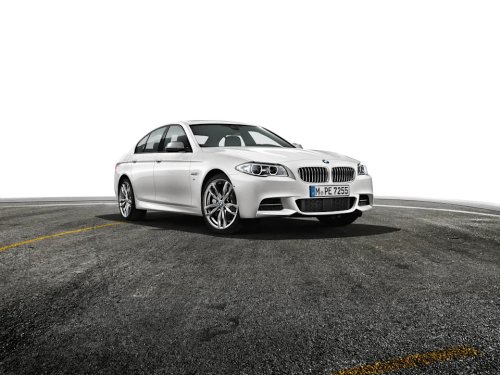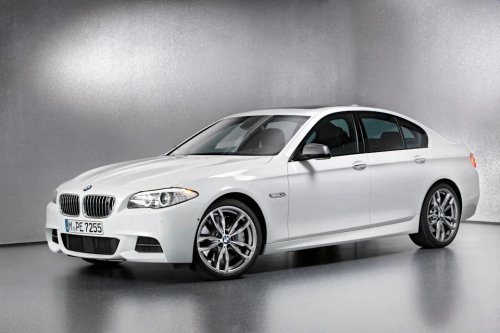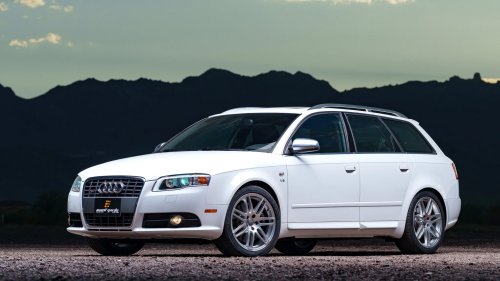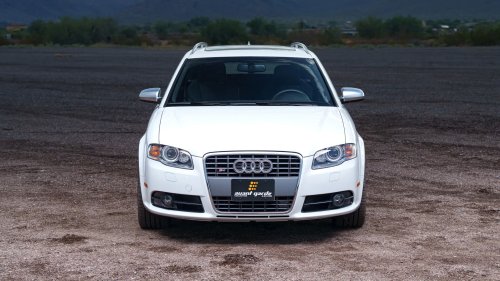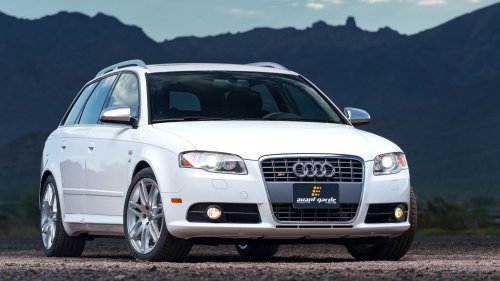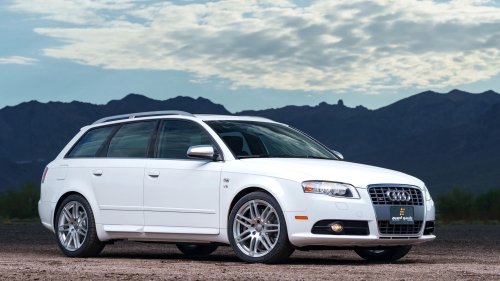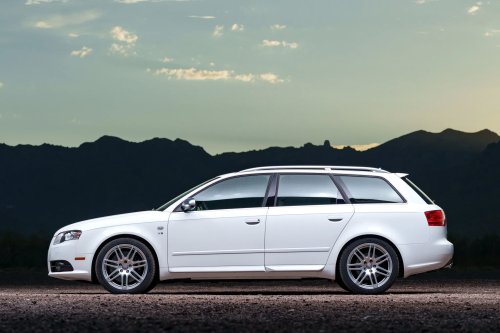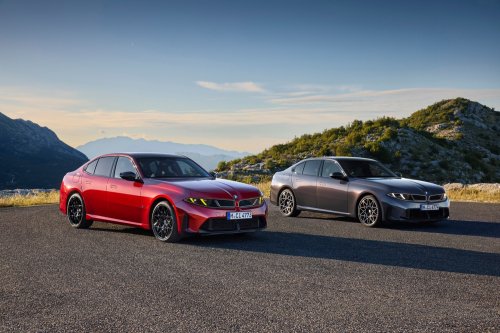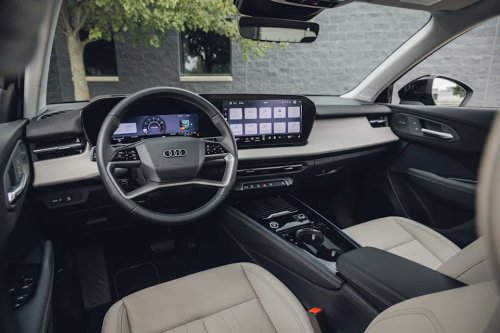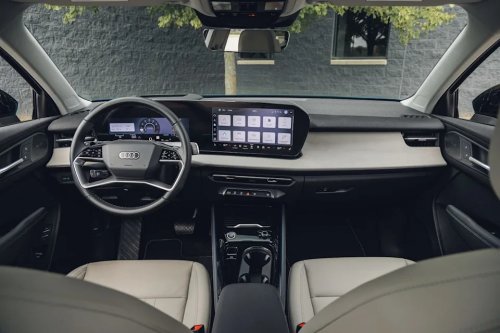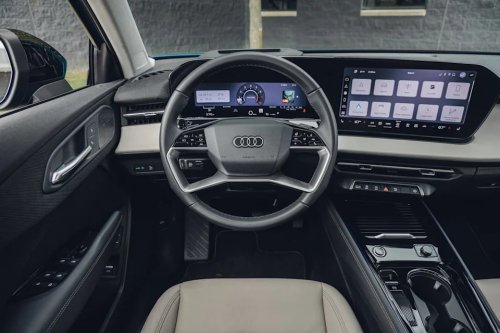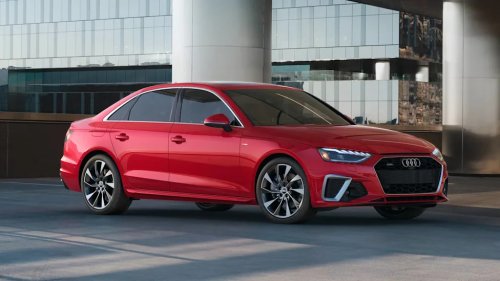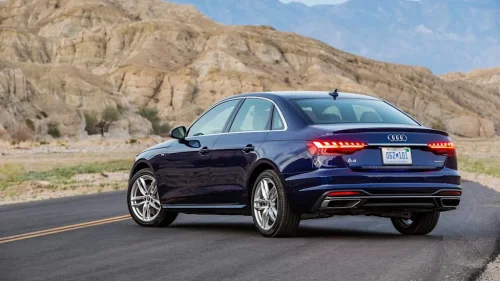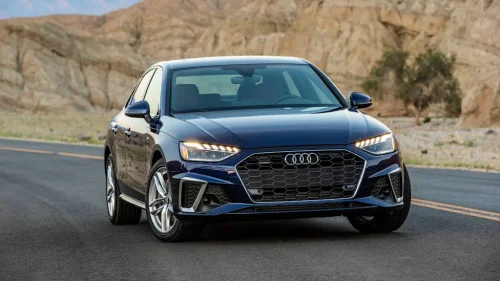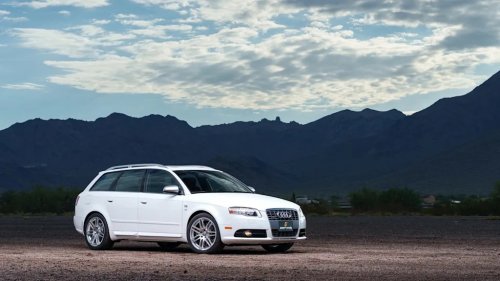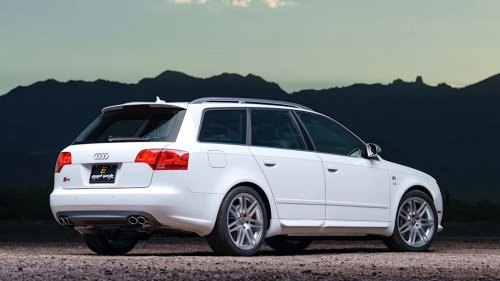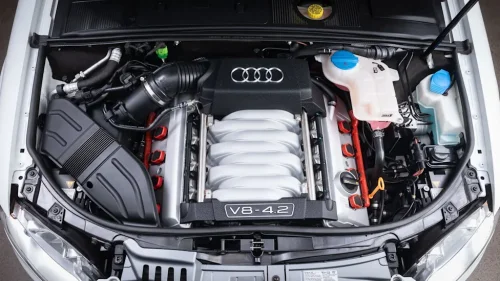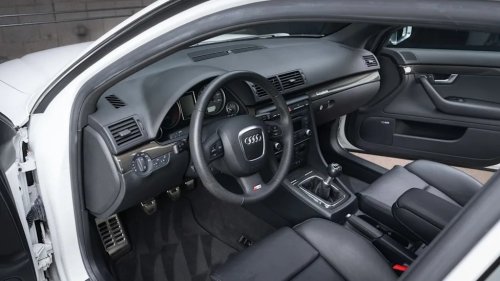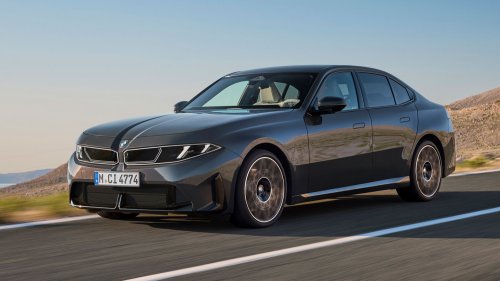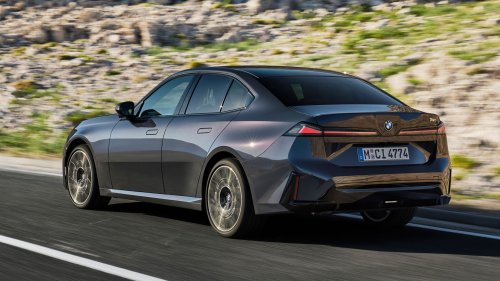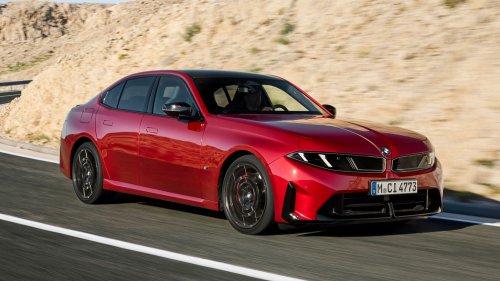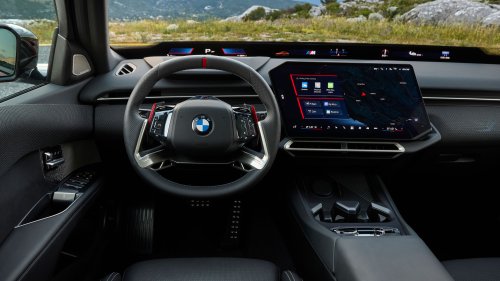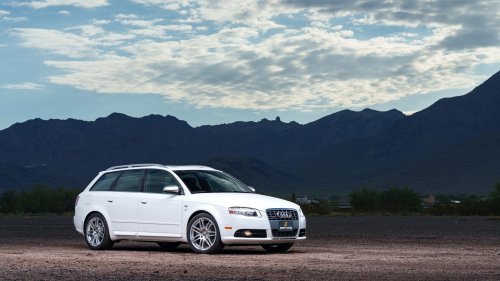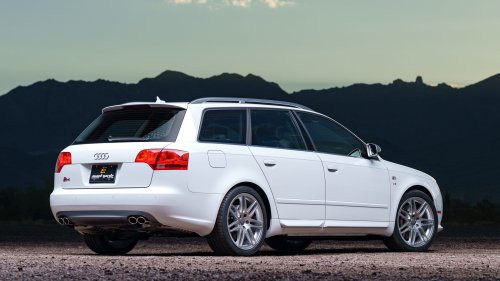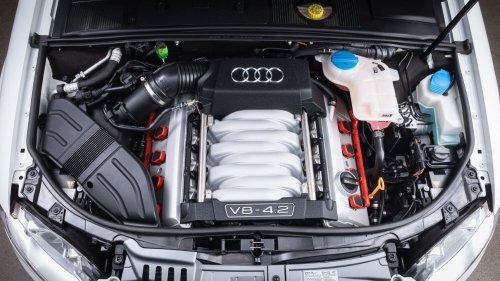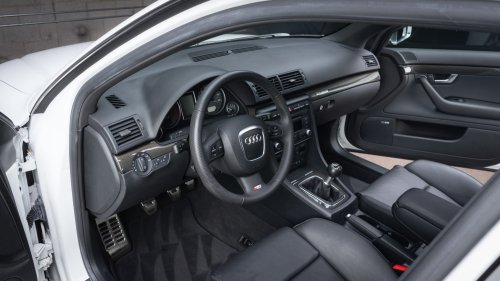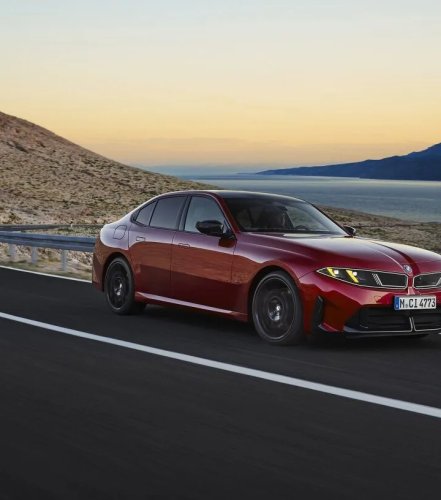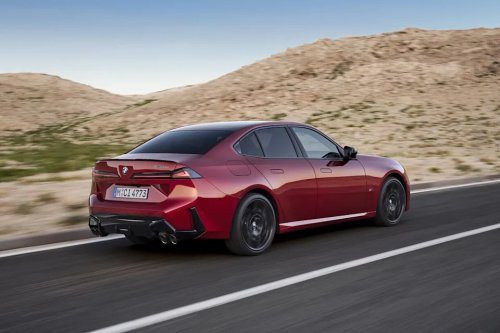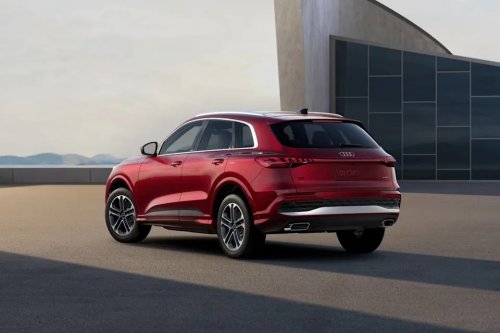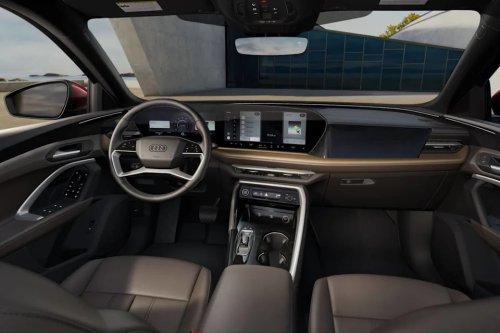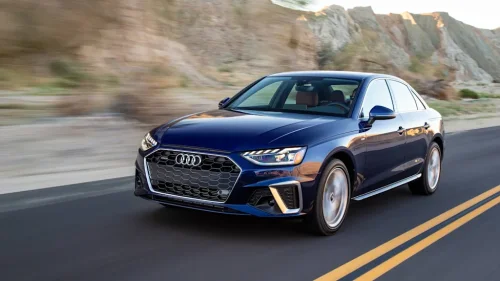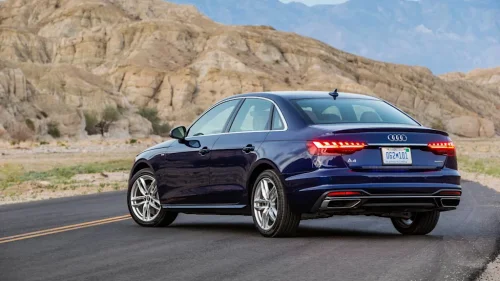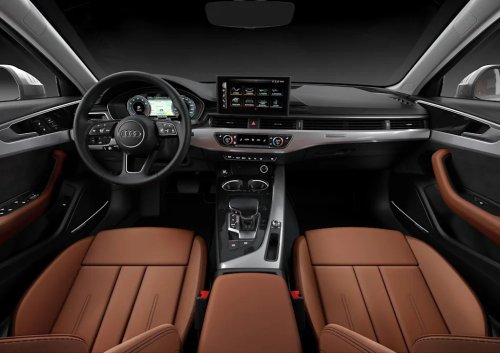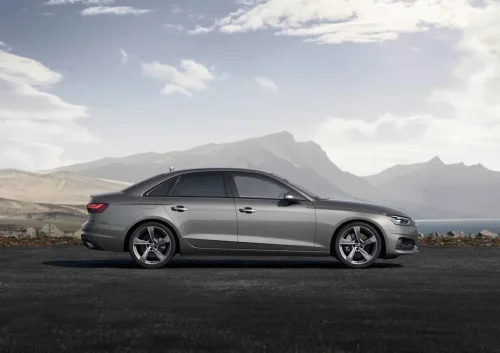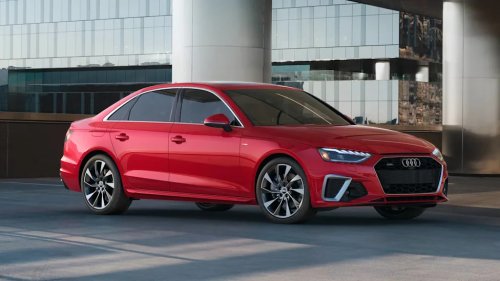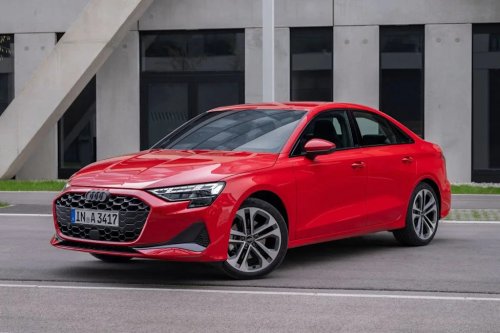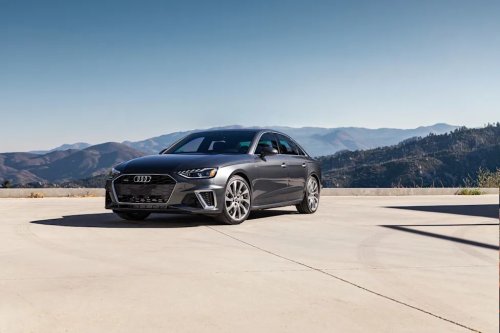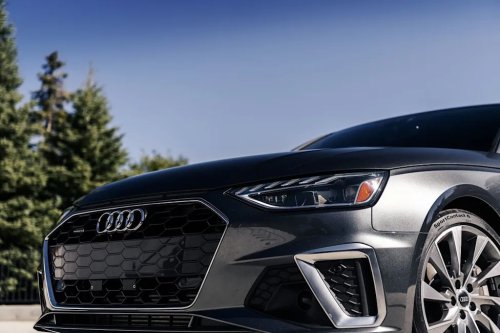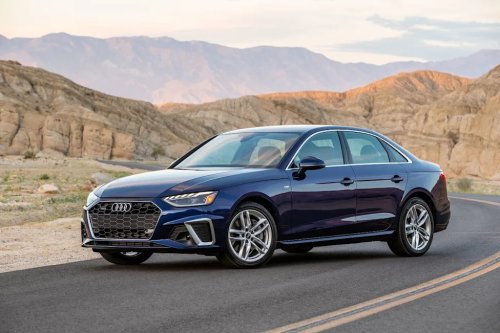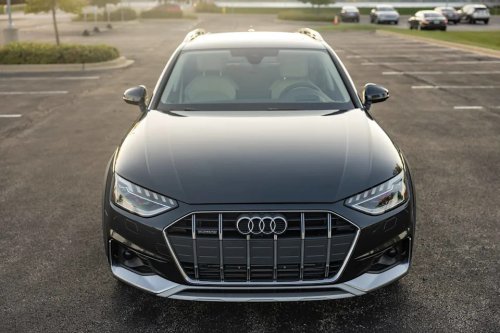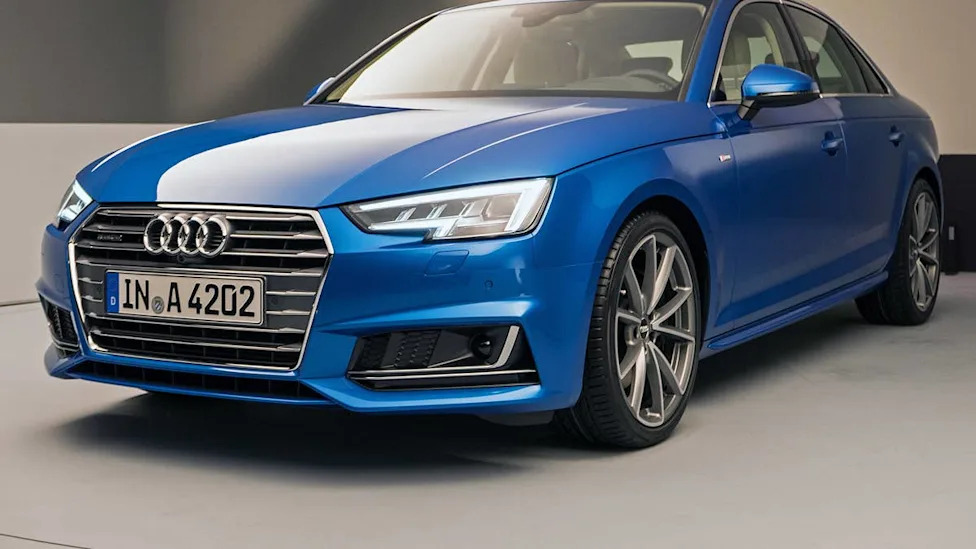
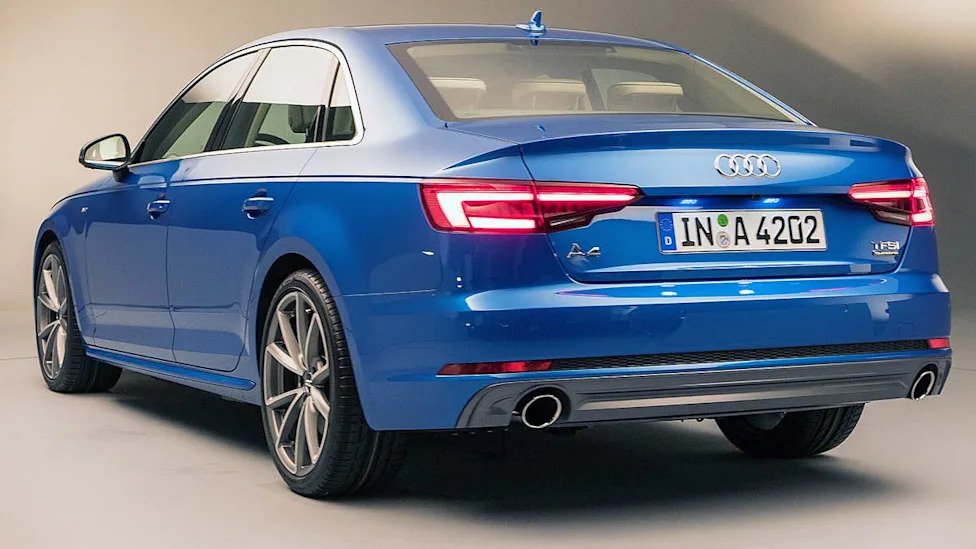
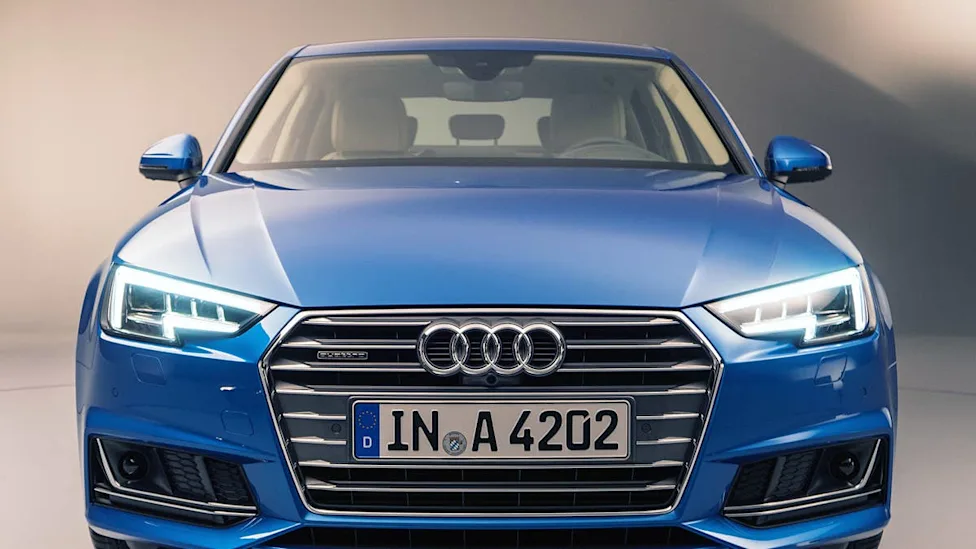



















Autoblog and Yahoo may earn commission from links in this article.German luxury sedans and long-term reliability are not concepts that typically share a sentence. Both the 3 Series and the A4 were riding out mature platforms in 2018, the 3 Series in the final year of its sixth generation and the A4 in the second year of its current architecture, which should work in their favor. But mature or not, these are complex machines with turbocharged engines, sophisticated electronics, and repair bills that aren't cheap. The real question for a used buyer is not whether either car will need work. It will. The question is which one will need less of it, and which one will hurt your wallet less when it does.Reliability ratings at a glanceOn average, the 3 Series scores a 65 out of 100 for reliability, placing it on the lower end of its class. Annual repair costs for the model run about $773, and the BMW brand as a whole averages $968 per year across all models, ranking it 30th out of 32 car brands. A major survey rates the 2018 model as less reliable than other cars from the same model year, with in-car electronics, engine concerns, and fuel system complaints topping the trouble list. None of this is shocking for a BMW, but it is worth acknowledging: this is a car you buy for the driving experience, not for worry-free ownership.2018 Audi A4Nelson IresonOn average, the A4 earns a 3.5 out of 5.0 reliability rating in front-wheel-drive form, ranking it 14th among 31 luxury midsize cars. Annual repair costs come in at $739, slightly below the 3 Series and right at the segment average. Opt for the Quattro all-wheel-drive version, however, and that figure jumps to $925 with a lower 3.0 out of 5.0 rating, a meaningful penalty for the added mechanical complexity. A major survey also rates the 2018 A4 as less reliable than its model-year peers, with electrical system glitches and infotainment malfunctions being the most frequent complaints. Both cars are below average for reliability; the A4 just clears the bar by a slightly wider margin.Recalls and owner complaintsFive NHTSA recalls apply to the 2018 3 Series, though several are narrow in scope. The most significant targets diesel-equipped models (328d) where the exhaust gas recirculation cooler can leak coolant that mixes with soot, potentially melting the intake manifold, a dramatic failure that BMW addressed with cooler replacements and manifold inspections. Other recalls cover more routine items. Total complaint volume is moderate, with engine, electrical system, and fuel-related issues accounting for the majority of reports. For a car with this much technology packed under the hood and behind the dashboard, the recall sheet is busier than ideal but not catastrophic.AdvertisementAdvertisementFour NHTSA recalls affect the 2018 A4, and they lean toward safety system concerns rather than powertrain drama. One recall addresses the passenger airbag occupant classification system, which can erroneously disable the airbag. Another covers a seat heating mat connector that can overheat. Owner complaints are modest in number, with electrical accessories, climate system quirks, and the occasional transmission hesitation making up the common gripes. Compared to the 3 Series, the A4's complaint profile is a touch quieter, which tracks with Audi's slightly better overall reliability scores for this generation. Neither car is recall-free, but the A4's issues tend to be less mechanically alarming.2018 Audi A4Nelson IresonWhat breaks, what lasts, and what it costsLiving with a 2018 3 Series long-term means budgeting for the realities of German engineering. Oil leaks from the valve cover gasket are common after 60,000 miles. The blower motor fan resistor is a known failure point. Turbocharger issues, while not universal, have been reported. Parts and labor are expensive across the board, and independent specialists typically charge less than dealers but still command premium rates. A 15% probability of any given repair being severe adds a degree of financial unpredictability that mainstream sedans simply do not carry. That said, the 330i's 2.0-liter turbo four and eight-speed automatic are fundamentally solid units that can last well past 100,000 miles with attentive maintenance.Keeping an A4 running long-term follows a similar script with a slightly different cast of characters. The 2.0-liter turbocharged four-cylinder and seven-speed dual-clutch transmission are capable and generally reliable, though the dual-clutch unit can develop low-speed shuddering if the mechatronic unit wears. Electrical gremlins, particularly in the MMI infotainment system, are the A4's signature annoyance. On the upside, Audi's repair frequency and severity are both closer to average than BMW's, which means fewer surprise visits and slightly smaller bills when they happen. Neither car is cheap to maintain, but the A4 asks for roughly $30 to $40 less per year in the base model, a small but consistent advantage that compounds over time.2018 Audi A4Nelson IresonRepairs on each are squarely on your tabBoth the 3 Series and the A4 came with a four-year, 50,000-mile limited warranty and no separate powertrain warranty. On a 2018 model, that coverage expired years ago, leaving every future repair squarely on your tab. If you are buying either car today with 60,000 to 90,000 miles and planning to keep it for another three years, expect to spend at least $2,200 to $2,300 on maintenance and repairs over that stretch for the A4, and closer to $2,300 to $2,500 for the 3 Series. An extended warranty or prepaid maintenance plan is worth serious consideration for either car. Average used prices for a 2018 330i currently sit between $13,000 and $15,000, while a comparable A4 ranges from $13,000 to $18,000 depending on whether it is front-wheel or all-wheel drive.The bottom lineSo which one is more reliable? By a slim margin, it is the A4, at least in front-wheel-drive form. Lower annual repair costs, a slightly higher reliability rating, and a quieter complaint record give it the edge in a matchup where neither car is truly dependable by mainstream standards. Opt for the Quattro all-wheel-drive system and that advantage narrows considerably, as repair costs jump and the reliability rating drops.AdvertisementAdvertisementThis story was originally published by Autoblog on Jun 22, 2026, where it first appeared in the Car Buying section. Add Autoblog as a Preferred Source by clicking here.