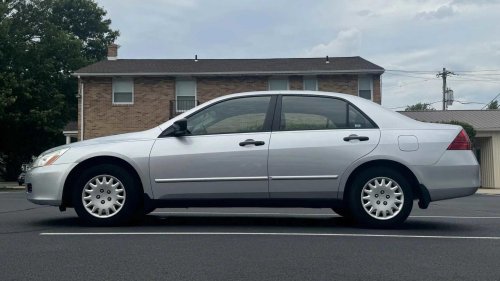
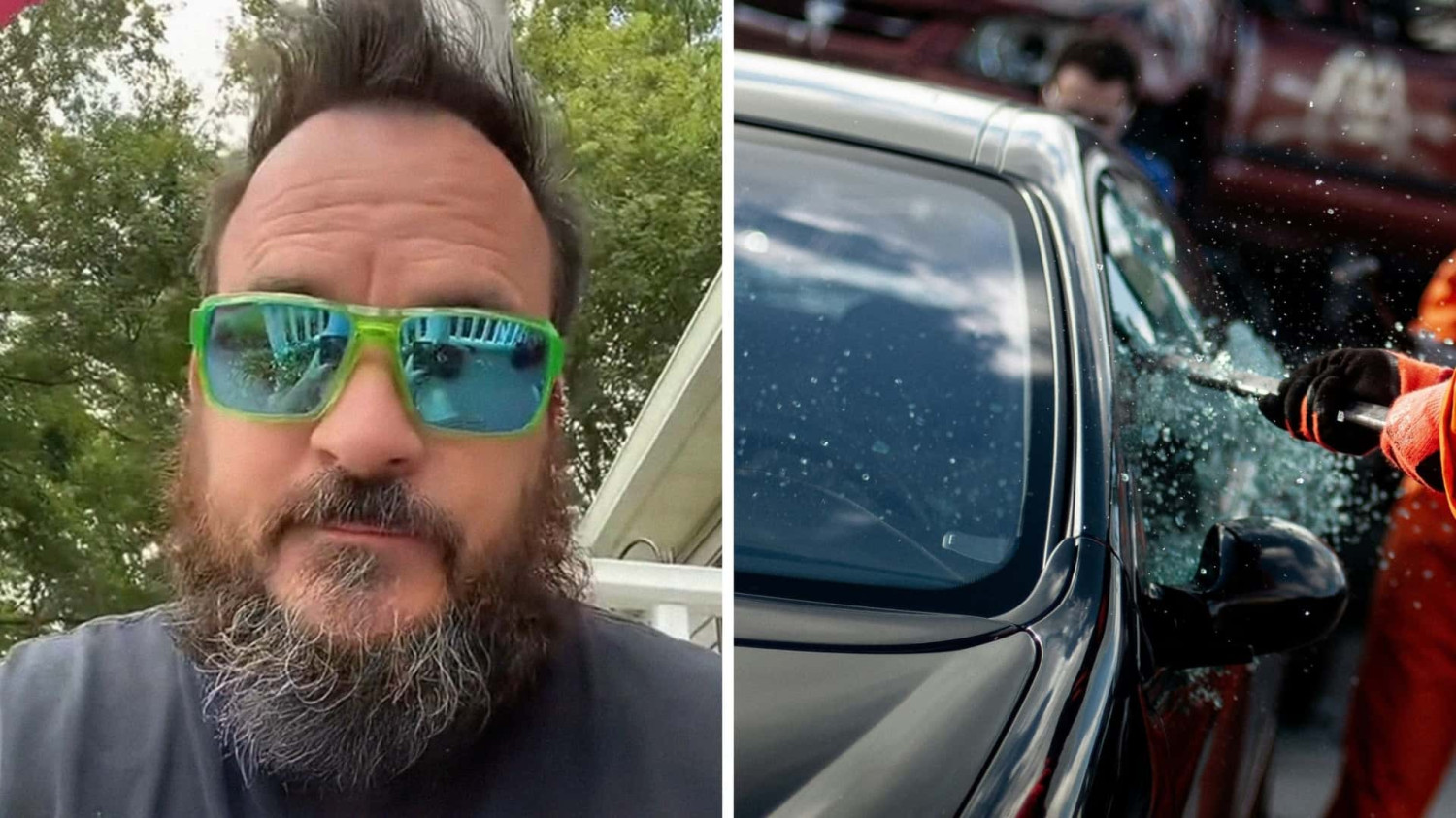
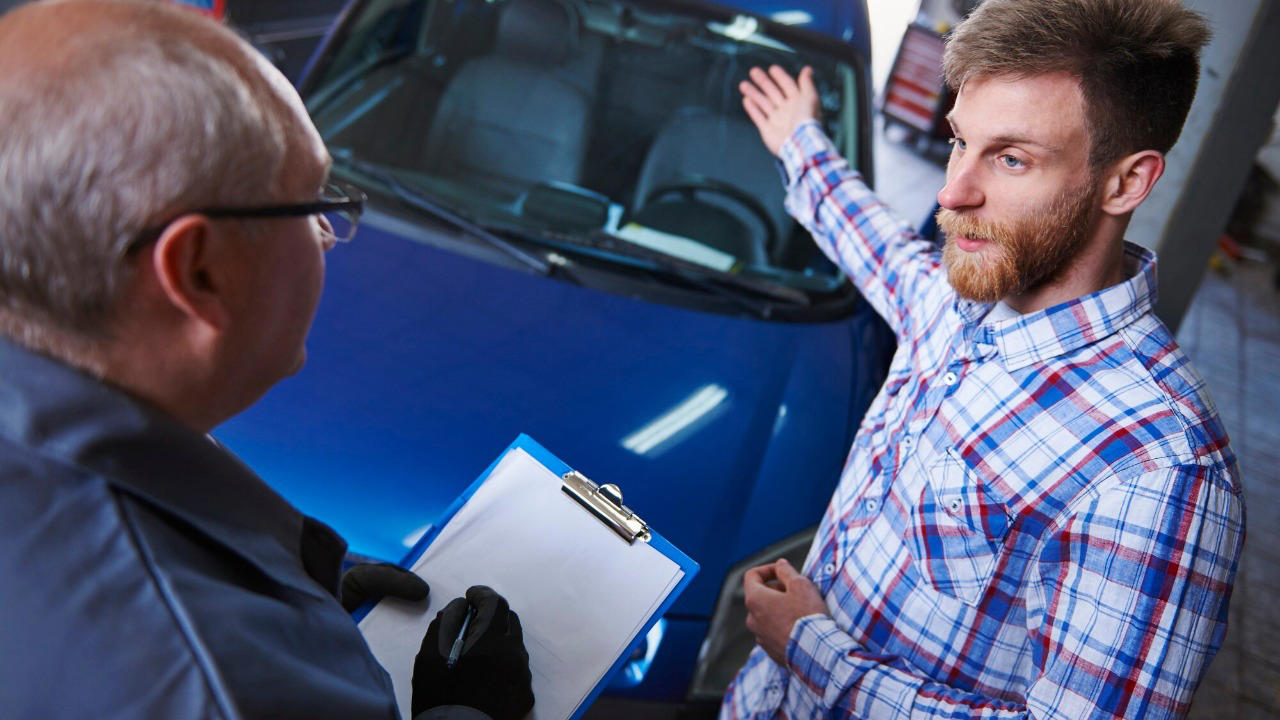
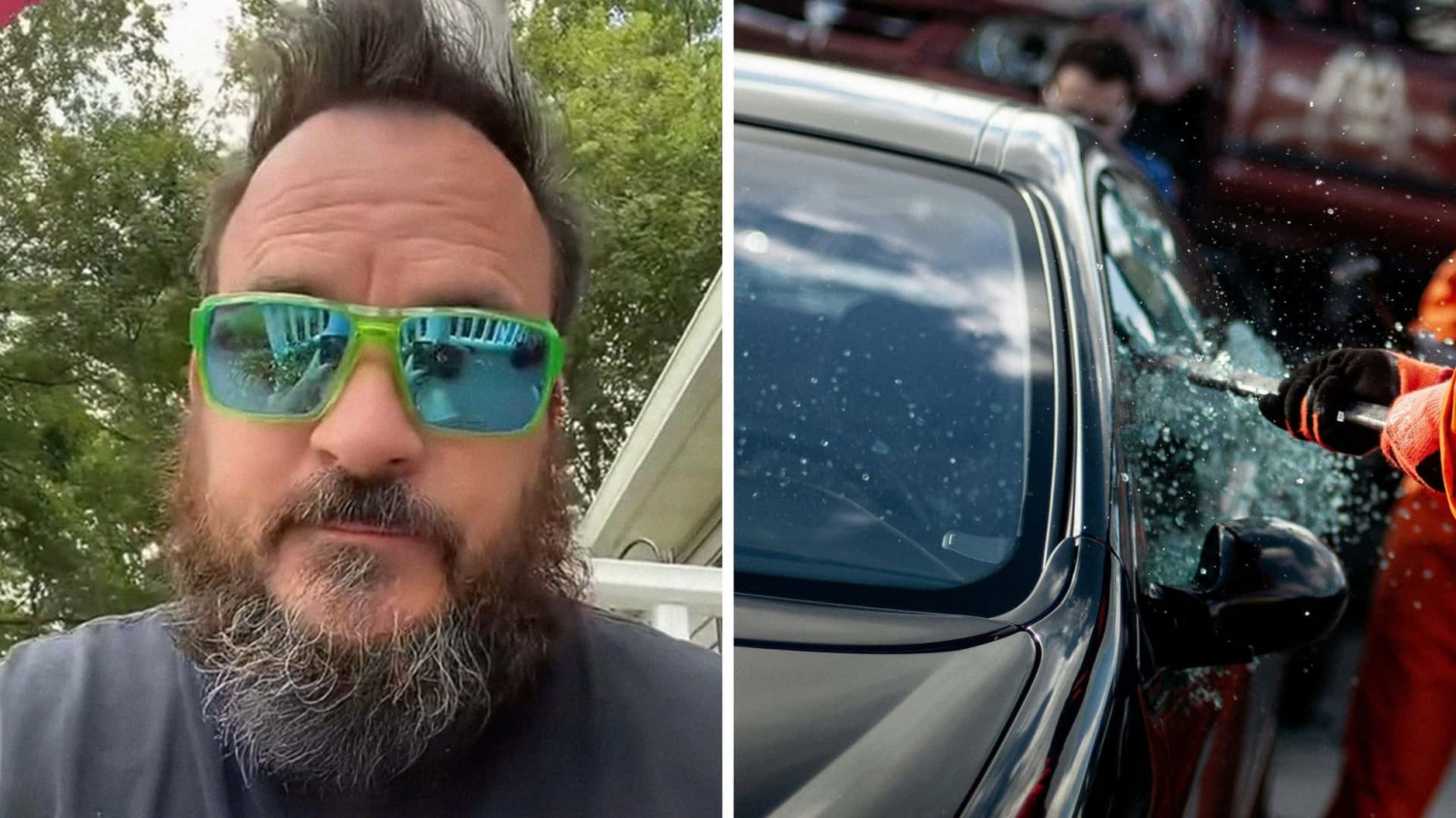
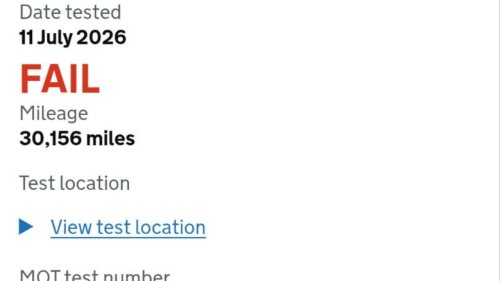
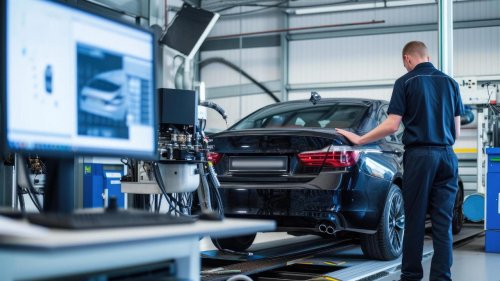
Owner says his car failed inspection over a factory window tintWhen Mark Ellison pulled into his local inspection station last week, he expected the usual routine: lights checked, brakes tested, paperwork stamped, and out the door. Instead, he says he left with a failing mark—and a surprisingly stubborn problem. The reason, according to Ellison, was his window tint. That wouldn’t be unusual on its own, except for one detail he can’t get past: he says the tint came from the factory. “I didn’t add anything,” he told friends afterward. “It’s the same glass the car came with, and now it’s suddenly not okay?” A routine inspection that took a sharp turn Ellison drives a late-model sedan he bought used last year, complete with what he assumed was standard equipment. During the inspection, he says the technician used a tint meter on the front side windows and told him the light transmission was below the state’s legal limit. The station marked it as a fail, and Ellison was sent home with a list of items to correct—starting with the tint. “The wild part is they weren’t accusing me of anything,” Ellison said. “It was more like, ‘This is what the meter says, so it fails.’” He left confused, then annoyed, and then curious enough to start calling around to figure out what “factory tint” actually means in the eyes of an inspection rulebook. Factory tint vs. aftermarket tint: the confusion is real Plenty of drivers use “factory tint” as a catch-all phrase, but it can mean a few different things. Many vehicles come with darker glass on rear windows from the manufacturer, but front side windows are usually kept lighter to meet widespread visibility and safety standards. That’s where people get tripped up—what feels “standard” might still be illegal in a specific state, or it might not be factory at all. There’s also a difference between tinted glass and tint film. Tinted glass is colored during manufacturing, while tint film is a layer applied to the inside of the window after the car is built. If a prior owner added film and it looks clean and uniform, it can easily pass as factory equipment until someone puts a meter on it. Why inspections often come down to a tiny device Tint enforcement usually hinges on one tool: a visible light transmission (VLT) meter. It measures how much light passes through the glass, expressed as a percentage. The lower the number, the darker the window appears from the outside. Even if a window looks only mildly shaded, a meter can reveal it’s below the legal threshold. And it’s not just the tint film that matters—factory glass may already block some light, so adding even a light film can push it past the limit. That’s why two cars with “the same tint” can measure differently, and why inspection techs often stick to the numbers rather than debating what’s original. “But it came like this”: what drivers say, and what rules say Ellison’s frustration is a familiar one. Drivers often assume anything installed by a manufacturer must automatically be legal everywhere. In reality, manufacturers build cars to meet broad federal standards, while window tint rules are typically set by states—and they vary a lot. That leaves a weird gap where a car can be sold with certain glass, moved across state lines, and suddenly fail an inspection. Add in used-car history, dealership-installed add-ons, and the occasional “courtesy tint” thrown in at purchase time, and you’ve got a recipe for honest confusion. Ellison summed it up simply: “If it’s not legal here, I just wish someone told me before I bought it.” What could’ve happened to this car? There are a few realistic explanations for Ellison’s situation, and none require a grand conspiracy or a rogue inspection shop. One possibility is that a previous owner added tint film, and Ellison never noticed the edge or felt the difference on the inside of the glass. Another is that the dealership (or a third-party vendor) applied tint before sale, which is common in some areas and sometimes described as “factory-style.” It’s also possible the reading was affected by the meter’s calibration, the way it was placed, or even the specific window being tested. Most reputable stations follow a standard process, but like any measurement device, errors can happen. If the result was close to the legal cutoff, a small difference could flip a pass into a fail. How to tell if your windows have film If you’re wondering whether your “factory tint” is actually film, there are a few low-tech checks that can help. Look closely along the edges of the window from the inside—film sometimes leaves a faint border or a slightly different texture near the seal. Another hint is wear: tiny scratches, bubbling, or a bit of peeling at a corner usually means film. You can also check for markings on the glass itself. Many windows have small etched labels that indicate the glass type and sometimes a general tint rating, though it won’t always translate directly into what an inspection meter reads. If you want certainty, a tint shop can usually test VLT in a minute or two and tell you whether there’s film present. What Ellison can do next (and what other drivers can learn) Ellison says he’s considering two next steps: getting an independent tint reading and asking the inspection station for details about the measurement. In many places, a re-test is allowed after you correct the issue, but the “correction” might be as simple—and as annoying—as removing film from the front windows. If it truly is tinted glass from the factory and it’s still reading too dark, his options may be narrower. For other drivers, the takeaway is less about blame and more about avoiding a surprise. If you’ve just bought a used car, especially one with darker front windows, it’s worth getting the tint measured before inspection time. It’s a quick check that can save you from paying for an inspection twice and spending a weekend scraping film you didn’t even know you had. The bigger picture: tint is personal, but the rules are picky Window tint sits right at the intersection of comfort, style, and safety. People like it for glare reduction, cooler interiors, and privacy, and honestly, it can make a car look sharper. But inspection rules are usually written with visibility in mind—both for the driver at night and for others (including law enforcement) being able to see into the vehicle. That’s why a station may have zero flexibility even if the tint seems reasonable. If the law says a certain VLT percentage is the minimum, the meter is the meter. Ellison’s story is a reminder that “it came this way” doesn’t always translate into “it’ll pass here,” even if that feels completely backwards at first. As Ellison put it, half-laughing after a day of phone calls: “I thought I was showing up for a 15-minute sticker. Now I’m learning the science of glass.” More from Fast Lane Only Unboxing the WWII Jeep in a Crate 15 rare Chevys collectors are quietly buying 10 underrated V8s still worth hunting down Police notice this before you even roll window down



















 +10 others