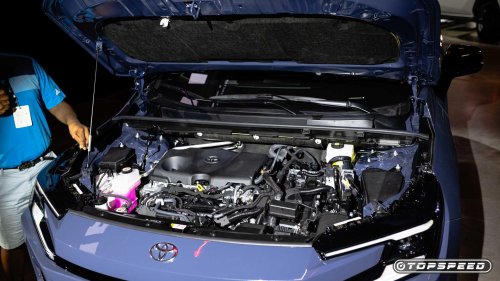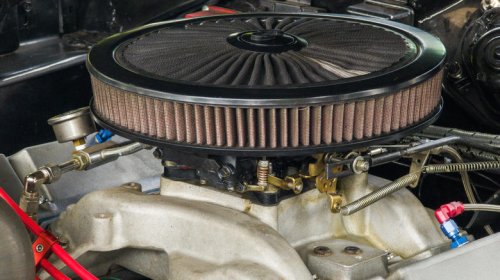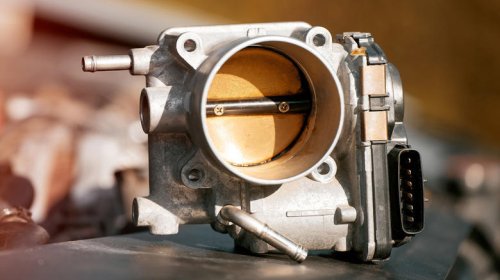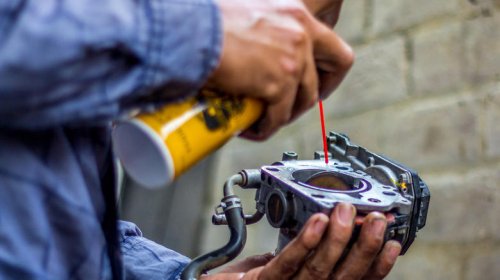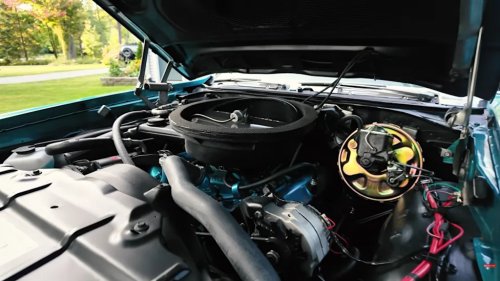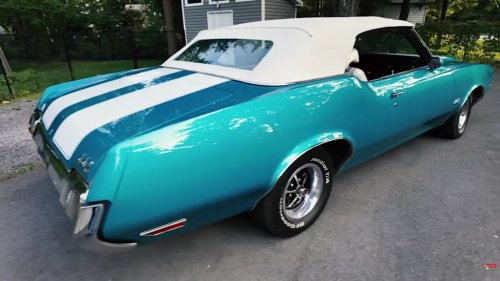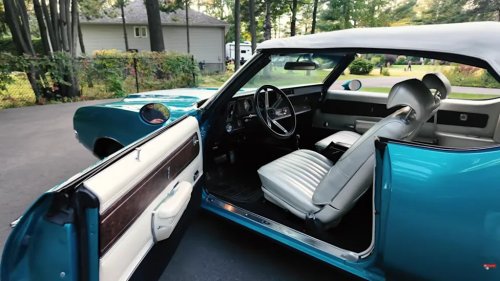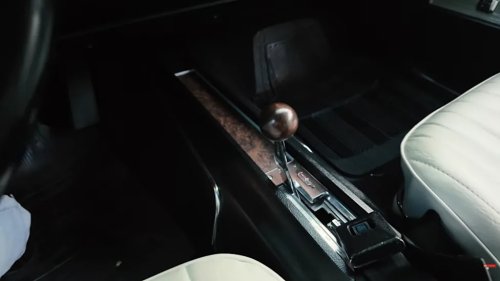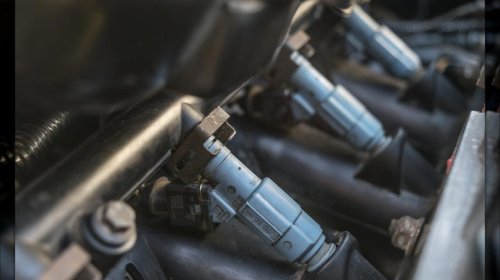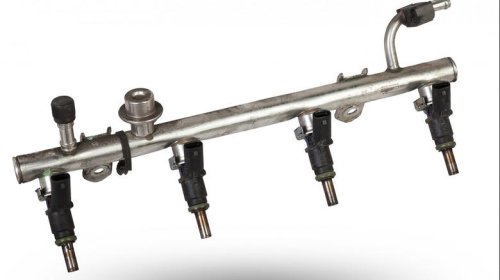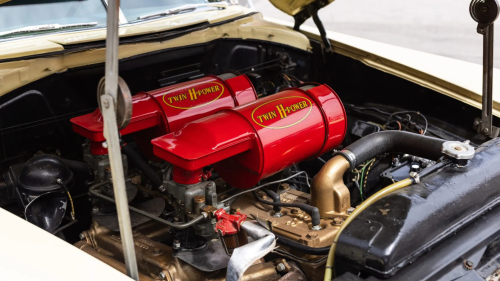



















Man says his son wants to replace the carburetor with fuel injection leaving him torn about originalityA father with a well-loved classic car says his son has pitched a plan that’s equal parts practical and emotionally complicated: swap the old carburetor for modern fuel injection. The son calls it “making it reliable.” The dad hears it as “changing what makes it special,” and now he’s stuck in that familiar place where nostalgia and common sense start arguing in the driveway. It’s not a rare family debate, especially among people who grew up tuning engines by ear and feel. But it’s a little more personal when the car isn’t just a machine—it’s also a memory bank on four wheels. And for many classic owners, the carburetor isn’t just a part; it’s a piece of identity. A weekend car meets weekday expectations The father describes the vehicle as a “keeper,” the kind you don’t sell because it’s been around for too many milestones. It starts most days, behaves on warm afternoons, and has a personality when the weather turns. His son, meanwhile, sees the pattern: a couple extra cranks, a bit of hesitation, maybe a stall at the worst possible moment—like a gas station with an audience. Fuel injection, the son argues, would make those quirks disappear. Turn the key, it fires up. No pumping the pedal, no guessing whether it wants more choke, no “it’ll smooth out once it warms up,” said like a promise you’re hoping the car will keep. Why carburetors still feel like the “real” thing To the dad, the carburetor is part of the whole experience. The smell of a slightly rich cold start, the familiar rhythm of adjusting idle speed, the satisfaction of getting it dialed in just right—these aren’t inconveniences, they’re rituals. It’s a hands-on relationship, and that’s exactly what he likes about it. There’s also the originality factor, which classic owners often treat the way homeowners treat old hardwood floors: sure, newer options exist, but the original has character you can’t buy at a store. Even if the car isn’t a concours museum piece, keeping it period-correct can feel like honoring the time it came from. In that light, swapping to fuel injection can feel like trading a vinyl record for a playlist—cleaner, easier, and somehow less tactile. What fuel injection actually changes Modern fuel injection kits for older engines typically replace the carburetor with a throttle-body or multi-port setup, plus sensors and an electronic control unit. That means the engine can adjust fueling based on temperature, altitude, and driving conditions without you doing anything. It also tends to improve cold starts, reduce fuel smell, and smooth out drivability in stop-and-go traffic. But the change isn’t always as simple as “bolt on and forget.” Many setups require a high-pressure fuel pump, new fuel lines or a return line, wiring, and a bit of tuning—sometimes with a laptop, which can be thrilling or annoying depending on your personality. And once electronics enter the chat, roadside troubleshooting can go from “tap the bowl and try again” to “do we have spark, signal, and a good ground?” The money question: reliability isn’t free The family’s debate also has a price tag attached. A quality fuel injection system, installed properly, can cost anywhere from “a few weekends of savings” to “we’re not talking about this in front of your mother.” Even do-it-yourself installs often lead to extra purchases—fittings, filters, sensors, a better alternator, maybe a new distributor to match the system. On the other hand, a carb rebuild and proper tune isn’t free either, especially if the underlying problem is worn linkages, vacuum leaks, or an ignition system that’s been ignored for years. Sometimes people blame the carb when the real culprit is timing, weak spark, or old fuel lines. In those cases, throwing fuel injection at the problem can feel like buying new shoes because you don’t want to tie your laces. Originality vs. drivability: the collector angle Part of what’s haunting the dad is future value, even if he’s not planning to sell. In many classic markets, originality matters, and a visible modification can make purists hesitate. A carburetor that matches the era is like a stamp of authenticity—buyers may pay for that reassurance. Still, not every car lives in the same lane. A driver-grade classic that gets used often can benefit from upgrades, and some buyers actually prefer them if they’re done cleanly. The trick is reversibility: if the original parts are kept, documented, and stored properly, the car can often be returned to stock later. That “we can always go back” idea is sometimes the peace treaty that lets families stop arguing and start wrenching. A generational tug-of-war under the hood Underneath the technical talk is something more human. The dad’s pride is tied to knowing how to keep an older machine alive, and carb tuning is one of those skills you can’t fake. The son’s pride is tied to making things work consistently, and to him, computers and sensors aren’t scary—they’re tools. There’s a quiet compliment hiding in the son’s suggestion, too: he wants the car to be usable, not just admired. He’s not saying the old way is bad; he’s saying he wants to drive it without anxiety. The dad, meanwhile, isn’t resisting progress so much as protecting a connection—because once you modernize everything, you can’t always get the feeling back. Compromise options people are actually using Friends of the family have suggested a middle path: keep the carb, but make the supporting systems strong. That can mean a proper ignition upgrade, fresh vacuum lines, heat management, and a careful tune with a wideband oxygen sensor used temporarily for dialing in. If the car then starts reliably and runs clean, the son gets the confidence he wants without rewriting the car’s character. Others recommend choosing a fuel injection setup that looks period-friendly or hides modern pieces as much as possible. Some throttle-body units resemble a carb at a glance, especially when paired with an old-school air cleaner. It’s not truly original, but it can be “quietly modern,” like wearing sneakers under a suit. What they’re deciding now The father says he hasn’t shut the idea down, but he’s asked for time and a plan. He wants to know what parts would be changed, what would be permanent, and whether the original carb and intake can be saved and labeled for later. His son, for his part, is gathering prices and videos, already picturing a first-start moment that doesn’t involve pleading with the throttle. For now, the car still runs on its carburetor, and the garage conversations have become part of the hobby. It’s not just about fuel delivery—it’s about what kind of story the car will tell next. And like most family debates over old machines, the answer probably won’t be purely mechanical; it’ll be whatever keeps the keys getting passed down. More from Fast Lane Only Unboxing the WWII Jeep in a Crate 15 rare Chevys collectors are quietly buying 10 underrated V8s still worth hunting down Police notice this before you even roll window down The post Man says his son wants to replace the carburetor with fuel injection leaving him torn about originality appeared first on FAST LANE ONLY.