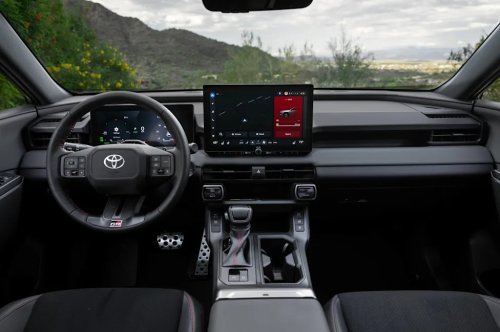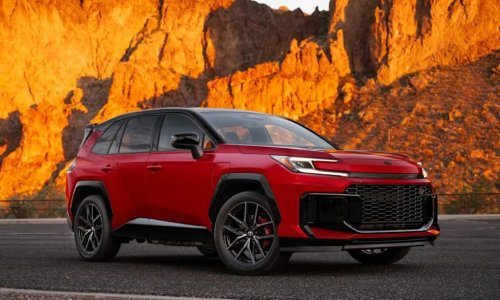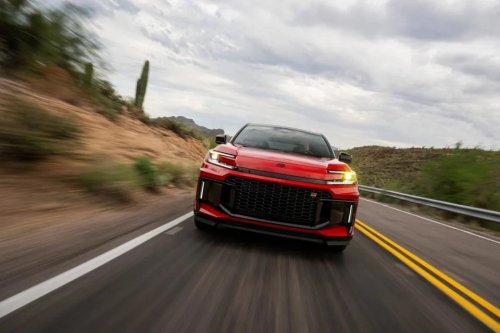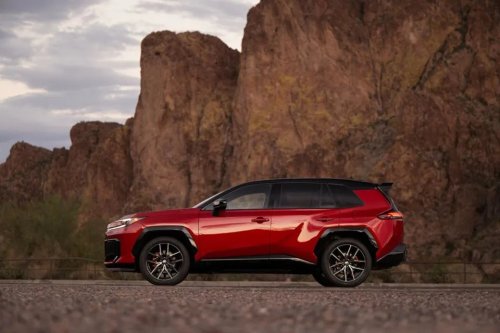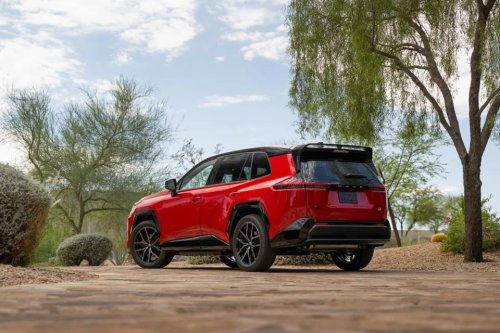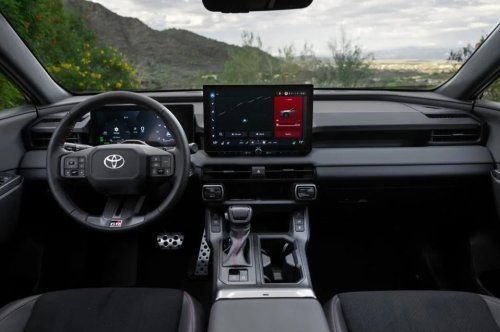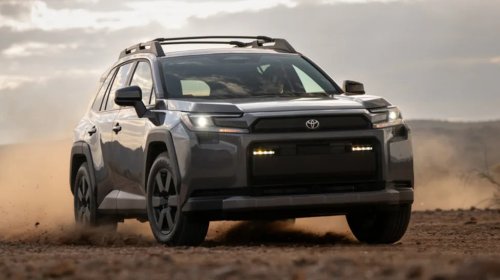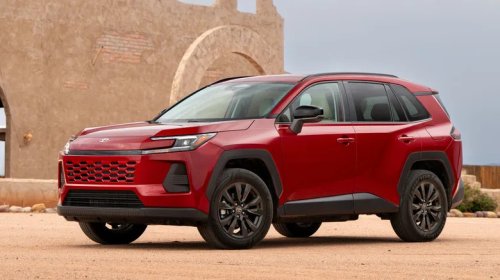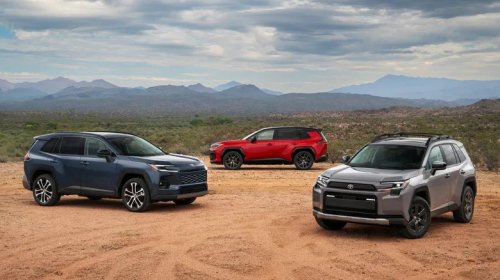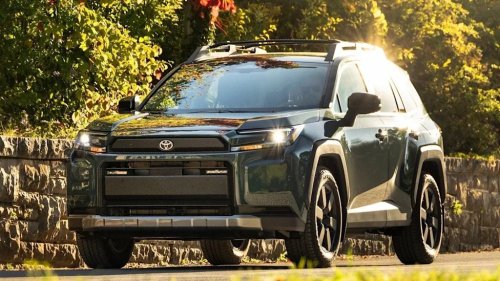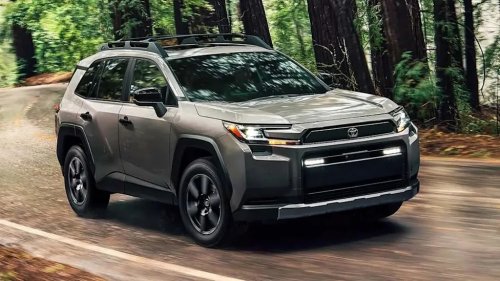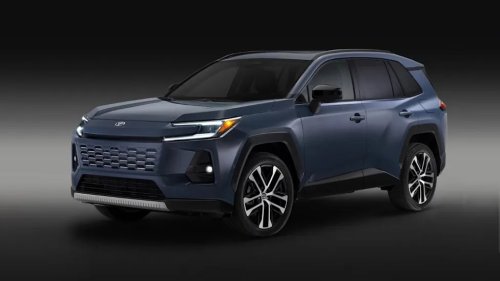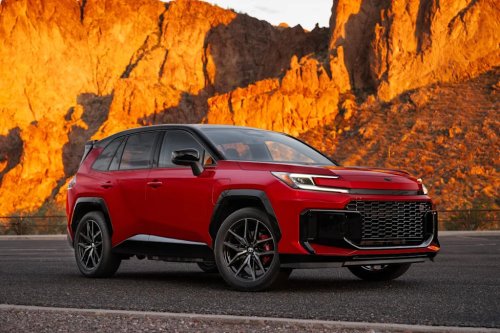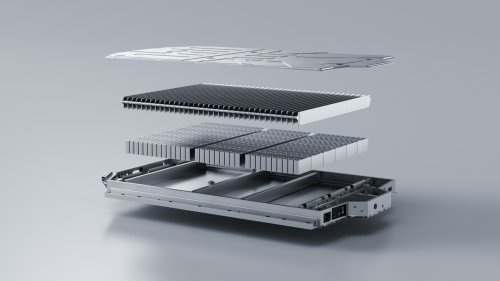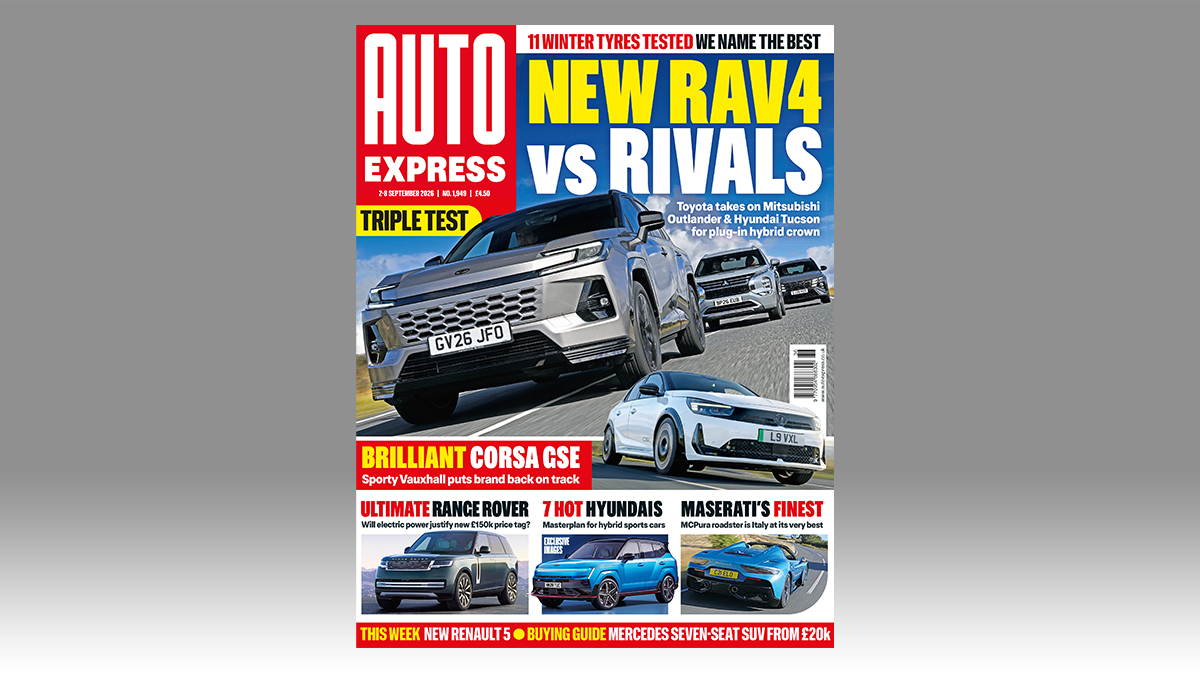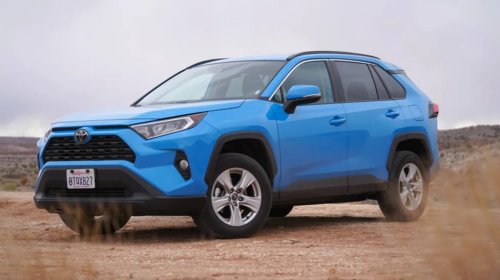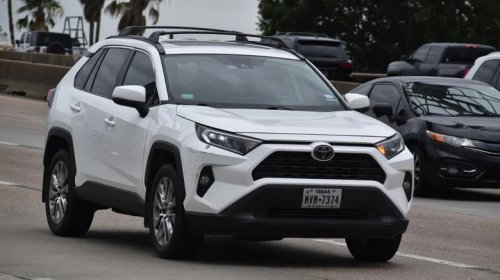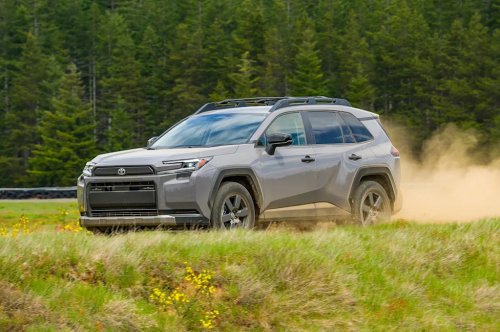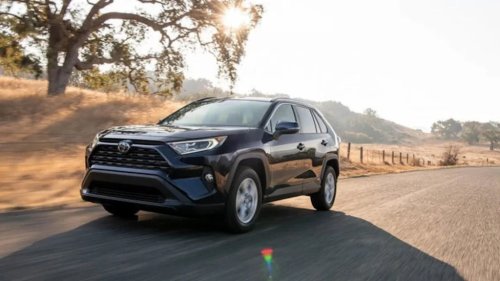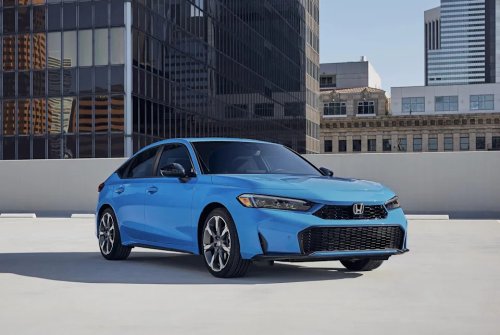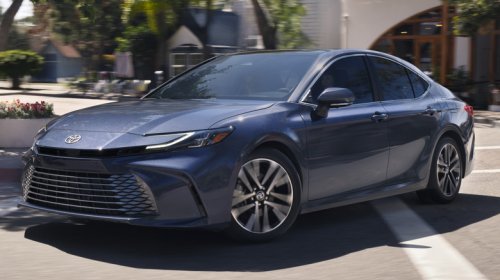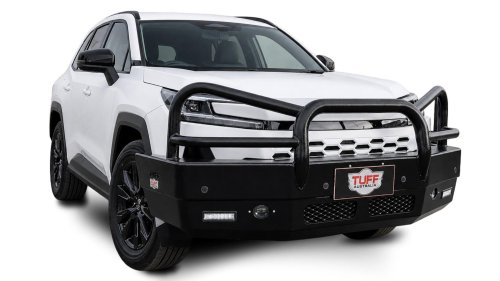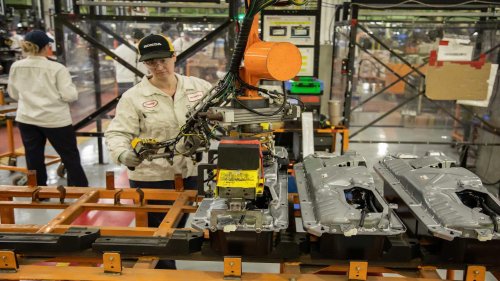
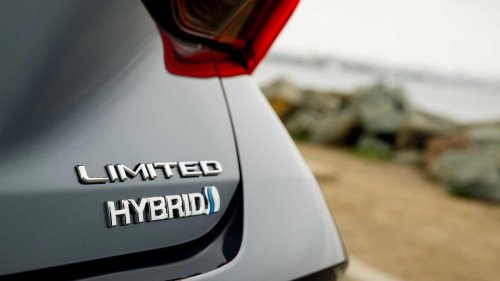
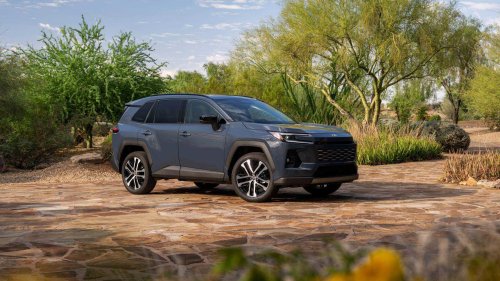
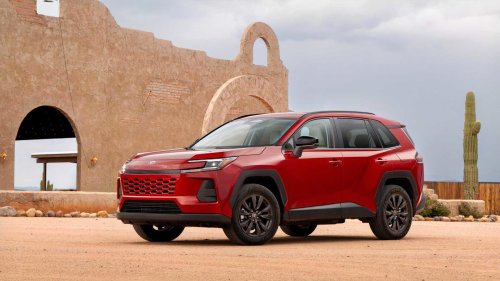
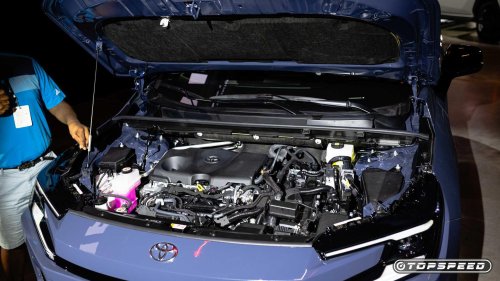
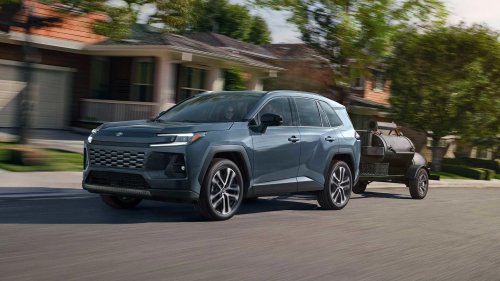
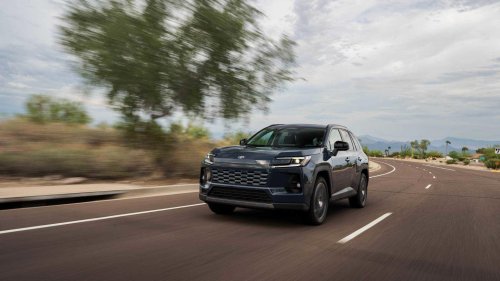
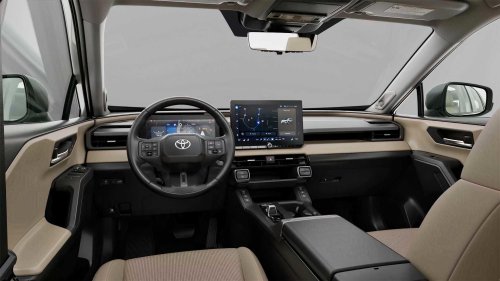



















Now that hybrid car demand is soaring to new heights in 2026, there are a lot of consumers asking what they can expect from these vehicle types over an extended ownership period. Hybrids are typically more reliable than conventional ICEs, because manufacturers fit them with more durable engines. The electric motor shares driving load, reducing stress on the ICE. This means that the powertrain experiences less stress, which leads to improved longevity. The electrical system in your typical HEV is powered by compact lithium-ion or nickel-metal hydride battery packs with much lower capacities compared to PHEVs or fully electric vehicles, which is why hybrids can't operate on electricity alone.Despite their improved reliability, HEVs are still subject to wear, with the battery pack being the most expensive component that you'll find yourself replacing, typically after 200,000 miles. An advantage of modern hybrids is that the replacement battery technology is substantially more affordable compared to when these hybrids first arrived on the U.S. market. This remains true, even if you factor inflation into the equation. Most brands that have focused on full electrification these past few years have incorporated their battery technology down into their hybrids, resulting in better efficiency, reliability, and combined performance. If you are in possession of a hybrid and have surpassed the 200,000-mile threshold, these are some issues that you may encounter. Your Hybrid's Battery Will Come To An End Honda A hybrid vehicle's battery capacity gradually declines due to a combination of chemical degradation and usage patterns. This degradation is completely dependent on the vehicle and how much it has been driven, but the symptoms will remain the same across the segment. With time and use, the lithium-ion or nickel-metal hydride cells within the battery pack experience wear as a result of repeated charging and discharging cycles. This causes the electrodes to deteriorate and the electrolyte to break down. Factors like high temperatures, rapid acceleration, and frequent deep discharges accelerate this process.An HEV's battery management system plays a role in regulating voltage and temperature, but as the cells age, this system becomes less effective at balancing the charge between individual cells, leading to uneven wear. After 200,000 miles, a hybrid battery typically loses between 20 and 30 percent of its original capacity, depending on driving habits and environmental conditions. Toyota Remains The Leader In Hybrid Technology Toyota When it comes to gasoline-hybrid technology, it's very difficult not to think about the Toyota brand first. While Honda technically was the first company to introduce the technology with the first-generation Insight, Toyota led the way for the technology's development. The Japanese brand has always maintained a high level of commitment to hybrids, led by the Prius, but popularized by models like the Corolla, Camry, and RAV4.Toyota's philosophy has always been to incorporate multiple fueling methods, including hydrogen, diesel, and electricity. Hybrid models have increasingly become the driving force of its modern catalog, with the 2026 Toyota RAV4 and Camry being available exclusively with its new-generation HEV drivetrains. Toyota backs its technology with a comprehensive warranty that covers all hybrid components for eight years and the battery for 10 years. Consumers recognize the brand's dedication to the more efficient drivetrain technology and have responded favorably. Over the last few quarters, the brand has reported considerable interest in its hybrid models, and more car owners seek to lower their monthly fuel bill. Hybrid Battery Replacement Costs Are A Tricky Subject Toyota According to Toyota, you can expect to pay anywhere between $3,000 and $8,000 to have a new 0.9-kWh lithium-ion battery pack installed in your 2026 RAV4 Hybrid. If you opt for a refurbished pack, this lowers the price to anywhere between $1,500 and $3,500, but these will be slightly less reliable and suffer from a shorter lifespan.Several symptoms will start to present themselves when your RAV4 Hybrid's hybrid battery reaches the end of its lifespan. This will negatively affect its performance and efficiency. The first thing you're sure to notice is a significant fuel economy drop, as the hybrid system heavily relies on this part to alleviate consumption from the ICE system. When this occurs, you'll also be subject to inconsistent or reduced acceleration due to the diminished power output from the hybrid battery. Toyota's Warranty Has You Covered Toyota The 2026 Toyota RAV4 comes with a comprehensive warranty and maintenance package designed for long-term reliability. Every new model includes a three-year and 36,000-mile basic bumper-to-bumper warranty and a five-year and 60,000-mile powertrain warranty. Because the RAV4 lineup is exclusively hybrid, Toyota provides an industry-leading 10-year and 150,000-mile hybrid battery warranty, alongside an eight-year and 100,000-mile warranty for hybrid system components like the inverter and control modules. Reducing initial ownership costs is Toyota's standard ToyotaCare, which covers factory-scheduled maintenance for two years or 25,000 miles, plus two years of 24/7 roadside assistance.Maintenance intervals are typically every 5,000 miles for tire rotations and multipoint inspections, with synthetic oil changes and filter replacements required every 10,000 miles or 12 months. For those wanting extra protection, Toyota offers Vehicle Service Agreements in Platinum, Gold, and Powertrain tiers, extending coverage up to 10 years or 125,000 miles. These extended plans often feature a $0 deductible and are fully transferable to subsequent owners. Toyota's Trusty HEV Drivetrain Chris Chin | TopSpeed The 2026 Toyota RAV4 is only available with hybrid powertrains. The HEV lineup introduces Toyota’s fifth-generation hybrid system, which features an improved transaxle, battery, and power control components to refine performance. The all-wheel-drive model produces a combined 236 horsepower, while the front-wheel-drive model churns out 226 horsepower. Toyota also improves the towing capacity of some of the all-wheel-drive models, including the XLE, Woodland, SE, XSE, and Limited grades to 3,500 pounds. All front-wheel-drive and LE all-wheel-drive models can pull up to 1,750 pounds. Efficiency Estimates Are Among The Best Toyota According to the EPA, the front-wheel-drive model is the most efficient, achieving 49/42/45 MPG on the city/highway/combined cycle. Installing the optional all-wheel drive system worsens this result to 46/39/42 MPG, which is not too much of a sacrifice. The Woodland's larger tires and all-wheel-drive-only configuration achieve a 41/35/38 MPG result. The XSE's sporty wheel configuration changes the RAV4's consumption to 43/37/41 MPG. The RAV4 Excels At Reliability And Maintenance Costs ToyotaJ.D. Power'slatest valuation of the RAV4 consists of a reasonably positive overview, resulting in a 79/100 overall score. Joining this is a 78/100 score for the driving experience and 82/100 for resale, with a 77/100 grade for the dealership experience. iSeeCars backs this with an 8.7/10 reliability score, citing that it will benefit from a 13.8-year lifespan and cover 169,545 miles without any reliability issues. Expect a 29.1 percent probability of reaching 200,000 miles as well.According to CarEdge, the Toyota RAV4 will cost you $6,005 for maintenance and repairs during its first 10 years of service, which is to be expected considering its strong brand reputation, high consumer demand, and proven long-term reliability. According to Edmunds, you can expect to spend $45,506 over the course of five years and 60,000 miles on the base Toyota RAV4 LE. $5,672 accounts for maintenance, $887 for repairs, $11,709 for depreciation, and $9,464 for fuel. Toyota's Competitive Pricing Strategy Toyota Toyota has built a reputation for producing durable vehicles with low maintenance costs, which translates to higher resale values. The RAV4 benefits from Toyota's strong presence in the hybrid market, where it is recognized as a leader due to its early adoption of hybrid technology and consistent refinement of its models.Toyota kicks the 2026 RAV4 range off with the LE, starting at $31,900. Following this are the $34,700 SE, all-wheel-drive-only $39,900 Woodland, $36,100 XLE Premium, and the$41,300 XSE and $43,400 Limited, both of which are also all-wheel drive only. The PHEV range only consists of the SE and the XSE, priced at $44,815 and $48,685, respectively. Opting for the all-wheel drive system will see all relevant models becoming $1,400 more expensive.Sources: Toyota, Edmunds, CarEdge, iSeeCars, and the EPA