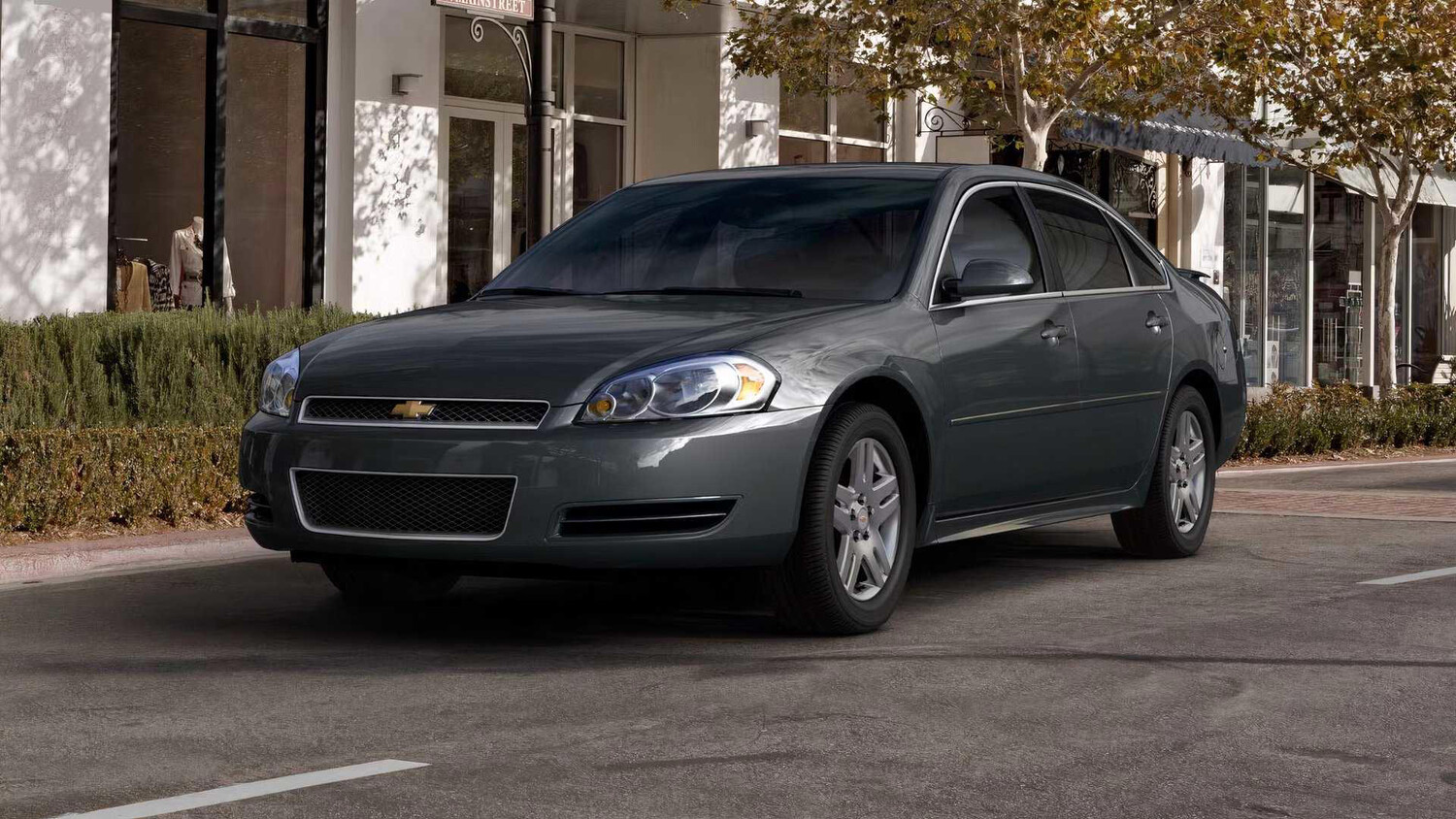
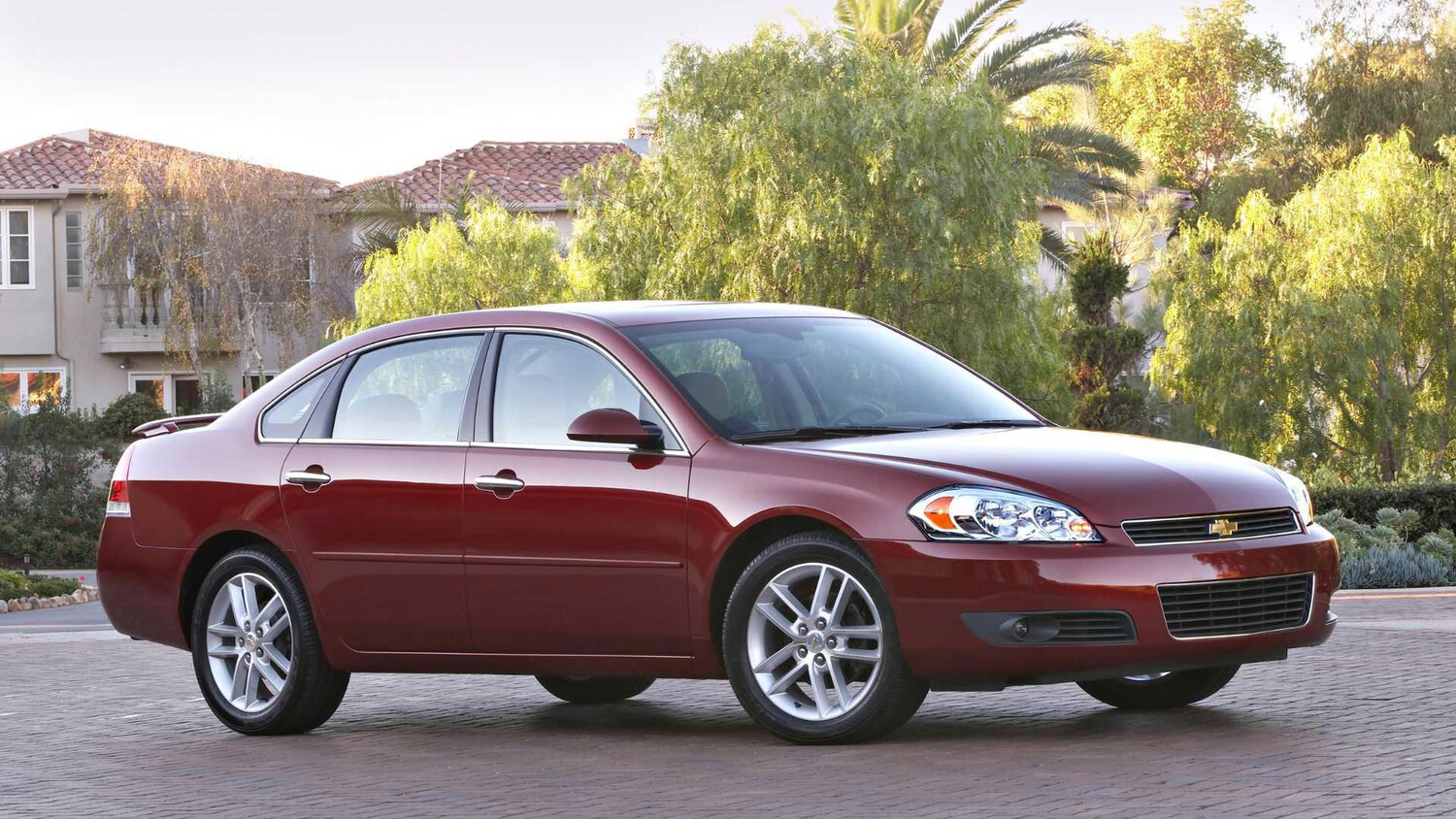
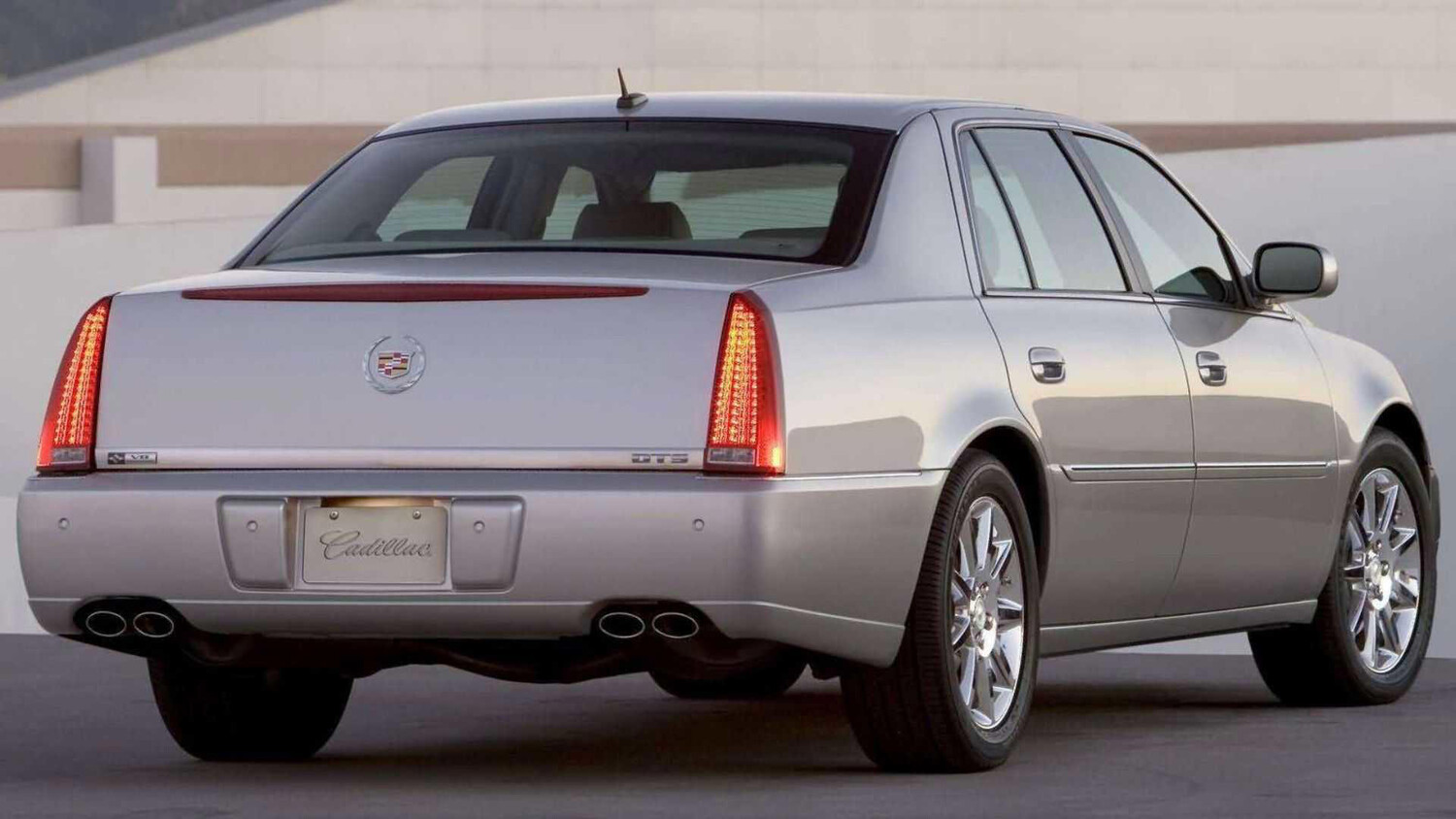
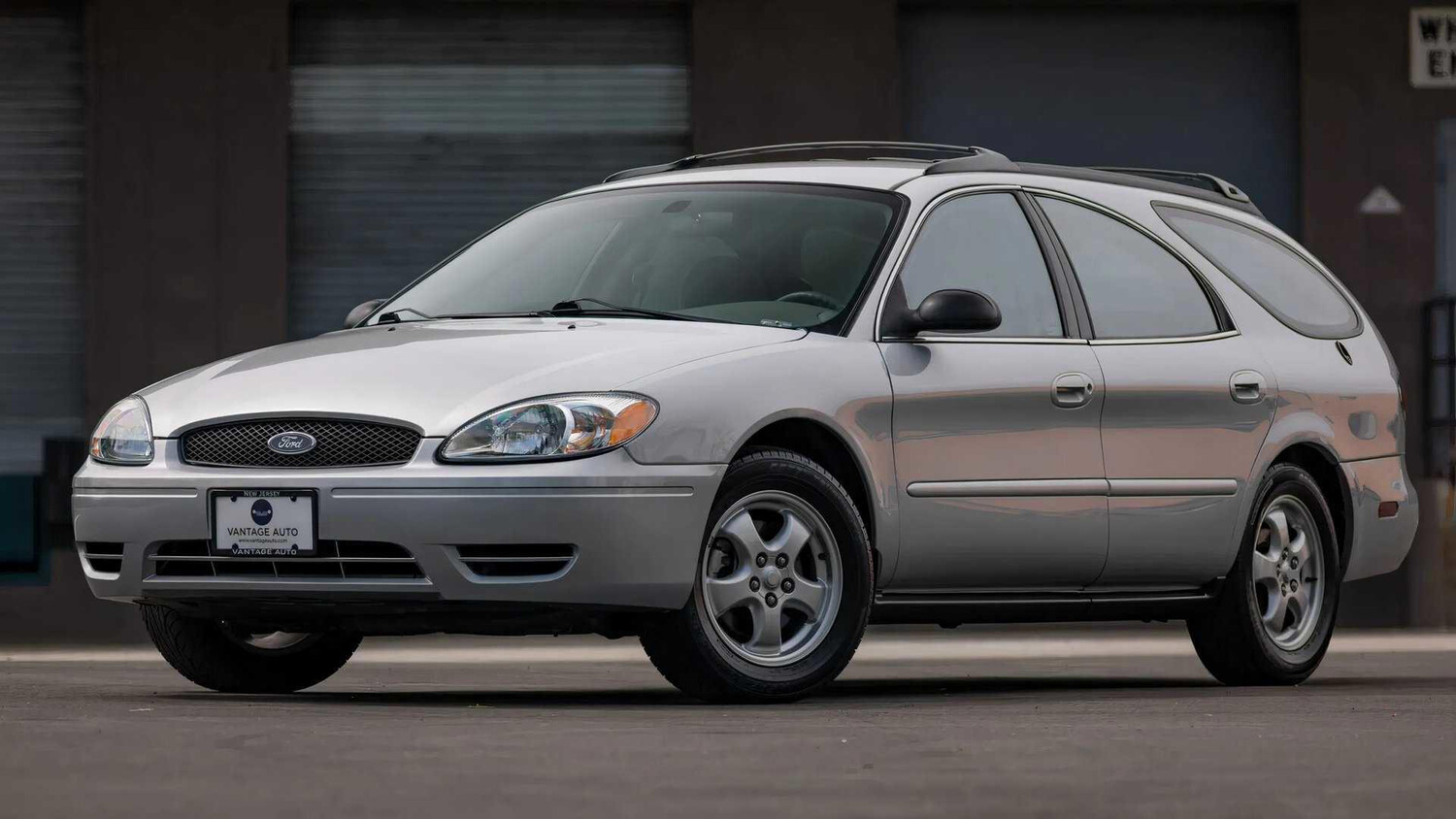
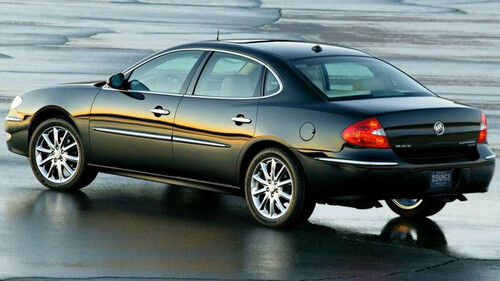
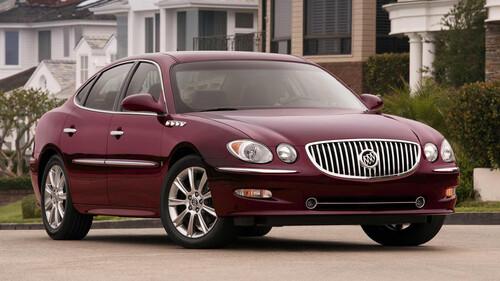
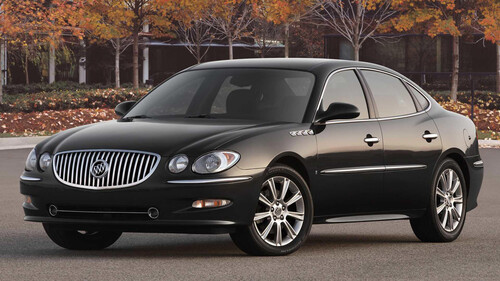
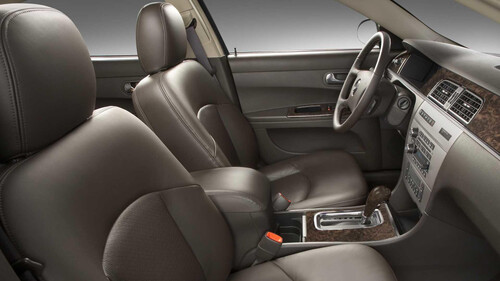
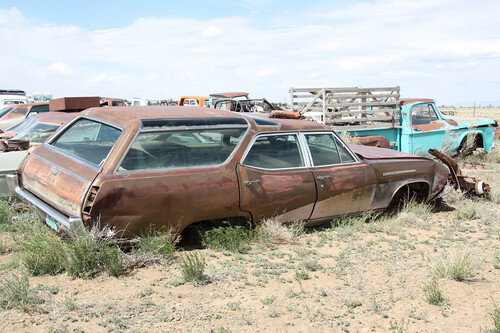
Toyota earned its loyal crowd for a reason, and nobody needs to pretend otherwise. But in the used-car world, trust does not always mean the same thing as resale value or magazine awards. For many older buyers, trust means a sedan with big seats, cheap parts, a simple engine, clear sightlines, and a trunk large enough to hide a month of Costco “just in case” purchases.That is where old American sedans still punch above their weight. These cars often lack glamour, unless beige counts as glamour, but they deliver something many shoppers care about more: familiarity. They ride softly, run forever when maintained, and rarely ask owners to learn a new language just to change the radio station.This list was built around older American sedans that combine strong owner satisfaction, long-running mechanical reputations, parts availability, comfort, and real-world trust among older buyers. The ranking gives extra weight to simple drivetrains, proven engines, easy service, roomy cabins, and cars that stayed popular with private owners, fleets, police departments, or livery companies long after newer models replaced them. 2000–2013 Chevrolet Impala (9C1 Police Package) Owner Satisfaction Rating: N/A Chevrolet The 9C1 Impala does not fit a normal owner-rating box because Chevrolet built it for fleet and police work, not regular retail shoppers. The 9C1 and 9C3 cars were made for police duty, including high-speed emergency work, and GM restricted police-vehicle sales away from regular retail buyers. The car lived a different life before civilians got hold of it at auction.ChevroletPeople like the 9C1 because it feels like the rental-car Impala's more aggressive cousin. Early cars with the 3800 V6 earned a strong reputation, while later cars added better power and more modern equipment. Police hardware usually brought heavy-duty cooling, upgraded brakes, reinforced bits, steel wheels, and interiors that could survive coffee, radios, boots, and bad decisions. The catch sits in the word “police." Many cars spent years idling, jumping curbs, and carrying equipment wiring that looks like spaghetti after a food fight. 2006–2011 Buick Lucerne Owner Satisfaction Rating: 3.5–3.8/5.0 Buick The Lucerne became Buick’s big comfort sedan after the LeSabre and Park Avenue, and it kept the brand’s old promise alive with soft seats, quiet manners, and no interest in pretending to be a sport sedan. RepairPal lists the Lucerne’s reliability rating at 3.5 out of 5.0, while its 2007 owner-review page shows a 3.8 out of 5.0 average from owners.BuickThe best Lucerne for older buyers usually wears a V6 badge, not a V8 one. The 3.8-liter 3800 Series III in early cars brings the strongest “just keep going” energy. Later 3.9-liter cars add power, and the Northstar V8 gives the Lucerne real luxury-car speed, but also more repair anxiety. Buick gave the Lucerne a high seating position, wide doors, and a calm highway ride. It feels less like a car built for aggressive cornering and more like one built for comfort and ease of use. 2006–2011 Cadillac DTS Owner Satisfaction Rating: 4.0/5.0 Cadillac The DTS carried old-school Cadillac values into the 2000s. It came with front-wheel drive, a large cabin, a huge trunk, and a 4.6-liter Northstar V8. RepairPal lists 14 Cadillac DTS owner reviews at 4.0 out of 5.0 for model years 2006 through 2011. Period tests of the 2006 DTS recorded 275 horsepower and a 7.7-second 0-to-60 mph run, which made it quicker than its soft shape suggested.CadillacOlder buyers trust the DTS because it feels expensive without forcing them into a tiny, stiff luxury sedan. The front seats have that wide-cushion Cadillac feel, and the car cruises like it has a personal grudge against road noise. Enthusiasts know the Northstar story, though. These engines can run beautifully, but buyers need service records, a dry underside, and a cooling system that never got ignored. A cheap DTS with leaks can become a very expensive leather sofa. A well-kept one feels like the last big Cadillac for people who still believe a luxury car should glide first and corner second. That is not an unreasonable expectation. 2000–2005 Buick LeSabre Owner Satisfaction Rating: 4.1/5.0 Buick The LeSabre might be the most honest car here. It has no performance costume, no fake sport trim, and no need to impress teenagers at a stoplight. RepairPal lists 127 Buick LeSabre owner reviews at 4.1 out of 5.0 across model years through 2005, while Cars.com users gave the 2005 model strong reliability marks and a 96-percent recommendation rate.Buick 1998–2011 Ford Crown Victoria Owner Satisfaction Rating: 4.1/5.0 Ford The Crown Victoria became an American default setting. Police departments, taxi fleets, retirees, and used-car bargain hunters all leaned on the same basic idea with a rear-wheel-drive sedan with a V8, body-on-frame bones, and enough room inside to make modern crossovers look fussy. RepairPal lists Ford Crown Victoria owner reviews at 4.1 out of 5.0, while Kelley Blue Book shows strong consumer sentiment for the 1998–2011 generation, with 97 percent of owners recommending it.FordEveryone likes the Crown Vic because it has truck-like toughness in a sedan body. The Police Interceptor version adds the cool factor, but civilian LX cars often make better daily drivers because they usually avoided curb strikes, prisoner cages, and twelve years of idle time. The 4.6-liter Modular V8 will not pin anyone to the seat, but it sounds right, runs smoothly, and responds well to simple maintenance. The 2003-and-newer cars feel better because Ford improved the chassis and steering. 2000–2007 Ford Taurus (Gen 4–5) Owner Satisfaction Rating: 4.1/5.0 Bring a Trailer The late Taurus never got the cult love of the Crown Victoria, but older buyers trusted it for a simple reason: it worked. Kelley Blue Book lists the 2000–2007 Taurus generation at 4.1 out of 5.0 from owners, with 85 percent recommending it.FordThe Taurus gained points through plain usefulness. The 3.0-liter Vulcan V6 made modest power but had a tough, simple nature. The optional Duratec V6 added more zip and made the car feel less like a government copier on wheels. The model also had a low step-in height, a roomy cabin, available wagon body styles, and parts support everywhere. People sometimes dismiss it because front-wheel drive and beige paint do not make hearts race. Fair. But the Taurus became the car people bought when they needed simple transportation. Its weak spots include transmissions, rust in salty states, and aging suspension parts. 2006–2016 Chevrolet Impala Owner Satisfaction Rating: 4.1/5.0 Chevrolet The civilian Impala from this era hits a sweet spot for older buyers who want space, simple controls, and cheap upkeep without stepping into an SUV. RepairPal lists the 2006 Impala owner-review average at 4.1 out of 5.0, and Cars.com shows the same 4.1 overall consumer score for the 2006 model. Kelley Blue Book also notes that 83 percent of 2006 Impala owners recommend the car.ChevroletThe 2006 redesign brought useful V6 choices with 211 hp from the base 3.5-liter V6 and 240 hp from the 3.9-liter V6. Then the 2012 model got a major upgrade with a standard 300-hp 3.6-liter V6 and a six-speed automatic. That 2012-to-2016 Impala Limited setup gives the old W-body sedan a surprise punch. It still looks like a car from a municipal parking lot, but it moves. Older buyers appreciate the roomy cabin, soft ride, and clear controls, while enthusiasts appreciate the sleeper angle, especially in LTZ or SS form. 1981–2011 Lincoln Town Car Owner Satisfaction Rating: 4.3/5.0 Lincoln The Lincoln Town Car might be the strongest “older buyers trust it” car in America. RepairPal lists the 2003 Town Car at 4.3 out of 5.0 from owners, while Kelley Blue Book shows the 1998–2011 generation at 4.7 out of 5.0 with 96 percent of owners recommending it. Cars.com also highlights the later Town Car’s 239-horsepower 4.6-liter V8, rear-wheel drive, and body-on-frame construction.LincolnThe Town Car wins because it understands its audience. It offers a high seating position, feather-light steering, a huge rear seat, and a ride that turns potholes into rumors. Livery companies loved it for the same reasons private owners did. The Panther platform could rack up miles, parts stayed easy to find, and mechanics knew the layout. Meanwhile, gearheads like the 2003-and-newer cars because they gained better steering and chassis updates, but earlier cars have their own square-body charm. Rear air suspension can fail, and old luxury electronics deserve a careful check. 2005–2013 Buick LaCrosse Owner Satisfaction Rating: 4.3/5.0 Buick The LaCrosse bridged two Buick eras. The first generation kept the old 3800 V6 formula alive, while the second generation brought more style, nicer interiors, and stronger V6 power. RepairPal lists the 2006 LaCrosse at 4.3 out of 5.0 from owners, and Kelley Blue Book shows the 2005–2009 generation at 4.4 out of 5.0 with 90 percent of owners recommending it.BuickFor enthusiasts, the early LaCrosse has one delicious footnote: the LaCrosse Super. That version used a 5.3-liter LS4 V8 and turned Buick’s quiet sedan into a front-drive oddball with real shove. Most older buyers, though, trust the 3.8-liter CX and CXL trims more. The second-gen 2010–2013 cars feel more modern and upscale, but they also add complexity. It is the car for people who want peace, quiet, and just enough chrome to feel festive. That covers most buyers' everyday needs in a sedan. 1992–2011 Mercury Grand Marquis Owner Satisfaction Rating: 4.4/5.0 Mercury The Mercury Grand Marquis ranks at the top because it gives buyers most of the Crown Victoria’s toughness with more comfort and less police-car baggage. RepairPal shows the 2006 Grand Marquis at 4.4 out of 5.0 from owners, and Kelley Blue Book lists the 1998–2011 generation at 4.7 out of 5.0 with 95 percent recommending it. Even the 1992 model earns strong KBB owner marks for overall quality and reliability.MercuryThe Grand Marquis is the quiet hero of Panther sedans. It has the 4.6-liter V8, rear-wheel drive, a big trunk, and a smoother personality than the Crown Vic. It also escaped much of the hard fleet abuse that hit police cars. The 4.6-liter SOHC engine is durable and smooth. People hunt for clean LS cars, especially ones with handling packages or rare colors, but the real charm comes from how normal it feels. It starts, floats, hauls, and asks very little. It is the uncle who owns three torque wrenches and remembers every oil change. That guy usually knows what works.