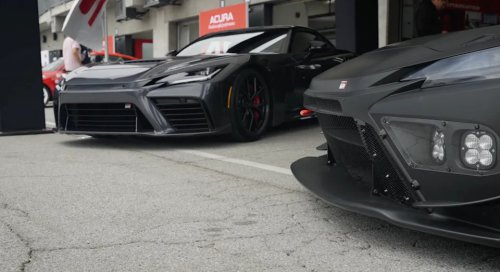
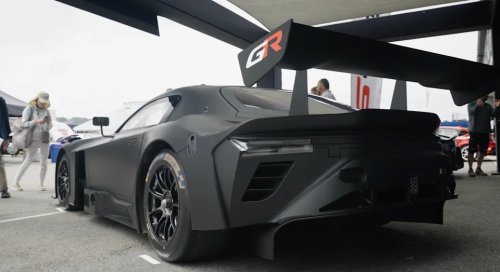
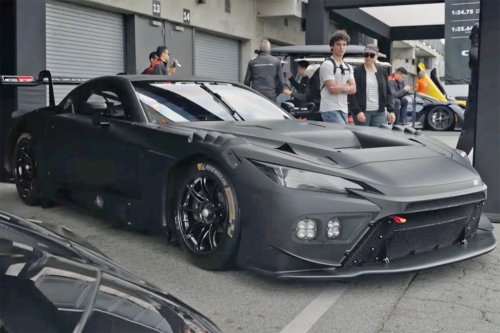
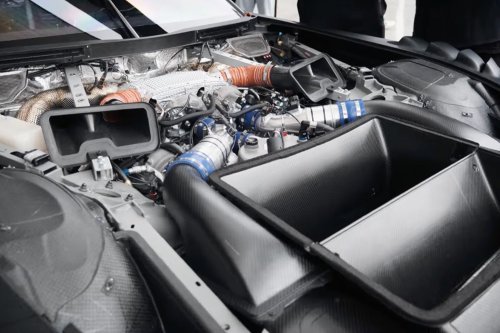
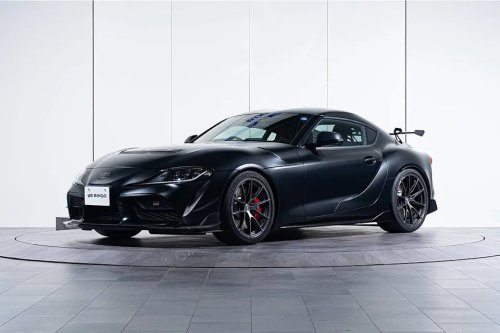
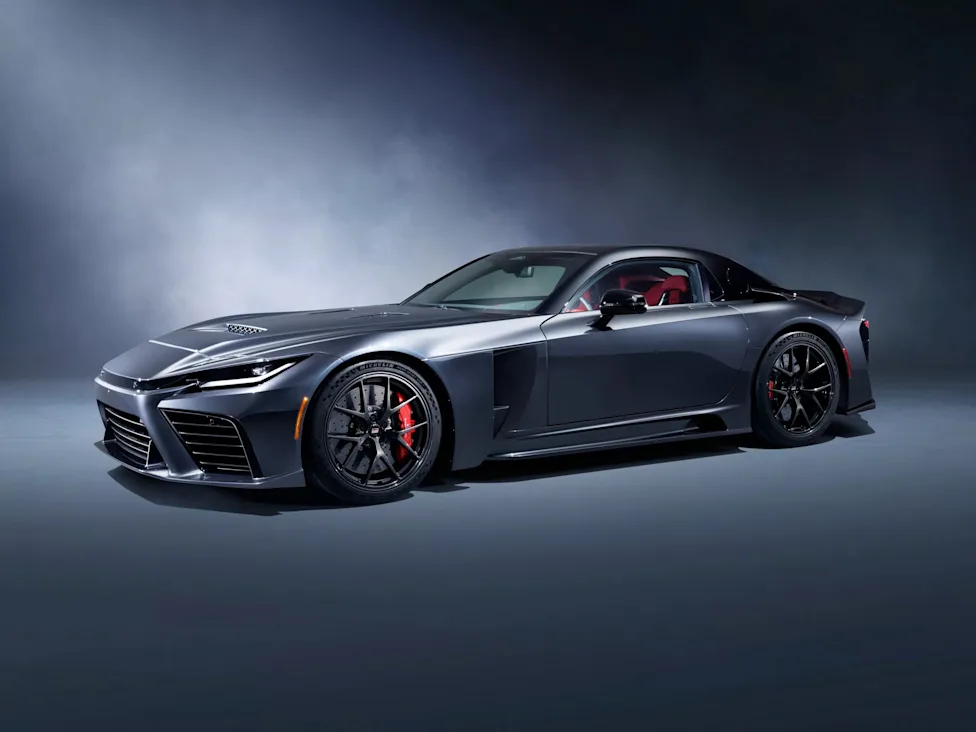
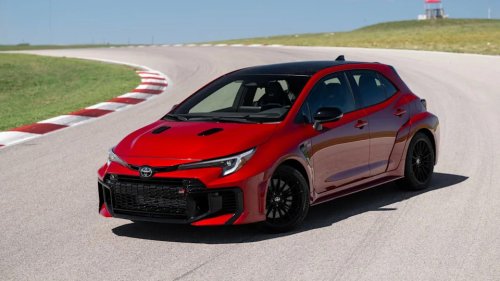
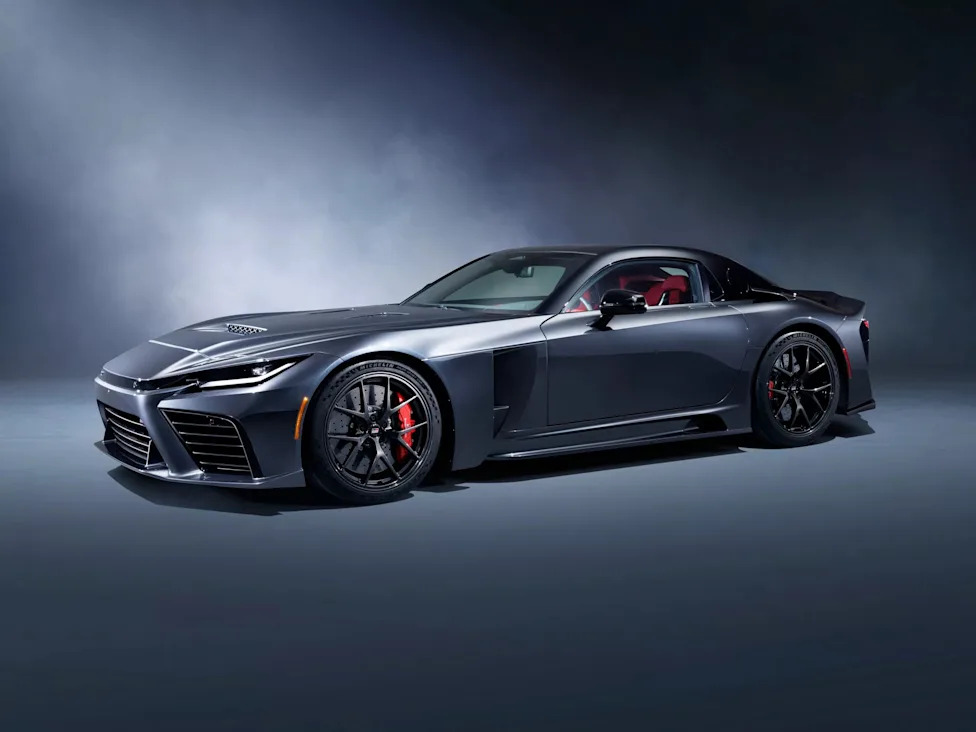
Toyota's New GR GT Comes With a Catch, and John Cena Already Knows How That Story EndsToyota wants to decide who gets to own its new GR GT, and it is not going to be as simple as showing up with the money. Gazoo Racing Sports Car Director Jeff Bal told AutoBlog that buyers will have to work their way through a long purchasing process built to weed out anyone looking to flip the car the moment they get the keys. If you want one, you are going to have to prove you actually want it.That is a bigger statement than it sounds like. Most car deals come down to who pays. Toyota is signaling that for this car, the money is only part of the conversation.How the Process WorksAccording to Bal, build allocations will only go to people Toyota believes have a real, lasting interest in the GR GT. In plain terms, the company is reserving the right to look at who you are and what you intend to do with the car before it agrees to sell you one. Buyers who give off the impression that they are in it for a quick resale are the ones expected to get left out.AdvertisementAdvertisementThis is Toyota trying to control the destiny of a car after it leaves the factory. That is unusual territory for a mainstream automaker, and it puts the brand in the position of judge as much as seller. The screening is the whole point, not a formality.Toyota Is Not the First to Try ThisCarmakers chasing this kind of control have a track record, and some of it has gotten ugly. Rolls-Royce is well known for taking buyers to court when they break the company's no-reselling clause. The brand has been willing to turn a flipped car into a lawsuit, which tells you how seriously the high end of the market treats this.The most famous example involves a wrestler. John Cena bought a 2017 Ford GT and then tried to sell it, and Ford sued him shortly after. The company's case rested on the claim that Cena had agreed not to flip the car, an agreement he allegedly broke almost immediately. That fight became the cautionary tale for anyone who thinks a no-resale promise is just paperwork.Why Flipping Is the Enemy HereThe reason automakers keep fighting this battle comes down to who the car is supposed to reach. When a limited-run performance car gets flipped, the people who wanted to drive it lose out to people who wanted to profit from it. The car becomes a trading chip instead of a machine someone actually enjoys.AdvertisementAdvertisementThat is where the frustration builds for enthusiasts. A genuine fan who waits in line and follows the rules can still get shut out when allocations vanish into the hands of resellers. Toyota saying it will hand cars to people with real interest is aimed squarely at that problem, and for once it is the buyer's intentions being put under the microscope rather than just their bank balance.The Part Toyota Cannot ControlHere is the catch in Toyota's own plan. No matter how thorough the vetting is, the GR GT is going to show up on auction sites shortly after it goes on sale. Demand for a new performance Toyota does not just disappear because the company asked nicely, and the secondary market has a way of finding these cars regardless of the hurdles in front of them.That does not make the effort pointless. Trying to slow the flippers down is more than most automakers bother to do, and Toyota deserves some credit for putting a process in place instead of shrugging and letting the market do whatever it wants. The question is whether a screening process can actually hold the line when the resale money gets big enough to tempt people into breaking their word.What It Says About the MarketThe fact that this conversation is happening at all says something about where performance cars have landed. They have become assets first and driving machines second for a certain kind of buyer, and automakers are now writing rules to fight their own customers over it. Rolls-Royce reached for lawsuits. Ford went after John Cena. Toyota is trying to filter the buyers before the sale even happens.AdvertisementAdvertisementWhether the GR GT plan works or just becomes another line in a long history of automakers losing this fight, it shows a brand willing to draw a line in the sand. The flippers have heard this kind of warning before, and they have a habit of finding the exit anyway. Toyota is betting that this time, a little extra screening makes the difference.Source: AutoblogImages Via: Toyota



















 +28 others




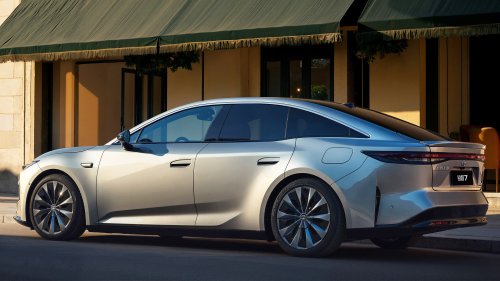
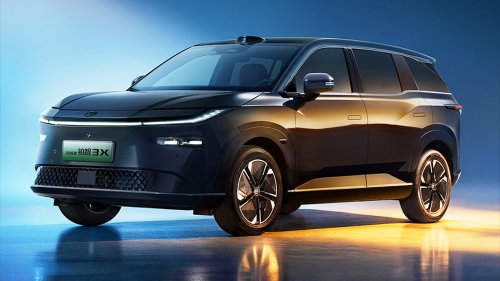
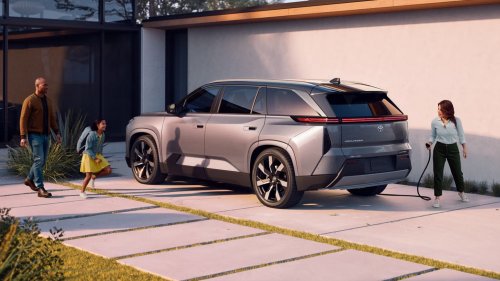
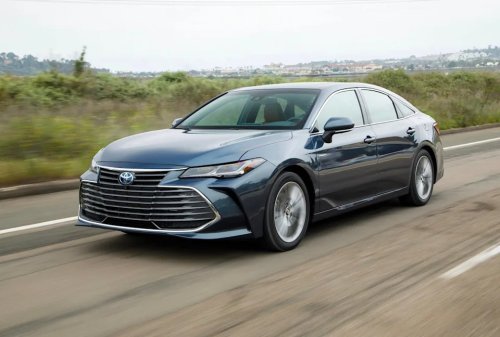
![Toyota, Toyota's $15,000 Chinese EV spotted overseas in RHD [Images]](https://cdn.topcarnews.net/thumb/id/aHR0cHM6Ly9pMC53cC5jb20vZWxlY3Ry-ZWsuY28vd3AtY29udGVudC91cGxvYWRz-L3NpdGVzLzMvMjAyNi8wOS9Ub3lvdGEt-YlozWC1FVi1SSEQuanBlZz93PTE1MDAm-YW1wO3F1YWxpdHk9ODImYW1wO3N0cmlw-PWFsbCZhbXA7c3NsPTE/3fdd3b5d03bdc27308f0c99caa99667e.jpeg?t=20260926&post_id=64756)
![Toyota, Toyota's $15,000 Chinese EV spotted overseas in RHD [Images]](https://cdn.topcarnews.net/thumb/id/aHR0cHM6Ly9lbGVjdHJlay5jby93cC1j-b250ZW50L3VwbG9hZHMvc2l0ZXMvMy8y-MDI1LzEyL1RveW90YS0xNTAwMC1lbGVj-dHJpYy1TVVYtMi5qcGVn/8219e8e9bd18568eaf6e5271753403d8.jpeg?t=20260926&post_id=64756)
![Toyota, Toyota's $15,000 Chinese EV spotted overseas in RHD [Images]](https://cdn.topcarnews.net/thumb/id/aHR0cHM6Ly9lbGVjdHJlay5jby93cC1j-b250ZW50L3VwbG9hZHMvc2l0ZXMvMy8y-MDI2LzAzL1RveW90YS1iWjNYLUVWLWlu-dGVyaW9yLTcuanBnP3N0cmlwPWluZm8m-YW1wO3c9MTkyMA/e40c0b720b4826f1bf2a5f18a1e13212.jpg?t=20260926&post_id=64756)
![Toyota, Toyota's $15,000 Chinese EV spotted overseas in RHD [Images]](https://cdn.topcarnews.net/thumb/id/aHR0cHM6Ly9lbGVjdHJlay5jby93cC1j-b250ZW50L3VwbG9hZHMvc2l0ZXMvMy8y-MDI2LzAzL1RveW90YS1iWjNYLUVWLWlu-dGVyaW9yLTUuanBnP3N0cmlwPWluZm8m-YW1wO3c9MTkyMA/dc60262a877c7e2cef1e74da54ca75ab.jpg?t=20260926&post_id=64756)
![Toyota, Toyota's $15,000 Chinese EV spotted overseas in RHD [Images]](https://cdn.topcarnews.net/thumb/id/aHR0cHM6Ly9lbGVjdHJlay5jby93cC1j-b250ZW50L3VwbG9hZHMvc2l0ZXMvMy8y-MDI2LzAzL1RveW90YS1iWjNYLUVWLWlu-dGVyaW9yLTYuanBnP3N0cmlwPWluZm8m-YW1wO3c9MTkyMA/ad5c9fdfd72ede2f92d0ae9b095b9e83.jpg?t=20260926&post_id=64756)