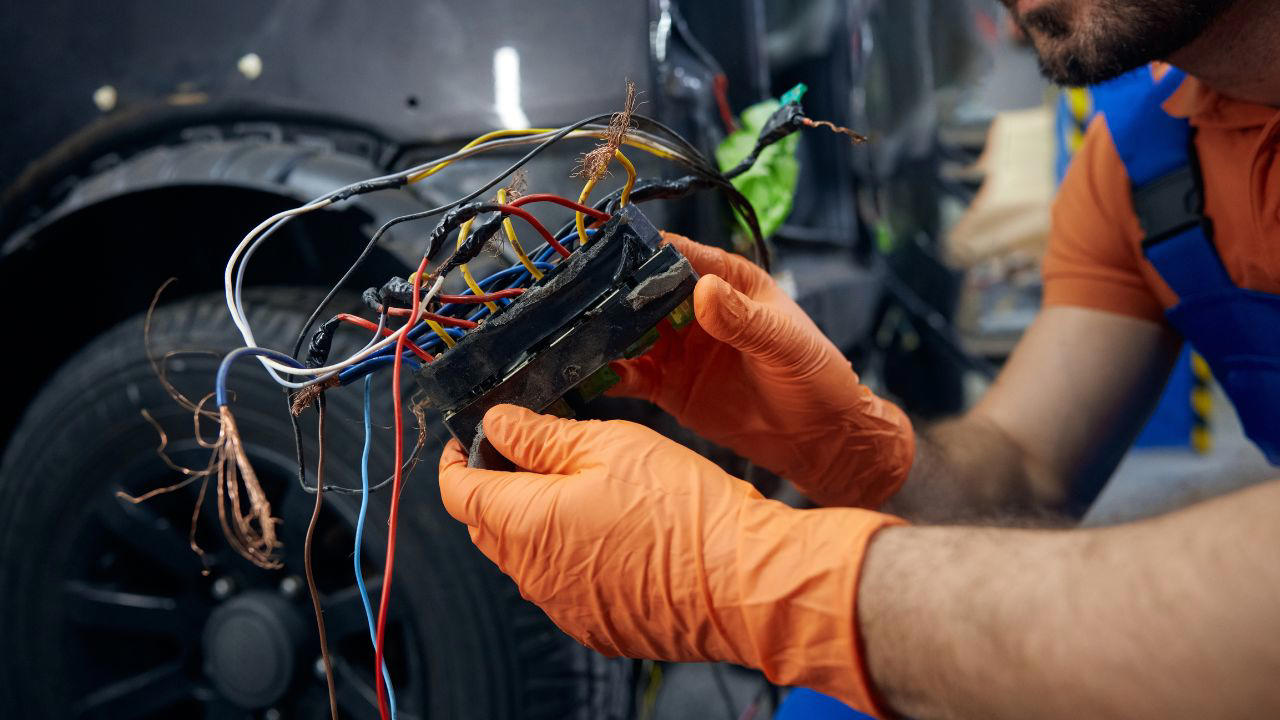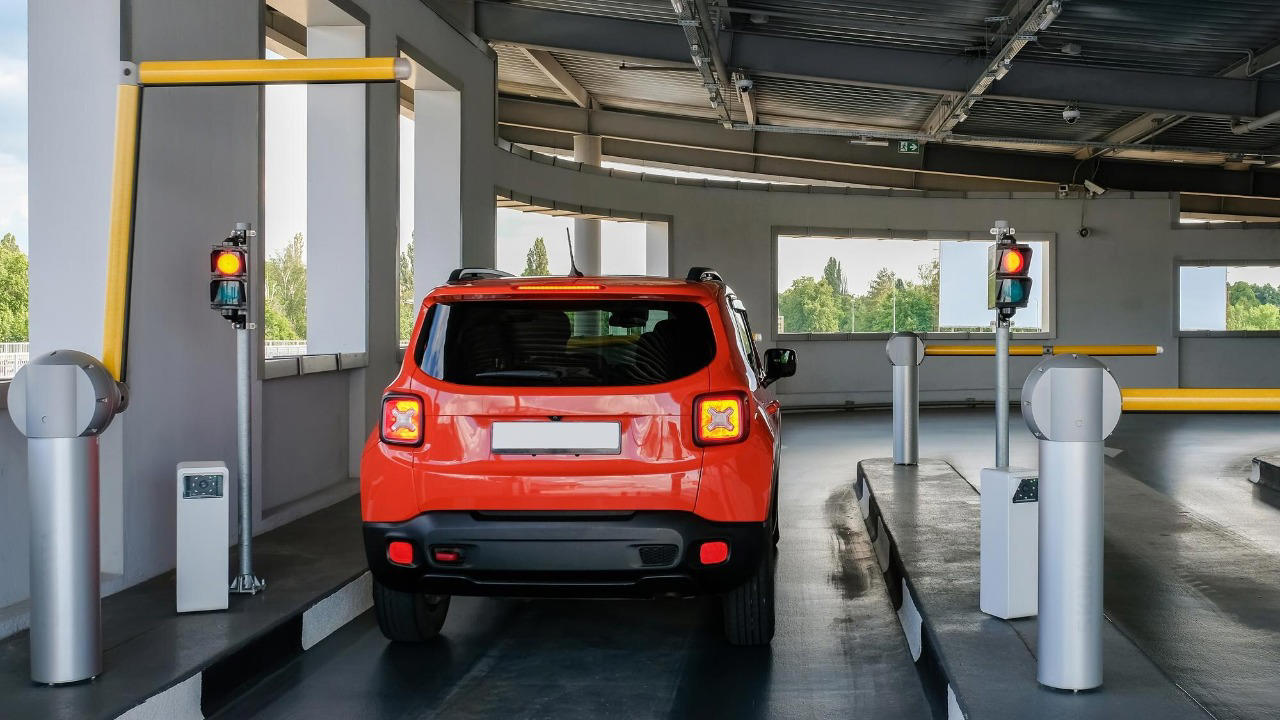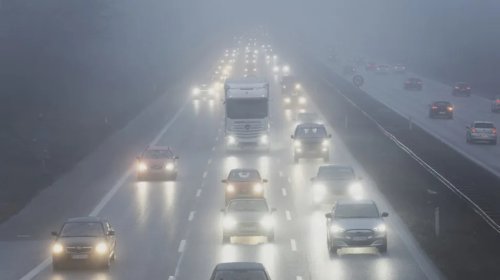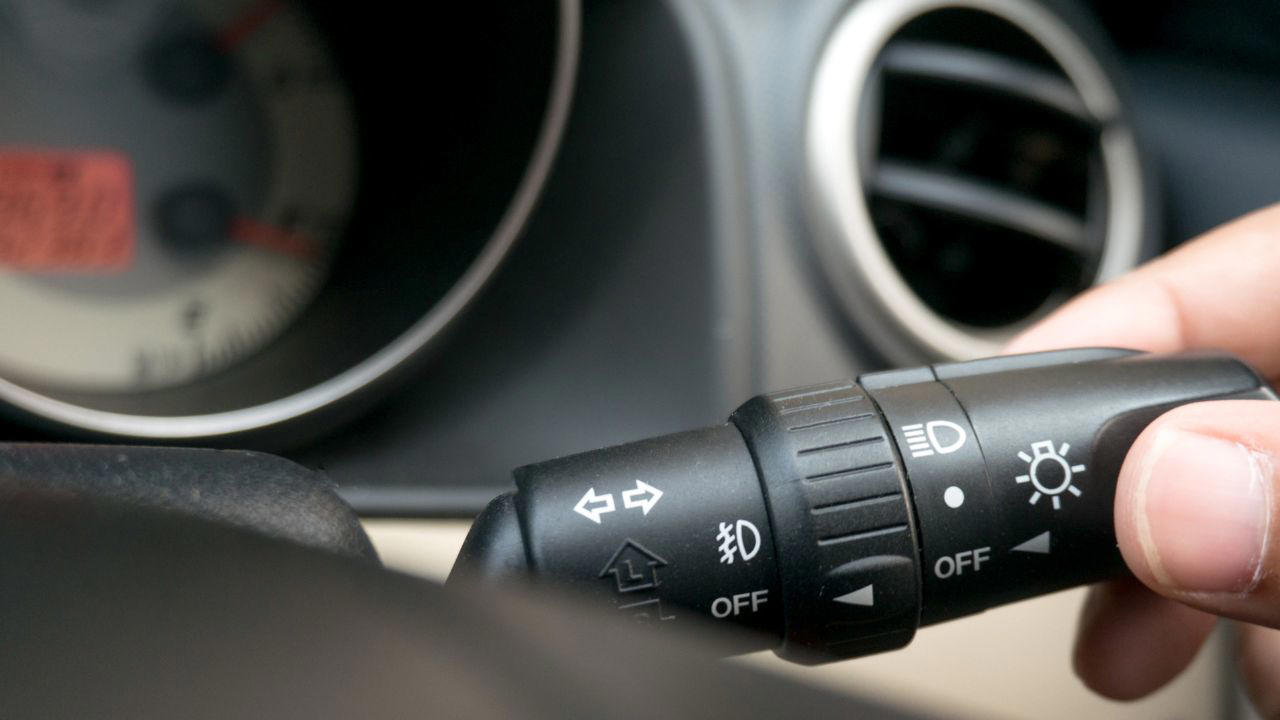



















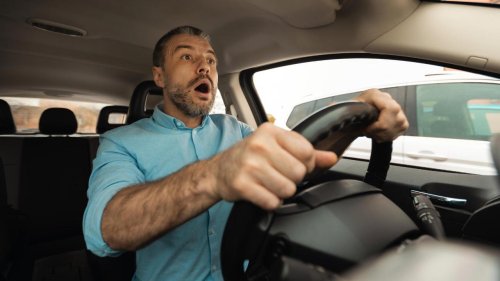
Driver says his automatic headlights keep turning off during rain leaving him uneasyWhen the skies open up, most drivers have a simple expectation: the car will help out. Wipers on, headlights on, everyone sees everyone, and you get home with dry socks and a calmer heart rate. But one driver says his car’s “automatic” headlights have started doing the opposite—turning off in the rain—and it’s left him feeling uneasy every time the weather turns. “It’ll be raining, the wipers are going, and suddenly I notice my dash looks darker,” he told friends after a commute that felt more stressful than it needed to be. “I check the stalk and, yep, the headlights are off again. I didn’t touch anything.” It’s the kind of small glitch that becomes a big deal fast, because visibility and being visible are the whole game in bad weather. A small feature that carries big safety weight Automatic headlights are one of those modern conveniences you don’t think about until they don’t work. They’re supposed to turn on when it’s dark enough—like at dusk, in a tunnel, or during a storm that dims the sky. And while “auto” sounds like it should cover all conditions, the system is usually responding to a light sensor, not the fact that it’s raining. That matters because rain can be bright. If it’s a midday downpour, the world can still look “light” to the sensor even though visibility is lousy and spray from other cars is making everything gray and smeary. So the car thinks, “No problem, it’s daytime,” while every human on the road is thinking, “Please, everyone turn your lights on.” What the driver is noticing (and why it feels unsettling) In this case, the driver’s complaint isn’t just that the headlights don’t always come on—it’s that they actually switch off while he’s driving in the rain. That’s what makes the experience feel creepy and unpredictable, like the car is changing rules mid-trip. If you’re moving at highway speed and suddenly realize you’re less visible to other drivers, it’s not exactly relaxing. There’s also the “am I imagining this?” factor. In heavy rain, reflections change, dash brightness can shift, and road lighting varies from block to block. Still, he says he’s checked repeatedly and confirmed the headlights are genuinely off, not just looking dimmer through water-streaked glass. How automatic headlights usually decide what to do Most systems rely on an ambient light sensor, typically mounted near the base of the windshield or integrated into the dashboard area. It measures brightness and triggers the lights based on a set threshold. Some cars let you adjust that sensitivity—early, normal, or late—so the lights come on sooner or later. Other cars link headlights to windshield wiper activity: if the wipers run continuously for a certain amount of time, the headlights automatically switch on. That’s a smart approach because many states and provinces have “wipers on, lights on” laws or recommendations. But not every vehicle has that feature enabled, and sometimes it’s tucked behind a settings menu that’s easy to miss. So why would they turn off during rain? There are a few plausible explanations, and some are simpler than you’d expect. One common culprit is the light sensor getting confused—by a bright patch of sky, glare off wet pavement, or even reflections from nearby vehicles. If the system is tuned aggressively to save power or reduce unnecessary lighting, it might toggle off as soon as it thinks brightness is back above the threshold. Another possibility is that the wipers-to-headlights linkage isn’t active, or it’s inconsistent. Intermittent wiper settings can be a weird middle ground: you’re clearly dealing with rain, but the car might not count it as “continuous” wiper use. That can lead to headlights that come on for heavier bursts, then shut off when the wipers slow down, even though visibility is still poor. Could it be a setting, not a failure? It’s surprisingly easy to bump the headlight stalk without realizing it, especially if you’re adjusting wipers, using turn signals, or wearing gloves. Some vehicles also have multiple “auto” behaviors—like auto for headlights but not for running lights, or auto that only affects front lights but not the tail lights. If the car is switching to daytime running lights (DRLs), the driver might see light ahead and assume all lights are on, while the rear of the vehicle is still dark. That last point is a big one: DRLs can create a false sense of security. They’re useful, but they’re not a full replacement for headlights and tail lights in rain. If a system is slipping into DRL mode, the driver could be “lit” from the front while being practically invisible from behind through spray. What mechanics and safety folks typically recommend The most straightforward advice is also the least glamorous: if you’re in rain, manually turn your headlights on. It removes the guesswork, keeps your tail lights on, and ensures you’re following “wipers on, lights on” expectations even if your car’s sensor is having an existential crisis. You can switch back to auto when the weather clears. If you want to troubleshoot, many experts suggest checking three things: the owner’s manual (to see how your specific auto-headlight system works), the vehicle settings menu (for headlight sensitivity and wiper-linked lighting), and the sensor area (to make sure it’s not covered by dirt, a sticker, a dash mat edge, or an aftermarket device stuck to the windshield). A surprisingly small obstruction can change sensor readings. When it might be time to get it checked If the driver is certain the lights are switching off even with the stalk set to “on” (not “auto”), that’s a different story. That could point to an electrical issue, a failing switch, a body control module glitch, or moisture getting somewhere it shouldn’t. Modern lighting systems are software-heavy, and sometimes a dealer update or diagnostic scan is the fastest way to stop the weird behavior. It’s also worth noting that some cars have “battery saver” behavior that shuts off exterior lights under certain conditions, especially if the vehicle thinks it’s parked or idling in an unusual state. That shouldn’t happen while driving, but if there’s a sensor or communication fault, the car might make the wrong call. The key detail for a technician is whether the issue happens at speed, at stops, or when the wipers change modes. The bigger issue: predictability on the road Part of what’s making the driver uneasy is that the system feels unpredictable. Drivers can adapt to lots of things—dim headlights, noisy wipers, even a stubborn foggy windshield—if the behavior is consistent. But when a safety feature flips back and forth, it forces you to babysit it, and that attention should be on the road instead. On wet roads, visibility isn’t just about seeing; it’s about being seen through spray, mist, and sudden braking. Headlights help other drivers judge distance and closing speed, especially from behind where tail lights matter most. So even if the car’s auto feature is “working as designed,” it might still not be working the way real-world weather demands. What the driver says he’ll do next For now, he’s decided he won’t trust “auto” in the rain. “I’ll just click them on,” he said, sounding relieved to have a simple workaround. He’s also planning to check whether his car has a wiper-linked headlight setting he can enable, and if not, he’ll ask a shop to confirm there’s no sensor or switch issue. It’s a small annoyance that comes with a big emotional weight—because nobody wants to wonder if they’re invisible on a stormy highway. And if nothing else, his experience is a good reminder that “automatic” doesn’t always mean “situationally perfect.” Sometimes the best safety upgrade is still the oldest one: turning the lights on yourself. More from Fast Lane Only Unboxing the WWII Jeep in a Crate 15 rare Chevys collectors are quietly buying 10 underrated V8s still worth hunting down Police notice this before you even roll window down The post Driver says his automatic headlights keep turning off during rain leaving him uneasy appeared first on FAST LANE ONLY.