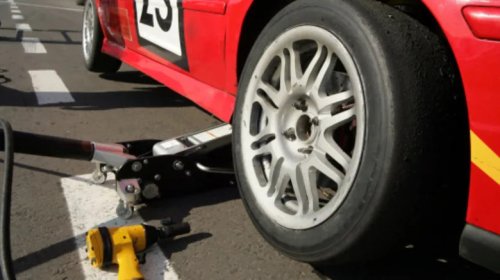
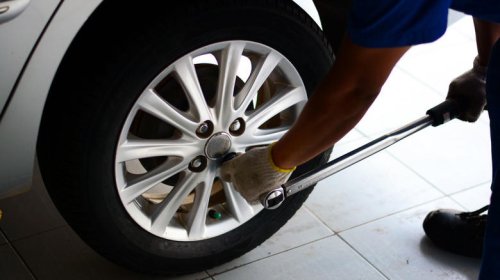
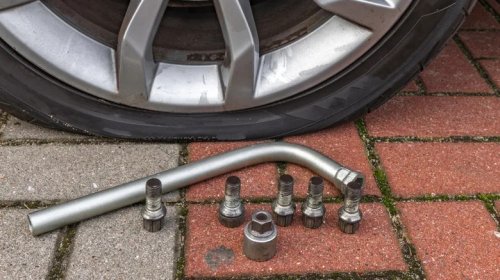
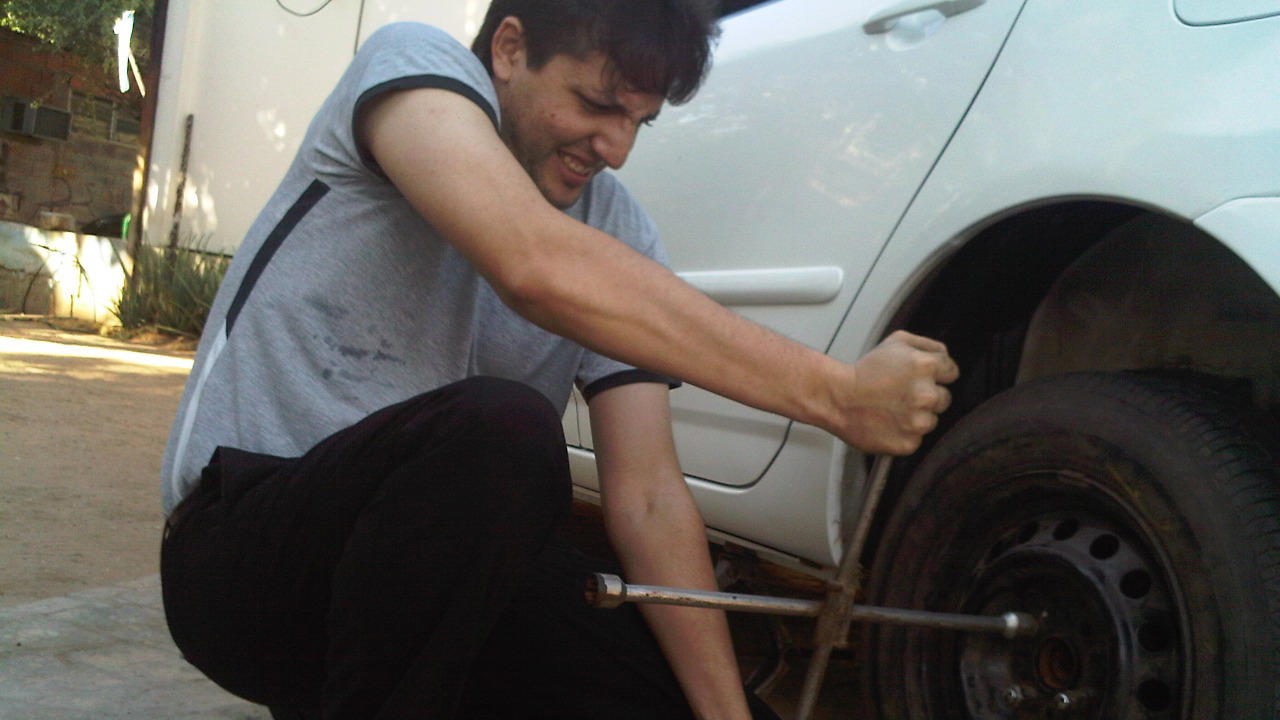
Driver says the tire shop tightened the lug nuts so much he couldn’t remove them laterIt started like one of those “this should take five minutes” errands. A driver says he left a tire shop with fresh work done, only to discover later—on his own driveway, with his own tools—that the lug nuts were tightened so aggressively he couldn’t budge them. Not with a standard lug wrench, not with some determined body weight, and definitely not with the calm vibe he’d planned for the afternoon. Now the story is making the rounds because it’s painfully relatable: you do the responsible thing, pay for service, and then the basic act of changing a tire turns into a mini strength competition you didn’t sign up for. And it raises a simple question that’s surprisingly common: how tight is too tight? A routine tire visit turns into a driveway standoff According to the driver, the issue surfaced the next time he needed to remove a wheel—something as ordinary as swapping to a spare or checking brakes. He grabbed his wrench, lined it up, and pulled. Nothing moved. He tried again with a longer handle for leverage, the classic “step on it carefully” move, and even a few creative angles that seemed promising in the moment. Still nothing. In his telling, the lug nuts felt fused to the studs like they’d been installed by a professional weightlifter with something to prove. Why lug nuts get over-tightened in the first place If you’ve ever watched a busy tire shop on a Saturday morning, you can probably guess how this happens. Many shops use impact wrenches—those loud, rapid-fire tools that make quick work of removing and installing lug nuts. They’re great for speed, but if the final tightening isn’t done carefully with a torque wrench, things can get overdone fast. Sometimes it’s not even malicious or sloppy, just rushed. A tech might run the nuts down with an impact and intend to finish with a torque wrench, but the last step gets skipped when the next car pulls in and the phone won’t stop ringing. Over time, “tight enough” can quietly become “tight until the tool stops hammering,” which is not the same thing. What “properly tightened” actually means (and why it matters) Lug nuts aren’t supposed to be tightened to infinity. Each vehicle has a specified torque—basically a target twisting force—measured in foot-pounds or newton-meters. The correct number depends on the car, the wheel type, and the stud size, and it’s there for a reason. Too loose is obviously bad because the wheel can work itself free. But too tight brings its own set of headaches: stripped threads, stretched studs, warped brake rotors, cracked wheels, or lug nuts that refuse to come off when you’re stuck on the side of the road. The “I can’t remove them later” problem isn’t just annoying—it can turn a manageable flat into a towing bill. The moment you realize you can’t get the wheel off The driver’s frustration is the part most people instantly understand. Your car’s manual and every roadside-safety tip assumes you can remove your own lug nuts with the tools in the trunk. When you can’t, it feels like someone moved the goalposts after the game started. And it’s not just a pride thing. If you can’t change a tire in bad weather or on a dark shoulder, you’re stuck waiting for help, hoping your spare isn’t buried under luggage, and trying not to think about how this could’ve been avoided with a 30-second torque check. What drivers can try at home (without making it worse) Mechanics will tell you there’s a right way to fight a stubborn lug nut and a wrong way that turns one problem into five. A longer breaker bar can help because it increases leverage without the chaotic force of bouncing or jerking. Penetrating oil can also help if corrosion is part of the issue, though it won’t magically fix a nut that’s been torqued far past spec. What you generally don’t want to do is keep hammering with an impact wrench at full blast or use heat without knowing what’s nearby—rubber, paint, and brake components don’t love surprise temperatures. And if the lug key for locking nuts is involved, too much force can shatter it, which is a special kind of misery. Sometimes the smartest move is to stop before you round off the nut and turn a simple removal into a drilling or extractor job. How shops are supposed to handle lug nut torque Most reputable shops have a standard process: start the lug nuts by hand to avoid cross-threading, snug them in a star pattern, lower the vehicle, then torque to spec with a calibrated torque wrench. Some shops also do (or recommend) a re-torque after 50–100 miles, especially with certain wheel types or after seasonal swaps. That’s not always required for every vehicle, but the point is the same: torque is a measured thing, not a vibe. When drivers report over-tightened lugs, it’s often a sign the final torque step wasn’t done correctly—or a torque stick was used incorrectly with an impact. Torque sticks can help limit torque, but they’re not foolproof, and tool calibration matters. In plain terms: if the shop’s process is “zip it on and call it good,” you’re more likely to end up in a wrestling match later. What to say to the tire shop if this happens to you If you suspect the shop over-tightened your lug nuts, it’s reasonable to call and explain what’s happening. Keep it simple: you attempted to remove the lugs with standard tools and couldn’t, and you’re concerned they were tightened beyond spec. Asking them to check and correct the torque—ideally at no charge—is a fair request, especially if the work was recent. If you can, note the date of service and the vehicle details, and mention whether you have aftermarket wheels or locking nuts. If the shop responds well, great—you’ve likely found a place that cares about doing it right. If they brush you off or act like you’re the first person in history to have this problem, that tells you something too. Small habits that can save you a big headache Drivers who like to be prepared often keep a breaker bar and the correct socket in the car, because the tiny factory lug wrench is more “emergency suggestion” than “real tool.” Some people also carry a torque wrench at home to confirm the lugs are at spec after any wheel-related service. It’s not about distrust; it’s just one of those verify-and-forget things. Another easy move: right after a tire shop visit, try cracking one lug nut loose at home (then re-tighten it properly) just to confirm it’s not welded on. It’s a quick reality check that can save you from finding out at the worst possible time. Think of it like testing your flashlight batteries before the power goes out. For the driver at the center of this story, the takeaway is pretty clear: lug nuts shouldn’t require a heroic effort to remove. Tight is good, but “can’t be removed by a normal person with normal tools” is a sign something went wrong. And if this has ever happened to you, you’re definitely not alone—your driveway isn’t the first place an over-torqued lug nut has picked a fight. More from Fast Lane Only Unboxing the WWII Jeep in a Crate 15 rare Chevys collectors are quietly buying 10 underrated V8s still worth hunting down Police notice this before you even roll window down The post Driver says the tire shop tightened the lug nuts so much he couldn’t remove them later appeared first on FAST LANE ONLY.



















 +53 others