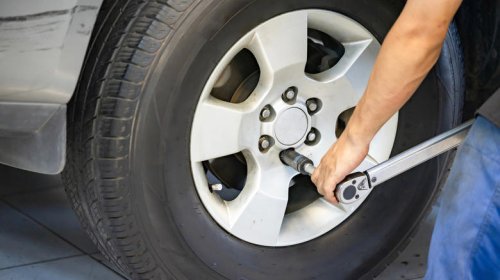
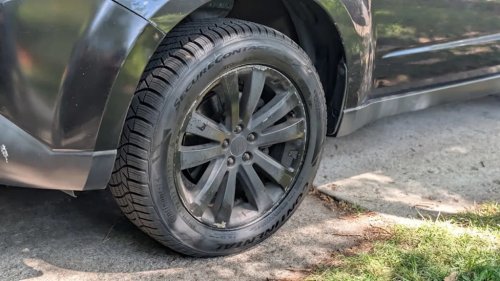
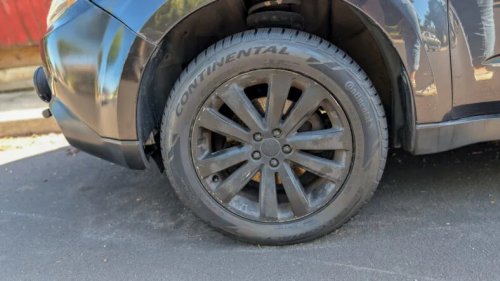
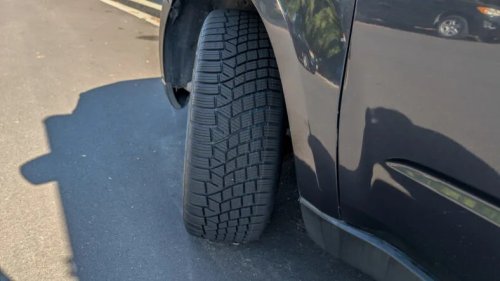
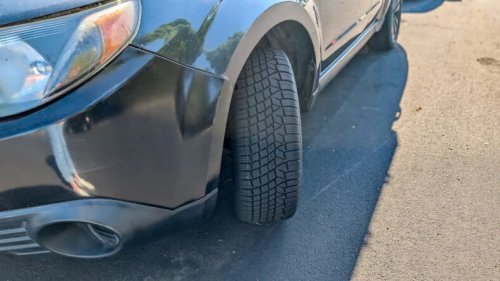
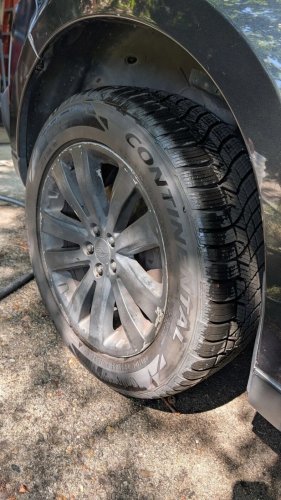
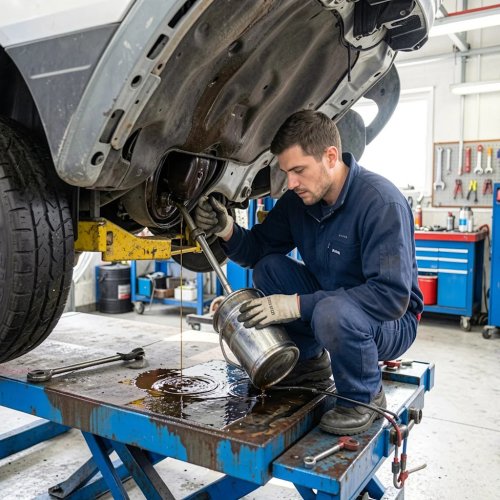
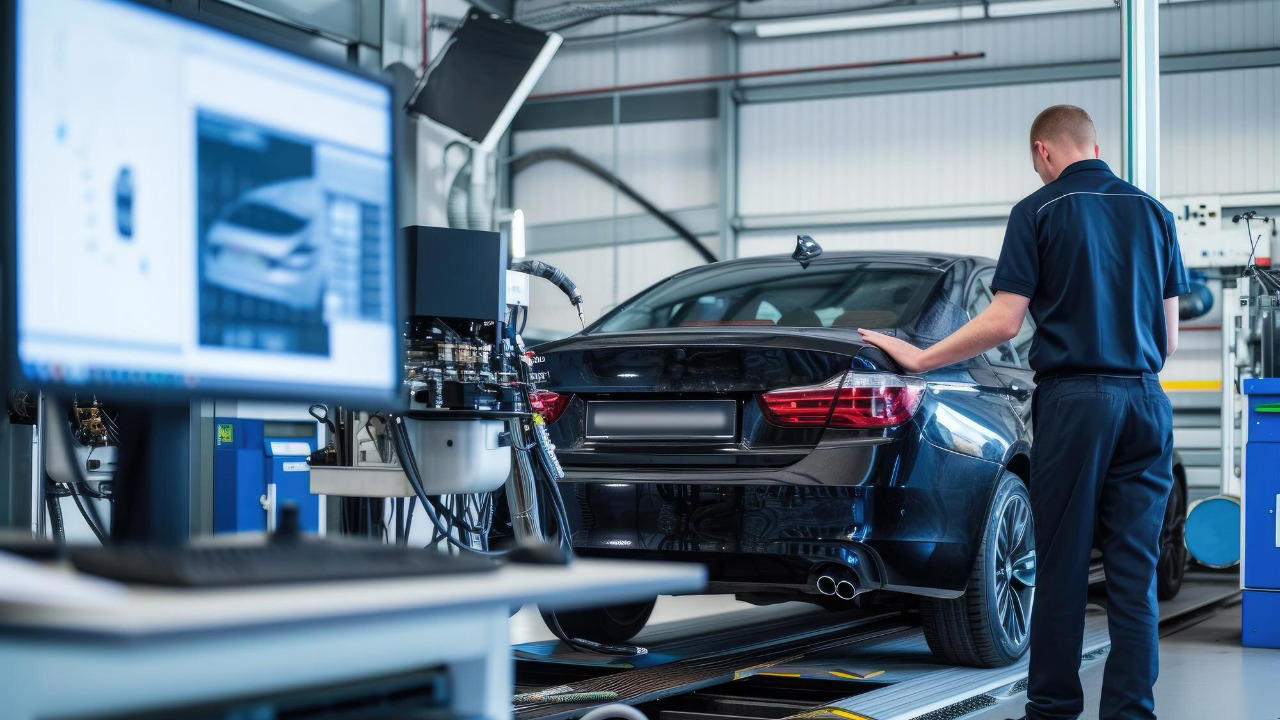
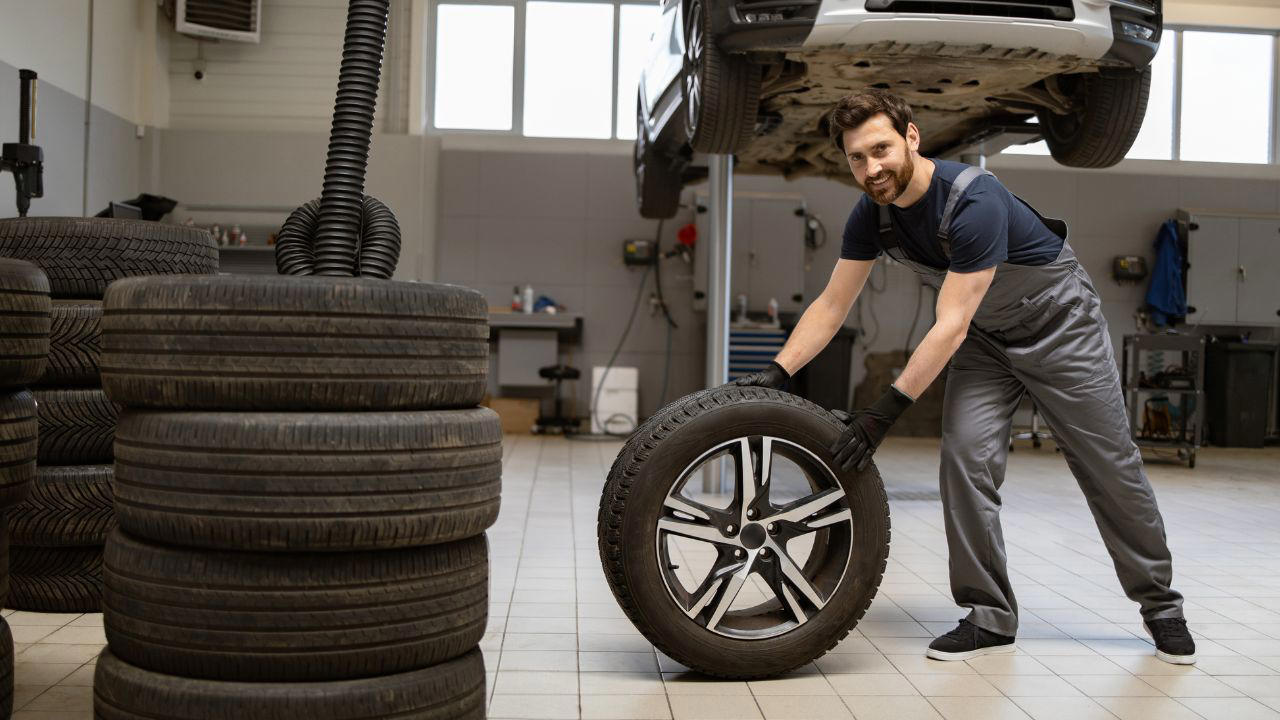
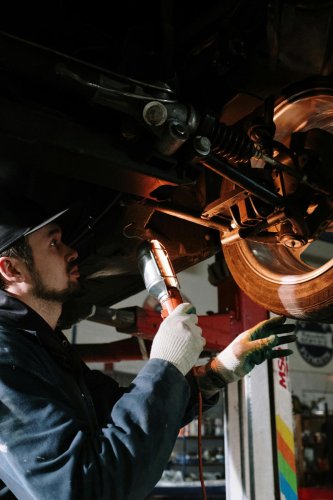
It was supposed to be a quick errand: swing by the shop, rotate the tires, grab a coffee, and get on with the day. The car was driving fine, no weird vibrations, no warning lights, nothing dramatic. I handed over the keys and said the magic words—“just a tire rotation, please”—because sometimes boring car maintenance is the best kind. About twenty minutes later, the phone rang with the kind of tone that makes your wallet instinctively flinch. The voice on the other end sounded friendly enough, but it had that “I’m about to tell you something important” cadence. And sure enough, the tire rotation had somehow turned into an urgent conversation about replacing all four tires immediately. The classic “good news, bad news” call The pitch usually starts the same way: “We took a look while it’s on the lift.” That sentence isn’t automatically bad—shops should notice safety issues. But the next part is where things get… stretchy: “Your tires are worn and it’s not safe to drive. We recommend four new tires today.” In this case, the explanation was a mix of vague concern and big numbers. Tread was “low,” wear was “uneven,” and the weather was apparently one raindrop away from disaster. The quote came fast, bundled with alignment, disposal fees, and a suggestion that rotating “wouldn’t really help anymore.” Why tire upsells are so common (and not always evil) To be fair, tires are one of the easiest things for a shop to flag because they’re visible, measurable, and tied to safety. If a tire really is bald, cracked, or damaged, you want someone to say something. A good shop should tell you, show you, and explain your options without turning it into a pressure cooker. But tires are also a high-margin, high-volume product, and the “replace all four” line is a reliable sales move. Sometimes it’s genuinely appropriate—like with all-wheel drive vehicles or when multiple tires are truly near the end. Other times it’s more like: you came in for a $30 service, and they’d really like you to leave $800 poorer. The moment the red flags popped up The first red flag was urgency without specifics. “Not safe” is a strong claim, so it should come with strong details: exact tread depth, where the wear is happening, and what the manufacturer recommends. When the answer stays fuzzy—“they’re pretty worn,” “you’re close,” “I wouldn’t risk it”—that’s not information, that’s a vibe. The second red flag was the insistence on replacing all four with no discussion of alternatives. If two tires are worn and two are fine, there are scenarios where replacing two makes sense, especially on a front-wheel drive car. A shop that jumps straight to “four tires or bust” without asking about your driving habits, budget, or vehicle type is basically reading from a script. What you can ask for on the spot (without sounding like a jerk) You don’t need to be a tire expert to slow the conversation down. A simple, calm question works wonders: “What are the tread depths on each tire?” Tread depth is measured in 32nds of an inch, and a shop worth trusting should be able to tell you numbers, not just feelings. Another good one: “Can you show me?” If you’re there in person, ask them to point out the wear, cracks, bulges, or whatever they’re concerned about. If you’re on the phone, ask for photos—many shops can text or email them, especially if they’re already doing digital inspections. And if they mention uneven wear, ask the follow-up: “What’s causing it?” Uneven wear can mean alignment issues, suspension wear, or chronic underinflation. Replacing tires without addressing the cause is like buying new shoes because the old ones wore out from walking funny. The quick sanity check: what tread depth actually means New tires often start around 10/32″ to 12/32″ of tread, depending on the model. Many people replace around 4/32″ to 3/32″ for wet-weather confidence, even though the legal minimum in many places is 2/32″. If the shop says you’re at 6/32″ and acting like you’re skating on ice, it’s okay to raise an eyebrow. One handy trick is the penny or quarter test, but it’s not perfect. A $5 tread depth gauge is better and takes ten seconds to use. Still, you don’t have to own one to ask for numbers and make sure the recommendation matches reality. When “four new tires” is actually the right call There are legitimate cases where replacing all four is smart, even if it hurts. All-wheel drive systems often prefer tires that match closely in circumference; mixing new and worn tires can stress the drivetrain. If the shop explains that clearly, with your vehicle’s requirements, that’s a different conversation than a generic scare pitch. It’s also reasonable if the tires are all near the end together, have dry rot from age, or show damage like sidewall bubbles. And if you’re heading into a rainy season, long road trips, or winter conditions, earlier replacement can be about confidence, not just minimum safety. How this plays out for a lot of drivers The emotional whiplash is real. You walk in thinking about a small maintenance item and suddenly you’re asked to approve a major purchase on the spot, usually while your car is held hostage on a lift. Even if the shop isn’t trying to be manipulative, the situation naturally pressures you to say yes. That’s why a helpful shop will give you room to decide. They’ll say something like, “Here’s what we found, here are the measurements, and here’s what I’d do if it were my car.” They’ll also be fine with you saying, “Rotate them today and I’ll think about tires this week.” Practical ways to protect your wallet without ignoring safety If the recommendation seems aggressive, ask for the tread depths and the specific reason they believe replacement is urgent. Then ask, “If I don’t replace them today, how long do you think I have?” A trustworthy answer might be, “A couple months,” “before winter,” or “you’re okay but start shopping.” It also helps to separate the services. Approve the rotation you came for, and if tires are truly needed, get a written quote and compare. Tire prices vary wildly, and even within the same brand there are different models—some great, some basically made of wishful thinking and rubbery vibes. And if the shop won’t rotate because they claim it’s unsafe, ask them to document exactly why. A flat refusal can be legitimate if cords are showing or there’s structural damage, but it should come with clear evidence. If they can’t explain it well, it’s reasonable to pick up the car and get a second opinion. The bigger takeaway: the best shops don’t rush you The awkward truth is that tire upsells sit right at the intersection of “important safety item” and “big revenue.” That doesn’t mean every recommendation is a scam, but it does mean you should feel comfortable asking for proof. You’re not being difficult—you’re being the person paying the bill. A tire rotation should still be a tire rotation unless the facts genuinely change the story. If a shop can show you measurements, explain the risks, and offer options without panic, that’s a place you can probably trust. If it feels like a game of financial jump-scare, you’re allowed to politely step out of the haunted house. More from Fast Lane Only Unboxing the WWII Jeep in a Crate 15 rare Chevys collectors are quietly buying 10 underrated V8s still worth hunting down Police notice this before you even roll window down The post I asked for a simple tire rotation, but the shop tried to upsell me on four new tires appeared first on FAST LANE ONLY.



















 +40 others