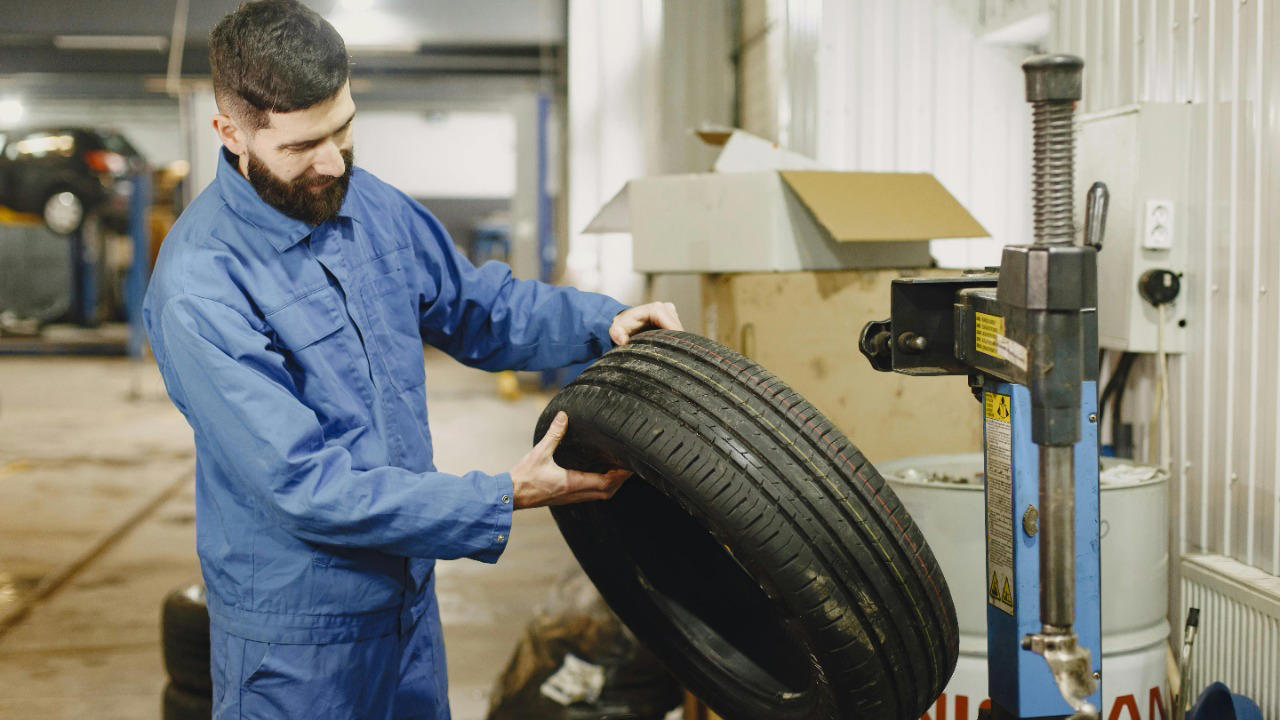
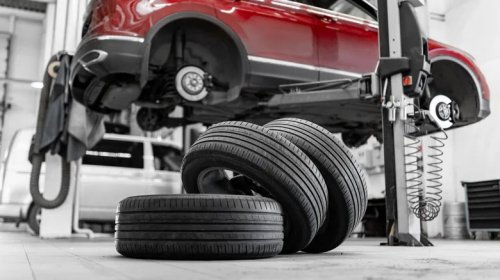
A tire rotation is supposed to be the definition of low-drama car care. You pull in, hand over the keys, maybe grab a coffee, and come back to a vehicle that’s a little better set up for even tread wear. But one local owner says their “quick rotate” turned into a full-on wheel nightmare: fresh scratches on all four rims. “I went in for something routine,” the owner told us, still sounding half confused, half annoyed. “I left with four wheels that look like they got into a fight with a belt sander.” It’s the kind of story that spreads fast in group chats, because it taps into a shared fear: your car goes in fine, and it comes out… not fine. What the owner says happened According to the owner, the appointment was straightforward: rotate the tires and do a basic inspection. No major repairs, no complicated diagnosis, and definitely no expectation that anyone would touch the face of the wheels with anything sharp. The car had no obvious curb rash beforehand, they say, and the wheels were clean enough that they’d notice damage quickly. When they got the car back, the problem didn’t jump out from across the lot. It was only after getting home—under better light—that the owner noticed new scuffs and scratches circling the rim edges and around the lug areas. “It wasn’t one wheel,” they said. “It was all four, which is what made it feel so unreal.” Why wheel scratches happen during “simple” services Wheel damage during tire work isn’t rare, but it’s always frustrating because it feels so avoidable. Rotations involve removing and reinstalling wheels, which means tools, sockets, impact guns, and sometimes a hurry. Add a busy service bay and you’ve got the perfect recipe for accidental contact. One common culprit is the wrong socket or an unprotected impact socket that rubs against the wheel’s finish. Many modern wheels have tight lug recesses, and if a tech uses a metal socket without a protective sleeve, it can scuff the area in seconds. Another is improper handling—resting a wheel face-down on rough concrete or sliding it across the floor when it’s being moved around the shop. The “all four wheels” detail that raises eyebrows Scratches on a single wheel can be chalked up to a one-off mistake. Scratches on all four often point to a repeatable process issue: the same tool, the same technique, or the same handling habit applied four times in a row. The owner says that’s what made the situation feel less like bad luck and more like something systemic. To be fair, not every scratch looks the same in person, and some older marks only become obvious after the wheels are cleaned. Still, the owner insists the timing was too perfect to ignore. “I don’t rotate my tires every week,” they joked. “So the ‘mystery scratches’ showing up the same day isn’t exactly subtle.” How the owner approached the shop The owner says they contacted the shop quickly, first by phone and then in person, bringing photos taken the same day. That part matters, because damage claims often get messy when time passes and it’s unclear what happened when. “I didn’t want to storm in,” the owner said. “I just wanted them to see what I was seeing.” They also asked a practical question: what’s the shop’s policy for wheel damage, and how do they document vehicle condition before service? Some shops do walkarounds with a tablet, noting existing curb rash or chips. Others rely on quick visual checks, which can be fine—until it isn’t. What shops typically do in these situations Policies vary, but there are a few common paths. A shop might offer to refinish the wheels through a vendor they use, cover the cost of repair at a third-party wheel specialist, or propose a partial credit if the damage is minor and repairable. In tougher disputes, the shop may ask for time to investigate, review bay footage (if available), or inspect the wheels under proper lighting. Wheel refinishing isn’t one-size-fits-all, though. Some finishes can be spot-repaired; others require a full refinish to match. And if the wheels are diamond-cut or have special coatings, repairs can get expensive quickly—which is why owners often push for a solution that restores the wheels properly, not just “makes it less noticeable.” What to do if you notice damage after service If this ever happens to you, the boring advice is also the best advice: document everything immediately. Take clear photos of each wheel from multiple angles, in good light, and include a wider shot showing the whole car for context. If you can, note the mileage and keep the receipt showing the date and time of service. Then contact the shop promptly and calmly, even if you’re steaming. Ask them to inspect the wheels with you and explain their next steps. Being specific helps: point out where the marks are, whether they’re near lug holes, on spokes, or along the lip—those patterns can hint at the cause. How to reduce the chances next time It’s not unreasonable to ask what tools they use on alloy wheels and whether they have protective sockets. Some shops already use nylon-sleeved sockets as standard; others do if you request it. You can also ask them not to wash the car or apply tire shine if you prefer, since extra steps mean extra opportunities for accidental contact. If your wheels are pristine or high-end, consider mentioning that upfront in a friendly way. “Hey, the wheels are in great shape—please be careful with the sockets,” is a normal sentence, not a diva demand. The best shops won’t roll their eyes; they’ll appreciate that you’re paying attention. A small story with a big lesson The owner’s complaint is still being worked through, and the outcome may depend on what the shop finds and how they handle customer care. But the story resonates because it’s so relatable: you did the responsible thing, and now you’re stuck chasing a fix you never asked for. “I’m not trying to get anyone in trouble,” the owner said. “I just want my wheels back to how they were.” And really, that’s the heart of it. Routine maintenance should feel routine from start to finish. When it doesn’t, the best remedy is fast documentation, clear communication, and a shop willing to treat a customer’s frustration like a real problem—because, scratches or not, it is. More from Fast Lane Only Unboxing the WWII Jeep in a Crate 15 rare Chevys collectors are quietly buying 10 underrated V8s still worth hunting down Police notice this before you even roll window down The post Owner says a routine tire rotation ended with scratches on all four wheels appeared first on FAST LANE ONLY.


















 +57 others