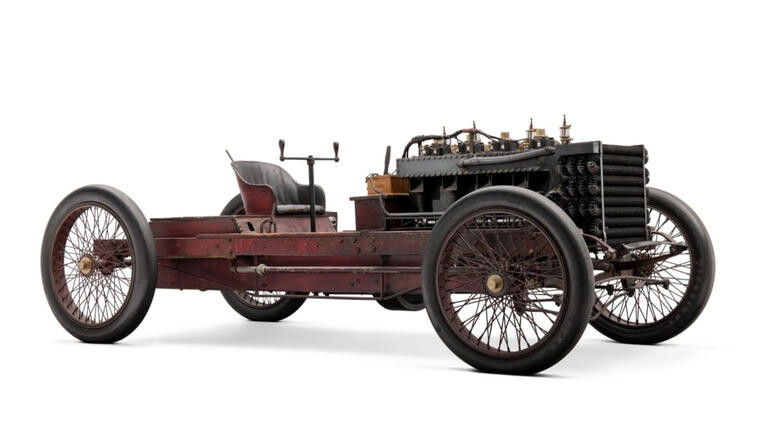
Audrey Côté · 6 months ago@audreycote53Before he changed the world with inexpensive cars, Henry Ford was the fastest man on four wheels Liked by+37 othersPost commentRelated PostsThis Ultra-Rare Mustang Was Built To Be Rented – Now Only Four ExistConnor Leblanc · 12 days agoThis Is Your Chance To Own A Super-Rare Low-Mileage 1970 Ford Mustang Boss 429Madeleine King · 12 days agoIIHS Launches New Attack In War To Make Heavy-Duty Trucks And Cargo Vans Less DeadlyEmma Lewis · 12 days agoAn Oregon-to-California EV trip got easier, but the fast-charging bill didn'tIsabelle Hill · 12 days agoF-150 Lightning owner says 9,000 miles of home charging cost the same as old monthly gas billParker Labelle · 12 days agoAll the Great Car Names Have Been TakenAva Labelle · 12 days agoWhat's The Difference Between Android Automotive And Google Built-In?Adam Gagnon · 13 days agoWatch This Goofy Ford Super Duty Bro Truck Roll Over in a Normal TurnMia Lee · 13 days ago1969 Ford Mustang Mach 1 S-Code 390 for Sale With 443 Miles ShownEvan Wright · 13 days agoMillionaires, Mistresses And Man-Eating Snakes: Take A Dive Into The History Behind Some Of The Most Interesting Car LogosIsabelle Rogers · 13 days agoThe Differences Between Transmission And Hydraulic Fluid (And Why They Matter)Benjamin Mitchell · 13 days agoA New Ford Bronco Has Nothing On A 1969 Model Like ThisEmma Clark · 13 days ago6 New Cars With Payments That Cost Less Than $500 Per MonthOliver Lewis · 13 days agoIn the US, new Tesla Model 3 and Model Y orders can now back up a home during outagesLiam Girard · 13 days ago2020 Ford F-150 Shelby Super Snake Sport for Sale With 9,000 MilesOliver Lavoie · 13 days agoGeorgia Wrongful-Death Suit Goes After the Dealer, the Installer and the Maker of a Six-Inch F-150 LiftCaleb Roy · 13 days agoInside the Ford Factory That Makes America's Favorite Pickup TruckHenry Anderson · 13 days agoFord's Beach Mode Idea Might Move Your Car Before the Tide HitsEmily Mitchell · 13 days agoClose Ratio Vs. Wide Ratio Transmissions: What's The Difference?Caleb Campbell · 13 days agoAmerica’s Only True Crossover Convertible Was an Absolute FlopVictoria Bouchard · 13 days ago



 +37 others


