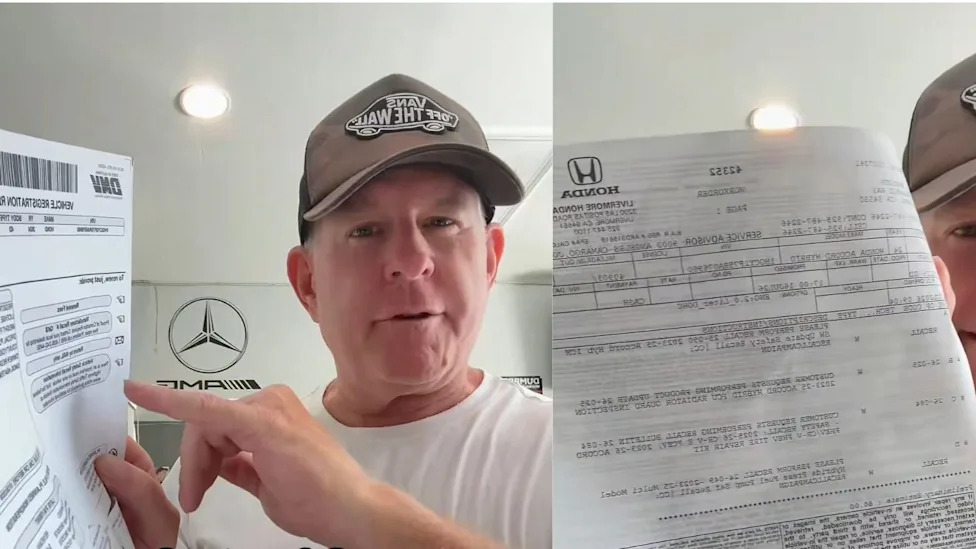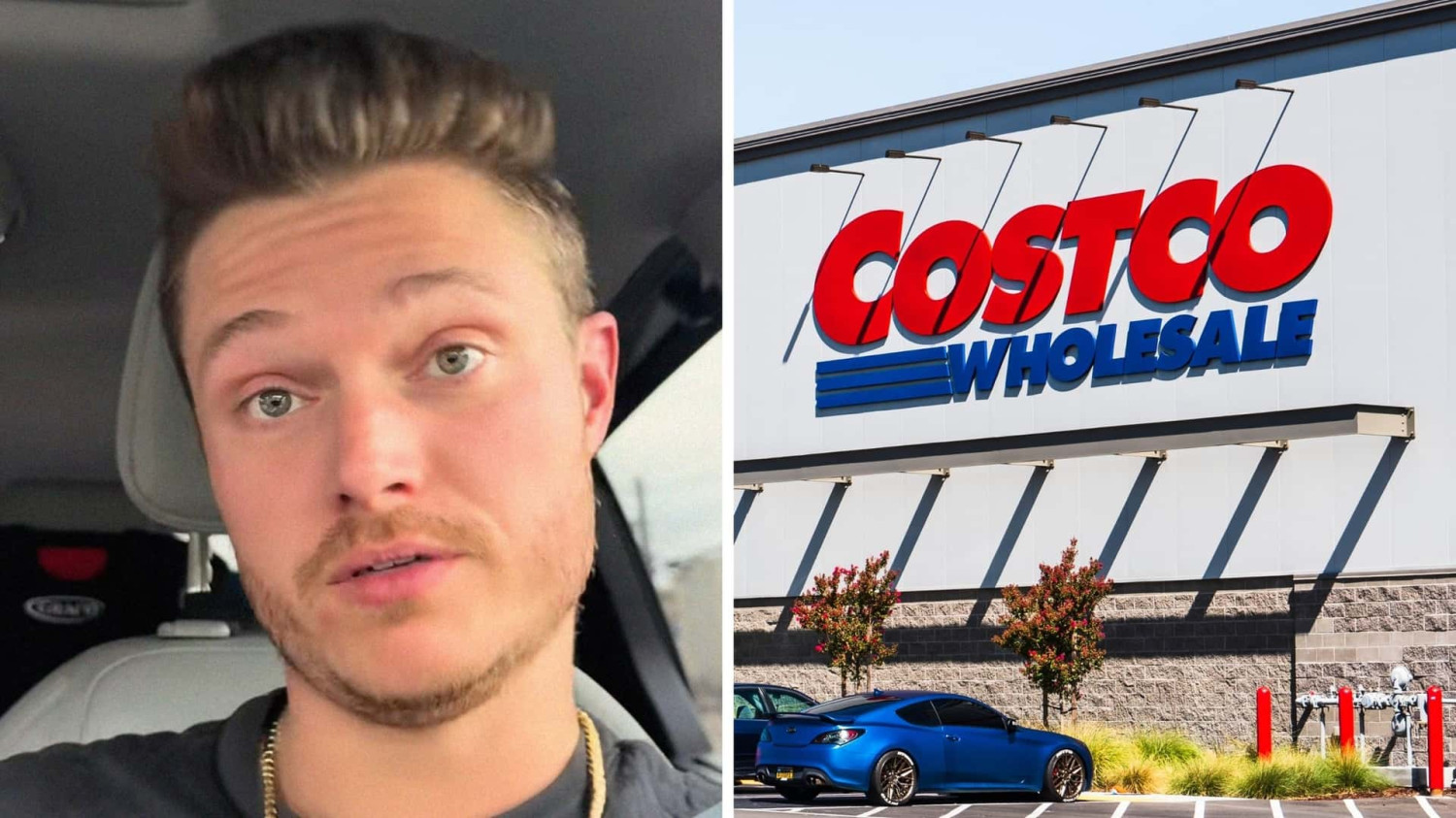



















Owner says dealership installed the wrong tires then said the difference was “Close Enough”A routine tire swap turned into a head-scratcher for one vehicle owner after a dealership allegedly installed a different tire size than what was ordered. According to the owner, when they pointed out the mismatch, the response they got was a shrugging, “close enough.” It’s the kind of phrase that works for tossing socks into a drawer, not so much for the four contact patches keeping a car glued to the road. The story has been bouncing around online because it hits a nerve: most people don’t want to become tire experts just to keep their car maintained. You trust the shop, you pay the bill, and you expect the basics—like the right size—to be handled. Instead, the owner says they were left double-checking the work after the fact and wondering what “close enough” even means in tire math. The Appointment That Was Supposed to Be Simple The owner says they brought their vehicle to a dealership service department for new tires, expecting a straightforward install. They’d either requested a specific size that matched the factory spec or approved a particular replacement based on what the dealership recommended. Either way, the expectation was clear: mount the correct tires, balance them, and send the car home ready for normal life. But after picking up the vehicle, the owner noticed something didn’t look quite right. Maybe it was the stance, maybe it was the sidewall lettering, or maybe they just had that nagging “wait a second” feeling that makes you look closer. Once they checked the tire markings, they say the size on the sidewall didn’t match what they’d agreed to. What the Owner Says Was Different Tire sizes look like a random code until you learn the basics: something like 225/60R18. That’s the width in millimeters, the sidewall height as a percentage of width, and the wheel diameter in inches. Change any of those numbers, and you can change the tire’s overall diameter, how the car rides, and how the speedometer reads. In this case, the owner claims the dealership installed a different size than the one listed on the invoice or discussed during the purchase. The swap might’ve been “only” a small change—one of those situations where the numbers are close enough that you might not notice at a glance. But the owner’s position was simple: close isn’t the same as correct, especially when it’s their money and their safety. “Close Enough” and Why That Phrase Makes People Nervous The owner says they contacted the dealership to ask about the discrepancy and were told the tires were effectively the same—or “close enough.” That explanation didn’t sit well, and honestly, it wouldn’t for most drivers. Tires aren’t like swapping a phone charger; tiny differences can affect daily driving in ways that aren’t obvious until you’ve put some miles on. To be fair, there are situations where alternative sizes can work. Some people purposely “plus-size” wheels and tires, or choose a slightly different tire model for availability, price, or performance. The key difference is consent and clarity: if a shop plans to deviate from the requested size, it should be discussed and approved before the tires go on the car. Why Tire Size Matters More Than It Seems Even a small change in overall tire diameter can throw off the speedometer and odometer. Your car might say you’re going 60 mph when you’re actually going 62—or 58—depending on the direction of the change. That’s not usually catastrophic, but it’s not nothing either, especially for highway driving and mileage tracking. There’s also clearance to think about. A tire that’s slightly taller or wider can rub against suspension components or the fender liner, particularly at full steering lock or when hitting bumps. Sometimes it only happens with passengers in the car or when you’re turning into a steep driveway, which makes it extra annoying to diagnose. Then there are the systems modern cars rely on: ABS, traction control, and stability control. These systems assume certain rolling characteristics, and while a small change on all four tires might be tolerable, mismatches—especially front-to-rear or side-to-side—can cause weird behavior. Add all-wheel drive into the mix, and the stakes can rise, because some AWD systems are sensitive to differences in rolling circumference. What Could’ve Happened Behind the Counter There are a few common ways this kind of mix-up can happen without anyone twirling their mustache. Tire shortages and backorders are real, and sometimes the exact requested size isn’t available on the timeline a customer wants. A service advisor might suggest a substitute, but if the communication is sloppy, the substitute becomes “the plan” without the customer realizing it. It can also come down to part-number confusion or an internal substitution that wasn’t properly documented. One digit off in a tire size, or a technician grabbing what’s on the rack because it “matches most of them,” is all it takes. And while dealerships often have solid processes, they’re still staffed by humans in a hurry on a busy day. How to Check Your Tires in 30 Seconds If you’re reading this and thinking, “Now I want to go stare at my tires,” that’s not a bad instinct. Look at the sidewall and find the size code, like 235/55R19, and compare it to what’s on your receipt or what’s listed on the driver’s door jamb sticker. That sticker is basically the car’s cheat sheet for original fitment. Also check the brand and model name of the tire, not just the size. Shops sometimes install the right size but a different tire line than what was quoted, especially if they’re swapping between similar options. If anything doesn’t match what you agreed to, it’s easier to address it immediately than after a few hundred miles. What to Do If a Shop Installs the Wrong Size Start by staying calm and gathering specifics: photos of the tire sidewall, a copy of the invoice, and a photo of the door jamb tire placard. Then call the service department and ask them to explain the discrepancy in plain language. A good first question is, “Is this the size you intended to install, and if so, where is my approval documented?” If the initial response is still “close enough,” ask what impact it has on speedometer accuracy, load rating, and clearance, and request that they put their answer in writing. If you’re not satisfied, escalate to the service manager and then the dealership’s general manager. Many issues get resolved quickly once the right person sees a clear mismatch between the work order and what’s on the vehicle. If that still doesn’t help, owners often turn to the manufacturer’s customer assistance line (for franchised dealerships) or local consumer protection agencies. Credit card disputes can be a last resort, but they’re usually more effective when you’ve already documented the problem and given the business a chance to fix it. The goal isn’t drama—it’s simply getting the product you paid for, installed correctly. A Small Mix-Up That Can Feel Weirdly Personal There’s something uniquely frustrating about car issues because you’re trusting someone with a machine you depend on every day. When a dealership says a mismatch is “close enough,” it can come across like they’re telling you not to worry your pretty little head about it. And that’s when people dig in, because nobody likes feeling dismissed. For now, the owner’s story is a reminder that it’s worth checking the basics after any service visit—especially tires, because they’re literally where the rubber meets the road. Most shops want to do the right thing, but when a mix-up happens, “close enough” shouldn’t be the final answer. The correct answer is whatever matches the order, the vehicle’s needs, and the customer’s informed approval. More from Fast Lane Only Unboxing the WWII Jeep in a Crate 15 rare Chevys collectors are quietly buying 10 underrated V8s still worth hunting down Police notice this before you even roll window down “` The post Owner says dealership installed the wrong tires then said the difference was “Close Enough” appeared first on FAST LANE ONLY.