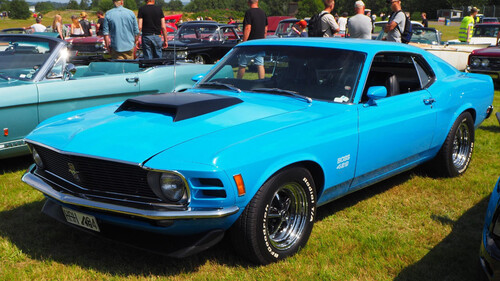
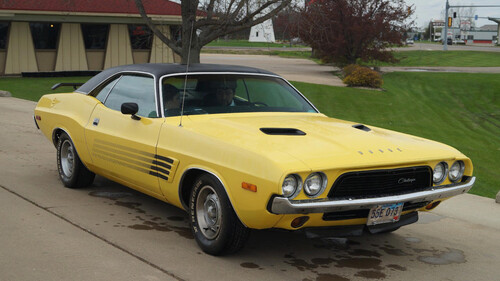
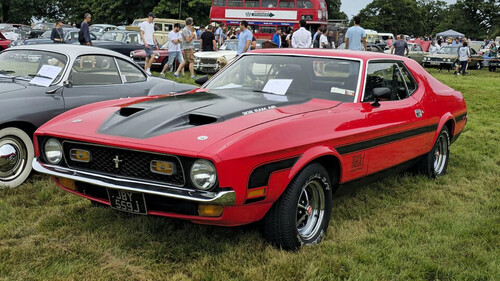
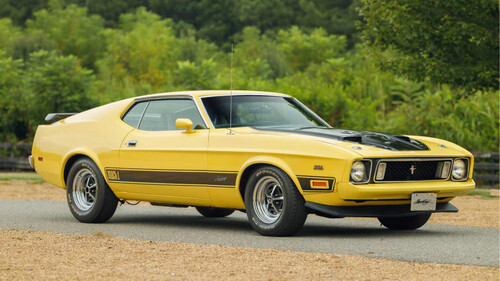
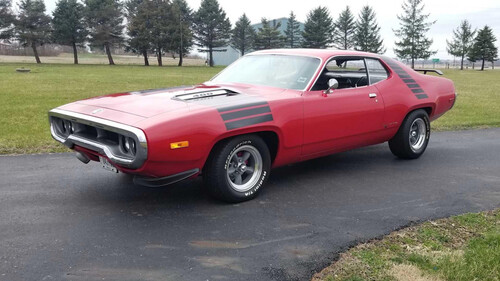
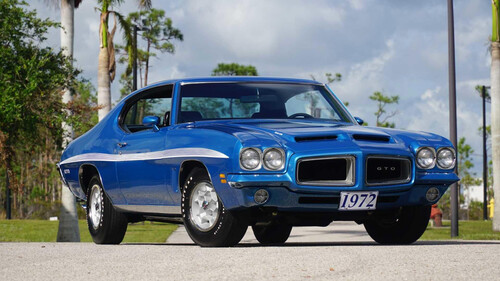
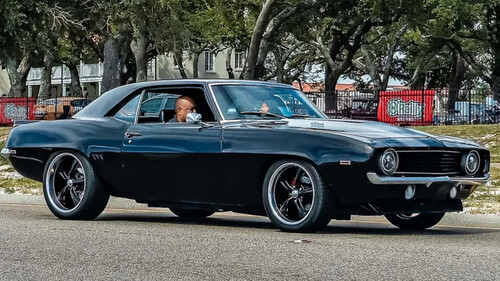
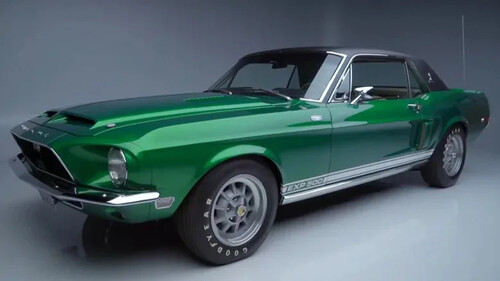
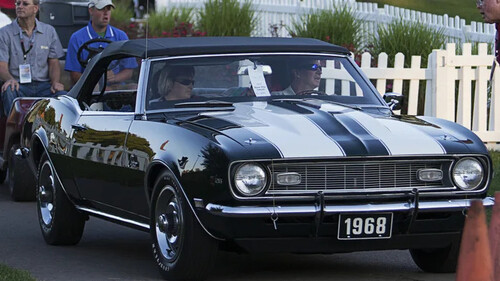
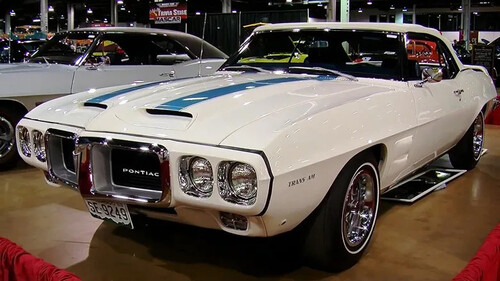
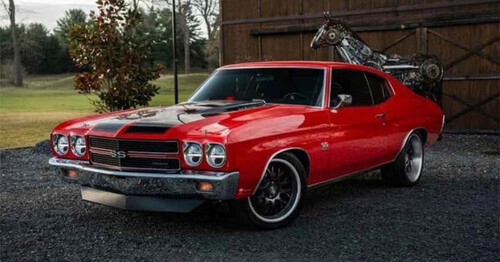
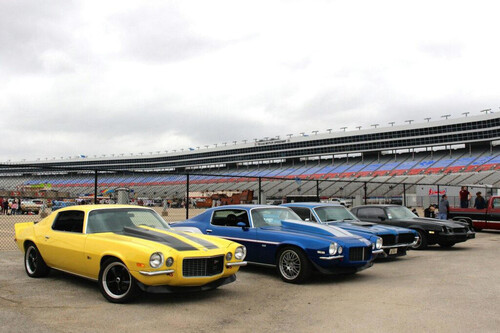
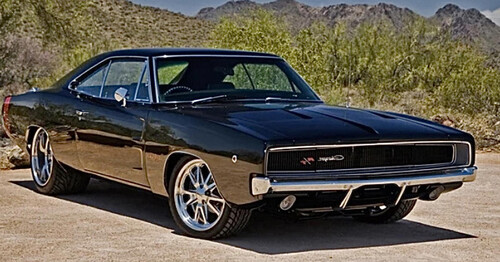
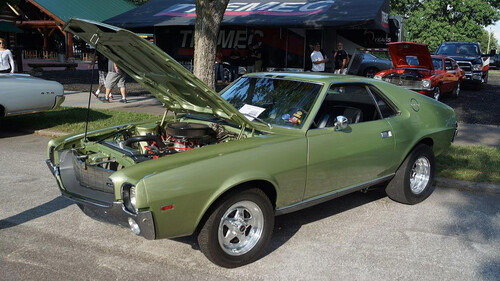
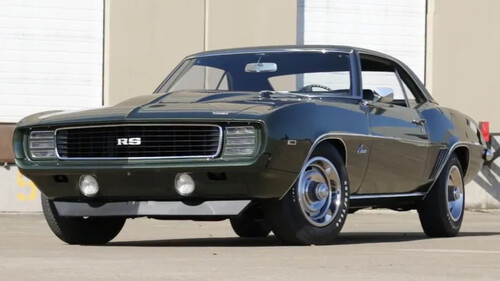
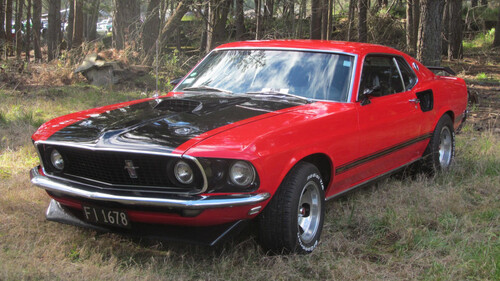
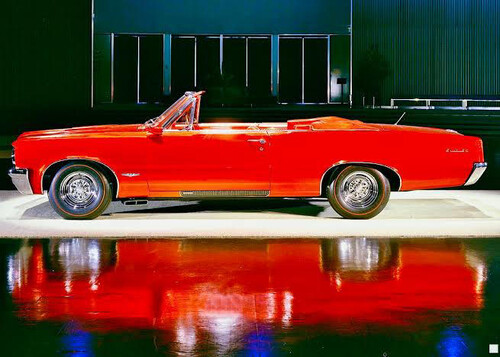
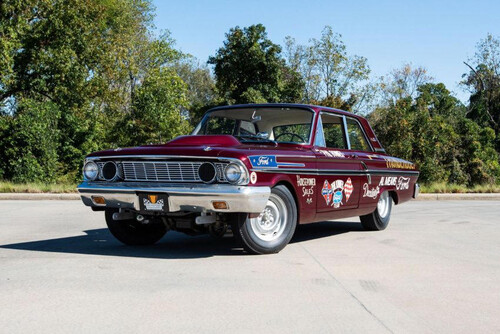
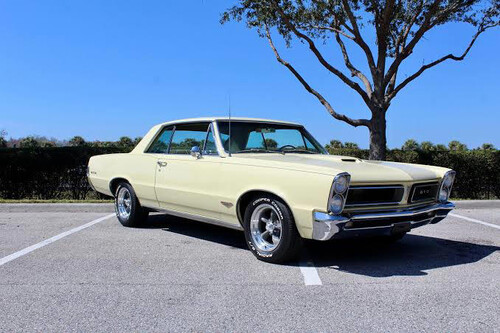
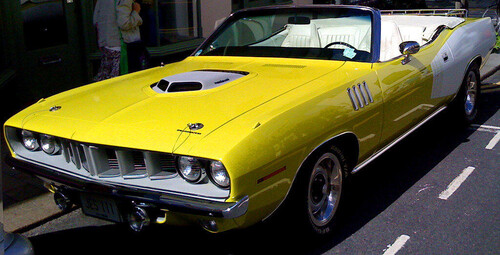
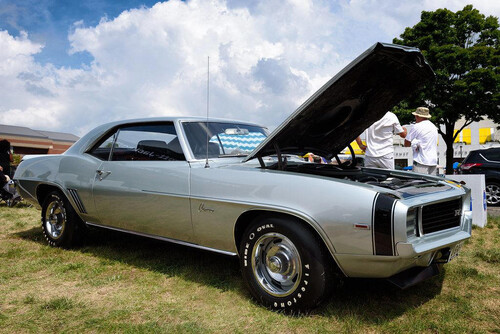
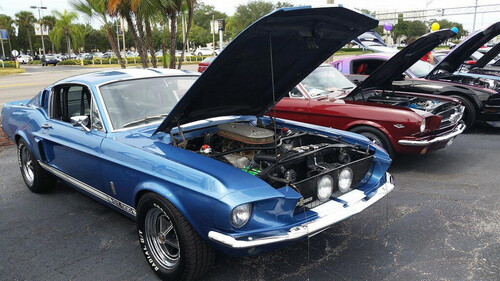
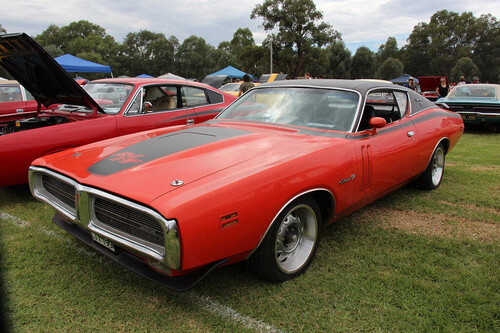
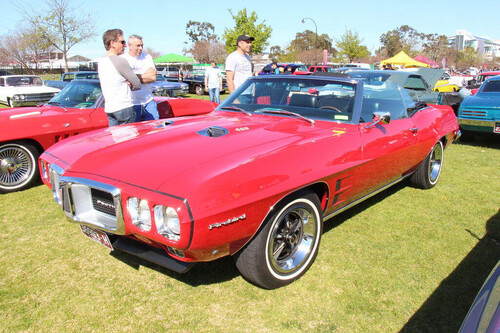
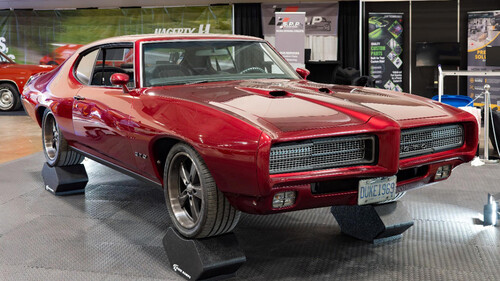
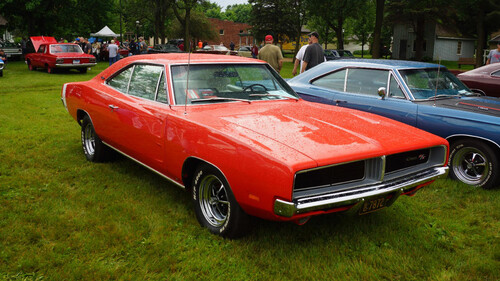
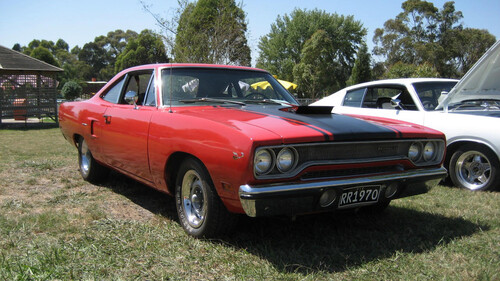
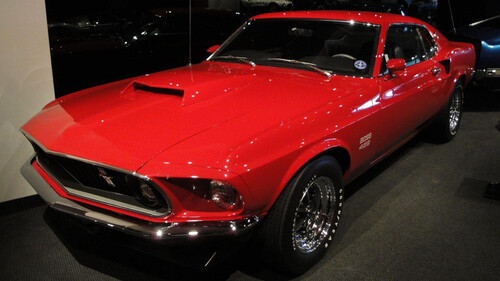
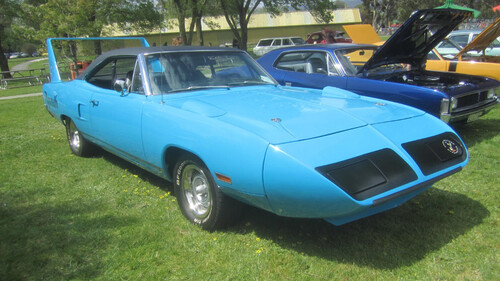
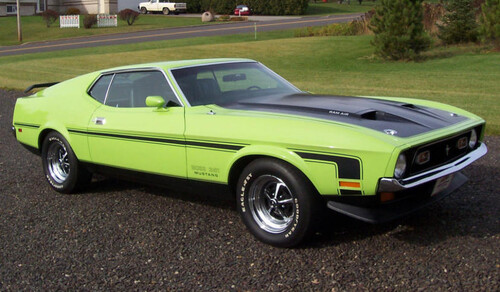
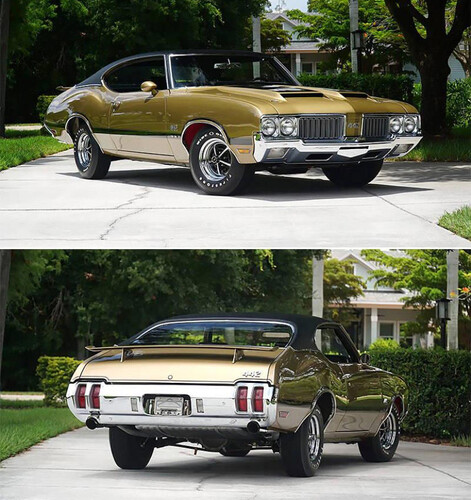
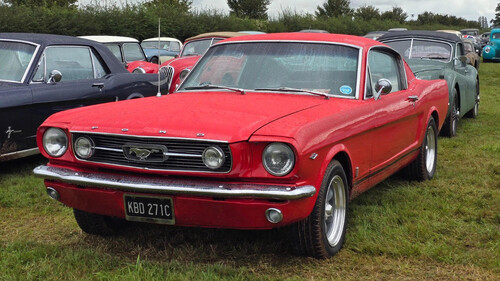
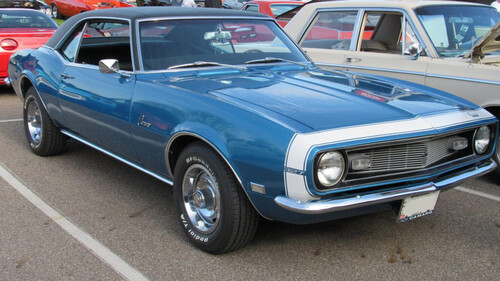
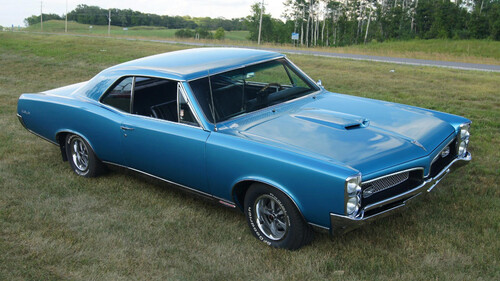
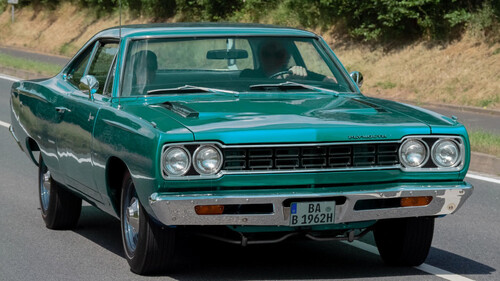
Muscle cars vs pony cars what’s the real difference and does it matterAmerican car fans toss around the labels “muscle car” and “pony car” as if everyone agrees on what they mean. In reality, the line between the two has blurred so much that a late model coupe can be called both, sometimes in the same breath. Sorting out the real difference and whether that difference still matters, means going back to how these cars were originally built and sold. The classic definitions grew out of specific eras, engines, and body styles, but modern performance cars mix those traits freely. Today, the debate says as much about nostalgia and identity as it does about horsepower or wheelbase. How enthusiasts usually define a muscle car Most traditional definitions start with size and power. A muscle car is typically a big, broad shouldered American coupe or two door sedan with a large displacement V8, rear wheel drive, and straight line speed as its main purpose. One analysis describes it as a car “stuffed with a large displacement V8 and engineered to go fast in a straight line,” a formula that fits icons such as early Chevrolet Chevelle SS models or Plymouth Road Runners. That focus on raw acceleration goes hand in hand with a relatively simple chassis and suspension. Compared with smaller performance cars, classic muscle machines often sacrificed finesse on a twisty road for brutal torque and a dramatic quarter mile time. A detailed history of the segment notes that the typical Muscle Car recipe combined a mid size body, a big block engine, and an affordable sticker price that put serious performance within reach of younger buyers. Body style also matters. Two doors are the norm, but some enthusiasts include four door sedans when they match the rest of the formula. In their view, what really defines the category is the pairing of American mass market roots with high output V8 power. What sets a pony car apart Pony cars emerged slightly later and aimed at a different kind of driver. They were smaller, sportier coupes with long hoods, short rear decks, and a lower base price. One detailed guide describes the typical Pony car as a compact, Rear Wheel Drive coupe with a long hood and shorter decklid, a layout that emphasizes style and agility as much as power. The Ford Mustang is the template. Sources that track the category explain that the term “pony car” grew from the Mustang’s name and badge, and that other models such as the Chevrolet Camaro and Pontiac Firebird followed the same basic pattern. A detailed comparison of Pony Car and Muscle Car traits notes that pony cars started as smaller, lighter vehicles with better handling and more varied engine choices, including six-cylinder options that kept entry prices down. Styling and marketing are just as important as hardware. Pony cars were aimed at younger drivers who wanted a sporty image, with long option lists that let buyers personalize stripes, wheels, and interiors. That mix of style and performance made them cultural symbols as much as transportation. Key differences: size, engine, and mission When enthusiasts try to draw a clean line between the two categories, they usually land on three main traits: footprint, powertrain, and purpose. Size and weight. Several guides stress that pony cars were historically smaller and lighter than muscle cars. One summary notes that historically, pony cars were smaller, less powerful, and better handling, while muscle cars were larger and more straight-line focused. Engines. Muscle cars traditionally used large-displacement V8s as standard equipment. Pony cars often started with modest engines and offered V8s as options, which meant a base Mustang or Camaro could be more about style than speed. Performance focus. Muscle cars were built around drag strip performance. Pony cars, especially early Mustangs and Camaros, put more emphasis on balance and cornering, even when fitted with strong V8s. One enthusiast-oriented comparison explains that what separates the categories is less about a single specification and more about the overall package and intent. A mid-size coupe with a huge V8 and basic suspension fits the muscle mold, while a compact coupe with a long hood, shorter rear deck, and more agile handling fits the pony pattern. The Mustang question and the birth of the pony car The Ford Mustang sits at the center of this debate. One resource aimed at Mustang owners notes that one question Mustang drivers get frequently is what is the difference between a muscle car and a pony car, and it emphasizes that the Mustang defined the pony segment, even as some trims overlapped with muscle territory. Another guide from the same source explains that Jul and One are used to highlight how the Mustang’s launch created a new market niche, with compact proportions and wide-ranging options that other brands rushed to copy. That second overview of Differences Between Pony reinforces that enthusiasts still argue over whether a high-performance Mustang counts as a muscle car, a pony car, or both. Historical research into early sales and development shows that the Mustang was not even the first car to fit the template. One detailed history of American coupes notes that the Pony Car label can be applied to slightly earlier models that matched the long hood, short deck, compact layout, even if they did not use the horse badge or the Mustang name. Classic muscle: Chevelle, GTO, Charger and beyond While the Mustang and its rivals defined the pony niche, a different set of cars cemented the muscle formula. Mid-size coupes and sedans from Chevrolet, Pontiac, Dodge, and Plymouth grew more powerful through the late 1960s, with big block engines and aggressive styling. Chevrolet’s own history of performance models highlights how the brand built everything from full-size Impala SS coupes to mid-size Chevelle and Malibu variants with high-output V8s. Browsing the performance section of the Chevrolet site shows how the company still leans on that heritage when marketing modern V8-powered cars and trucks, even as the hardware has changed. Other brands followed similar paths. A detailed muscle car history points to Pontiac GTO models, Dodge Chargers, and Plymouth GTX coupes as textbook examples of the formula described in The History and Definition of a Muscle Car, with American manufacturers using big displacement engines and bold bodywork to win young buyers. Blurred lines in the modern era Modern performance cars make the neat textbook distinctions harder to apply. A recent overview of the debate notes that car culture is full of passionate arguments about the difference between muscle cars and pony cars, yet modern models share so much hardware that the categories overlap. One analysis of Muscle Cars and Pony Cars argues that they have the same vibe but different DNA, then concedes that current generations mix traits from both. Another enthusiast blog puts it more bluntly, stating that on this day, the differences between pony cars and muscle cars are mere technicalities and that the modern versions of these cars barely resemble their ancestors. That summary on muscle cars vs. captures the way modern engineering, safety rules, and emissions standards have pushed both categories toward similar platforms and powertrains. Today, a single model line can cover both labels depending on trim. A base Mustang with a turbo four-cylinder engine fits the classic pony mold more than the muscle formula. A Mustang with a large displacement V8 and drag strip gearing looks like a muscle car on paper, even though the body is still compact. How different sources draw the line Because the hardware overlaps, different enthusiasts and historians weigh traits differently. One guide on Defining the American automobile argues that muscle cars are defined by their big engines and straight line focus, while pony cars are defined by their smaller size and emphasis on style. Another resource aimed at restoration shops explains that What is a Pony Car depends partly on the era and the market, and that American brands blurred the lines when they offered big engines in smaller bodies. A separate analysis framed as “Pony Car vs Muscle Car: What’s the Difference?” concludes that the Difference between the two has been debated for decades and that some models, such as high-performance Camaros, can fit either label. That same resource on What separates Pony and Muscle notes that enthusiasts often use context clues, such as wheelbase and curb weight, when arguing over a specific car. Even social media commentary reflects this split. One post shared by enthusiasts states that historically pony cars were smaller, less powerful, and better handling than muscle cars, But today the categories overlap and the terms are commonly used interchangeably, a summary that matches what many owners already feel. Marketing, culture, and why the labels persist If the hardware has converged, why do the old labels survive at all? Part of the answer lies in how automakers and aftermarket brands sell performance. A blog aimed at throttle controller customers describes Car culture debates about these categories as enjoyable and confusing, yet still uses both labels to connect with different types of buyers who search for “muscle car” parts or “pony car” upgrades. Real world examples: where specific cars land Ford Mustang. Early six-cylinder Mustangs are almost universally treated as pony cars. High-performance versions with big V8s, especially in later generations, are often called muscle cars as well, which is why Mustang owners keep getting that. One question about the difference. Chevrolet Camaro. First-generation Camaros mirrored the Mustang formula, with compact proportions and a long hood. Z/28 and big block SS trims push into muscle territory in terms of power, yet the basic layout still fits the pony pattern. Dodge Challenger. Classic Challengers split the difference, with a larger footprint than a Mustang but a sportier profile than a full-size sedan. Modern Challengers, especially Hellcat variants with supercharged V8s, are usually filed under muscle car first. Pontiac GTO. Often described as one of the earliest true muscle cars, the GTO used a mid-size body and a big V8 without the compact pony silhouette. How to think about your own car If the car is compact, with a long hood, short rear deck, and was marketed heavily on style and personalization, it probably fits the pony template. If it uses a mid-size or full-size body with a large displacement V8 as standard and was sold as an affordable way to get maximum straight line speed, it likely belongs in the muscle camp. If it mixes traits from both, such as a modern Mustang or Camaro with track-focused suspension and huge power, it can reasonably claim both labels depending on context. More from Fast Lane Only Unboxing the WWII Jeep in a Crate 15 rare Chevys collectors are quietly buying 10 underrated V8s still worth hunting down Police notice this before you even roll window down The post Muscle cars vs pony cars what’s the real difference and does it matter appeared first on FAST LANE ONLY.