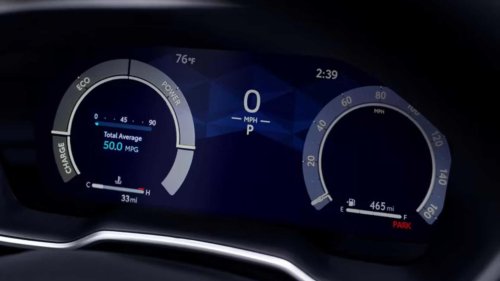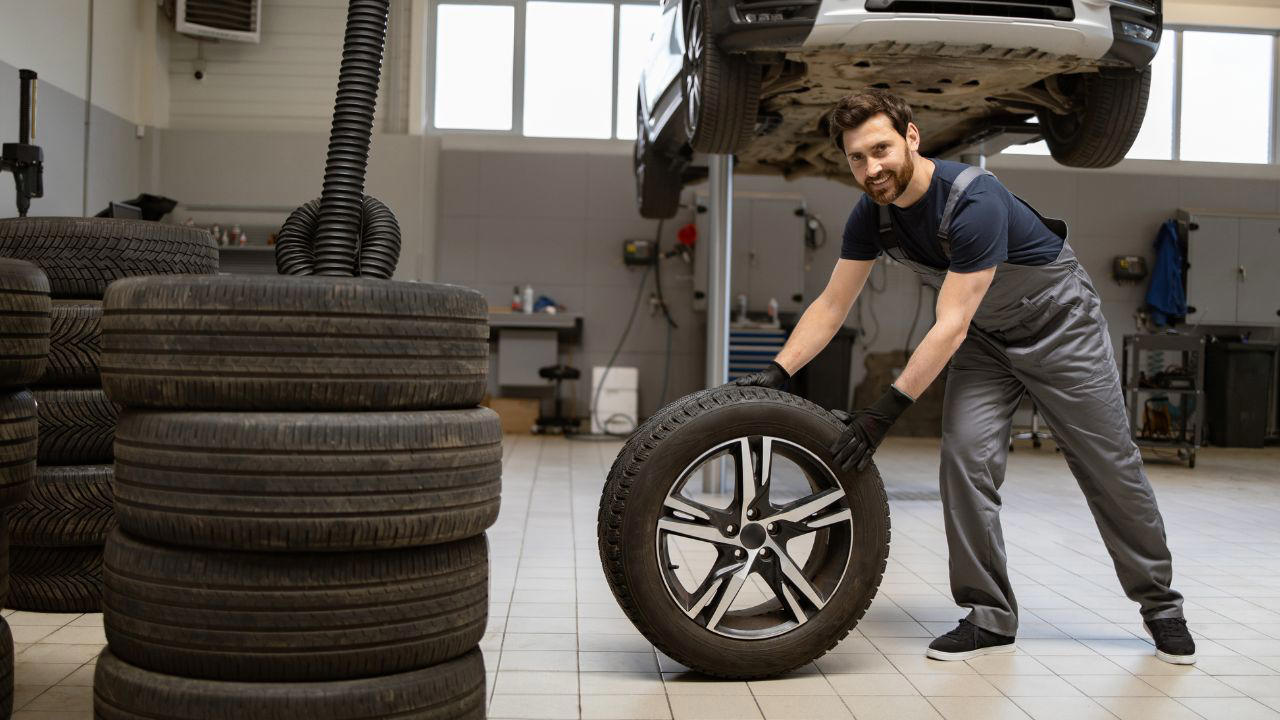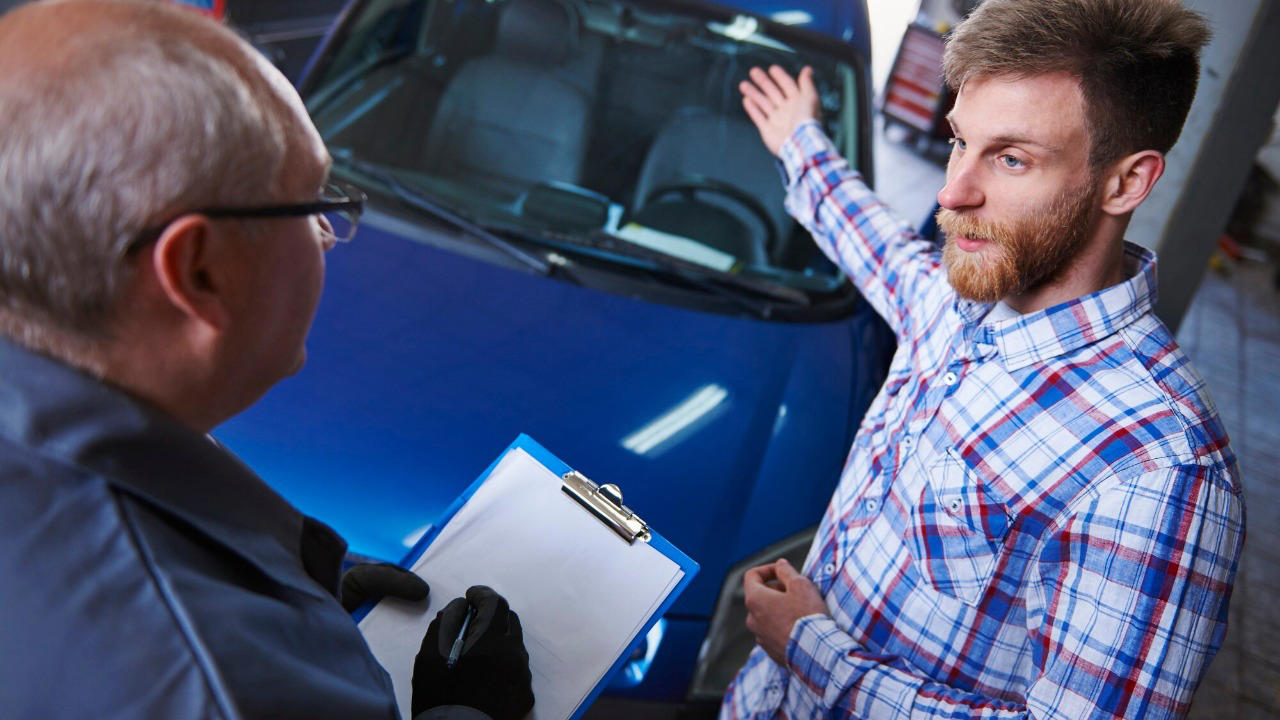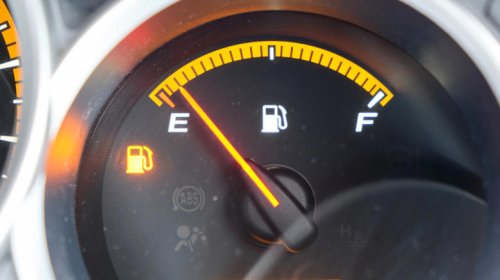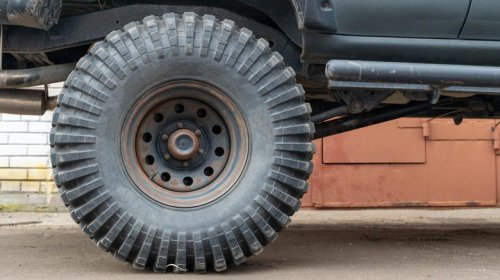



















Driver says his fuel economy dropped suddenly after a routine service visitWhen Marcus Hill picked up his 2017 crossover from a routine service appointment, he expected the usual: a clean windshield sticker, a lighter wallet, and a car that felt basically the same. Instead, within a week, he says his fuel economy fell off a cliff. “It was like my car suddenly developed a drinking problem,” Hill joked, holding up a photo of his dash showing a sharp drop in average MPG. Hill’s experience isn’t unique, according to drivers and independent technicians who say sudden changes in mileage right after service can happen for a few very fixable reasons. It’s not always anyone’s fault, but it is often something that can be verified quickly with a few checks. The key, experts say, is to treat it like a mystery with clues, not a vague feeling that your car “just seems worse.” The moment he noticed something was off Hill says the appointment was straightforward: oil change, tire rotation, and a multi-point inspection at a local dealership. The receipt looked normal, and the car drove fine on the way home. The surprise came a few days later when his average fuel economy, usually around the high 20s, slid into the low 20s without any big changes to his commute. At first he assumed it was weather or traffic. Then he did what a lot of us do when a dashboard number starts acting suspicious: he reset the trip meter, filled the tank, and tracked mileage the old-school way. “I thought maybe the car’s computer was being dramatic,” he said. “But the math said it wasn’t imagining things.” What could change after a “simple” service? Fuel economy is basically a scoreboard for everything your car is doing: rolling resistance, engine efficiency, air intake, even whether the brakes are dragging. After a service visit, a sudden drop tends to come from a short list of culprits—small changes that have outsized effects. A technician can do everything “right” and still leave a setting, pressure, or component slightly off. Independent mechanic Sarah Nguyen, who runs a shop in the same metro area, says the most common post-service MPG complaints usually trace back to tires or brakes. “People think fuel economy is all engine,” she said. “But if your tires are low, over-inflated, mismatched, or if a brake is sticking after a rotation, your engine has to work harder and you’ll see it at the pump.” Tire pressure: the sneaky MPG thief Tire rotation is one of the most common “routine” services tied to sudden mileage shifts, and the reason is simple: tire pressure. If pressures weren’t set correctly afterward—or if a valve stem cap went missing and a tire slowly leaked—you might not notice until your MPG does. Even a few PSI off across multiple tires can change how the car rolls, especially at highway speeds. There’s also the possibility that the shop set pressures to a generic number instead of the door-jamb sticker, or checked them when the tires were warm and didn’t account for temperature changes later. Hill checked his tires at home and found two were several PSI lower than the others. “It wasn’t flat-flat,” he said, “but it was enough that I felt silly for not checking sooner.” Brake drag after a rotation or inspection Another common factor is brake drag: a caliper that’s sticking, a parking brake that’s not fully releasing, or a wheel that wasn’t reinstalled quite right. If one wheel is fighting the car’s forward motion, the engine has to compensate, and MPG drops. Sometimes you can even smell it after a drive—an overheated brake has a distinct “hot metal” odor. Nguyen suggests a simple test: after a normal drive (not a hard braking session), carefully feel near each wheel for unusual heat, staying clear of the brake hardware itself. If one wheel area feels significantly hotter than the others, that’s a strong hint something’s dragging. “You don’t need to diagnose it in the driveway,” she said, “but you can gather enough info to go back to the shop with confidence.” Oil type and fill level: boring, but worth checking Oil changes rarely cause dramatic MPG drops, but the details matter more than people think. Using a different viscosity than specified (especially thicker oil) can add a bit of friction, and overfilling can create its own problems. It’s not the most likely explanation for a big drop, but it’s easy to verify on the receipt and the dipstick. Hill reviewed his invoice and saw the correct oil grade listed, but he still checked the dipstick at home once the engine was cool. “The level looked fine,” he said. “At that point I was kind of relieved, because I didn’t want to be the guy who drives back and says, ‘Uh, is there too much oil in my car?’” Air filter, MAF sensors, and the “accidental unplug” scenario Sometimes, a simple inspection involves opening the airbox or checking components under the hood. If an air intake hose clamp is loose, or a sensor connector isn’t fully seated afterward, the car can still run but run inefficiently. On modern cars, the engine computer is good at compensating—until it isn’t, and then your mileage can take the hit. Technicians note that these issues often come with other signs: a slightly rough idle, sluggish acceleration, or even a check-engine light. But not always. Hill didn’t get a warning light, which made his situation harder to pin down, like a mystery novel where the culprit refuses to leave fingerprints. Reset fuel economy displays can make things look worse than they are One underappreciated detail: some shops reset the trip computer during service, intentionally or by accident. When that happens, your “average MPG” isn’t an average anymore—it’s a fresh calculation based on a short period that might include idling, short test drives, or stop-and-go traffic right after pickup. For a few days, it can look like your car forgot how to sip fuel. That doesn’t mean Hill’s drop was imaginary, but it’s a common source of panic. Averages need time and consistent driving to stabilize. If you normally do long highway trips and the past few days were all errands and school pickups, the numbers can look downright rude. What the shop says drivers should do first Service advisors and technicians generally recommend three quick steps before assuming the worst: check tire pressures against the door sticker, confirm nothing is dragging or overheating near the wheels, and review the invoice for any unexpected changes. After that, track a couple of full tanks by hand to confirm the drop is real. It’s not glamorous, but it’s the best way to separate a display quirk from a true efficiency problem. If the MPG drop is confirmed, most reputable shops would rather you return sooner than later. “If something happened during service, we want to correct it,” Nguyen said. “And if it’s unrelated, we can usually prove that too—and still help you find what’s going on.” Hill’s next steps and what he learned After adjusting tire pressures and driving for another week, Hill says his numbers started climbing again, though not instantly. He also scheduled a quick follow-up inspection to rule out brake drag, just for peace of mind. “I realized I’d been treating MPG like a mood ring,” he said. “Now I’m tracking it like a grown-up.” The takeaway from Hill’s story is less about blame and more about how sensitive fuel economy can be to small changes. A routine service visit touches a lot of variables, even when it’s “just” oil and tires. And if your MPG suddenly drops afterward, it’s not overreacting to ask questions—just bring a few clues with you, and you’ll usually get answers faster. More from Fast Lane Only Unboxing the WWII Jeep in a Crate 15 rare Chevys collectors are quietly buying 10 underrated V8s still worth hunting down Police notice this before you even roll window down