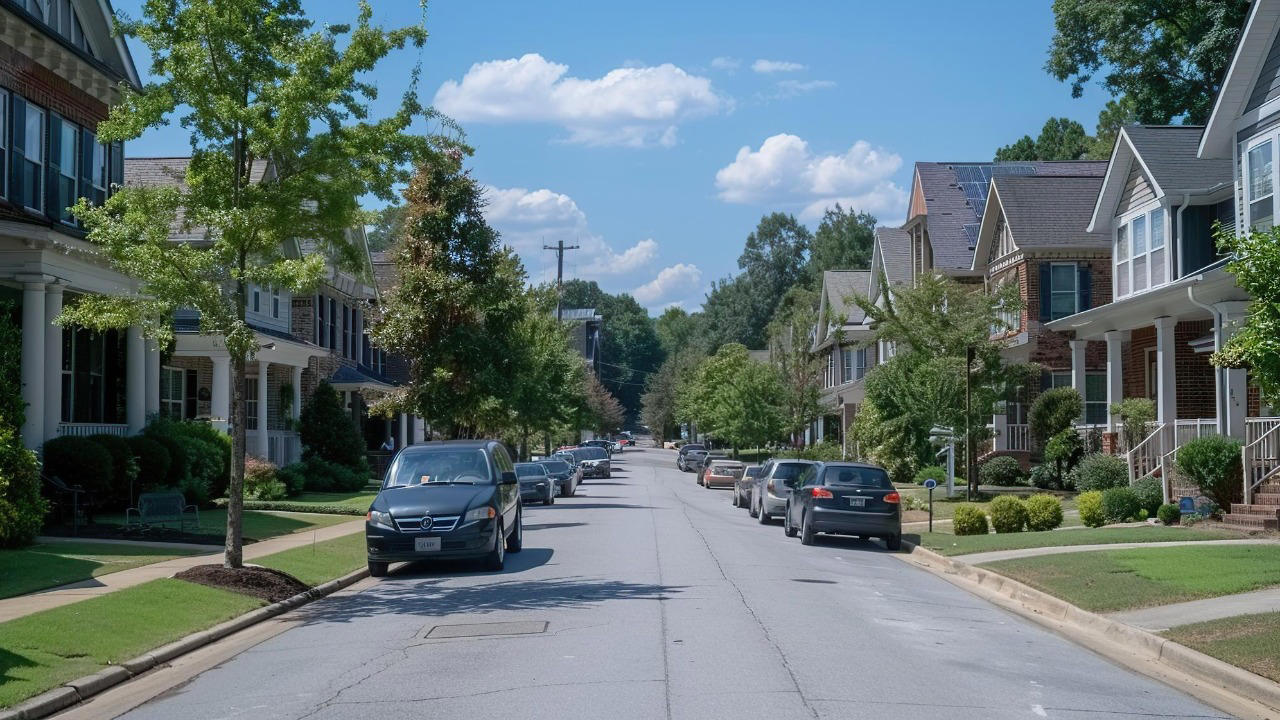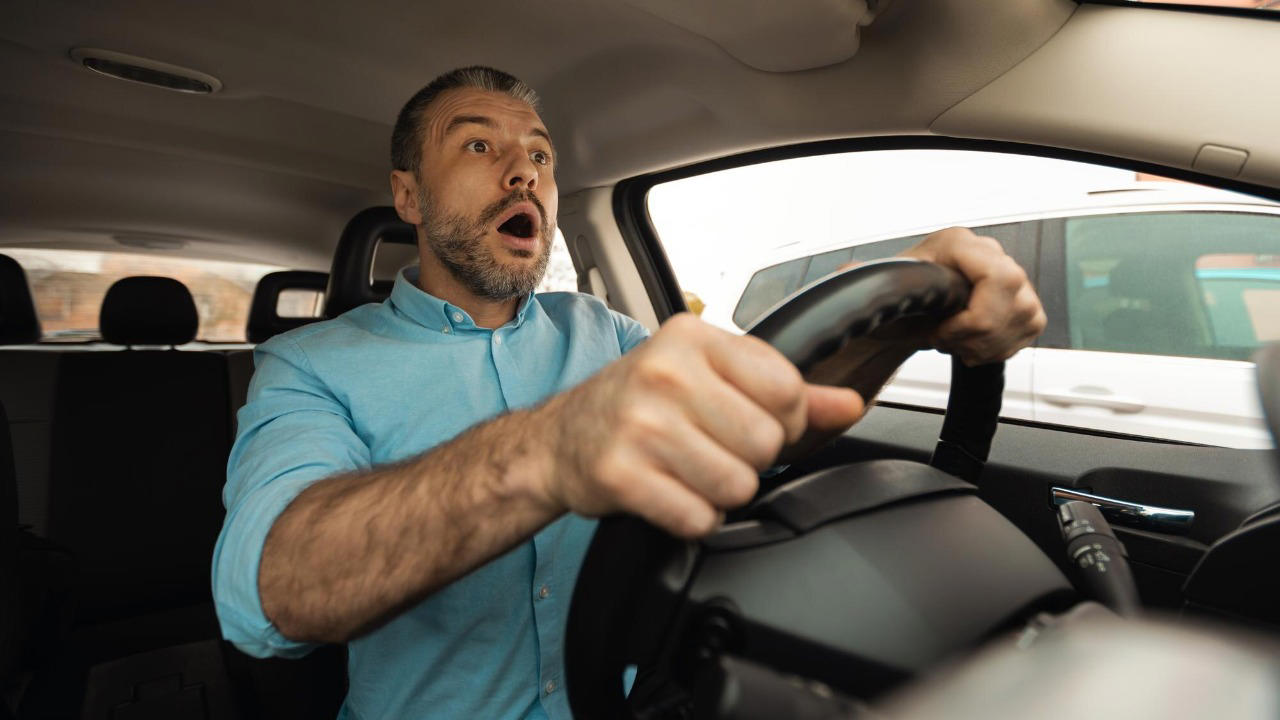




















Driver says his car’s automatic braking slammed the brakes with no cars nearbyA routine drive turned into a heart-in-throat moment when a driver in the suburbs said his car suddenly hit the brakes hard—despite “nothing in front of me,” as he described it. The car’s automatic emergency braking system, designed to prevent crashes, allegedly activated on its own and slowed the vehicle abruptly. No collision happened, but the driver said the surprise stop nearly caused one when the car behind him had to react fast. It’s the kind of story that sounds like a glitch out of a sci-fi movie, except it’s happening in everyday traffic. Advanced driver assistance systems (ADAS) are more common than ever, and most of the time they’re quietly helpful. But when they misfire, the results can feel dramatic—and honestly a little spooky. “It just slammed on the brakes,” the driver says According to the driver’s account, the incident happened on a clear day on a straight stretch of road, with no obvious obstacles ahead. He said he wasn’t approaching a stop sign or red light and didn’t see a pedestrian, animal, or debris in the lane. One second he was cruising normally, the next he felt the seatbelt tug and the car decelerate sharply, as if he’d stomped the brake pedal. He described a quick surge of confusion, then adrenaline—because once a car slows unexpectedly, you immediately think about what the person behind you might do. “I checked my mirrors right away,” he said, noting that the following driver appeared to brake in time. The driver said he pulled over afterward to catch his breath and look around for anything the car might have “seen” that he didn’t. What “phantom braking” is, and why people talk about it Drivers often use the term “phantom braking” to describe unexpected braking triggered by driver-assist features, especially automatic emergency braking (AEB) or adaptive cruise control. The basic idea is simple: the car reacts to something it thinks is a hazard, even if the driver can’t identify a real threat. Sometimes there’s a subtle cause; other times, it’s hard to pinpoint. It’s worth noting that the same phrase gets used for different scenarios. A gentle tap of the brakes on the highway feels very different from a full-on, seatbelt-snapping stop at city speeds. But both can be unsettling, and both raise the same question: what did the car think it detected? How automatic braking decides to step in AEB systems typically rely on a mix of sensors—commonly a forward-facing camera, radar, or both. They’re constantly estimating distance, speed, and closing rate to objects ahead. If the system believes a crash is imminent and the driver isn’t reacting quickly enough, it can warn first, then assist braking, and in some cases brake hard. The tricky part is that the car isn’t “seeing” like a human; it’s interpreting patterns and signals. Shadows, glare, reflections, road crests, sharp curves, and even certain roadside objects can occasionally confuse the system. If the software errs on the side of caution, it may brake even when the driver’s eyes say, “We’re fine.” Common real-world triggers that aren’t obvious at first When drivers report sudden braking with “no cars nearby,” investigators and service techs often start by looking for less obvious triggers. A vehicle turning across your path far ahead, a parked car near the lane edge, or a cyclist on the shoulder can briefly register as a hazard depending on angle and speed. Even a dip in the road or a hill crest can make the sensors misjudge distance for a moment. Weather and lighting can also play a role. Low sun can wash out camera contrast, while rain spray, frost, or a dirty windshield can reduce visibility for forward-facing cameras. And if the radar’s view is partially blocked by snow, mud, or an aftermarket accessory, the system may behave unpredictably. Why this matters even if no crash happens Sudden braking is more than just annoying—it can create a real risk of being rear-ended, especially in dense traffic where following distances are already too tight. Drivers behind you have no way of knowing your car decided to hit the brakes because it thought it saw something. To them, it looks like you panic-stopped for no reason. There’s also the human factor: once a driver loses trust in these systems, they may disable them or stop using related features like adaptive cruise control. That’s a bummer, because when AEB works as intended, it can reduce the severity of crashes or prevent them altogether. The sweet spot is reliability and transparency—drivers need to feel like the car’s decisions make sense. What the driver can do next (and what to document) If this happens, safety comes first: pull over when it’s safe, take a breath, and check for obvious issues like sensor blockage. If the car showed any warning messages, note them right away. If you can safely do it, take photos of the windshield area near the camera housing and the front bumper area where radar sensors are often located. It also helps to write down the “boring” details that end up being important later: speed, road type, weather, time of day, whether cruise control was on, and whether you were passing under an overpass or approaching a curve. If the car has a dashcam or built-in event recording, save the clip. Even a short video can help a service department reproduce the conditions—or at least narrow down the likely cause. What a dealership or technician will typically check When a driver reports unexpected braking, a dealership will often start by scanning for diagnostic trouble codes and reviewing any logged ADAS events. They may check sensor alignment and calibration, since minor misalignment after a windshield replacement, bumper repair, or even a small impact can affect how the system interprets the road. Software version matters too; manufacturers periodically release updates that tweak detection and braking logic. Technicians may also inspect for physical obstructions: dirt film on the camera area, road grime on radar panels, cracked trim, or even mispositioned license plate frames. Some cars are fussier than others about aftermarket accessories, including vinyl wraps, bull bars, front-mounted carriers, or non-standard tow hooks. None of those guarantees a problem, but they’re common suspects. A bigger conversation about safety tech and expectations Automatic braking is one of the headline safety technologies of the last decade, and it’s credited with reducing rear-end crashes in many driving studies. The catch is that it’s still a system making probabilistic decisions in a messy world. It doesn’t get tired or distracted, but it can misunderstand what it’s sensing, especially in edge cases humans barely notice. For drivers, the practical takeaway is to treat AEB as a backup rather than a co-pilot you can fully relax with. Keep sensors clean, stay alert, and if the car does something surprising, get it checked rather than assuming it was “just a one-time thing.” And if you’re the person behind a car that suddenly brakes for no visible reason—well, consider it a gentle reminder that leaving a little extra space is rarely the wrong move. More from Fast Lane Only Unboxing the WWII Jeep in a Crate 15 rare Chevys collectors are quietly buying 10 underrated V8s still worth hunting down Police notice this before you even roll window down The post Driver says his car’s automatic braking slammed the brakes with no cars nearby appeared first on FAST LANE ONLY.