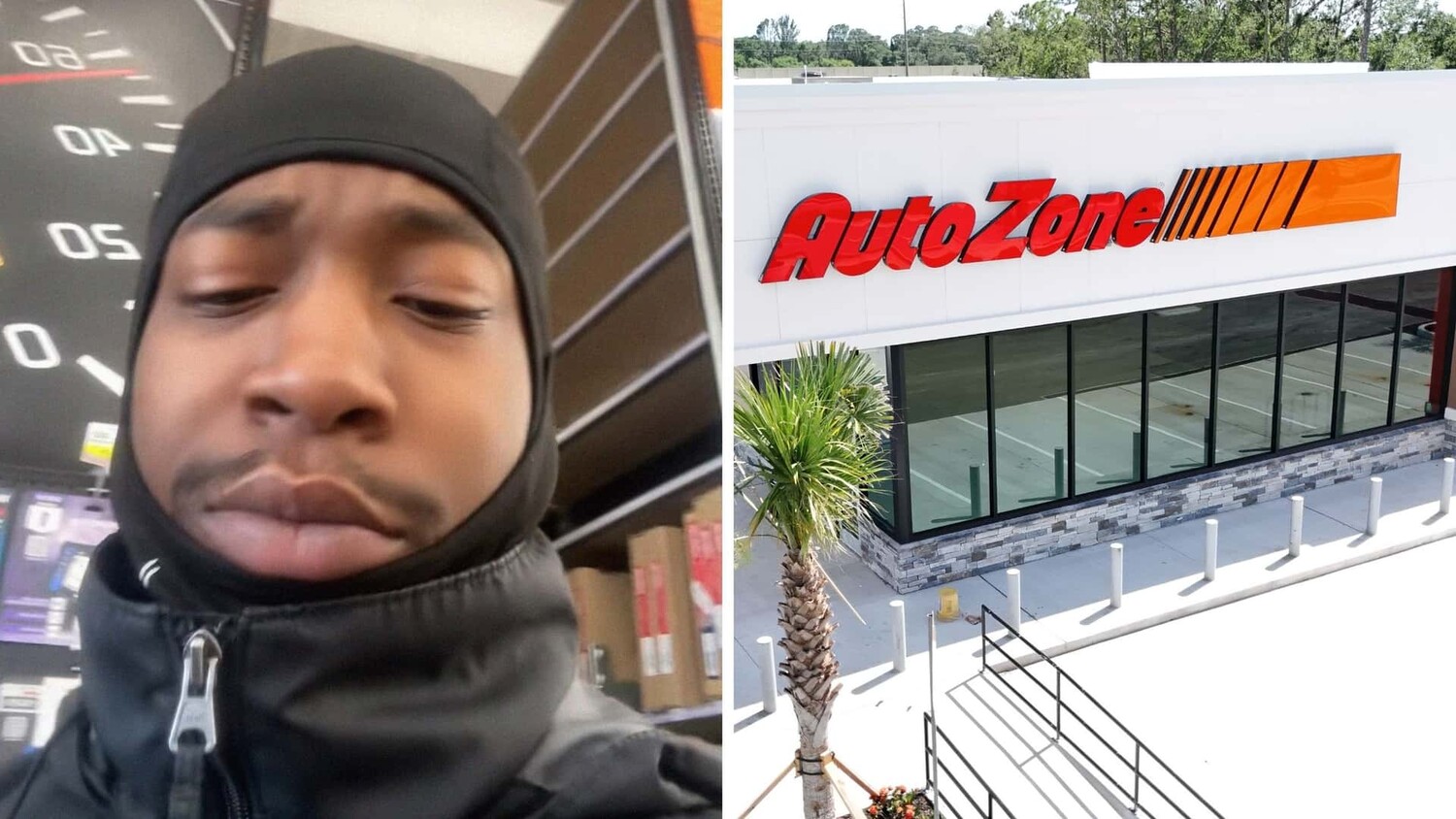
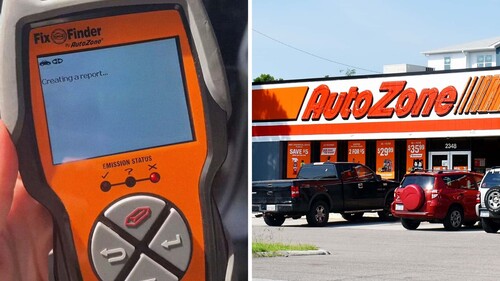
Adam Pelletier · 7 months ago@adampelletier50'O’Reilly Would've Never': Woman Goes To AutoZone After Her Check Engine Light Comes On. Then A Worker Hands Over The Code Reader Liked by+34 othersPost commentRelated PostsWhat Does The W Stand For When It Comes To Engine Oil? 71 · Emily Morgan · 15 days ago'The Worst Experience I’ve Ever Had’: Woman Goes To Mavis For Oil Change. Then She’s Bamboozled Out Of $1,300 43 · Claire Pelletier · 8 months ago'I Thought I Had Time': Woman Goes To Pep Boys For Tire Rotation. Then She Confesses Something To The Worker And He Laughs At Her 26 · Camille Brown · 6 months agoChrysler 426 HEMI Vs Chevy 454 Vs Ford 429 Boss: Which Big Block Engine Comes Out On Top? 31 · Aiden Hall · 16 days agoWoman Says Her Driver’s Side Dome Light Won’t Turn Off. Then A Mechanic Tests It Out: 'Should Never Have Gotten Past The Advisor' 29 · Noah Macdonald · 7 months ago'Defroster on Blast': Woman Stops in Philly for '45 Seconds' for a Cheesesteak—Then She Gets the Biggest Citation You’ve Ever Seen 83 · Carter Clark · 10 months agoWoman Goes To AutoZone To Replace Her Wipers. Then A Worker Recommends A Part That’d Cost Her Big Time 12 · Daniel Walker · 7 months agoWhy Your Check Engine Light Might Keep Coming Back After Being Cleared 73 · Daniel Rogers · 27 days agoWoman’s Subaru Crosstrek Floods. Here’s the Little-Known Sunroof Feature That Could’ve Saved Her 11 · Kayla Wright · 11 months agoFord Recalls 10,001 Vehicles Over Cracked Pistons in an Engine Shared By Five Very Different Cars. The Fix Isn't Coming Until December. 69 · Henry Green · 1 months ago'They Stole': Houston Woman Goes To A Dealership—Then She Catches A Worker Changing Her Paperwork 59 · Samuel Wright · 7 months agoWhy Your Check Engine Light Might Come On After Getting An Oil Change 34 · Thomas Morgan · 1 months ago'It Was Driving Okay The Whole Way There': Woman Goes To O’Reilly For Diagnostics. Then A Worker Says Something Terrifying 71 · Oliver Harris · 7 months agoFord Recalls 148,663 Mustangs Over a Wire That Can Kill the Engine and the Headlights at Once. The Fix Isn't Coming Until March. 58 · William Scott · 1 months ago'Walmart Said That They Could Not’: Woman Takes Her Car To Discount Tire. Then The Worker Looks At Her Lug Nut 43 · Nicole Roy · 7 months agoWhy Honda's new F1 engine comes with fresh but expected driveability issues 44 · William Bouchard · 1 months ago‘This Ain’t Ya Regular AutoZone Ma’am’: Woman Buys Wiper Blades At AutoZone. Then She Asks A Worker To Install Them 96 · Adam Johnson · 8 months agoDo Lexus And Toyota Engines Come From The Same Factory? 59 · Ella Walker · 2 months agoWoman Goes To Car Wash. Then The Worker Convinces Her To Wash An Often Neglected Part: 'It's Actually Very Important To Do' 65 · Madeleine White · 8 months ago9 Honda Models That Still Come With Naturally Aspirated Engines In 2026 61 · Carter Clark · 2 months ago


 +34 others+34 others
 +34 others