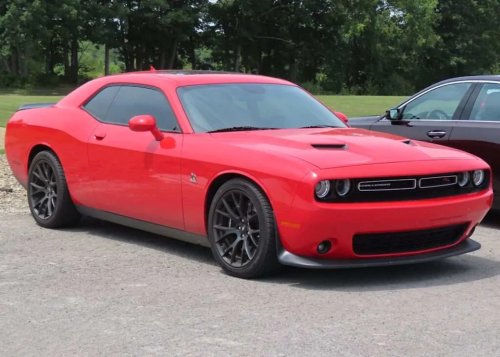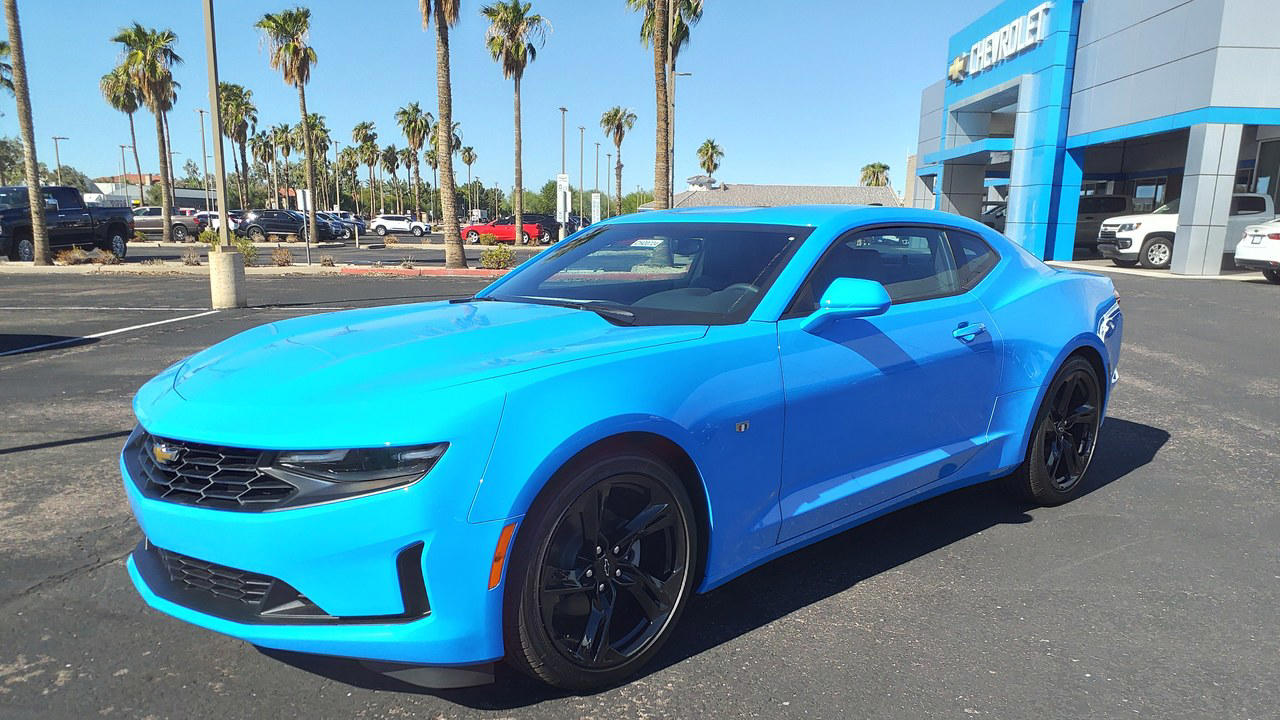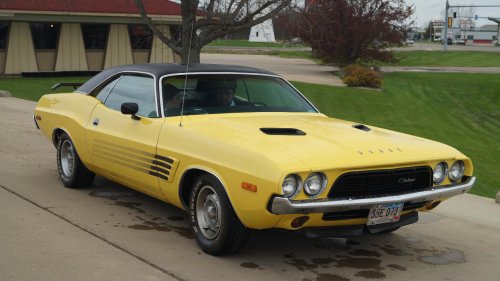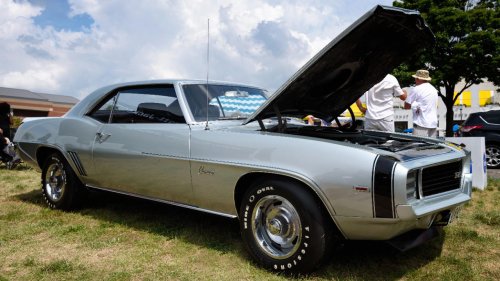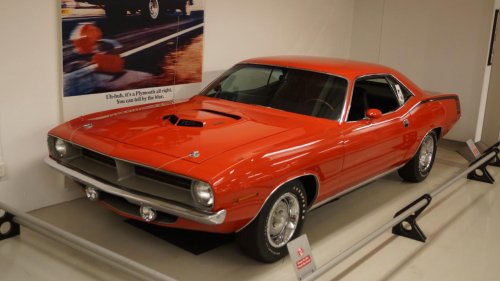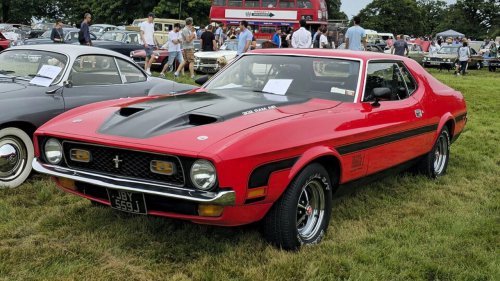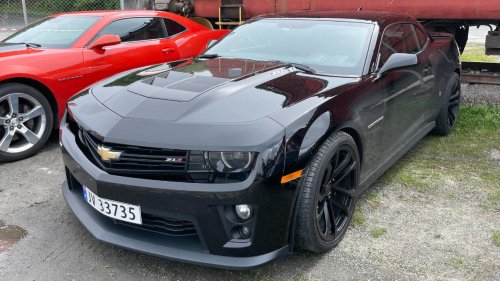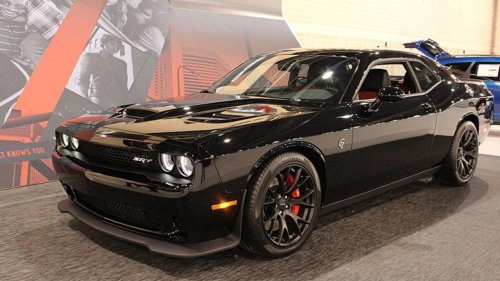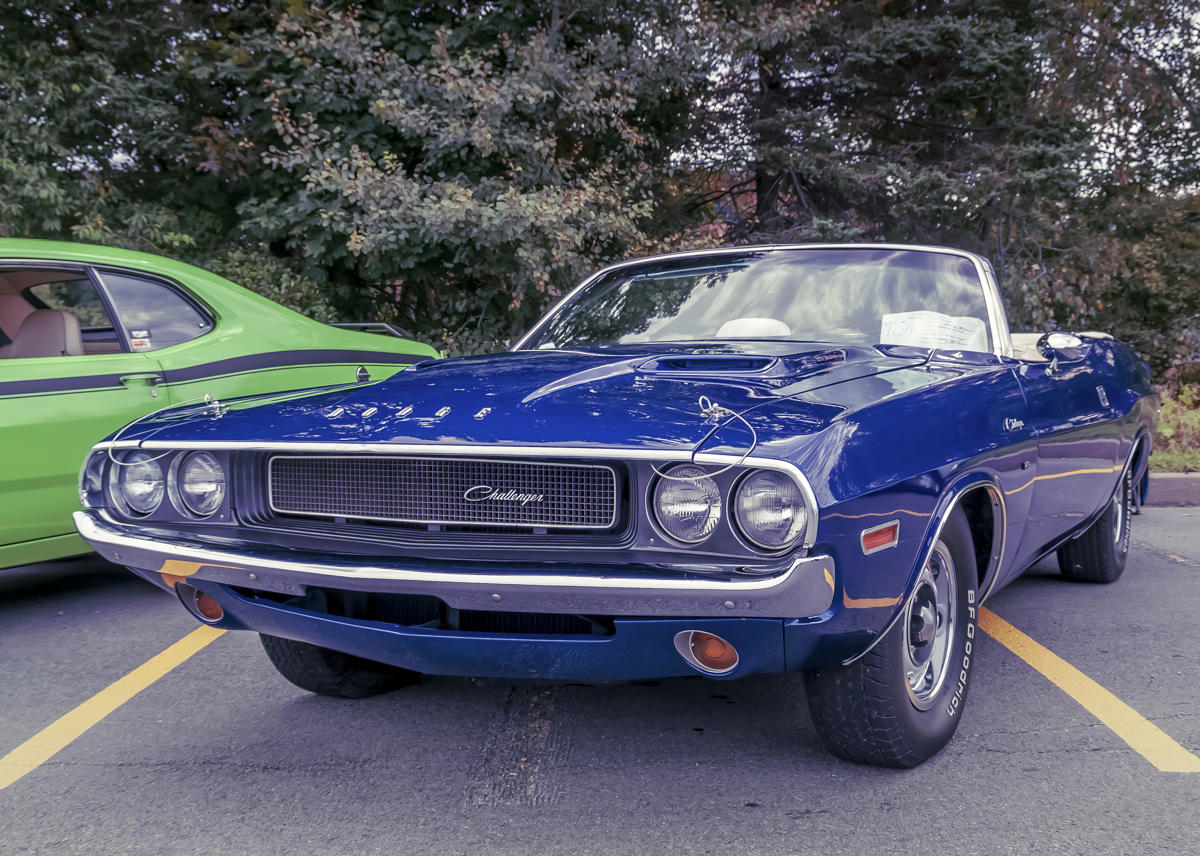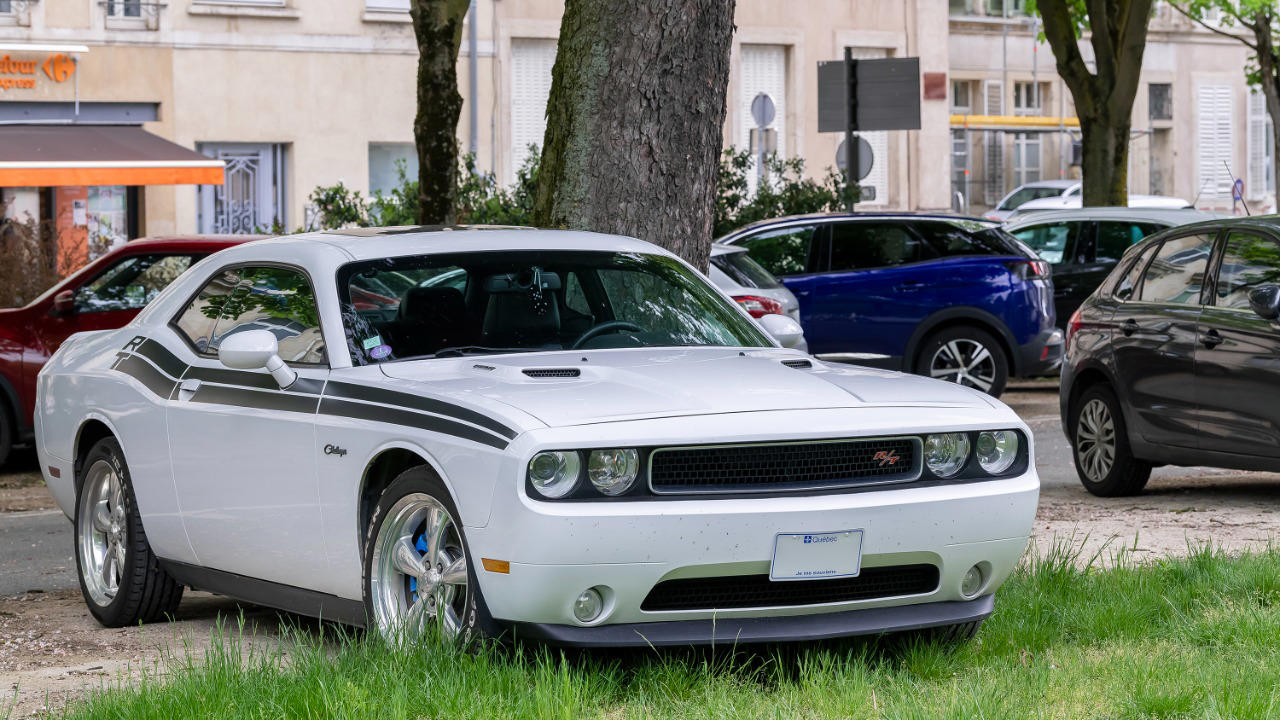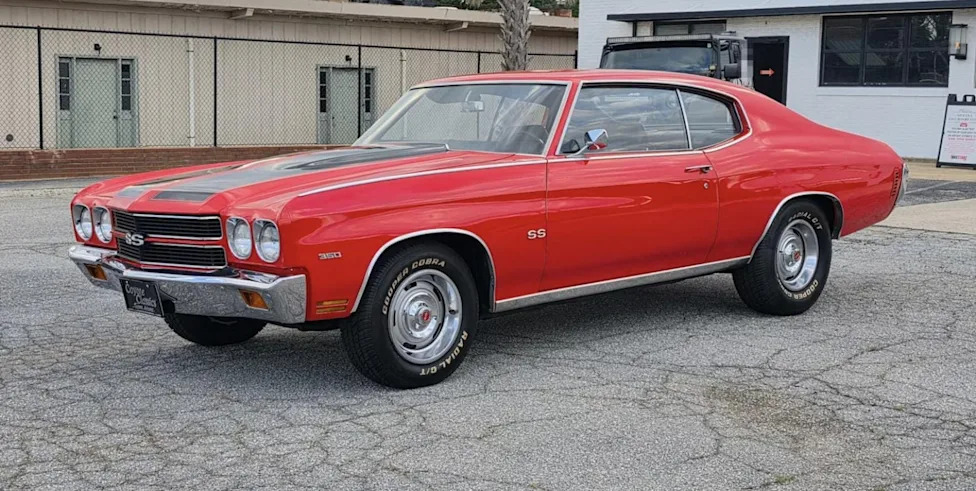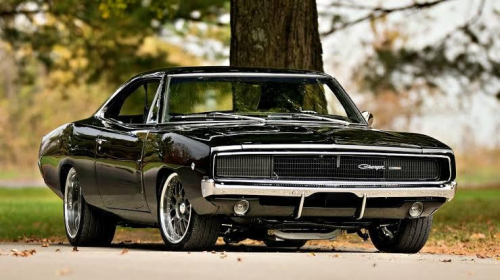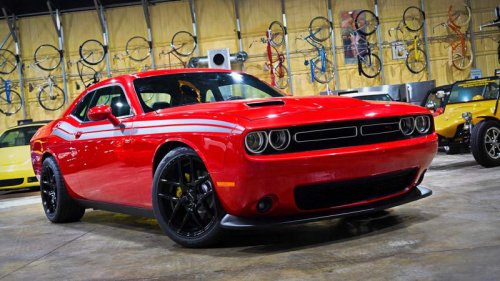
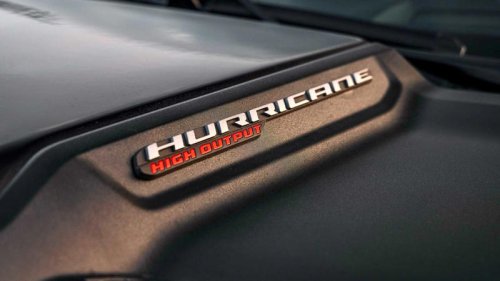
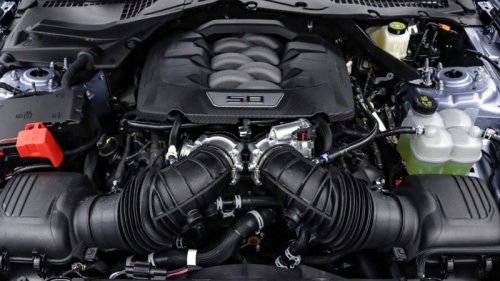
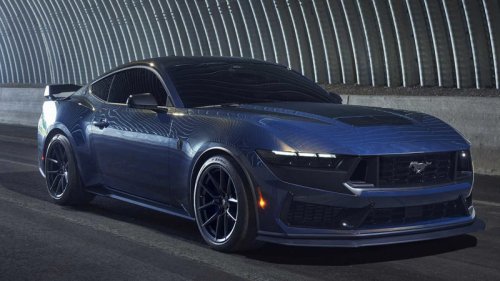
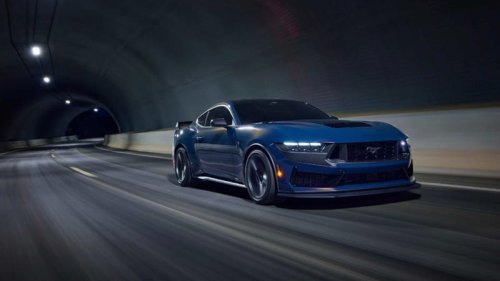
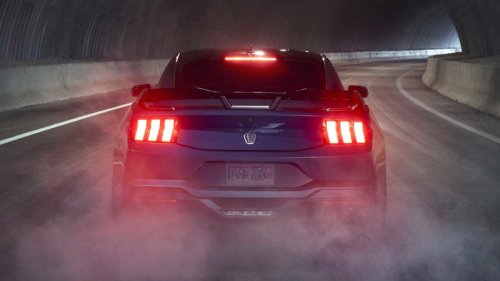
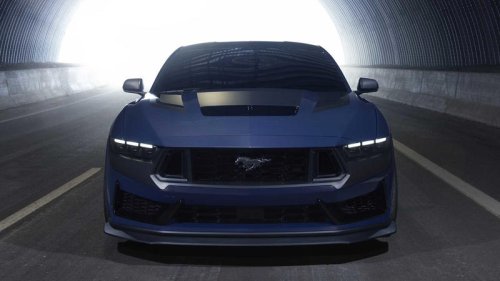
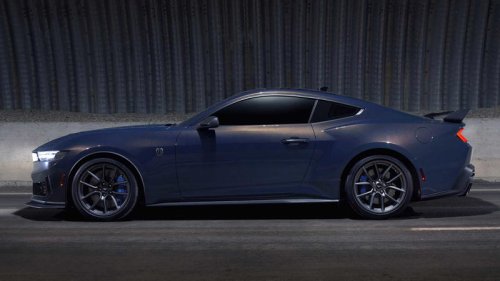



















American roads seemingly get quieter as the legendary roar of high-displacement engines from muscle cars begins to fade. With the recent retirement of the famous HEMI and the departure of the LT1, a massive vacuum now exists in the world of high-performance V8-powered muscle cars.While most rivals pivot toward turbocharged six-cylinders or electric platforms, one final machine refuses to give up on the traditional recipe. This lone survivor represents the ultimate statement for a sixty-year chapter of naturally aspirated dominance. It offers a raw, atmospheric experience that no battery or turbine can truly replicate. It is the definitive last stand for the old-school American muscle car era. The Night The HEMI And LT1 Went Silent Via Bring a Trailer The transition away from high-displacement engines has been moving like a freight train over the last few years. While downsizing often happens quietly, the American muscle segment saw a sudden shift in late 2023. For decades, the rivalry between Ford, Dodge, and Chevrolet was defined by who could squeeze the most naturally aspirated power out of a block of a V8. However, tightening emissions standards and a corporate pivot toward electrification finally brought the hammer down on two of the three main pillars of American performance.With its best-selling models, Dodge officially ended production of the iconic Challenger on December 22, 2023. This marked the death of the 6.4-liter 392 HEMI muscle car, a powerhouse that had become the heartbeat of the modern Mopar era. Just weeks later, in January 2024, Chevrolet followed suit by rolling the final sixth-generation Camaro SS off the assembly line, effectively retiring the 6.2-liter LT1 V8. For enthusiasts, these dates represent more than just the end of a model year; they signal a total transformation of the mechanical landscape.Hennessey Performance Stellantis, the parent company of Dodge, is already moving toward its new twin-turbo Hurricane inline-six engine and the electric Daytona platform. General Motors has yet to announce a direct internal-combustion successor for the Camaro, leaving a massive void in the market. This mass exit has transformed the Ford Mustang into the last man standing. While the rest of the industry gives in to turbos and batteries, Ford has decided to keep pushing the V8 powered muscle car. This makes the current era a unique moment in history where a sixty-year-old tradition is now carried by a single nameplate. Inside The Mustang Dark Horse's 4th-Gen Coyote V8: How Ford Reached 500 HP Via: Bring a TrailerIn a world where everyone else resorts to turbochargers to make power, Ford decided to double down on natural aspiration with the 2024 Mustang Dark Horse. This isn't just a standard GT with a new badge; it is a meticulously engineered version of the Coyote V8 platform. Now in its fourth generation, this 5.0-liter engine has been pushed further to provide a raw, linear power delivery that forced induction simply cannot replicate.The secret behind the Dark Horse starts with its ability to breathe naturally. Ford added a dual air intake box and dual throttle bodies, which essentially allows the engine to gulp down massive amounts of air with minimal restriction. To ensure the engine could handle the increased stress of track use, Ford’s engineers borrowed high-strength piston connecting rods from the previous Shelby GT500. These internal upgrades allow the V8 to rev higher and more reliably than ever before, achieving a milestone that was once considered impossible for a factory 5.0-liter engine without a blower.2024 Ford Mustang Dark Horse quarter front Hitting the 500-horsepower mark was a symbolic goal for Ford. Doing so while meeting strict 2024 emissions standards required incredible precision in fuel delivery and cam timing. By using a combination of port and direct injection, the Dark Horse stays efficient during normal driving but transforms into a high-revving monster on the track. It is a rare example of a modern engine that prioritizes character and soul over the easy horsepower found in smaller, turbocharged units. Mustang Dark Horse vs. Mustang GT: The Hardware Underneath Ford While the engine is the star of the show, the Dark Horse is defined by the heavy-duty hardware that separates it from the standard Mustang GT. Ford didn't just want a fast car in a straight line; they wanted a machine that could survive a full day of abuse on a road course. This focus on durability is evident the moment you grab the titanium shift ball of the standard Tremec TR-3160 six-speed manual transmission. This gearbox is a significant upgrade over the GT’s Getrag unit, offering smoother shifts and better heat management for aggressive driving.Via: FordThe cooling system on Mustang Dark Horse is perhaps its most underrated feature. To prevent the V8 from heat-soaking during track sessions, Ford equipped the Dark Horse with an auxiliary engine oil cooler, a rear-axle cooler, and a unique, lightweight radiator with more powerful fans. These components ensure that the performance stays consistent even when the ambient temperature climbs, especially for track use. The power is sent to the rear wheels through a Torsen limited-slip differential, which works alongside a standard MagneRide damping system to provide incredible grip and mid-corner stability.When you compare it to a standard Mustang GT, the Dark Horse feels like a completely different animal. It features stiffer sway bars, heavy-duty front shock absorbers, and massive six-piston Brembo brakes that provide immense stopping power. Even the chassis received extra bracing to reduce flex under high cornering loads. While a GT with a performance pack is a great road car, the Dark Horse is a well-tuned track weapon that happens to be street-legal. It represents the absolute peak of what a naturally aspirated pony car can achieve with modern suspension technology. The Last "Analog" Survivor Is A Guaranteed Classic 2024 Ford Mustang Dark Horse front GM and Stallantis have already thrown in the towel. But against all odds, Ford continues to make the Mustang with a naturally aspirated 5.0-liter V8. In fact, the Blue Oval remains stubborn about the future of America's last surviving rear-wheel-drive, manual V8 muscle car. Speaking to Australian media, Jim Farley, Ford CEO said: “Out of our cold, dead hands will we not have a manual Mustang.”But should the time eventually come when the Mustang is forced to dilute its fundamental nature, there is a silver lining. History has a way of being very kind to limited-edition Fords that mark the end of an era. If we look at the depreciation curves of cars like the Boss 302 or the Shelby GT350, we see a clear pattern. These models often hold their value much better than standard production cars because they represent the summit of mechanical purity. The Dark Horse is positioned to follow this exact same path. As the last naturally aspirated V8 muscle car from the Big Three, its place in the collector world was essentially guaranteed the moment its rivals went out of production.Via: Ford Collectors often look for the survivor cars—the ones that didn't follow the trend of downsizing or hybridization. Because the Dark Horse arrived just as the HEMI and LT1 were leaving the stage, it is the definitive bookmark for this chapter of automotive history. While newer cars might eventually be faster using electric motors or complex turbo setups, they will never be able to replicate the sound or the throttle response of a 500-horsepower Coyote V8. This emotional connection is what drives long-term value in the enthusiast market.In the grand scheme of things, the Dark Horse is more than just a fast fastback. As we move deeper into the era of the Hurricane inline-six and high-performance EVs, the simplicity of a high-revving, atmospheric V8 will only become more desirable. It stands as a tribute to sixty years of American muscle, capturing the spirit of the original 1960s pony cars while using the best technology of the 2020s. For those who want to own a piece of history before the downsizing era takes over completely, the Mustang Dark Horse is the final opportunity.Sources: Ford, CarExpert