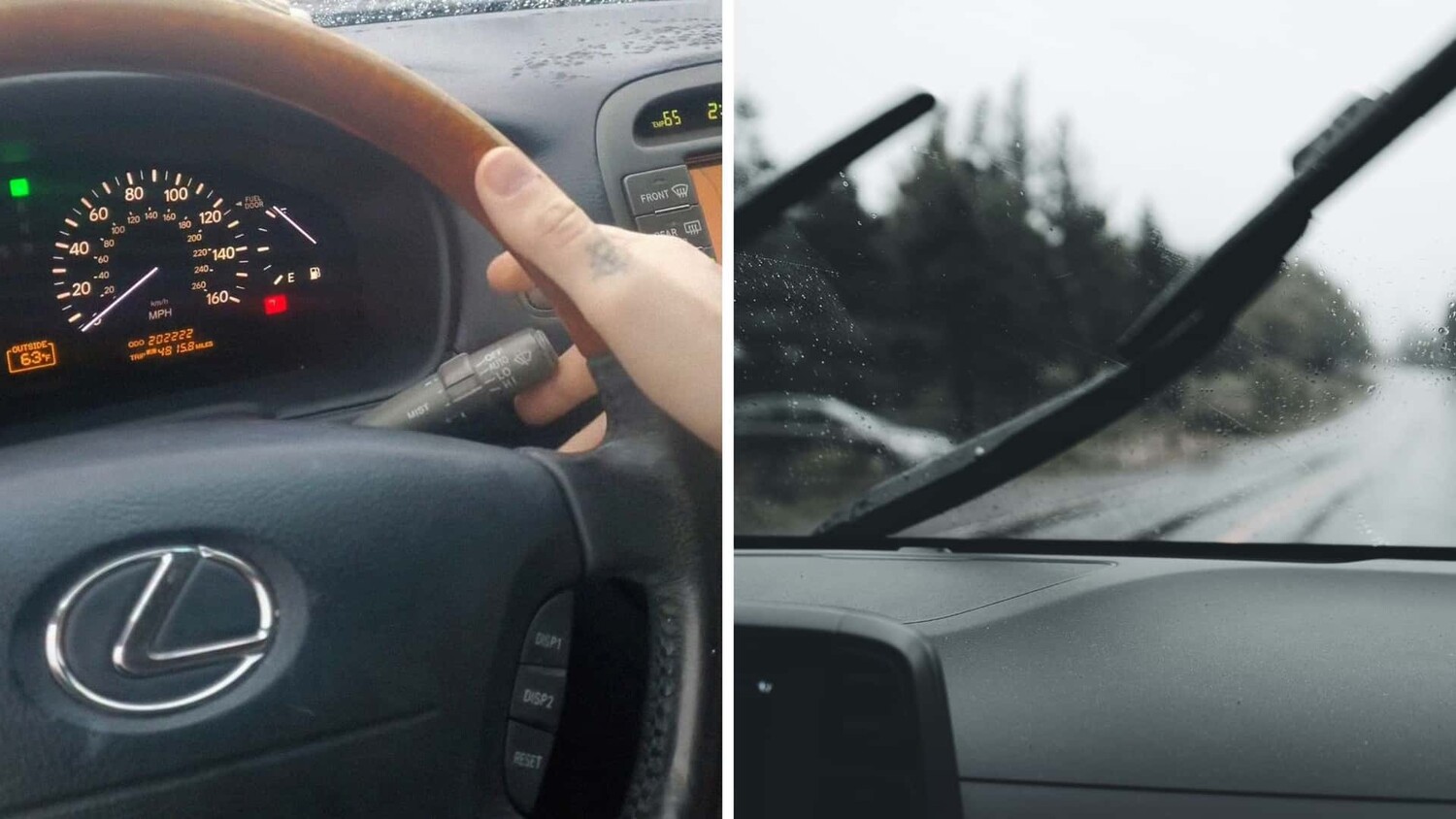
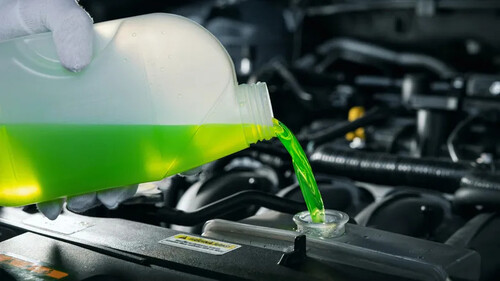
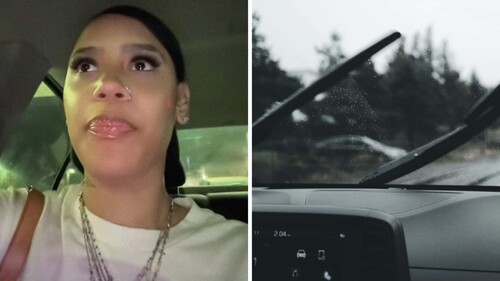
Few things inspire instant automotive dread like realizing you may have poured the wrong fluid into the wrong place. That’s the fear behind a viral TikTok in which a motorist says she added a full jug of windshield washer fluid, only to discover nothing came out when she hit the wipers. The viral clip from creator Jalen (@blondejalen) finds her fairly well-composed as she deals with the fact that she may have the wrong fluids intermingling under her hood. One thing’s for certain as we see her windshield: It’s not getting cleaned anytime soon. "We're gonna listen and not judge, OK? I think I might have put my windshield wiper fluid in my antifreeze because it's not working," she said in the clip that’s been viewed more than 6,000 times. "I poured a whole jug in." As is often the case with automotive TikTok, the comments section quickly turned into a crowd-sourced repair manual. Some viewers insisted that the washer fluid must be frozen in the lines, especially since Jalen later noted that temperatures had recently dipped below freezing. Others suggested blown fuses, disconnected hoses, or a faulty washer pump—problems several commenters said they’d experienced on brand-new vehicles. A smaller but louder group jumped straight to worst-case scenarios, warning that mixing windshield washer fluid with engine coolant could require an immediate system flush or cause long-term damage. A few commenters even suggested the car should be taken off the road entirely. That range of reactions raises an important question for drivers watching at home: Did anything actually go wrong here? Frozen Washer Fluid? In most cases like this, the explanation is far less dramatic than the internet makes it sound. Windshield washer fluid, especially the summer blend, is prone to freezing in cold weather. Even if the reservoir itself isn’t frozen solid, the fluid can ice up in the narrow hoses or spray nozzles that run along the hood. That’s why many commenters immediately focused on temperature, asking whether winter-rated fluid was used and noting that overnight freezes can still occur even when daytime temperatures climb into the 40s. According to consumer guidance from AAA and multiple automakers, summer washer fluid can freeze just below 32 degrees Fahrenheit, while winter formulas are typically rated to -20 degrees or lower. Adding winter fluid on top of frozen summer fluid doesn’t instantly fix the problem either. The system often needs time to thaw before anything sprays again, which explains why drivers sometimes hear the washer pump working but see nothing on the glass. Despite the panic in some comments, accidentally pouring windshield washer fluid into the coolant reservoir is more complicated than many people think. Coolant reservoirs are usually sealed or pressure-capped, clearly labeled, and often require twisting off a cap rather than flipping it open. Washer fluid reservoirs, by contrast, are typically topped with a bright blue cap designed for quick access. Several commenters picked up on that detail, asking whether Jalen flipped open a cap or unscrewed one. She replied that she flipped it open, strongly suggesting she was filling the washer reservoir as intended. If washer fluid truly flowed freely into the cooling system, it likely indicates a major leak rather than a simple mix-up, and that kind of problem would show up as puddles under the vehicle or dashboard warning lights. One detail that surprised many viewers was Jalen’s comment that her car is new. "So new things can break," one commenter replied bluntly, and in this case, they’re right. Washer pumps, hoses, and fuses are simple components that don’t get special protection just because a vehicle is fresh off the lot. Cold weather can expose weak connections, frozen nozzles, or blown fuses early in a car’s life. Automakers, including Ford and Honda, acknowledge in owner documentation that washer systems are among the most common cold-weather complaints, particularly during the first winter a vehicle experiences. What Drivers Should Do For drivers who find themselves in the same situation, patience is often the first fix. Letting the car warm up, parking in the sun or a garage, and giving the system time to thaw can restore washer function on its own. Checking that the fluid used is rated for winter temperatures is also key, as is listening for the washer pump when the stalk is activated. If the pump runs but nothing sprays after the system has warmed, a dealer visit is usually the next step, especially on a new vehicle. Automakers recommend against adding household chemicals or unapproved additives to washer reservoirs, despite some well-meaning advice in the comments section. Part of the reason the clip resonated is simple: Modern engine bays aren’t intuitive. Caps look similar, symbols are small, and cold weather adds urgency when visibility matters most. Combine that with TikTok’s rapid-fire advice culture, and even a minor inconvenience can feel like a mechanical disaster. In reality, moments like this are common and usually harmless. Most drivers have had a winter scare involving washer fluid, dead nozzles, or wipers that mysteriously stop spraying. Jalen just happened to film hers. Motor1 reached out to Jalen via direct message and commented on the clip. We’ll update this if they respond. We want your opinion! What would you like to see on Motor1.com? Take our 3 minute survey. - The Motor1.com Team