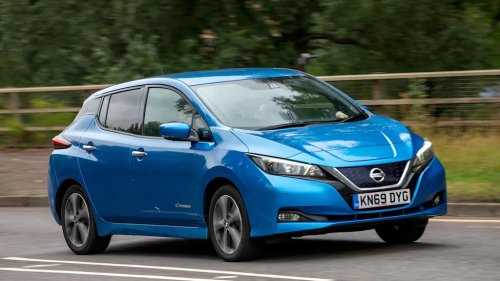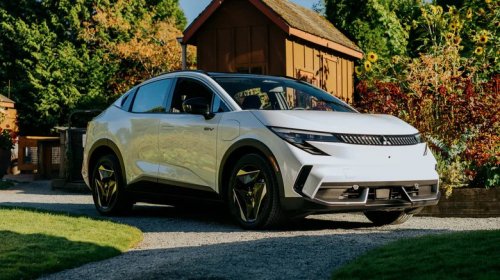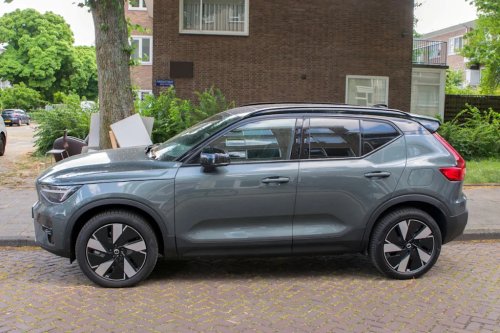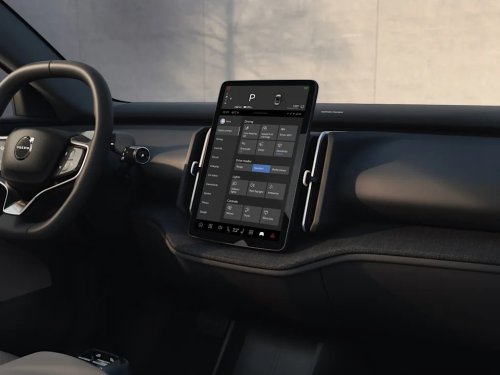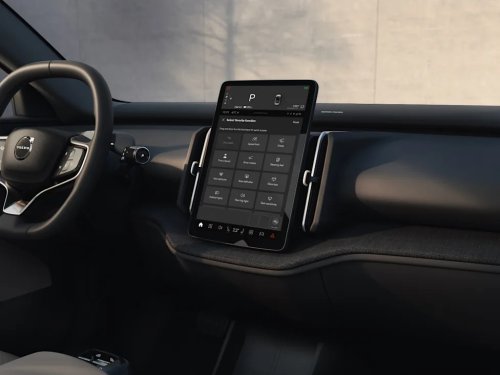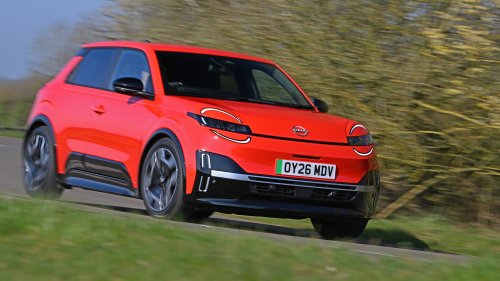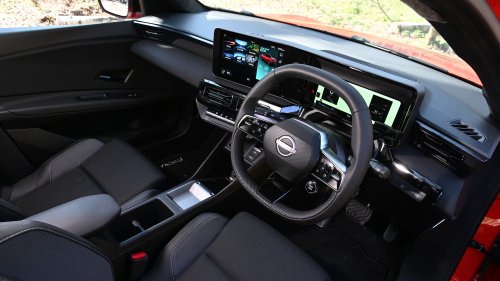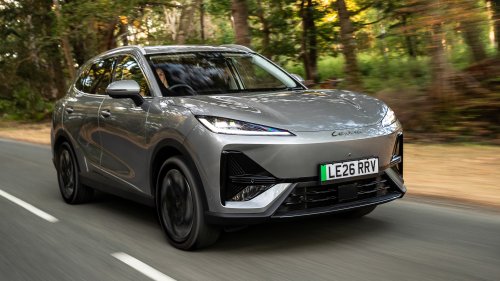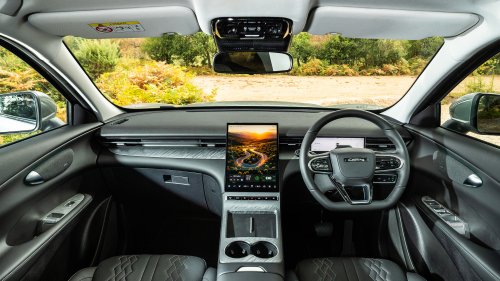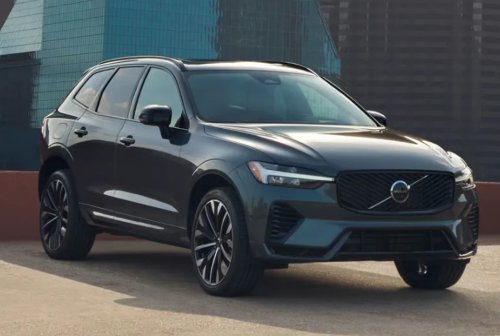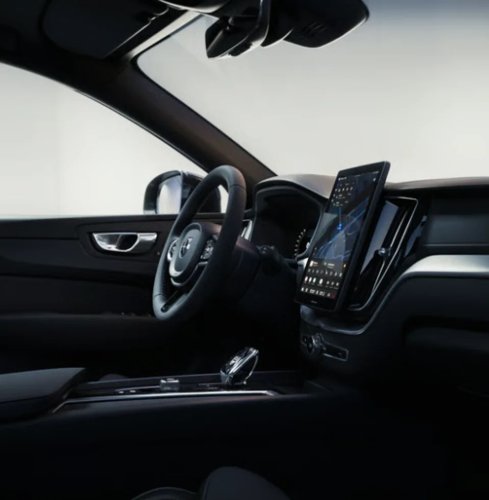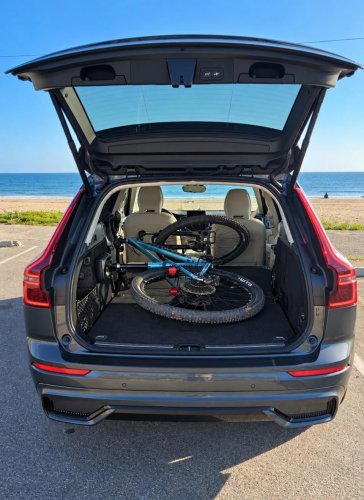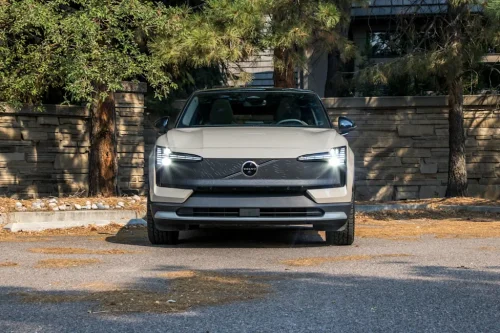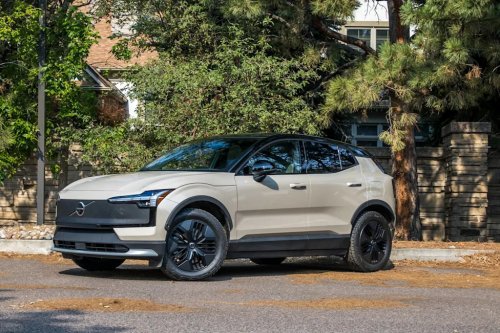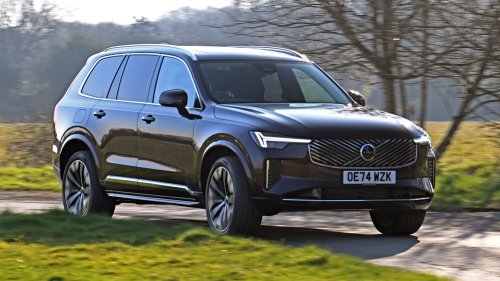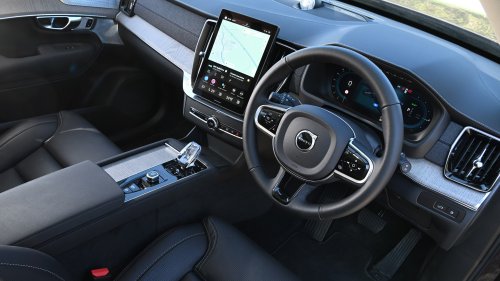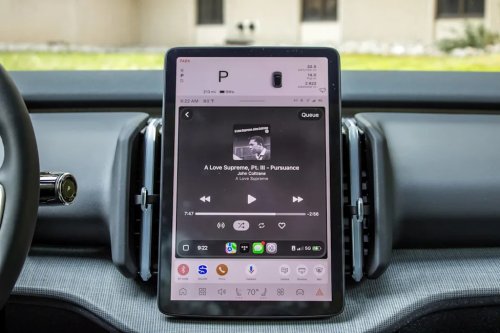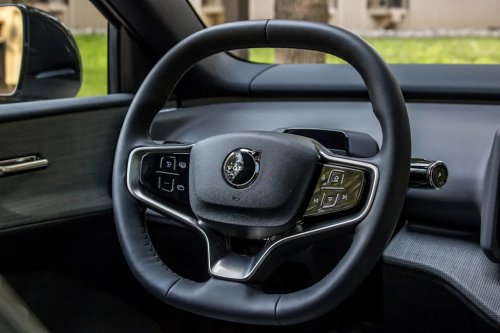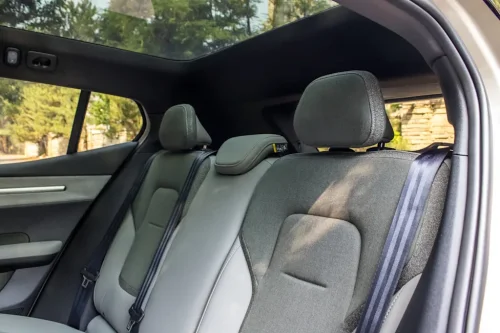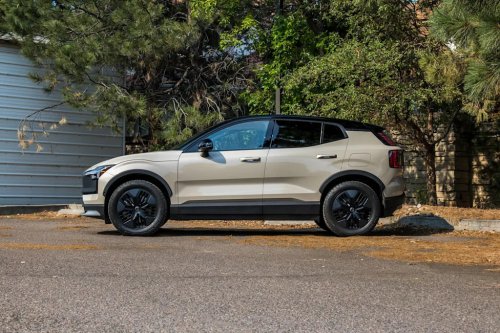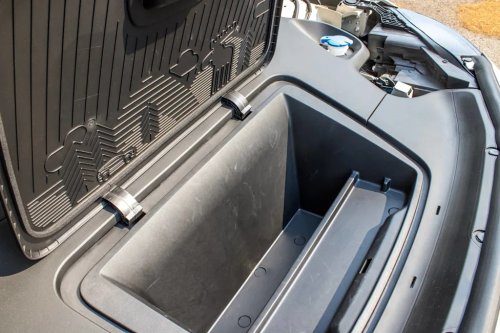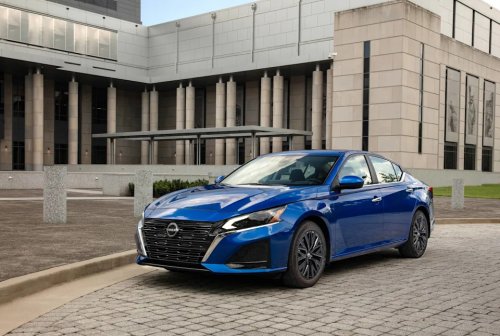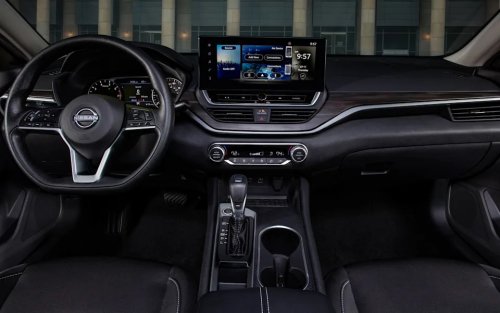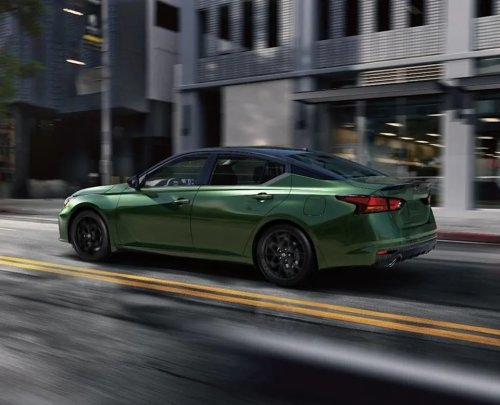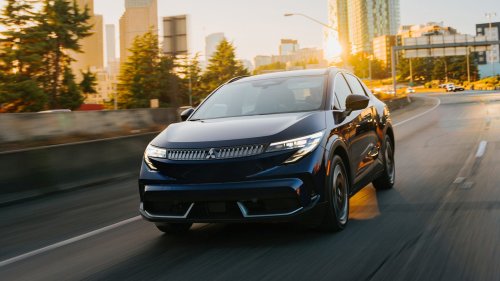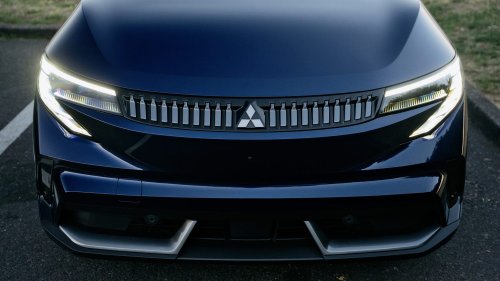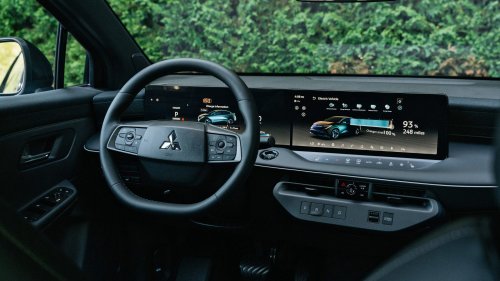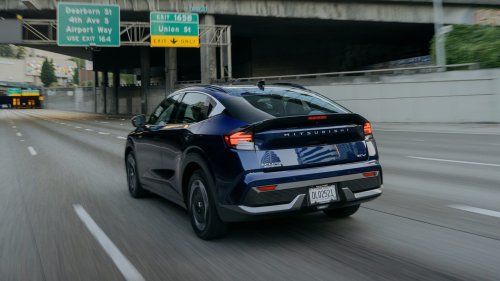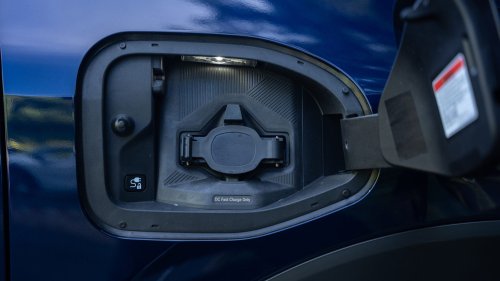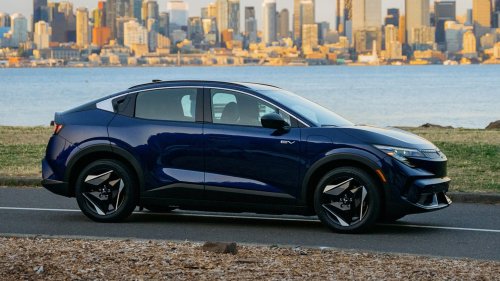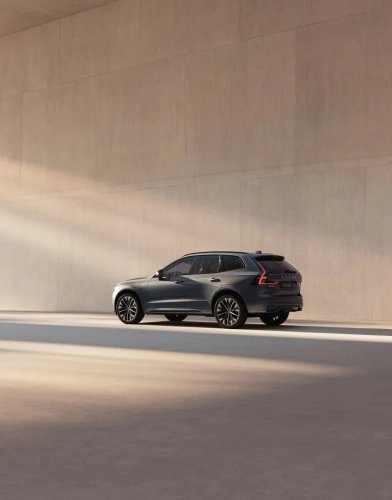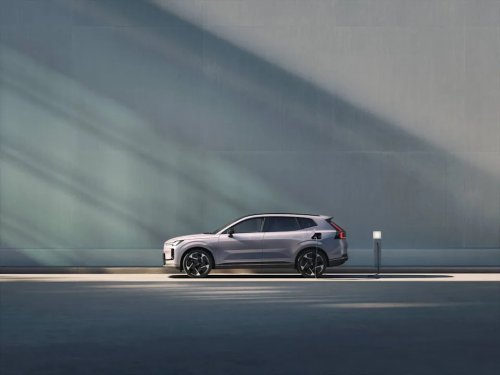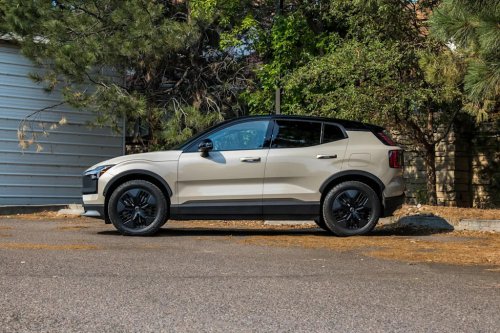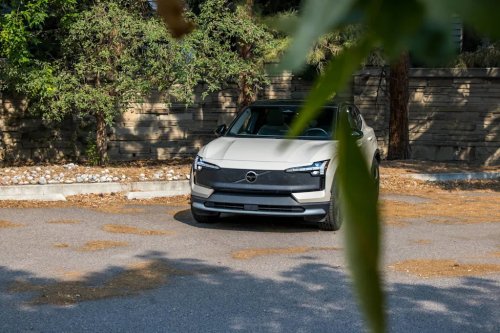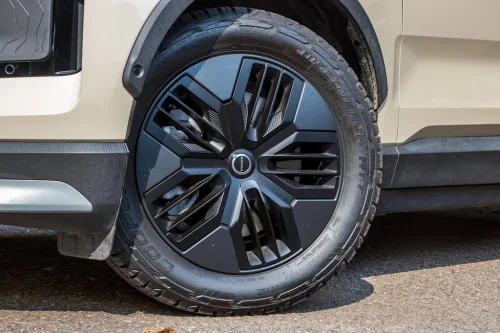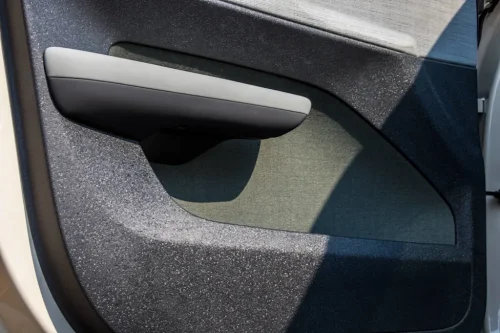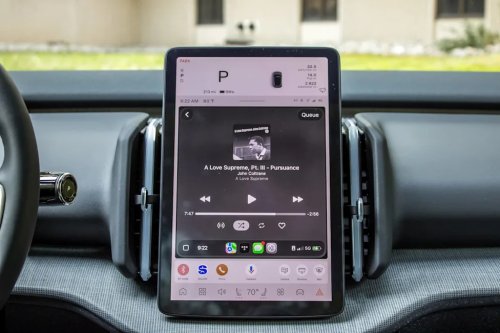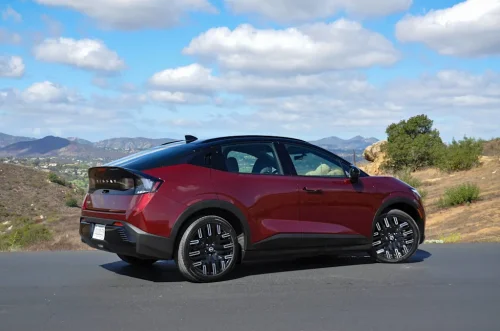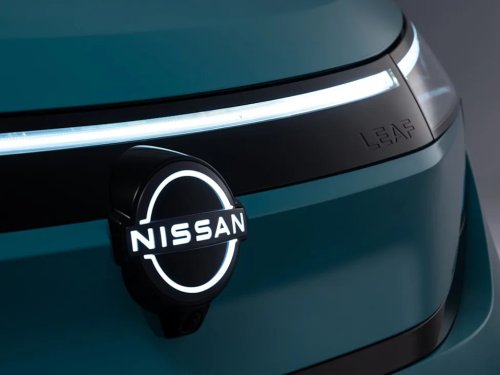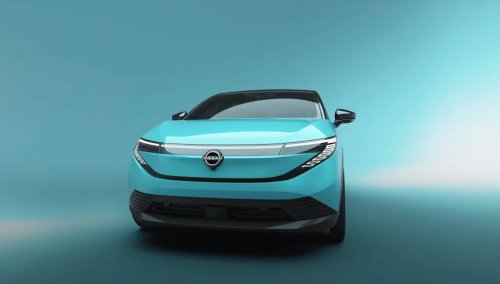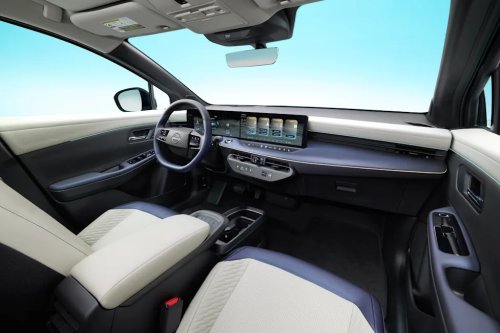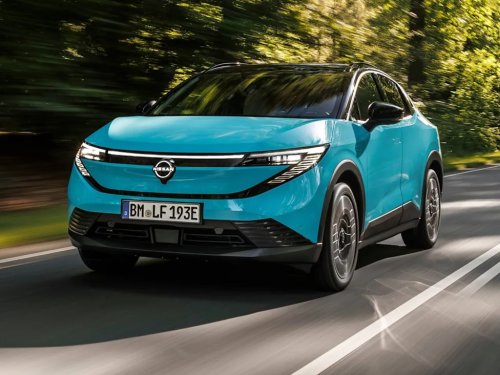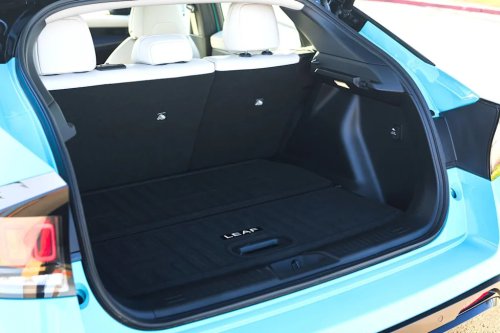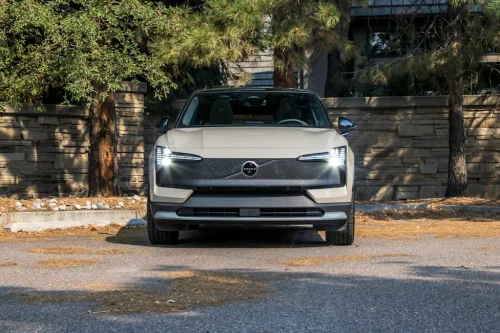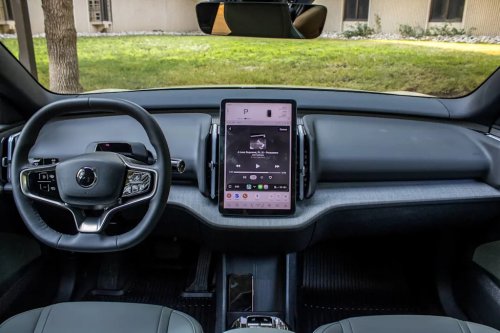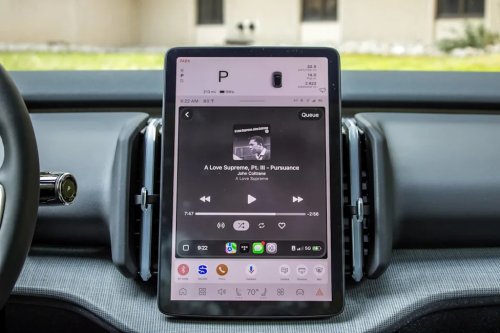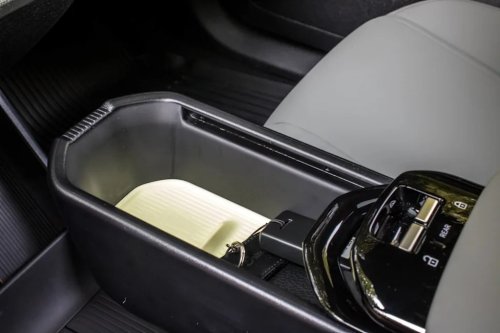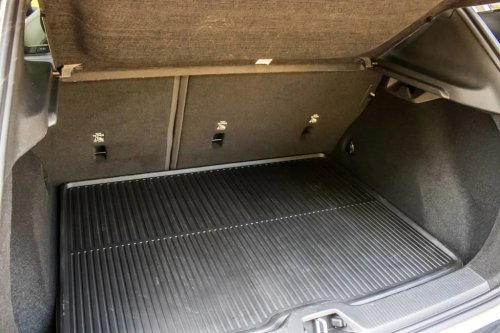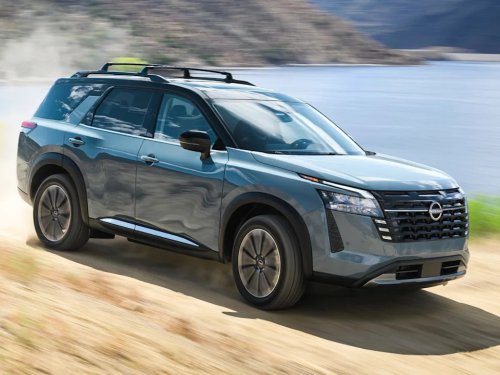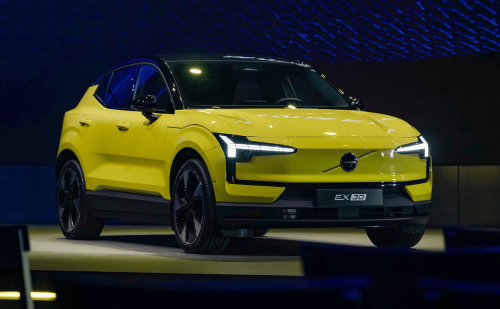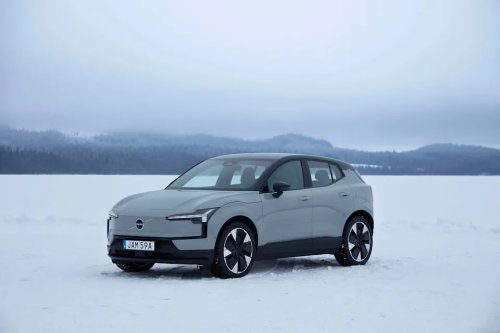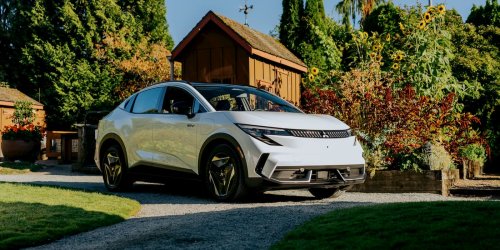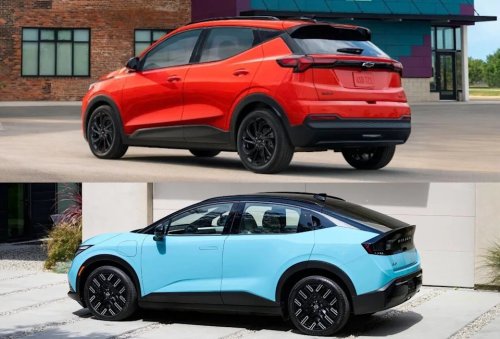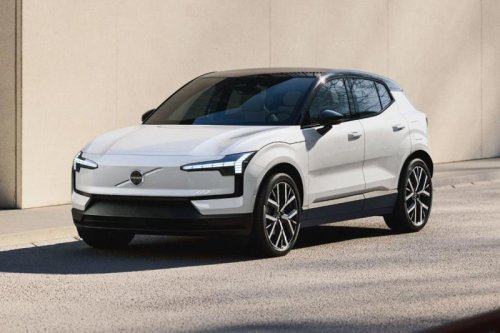
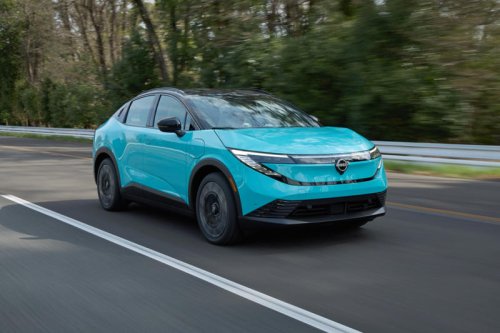
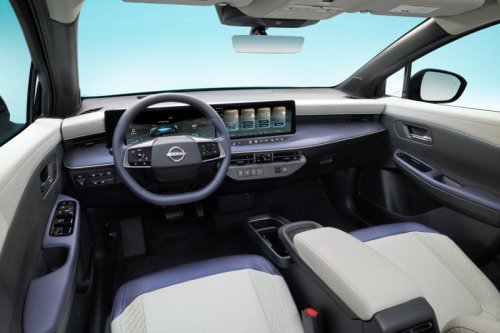
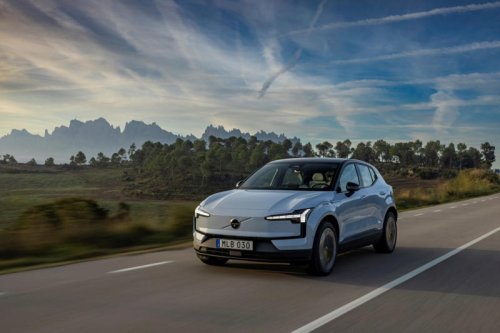
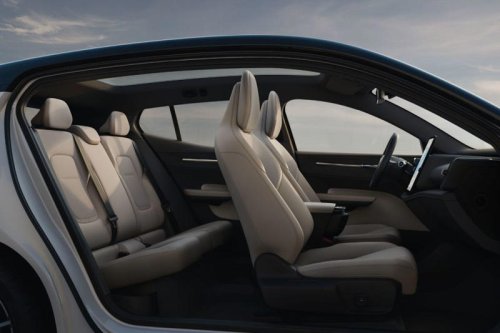
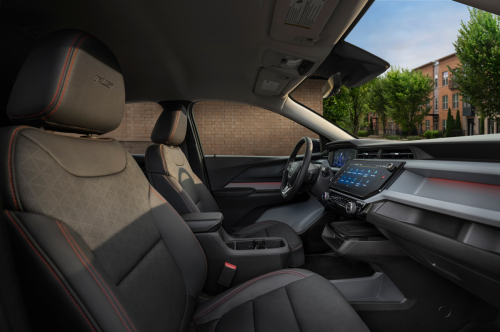
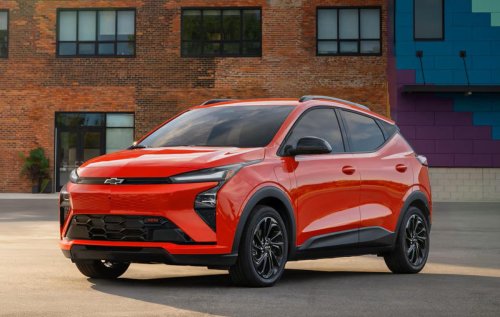
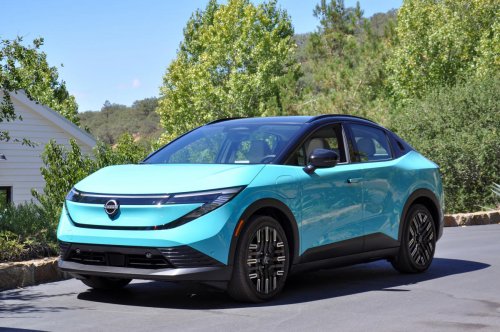



















Affordable electric cars are still a rare thing. While EV technology continues to advance, many buyers still face sticker shock when they start shopping for one. Some automakers have backed off from the EV market, while others are still serious about creating new EVs for the market. Still, very few sell affordable EVs. Three vehicles currently compete for that role: the Nissan Leaf, the Volvo EX30, and the newly reimagined 2026 Chevrolet Bolt. I have spent time behind the wheel of all three, and while they share a mission, they approach it in very different ways.One focuses on simplicity and familiarity. One pushes technology and performance. The third aims to deliver the most value possible. After driving them all, their personalities become obvious. Nissan Leaf: The (New) Veteran $29,990 S+The Nissan Leaf deserves credit simply for being here. It helped launch the modern electric-car movement when it debuted more than a decade ago, and it remains one of the most recognizable EVs on the road today. The third generation is a brilliant return to innovation, but there's a catch. Driving the Leaf feels immediately familiar. Its controls are straightforward, visibility is good, and the overall experience feels like driving a conventional compact hatchback. It sits a bit higher, making for comfy ingress and egress. That elevated height is popular right now, making its stance appealing to consumers. Acceleration is respectable rather than thrilling, the same goes for overall performance. The electric motor delivers smooth, predictable power, and the car is easy to maneuver in tight city environments. Nissan’s e-Pedal system also allows for strong regenerative braking, which makes stop-and-go traffic easier to manage. It's a brilliant little commuter, but not that much fun to drive. An EPA-rated range of up to 303 miles. The base model offers a 214 horsepower synchronous electric motor bound to a 75 kWh battery. Unique amongst the competition, the Leaf has a J1772 port on the driver's side, and a NACS (Tesla) port on the passenger side. It's a great idea, and it can charge up to 150 kW. It looks like the smaller battery, less expensive option has been omitted for the time being. Inside, the Leaf is comfortable and practical, the cabin design is logical, modern and easy to navigate. Base (S/S+) models get dual 12.3-inch screens, and upper trims (SV+/Platinum+) feature larger, dual 14.3-inch displays, both offering wireless Apple CarPlay/Android Auto and Google Built-in. It's an extremely logical setup, and one of the better ones in this class. Volvo EX30 Cloud Blue Exterior Volvo EX30 Single Motor: The Disruptor$40,395 Single Motor The Volvo EX30 takes a completely different approach.This small crossover feels like a glimpse into the future of affordable EVs. Volvo stripped the interior down to the essentials, placing most controls into a large central touchscreen. The cabin feels minimalist and modern, almost Scandinavian in its simplicity.Behind the wheel, the EX30 single motor is the sports car of the bunch. Yes, we know the dual-motor is ridiculously fast, but the rear-mounted power in the single motor is impressive too. eaturing a 268-hp (200 kW) rear motor with 253 lb-ft of torque. Handling is sharp and responsive. The EX30 feels smaller and lighter than many electric crossovers, which makes it fun to drive in tight urban environments. While the EX30 doesn't lead on range numbers, it's still pretty good - considering its raw power. Volvo EX30 Single Motor Extended Range (RWD) offers an EPA-estimated range of up to 261 miles on a full charge. It features a 69-kWh battery (64 kWh usable). The interior materials feel upscale, even though Volvo has clearly focused on sustainability. Recycled fabrics and clever storage solutions give the cabin a modern personality. It features a single, centrally mounted 12.3-inch touchscreen that serves as both the infotainment display and instrument cluster. It is a vertically oriented tablet-style display (think Tesla) running Google-based software with wireless Apple CarPlay/Android Auto. Still, the EX30’s minimalist design will not appeal to everyone. Nearly everything is controlled through the touchscreen, which may frustrate drivers who prefer physical buttons. It's also a bit of a safety issue, as many will be forced to take their eyes off the road to figure out how to control the AC, radio or navigation. Another gripe: the window switches (which make you separately select the back windows to activate) is a bit of an issue too. Despite this, the EX30 stands out as the most modern and performance-oriented vehicle in this group.2027 Chevrolet Bolt: The Comeback Kid$27,500 LT Then there is the 2027 Chevrolet Bolt, which might be the most interesting story of the three.After discontinuing the original Bolt, Chevrolet surprised many people by bringing the nameplate back. This new generation promises improved technology, better charging capability, and a fresh design built on GM’s newer EV architecture. Its battery and motor are derived from the Chevrolet Equinox EV - which improves everything, right out of the box. From the driver’s seat, the Bolt strikes a balance between the other two cars in this comparison. It is more modern than the Leaf but less radical than the EX30. It feels far cheaper than the others as well. The 2027 Chevy Bolt EV offers an EPA-estimated range of 262 miles, a modest improvement from previous models, thanks to increased efficiency from a new motor and smart battery management, not a larger battery. It also features significantly faster 150 kW DC fast charging, reducing charge times and adding the native Tesla-style NACS port Acceleration is lively, but not quite as zippy at the seat of your pants as the old one. It is not as brutally quick as the high-performance EX30, but it feels energetic in everyday driving. It's a bit more engaging than the Nissan Leaf, and it rides better than the previous Bolt as well. The cupholders are customizable, with simple (but ingenious) slip-in cards. One of the biggest improvements is charging capability. The new Bolt supports faster DC fast charging and the North American Charging Standard (NACS - Tesla), which gives it access to a rapidly expanding charging network. It can charge up to 150 kW, and Chevrolet says it's okay to constantly charge up to 100-percent. The EPA-estimated range is 262-miles, which is about the same as the Volvo. Inside, the Bolt’s cabin design is simple, practical and intuitive. Chevrolet mixes digital displays with physical controls, which should appeal to drivers who want technology without complexity. I especially like the column-shifting mechanism, which is right out of the GM parts-bin. Sadly, Apple Carplay and Android Auto are absent, but there is an Apples Music app that's new. Living With ThemAfter driving all three vehicles, their personalities are easy to summarize.The Nissan Leaf feels modern and comfortable. It's the most pleasing amongst this bunch for interior comfort. It has an excellent ride, and the utility is decent. It's height and stance make it look a bit like an SUV, but it's not. Still, Nissan can call it whatever they want, I call it a brilliant commuter. The Volvo EX30 is the most exciting and forward-thinking option. It delivers strong performance, modern design, and impressive range for its size. Its interior is a mix of logical and questionable design ideas, that even includes the retractable cupholders. They work well as cup launchers. The UX is one of the worst here - by far. Graphics are good, but use in motion is difficult. Still, much of that can be overlooked when you're laughing as you drive. It's fun. The Chevrolet Bolt is a far less expensive proposition. Still, a fully loaded RS with the unique paint scheme leans on the Volvo's entry price. In terms of performance: the Bolt sits between the hotrod Volvo, and the mild Leaf. It has good utility, but that also falls in the middle of the others. Despite its status as a vehicle in the middle, it's value and packaging stand out. leaf-13 Final Thoughts There is a verdict. I have a favorite that I would choose as a daily driver living in Los Angeles, and that would be the 2026 Nissan Leaf. While I love the power and performance of the Volvo EX30 Single Motor, the issues with the UX are difficult for an ape like me to rationalize. The Volvo EX30 makes me laugh. It's a joy to drive, and it looks fantastic. If they could fix the user experience with the multi-media screen, (and drop the price a bit) it could become epic. Now, if I lived in the Bay Area (San Francisco), I might go with the Chevrolet Bolt. It's more of a city-dweller's ride, it has excellent exterior packaging, and it's remarkably maneuverable. Not only that, but living in the painfully expensive Bay Area would require me to save as much dough as possible, and the 2027 Chevrolet Bolt is perfect for that.