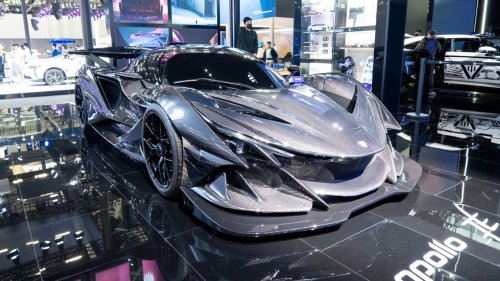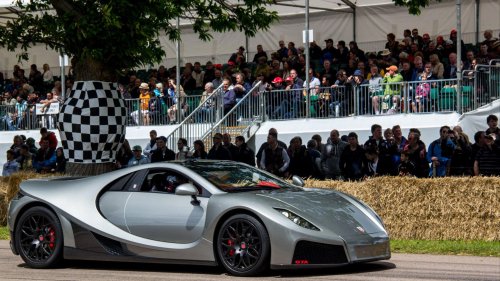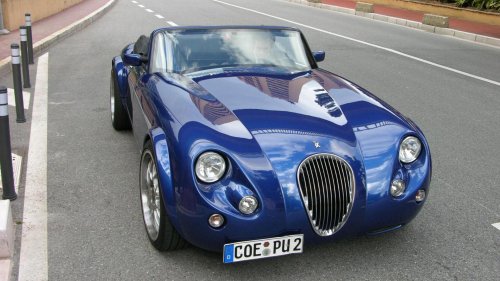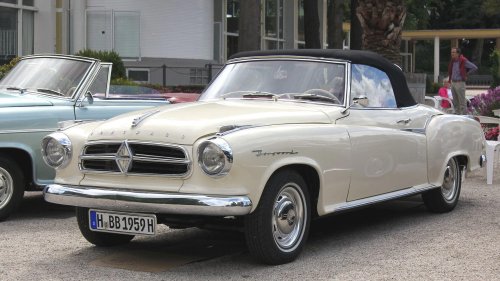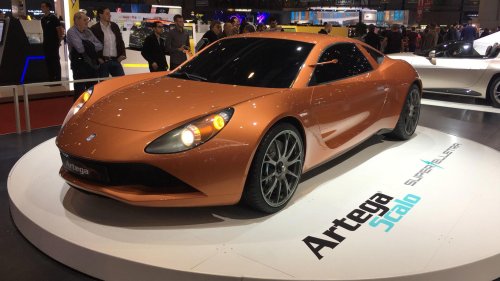
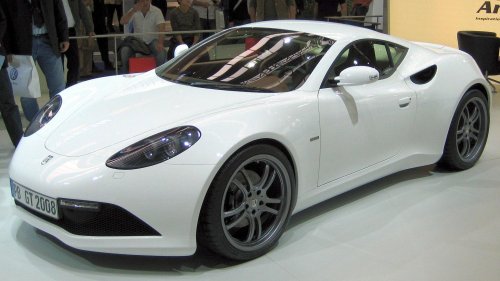
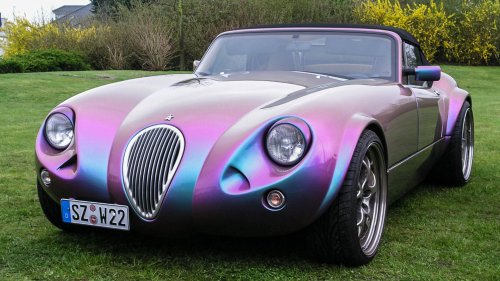
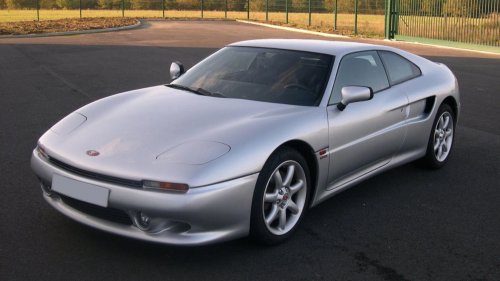
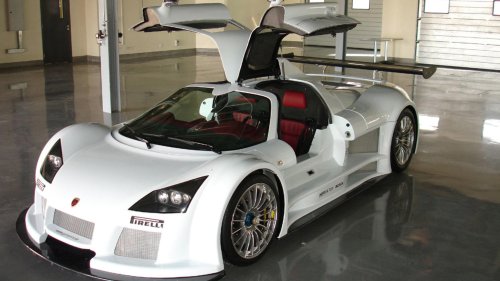
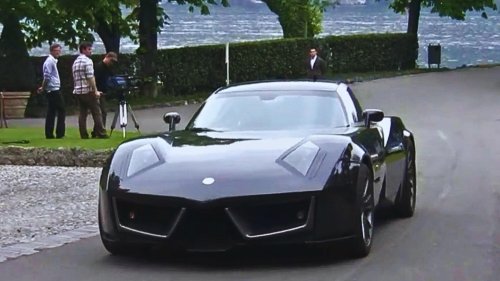


































Hidden Corners Of Car HistoryNot all automakers become household names. Across Europe, dozens have tried to shape the industry, only to remain regional, specialized, or eventually fade away. They built machines reflecting their era—sometimes daring, sometimes practical—but always part of the continent’s motor heritage. Here’s a closer look at the 20 European automakers that rarely make the spotlight.1. ArtegaFrom its inception, Artega established itself as a German pioneer in lightweight sports car engineering, showcasing its technical prowess with the mid-engine GT model. Though bankruptcy halted operations in 2012 despite the GT's acclaimed handling, Artega later evolved toward electric mobility with the Scalo.2. WiesmannGermany's Wiesmann represents the pinnacle of bespoke automotive craftsmanship, with each sports car meticulously hand-built to exacting standards. Their BMW-powered models combine retro styling with modern performance, and their gecko logo and matching headquarters architecture reinforce their commitment to exceptional road-holding capabilities.3. VenturiWhen Venturi captured the world speed record for electric vehicles, it was just the beginning of their high-performance journey. The Monaco-based manufacturer has since become a formidable presence in Formula E racing, while their solar-powered Eclectic urban car showcases their innovative spirit beyond the racetrack.4. GumpertFounded by former Audi engineer Roland Gumpert, this German automaker channeled advanced racing expertise into creating the Apollo, a street-legal race car with extraordinary capabilities. The vehicle's aerodynamics were so precise that it could theoretically drive upside down in tunnels before the company rebranded as Apollo Automobil.5. Spada Vetture SportThe distinctive "cut tail" design of the Codatronca, inspired by iconic racing cars like the Alfa Romeo TZ, stands as the signature element of Spada Vetture Sport. This Italian boutique automaker, founded by celebrated designer Ercole Spada, specializes in crafting lightweight sports cars.6. DonkervoortDutch automaker Donkervoort builds sports cars around an ultra-lightweight philosophy, deliberately leaving out electronic driver aids. This purist approach dates back to 1978, when founder Joop Donkervoort reworked Lotus Seven designs in a shed in Tienhoven to comply with Dutch regulations.7. PGO AutomobilesBorn from the initials of its founders, PGO Automobiles has evolved into a charming French boutique carmaker crafting exclusive, retro-inspired sports cars for discerning enthusiasts. Their flagship Speedster II perfectly personifies this heritage, channeling the timeless elegance of the classic Porsche 356.8. TramontanaDrawing inspiration from fighter jet design, Spain's Tramontana leverages aerospace innovation to achieve automotive excellence. Their exotic supercars feature jet-inspired tandem seating and aerospace-grade carbon fiber and aluminum construction, with each vehicle custom-crafted to reflect its owner's unique vision of high-performance luxury.9. Russo-BaltiqueBefore the Russian Revolution ended imperial privilege, Russo-Baltique represented aristocratic mobility, producing personalized automobiles and aircraft from its Riga base. Revived in spirit, this oldest Eastern European marque now lives on through an elite concept coupe honoring its luxury legacy.10. ZastavaThe introduction of America's lowest-priced new car, the Yugo, marked Zastava's ambitious market expansion beyond its core identity as a Serbian automaker serving communist Eastern Europe. This strategic diversification complemented the company's established military division, which produced both vehicles and firearms.11. MelkusLike a phoenix rising from automotive history, Melkus's 2000s reemergence with the RS 2000 echoed its storied East German past, when the RS 1000 excelled in regional motorsport. Though production was brief, the revival reaffirmed Melkus’s dedication to building niche sports cars.12. Bristol CarsBlending quintessential British luxury with muscular American V8 engines, Bristol Cars crafted a unique automotive identity rooted in its aircraft-making heritage. The brand's London showroom, with its charmingly unreliable neon sign, perfectly captured this marriage of understated exclusivity and engineering prowess.13. Marcos EngineeringMarcos Engineering built sports cars on wooden chassis during an age dominated by steel. Founded in 1959 by Marsh and Costin, the brand showcased its ingenuity when a Mini Marcos famously finished at Le Mans in 1966, notably as the only British car to complete the race amid widespread mechanical failures.14. Bitter CarsGerman entrepreneur Erich Bitter transformed his automotive vision into reality by founding Bitter Cars, crafting luxury vehicles on Opel platforms with distinctive styling. After debuting the Bitter CD at the 1973 Frankfurt Motor Show, his company later pursued expansion into the American market.15. HeuliezWithin France’s storied automotive scene, Heuliez carved a distinctive niche as a coachbuilder. The company mastered retractable roof systems for models such as the Peugeot 206 CC and Opel Tigra TwinTop. It also gained recognition for producing one-off bespoke concept cars.16. FSOThrough strategic collaboration with Fiat in its formative years, FSO transformed from its 1948 founding into a manufacturing force to complete its Polish factory in 1951. The automaker's subsequent success with the Polonez family car enabled expansion into British markets under the FSO brand.17. TatraA Czech transportation pioneer, Tatra began with Ignác Šustala's visionary horse-drawn carriages before revolutionizing automotive design with the Tatra 77, the world's first serial-produced aerodynamic car. Their innovative spirit extended to air-cooled engines that powered both trucks and military vehicles.18. InnocentiInnocenti's evolution from a Lambretta scooter manufacturer to a prominent automaker exemplifies Italian industrial ambition. The company's signature achievement, the Bertone-styled Innocenti Mini, was evidence of its automotive expertise, which earned international recognition through successful exports beyond Italy's borders.19. Microcar (France)Imagine being unable to drive simply because obtaining a full license feels out of reach. That's where French manufacturer Microcar made its mark in crafting small “sans permis” vehicles that gave mobility freedom to young drivers and those with limited options. By 2008, this vision led to a merger with Ligier.20. Noble AutomotiveAfter honing his craft at Ultima Sports, Lee Noble established Noble Automotive in 1999 to pursue his vision of pure, unfiltered driving machines. This philosophy materialized in the celebrated M12 and M600 models, which earned acclaim for delivering raw performance without electronic interference.