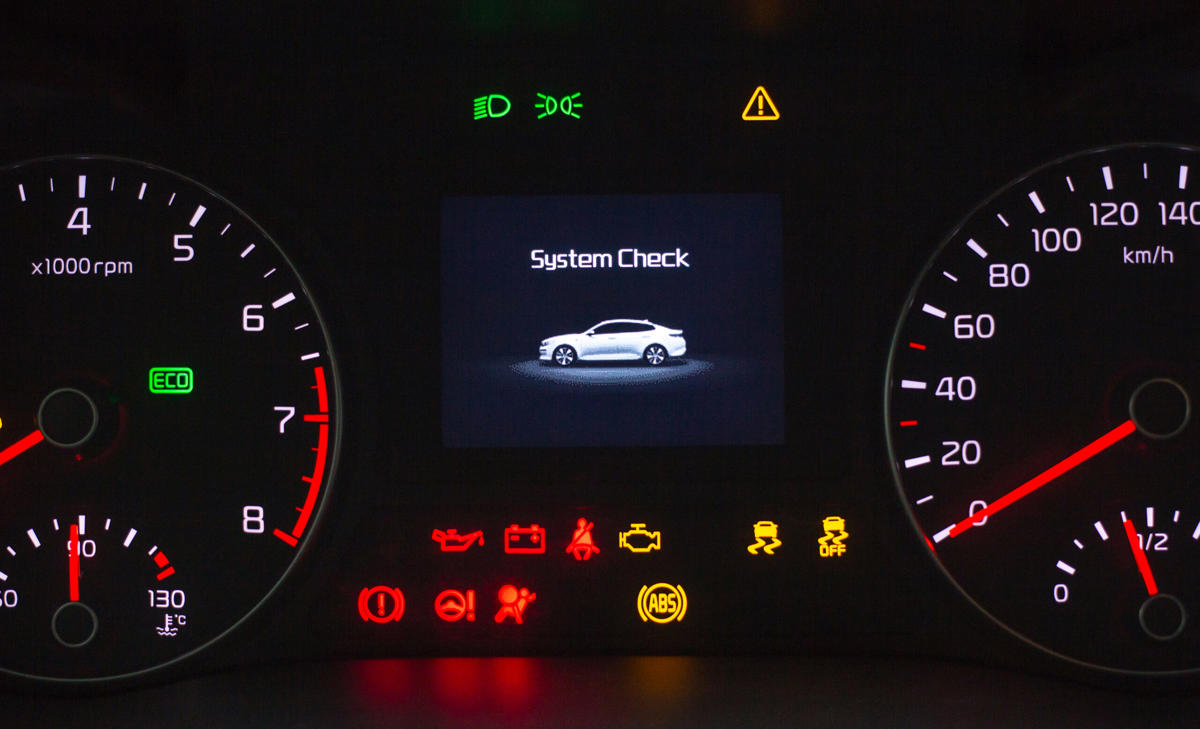
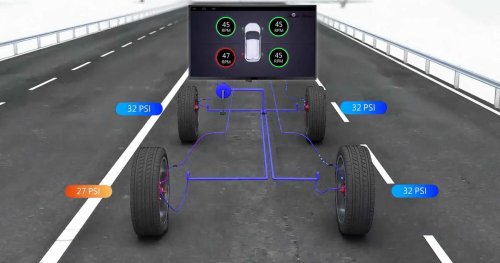
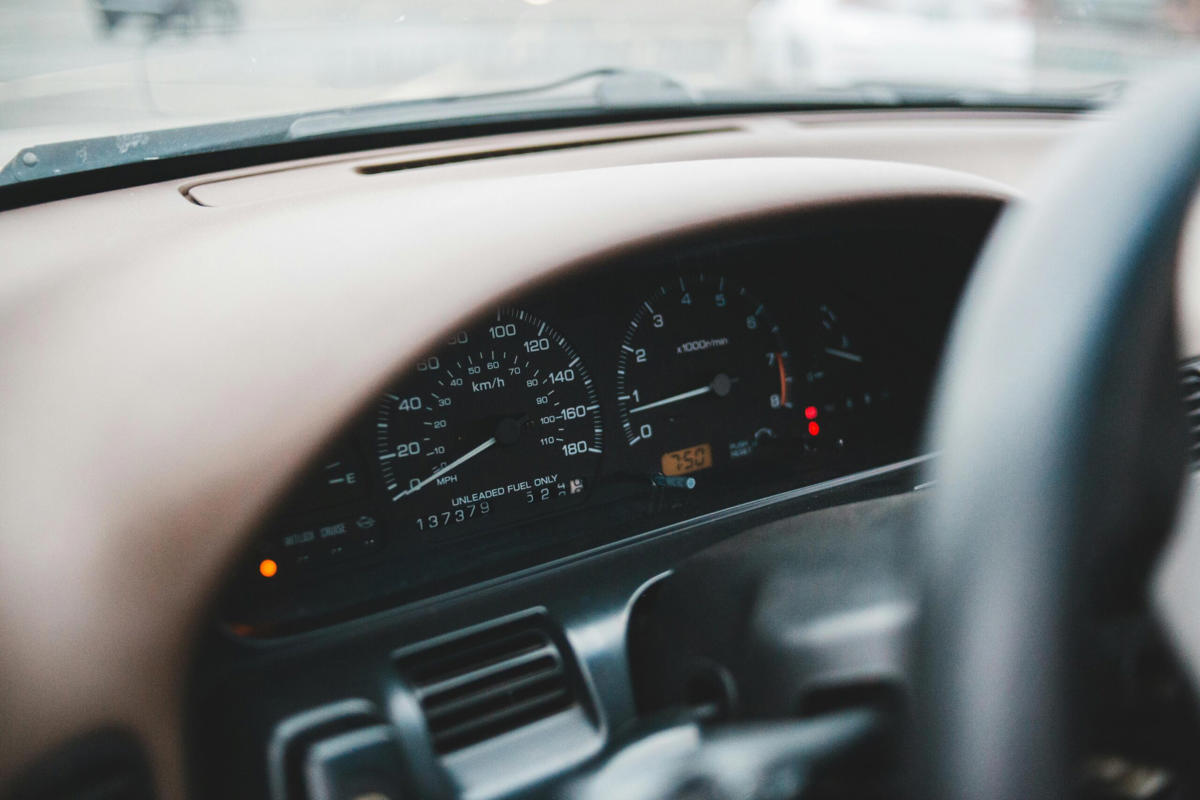
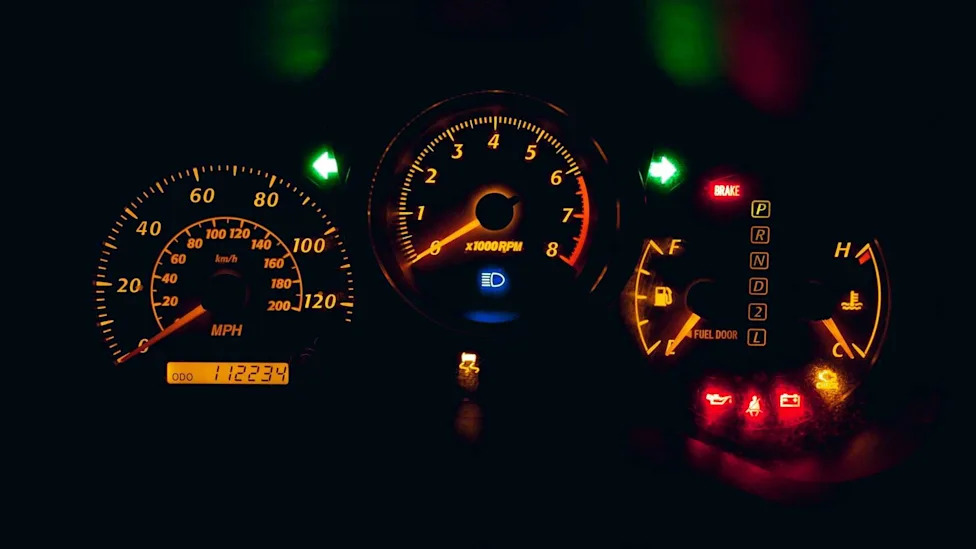
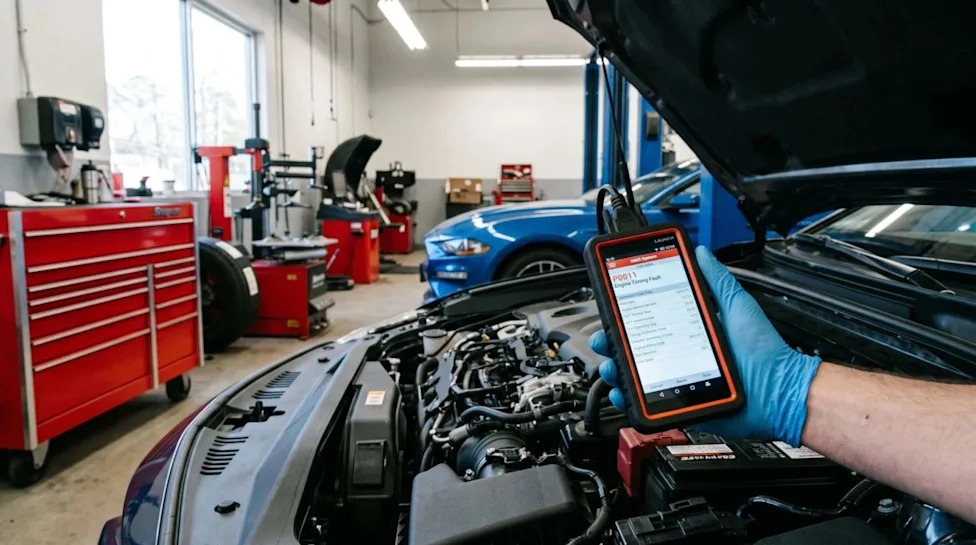
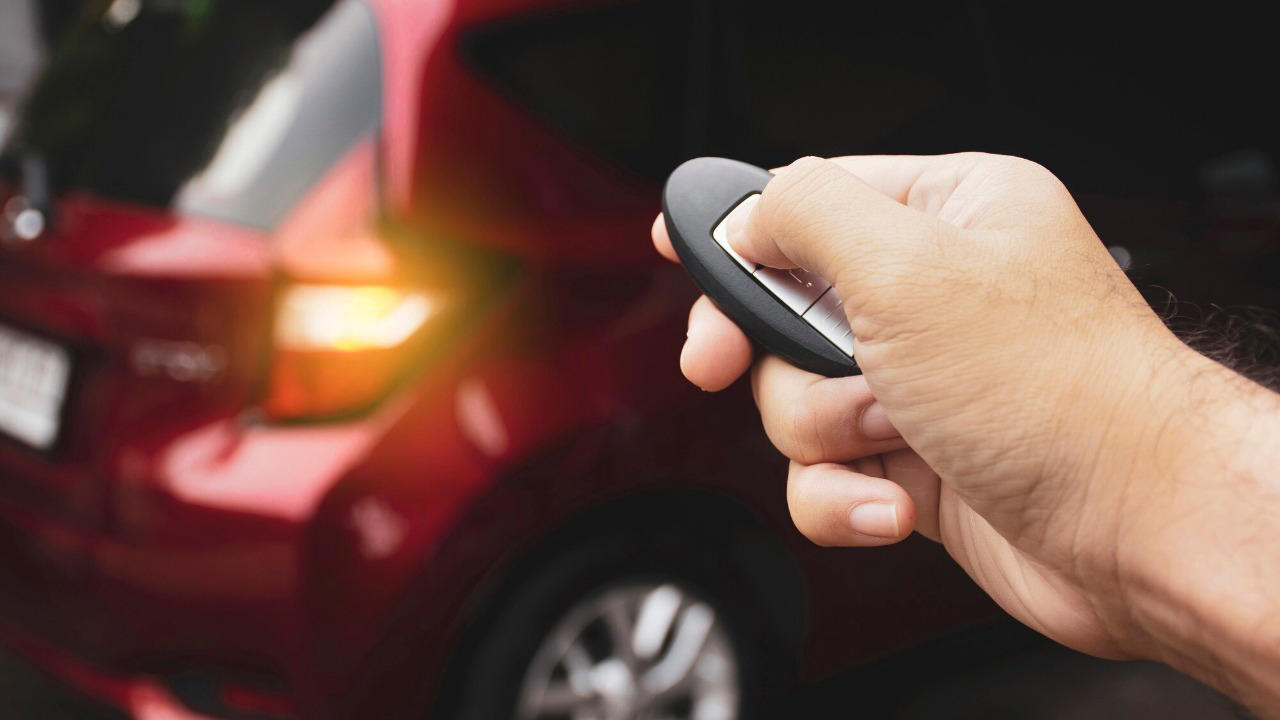
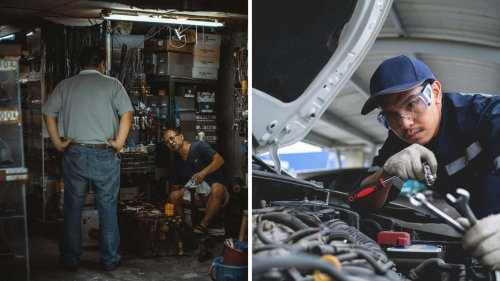
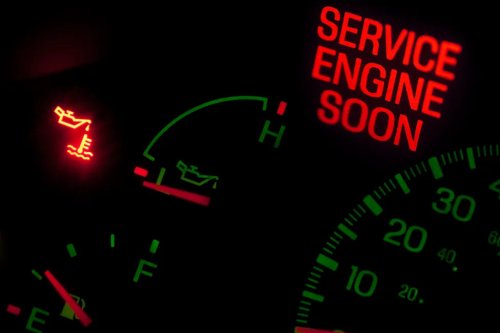
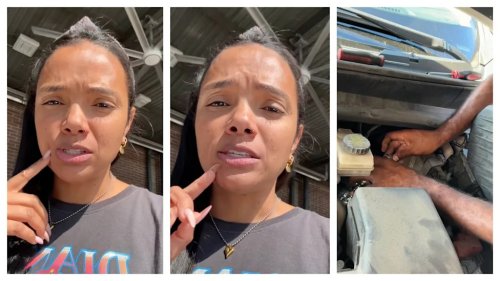
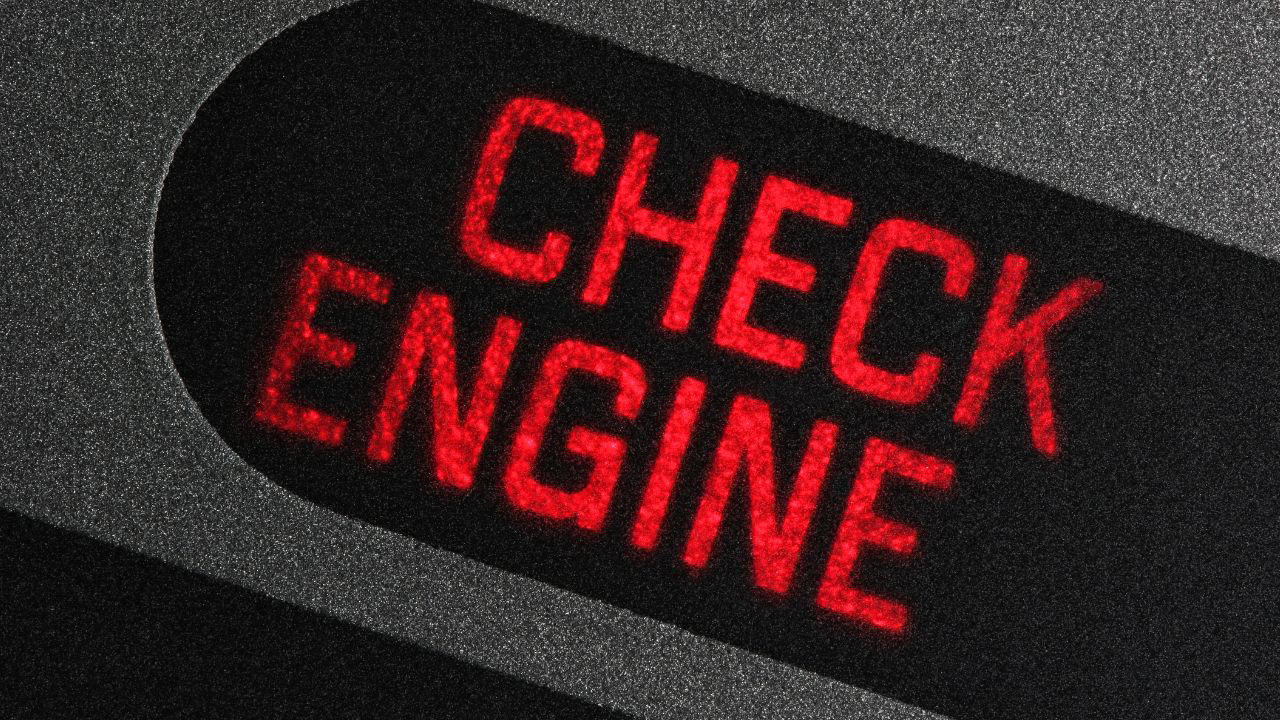
Driver says the mechanic cleared the warning light but it returned before he reached home Stories like this aren’t rare, and they’re not always a sign someone did something shady. Modern cars are basically rolling computers with sensors everywhere, and warning lights are often the car’s way of saying, “Hey, I noticed something weird—maybe.” Still, when a light returns that fast, it usually means the underlying problem never really left. What happened at the shop According to the driver, the mechanic scanned the vehicle, mentioned a stored fault code, and cleared it. The warning light turned off immediately, and the driver was sent on his way with a brief explanation that it “might’ve been a glitch” or “could’ve been old.” The bill wasn’t huge, but the expectation was clear: the car should be fine now. Then came the twist. Within a short drive—before the driver reached home—the same warning light illuminated again. That quick return is the kind of thing that makes anyone wonder whether the shop actually fixed anything or just hit the automotive equivalent of “turn it off and on again.” Why warning lights come back so quickly Clearing a warning light doesn’t “fix” the issue by itself. It simply wipes the car’s memory of the fault, at least temporarily, and turns the light off until the computer sees the problem again. If the issue is still happening in real time, the system can re-detect it almost immediately—sometimes within seconds, sometimes after a few miles. Think of it like silencing a smoke alarm without putting out the toast that’s still burning. The room might seem calmer for a moment, but the smoke hasn’t gotten the memo. If a sensor reading stays out of range, the car’s computer will pull the alarm lever again as soon as it runs its checks. “Cleared code” vs. “repaired fault”: the big misunderstanding A lot of drivers hear “I cleared the code” and understandably interpret it as “I fixed the car.” In reality, clearing codes is often just step one—useful for confirming whether a fault is persistent or intermittent. A good diagnostic process usually involves reading the code, checking “freeze frame” data (what the car was doing when the fault happened), and testing the components involved. There are times clearing a code is reasonable, like after replacing a part or repairing a loose connector. It can also help if the fault truly was a one-time hiccup. But when the light returns immediately, that’s the car saying, “Nope, still happening.” The most common culprits (and why they’re so stubborn) What the light means depends on which light it is—check engine, ABS, tire pressure, traction control, or something model-specific. But the pattern is similar: a sensor sees something out of spec, the computer logs it, and the dash tells you. If the actual condition hasn’t changed, the light will be back like a boomerang. For a check engine light, common repeats include loose or failing gas caps (yes, really), small EVAP leaks, aging oxygen sensors, misfires from worn spark plugs or ignition coils, and airflow issues from dirty sensors or vacuum leaks. For tire pressure warnings, temperature swings and slow leaks are classic. For ABS or traction lights, wheel speed sensors and corroded wiring can be repeat offenders, especially in areas with road salt. Why a shop might clear a light without fixing anything Sometimes it’s innocent: the customer wants the light off for a quick inspection, sale, or trip, and asks for the cheapest possible option. Sometimes the shop is trying to verify whether the code returns under real driving conditions. And sometimes—let’s be honest—it’s a rushed appointment and they didn’t have time to diagnose beyond the scan. There’s also a technical wrinkle: many faults are intermittent. A frayed wire might only act up when the engine is warm, or when you hit a bump, or when humidity’s high. A quick scan in the bay may not reproduce the problem, so clearing the code and advising the driver to return if it comes back can be a reasonable first step—if that’s clearly communicated. What drivers should ask when a warning light is cleared If you’re standing at the counter and the shop says they cleared it, it’s fair to ask a few questions. Which code was it? Was it “pending” or “confirmed”? What system triggered it, and what are the likely causes? You can also ask whether they checked live data or performed any tests beyond reading the code. If they didn’t, that doesn’t automatically mean they’re wrong—but it does mean the next step might be real diagnosis, not just another reset. And if they did tests, ask what they found and what they recommend next. What to do if the light comes back before you get home First, don’t panic—but don’t ignore it either. If it’s a check engine light that’s steady and the car feels normal, it’s usually safe to drive short distances, though you’ll want it looked at soon. If the light is flashing, the engine is running rough, you smell fuel, or the car is losing power, pull over when it’s safe and consider a tow; flashing often indicates a misfire that can damage the catalytic converter. For an oil pressure light, stop immediately—no debate. For temperature warnings, pull over and shut the engine down before it overheats. For brake system warnings, treat it seriously and avoid driving until you know what’s going on. How to get a better outcome on the second visit When you go back, bring details: how long after leaving the shop the light returned, whether the car was cold or warm, your speed, and whether anything felt different. If you can take a quick photo of the dash light or message, even better. The more context you provide, the easier it is to reproduce the issue and pinpoint the cause. It also helps to ask for the actual codes in writing, not just “it was something with emissions.” Many shops will print the scan results, and that printout can save time if you end up seeking a second opinion. If you have a simple code reader or a trusted parts store scan, compare results—but remember that a code points to a system, not automatically to the exact part to replace. A small light with a big message The driver’s frustration makes total sense: you pay for help, you expect progress, and a returning light feels like being pranked by your own dashboard. But in many cases, it’s less prank and more clue. The car is repeating itself because it’s still seeing the same problem, and now you’ve got a clear signal that the next step needs to be diagnosis and repair, not just another reset. If there’s a silver lining, it’s this: a warning light that comes back quickly can actually be easier to diagnose than a mystery that appears once a month. Annoying, yes—but also kind of helpful. Your car’s basically saying, “I can show you the problem again anytime you’re ready,” which is oddly considerate for a machine that also sometimes forgets your Bluetooth settings. More from Fast Lane Only Unboxing the WWII Jeep in a Crate 15 rare Chevys collectors are quietly buying 10 underrated V8s still worth hunting down Police notice this before you even roll window down The post Driver says the mechanic cleared the warning light but it returned before he reached home appeared first on FAST LANE ONLY.



















 +6 others