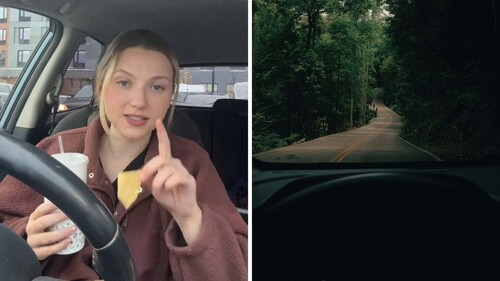
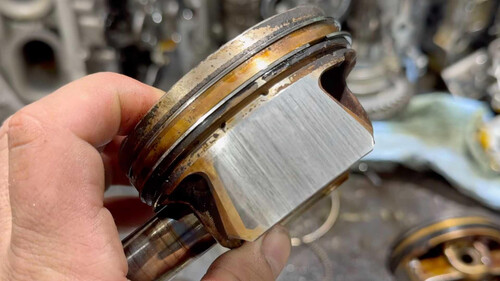
Audrey Wilson · 6 months ago@audreywilson25Woman Takes Car To The Shop With Brake Issue. Then A Mechanic Says She Ignored One Major Warning: 'Brake Pad Fell Out' Liked by+9 othersPost commentRelated Posts'A Major Concern': Mechanic Works On Hybrid Car. Then He Sees What Comes Out. So, Do You Really Change The Oil On Hybrids? 40 · Gabriel Smith · 6 months agoWoman Takes Her Truck To The Mechanic. Then He Says She Needs The $1,600 Platinum Fuel Service: 'The Shop Owner...' 35 · Lauren Green · 6 months agoMechanics warn the 1964 Studebaker Cruiser can hide issues that take time to uncover 34 · Ryan Anderson · 6 months agoArizona Woman Spots Semi-truck on Tracks. Then the Union Pacific Barrels Through: ‘This Train Comes With Noooo Warning at Times!’ 57 · Daniel Anderson · 8 months agoMercedes Recalls Over 30,000 S-Class Cars Over Brake Fluid Leak RiskVictoria Green · 6 days agoHyundai Recalls 2015–2016 Elantra and Elantra GT Over Major Air Bag Issues 14 · Caleb Roy · 4 months agoMan Takes Ford Into The Shop. Then He's Told It’ll Be $900 Because Ford No Longer Makes This Part. Then He Calls His Lawyer 75 · Kayla King · 6 months agoPorsche's Most Uncompromising Race Car Had Carcinogenic BrakesMorgan Scott · 7 days ago10 Chevy pickups that just keep going without major issues 19 · Camille King · 5 months ago'Major Red Flag': Florida Tech Says The Length Of The Warranty Reveals If Your Mechanic Is Honest. Then He Tells All 64 · Ava Scott · 8 months ago'That's Not Good': Man Takes A Hyundai Sonata To The Shop. Then The Mechanic Takes One Look—And Recommends He Sell It 35 · Lauren Green · 6 months ago‘I’m 31 And I Just Found This Out:’ Woman Warns Against This Common Practice If You Get Into Car Accident And It Wasn’t Your Fault 67 · Ava Nelson · 9 months agoHuawei-JAC’s Maextro responds to brake pedal failure of its 150K USD carMason Poirier · 9 days agoFCA Recalls Over 61,000 Jeep Cherokees as One Owner Injured by Major Issue 55 · Aiden Lavoie · 5 months ago'Don’t Call Them Stealerships For Nothing:’ Dealership Claims This Car Needs Major Repairs. Then a Mechanic He Pulls It Apart 36 · Connor Wright · 9 months agoWoman Says Cover VIN to Avoid Car Theft. Now People Are Warning This Could Get You Arrested 46 · Ethan Johnson · 11 months ago"Damaged Cars Have Nothing to Lose": Dashcam Footage Captures Road Rage That Turns Into a Brake CheckMatthew Scott · 11 days ago10 pickups that just keep going without major issues 98 · Sophie White · 5 months ago'Cheap As Possible': Woman Brings Out-Of-Warranty Hyundai To Shop. Then The Mechanic Decides To Take Care Of Her 71 · Audrey Fortin · 7 months agoWoman Leaves Starbucks When Stranger Warns Her Back Tire Is Flat. But She Can See It’s Fine On Her Backup Cam 28 · Mason Johnson · 1 years ago


 +9 others+9 others
 +9 others