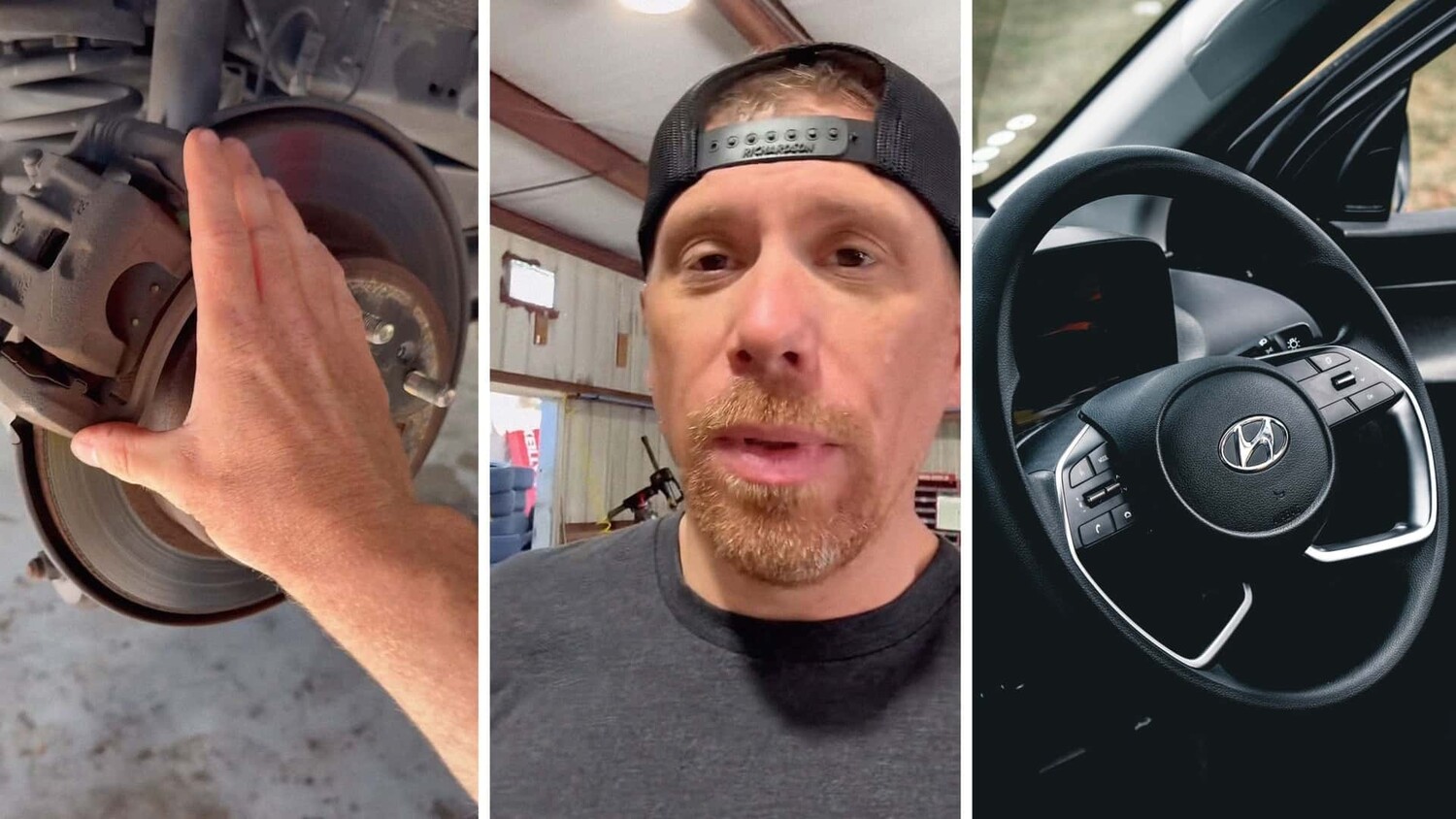
I bought a used car with a clean history, but the repair shop found signs of previous damageIt started like one of those responsible adult wins: a used car with a “clean history,” a tidy test drive, and paperwork that looked reassuringly boring. No accident reports, no scary notes, no red flags waving from the glove box. The plan was simple—buy it, change the oil, and forget the dealership ever existed. Then a routine visit to a repair shop turned into a plot twist. The mechanic popped the hood, took a long look underneath, and casually mentioned “signs of previous damage.” The kind of sentence that makes your stomach do a little backflip. A clean history report isn’t the same as a clean past A lot of buyers think a vehicle history report is basically a car’s diary: if it doesn’t say it happened, it didn’t happen. But history reports aren’t all-seeing. They’re more like a scrapbook made from whatever photos someone bothered to submit. They typically pull from insurance claims, police reports, DMV records, and service databases—useful, but not complete. If damage was repaired out of pocket, handled at a small shop that doesn’t report to big databases, or never officially documented, it may never show up. So yes, a car can be “clean” on paper and still have a past life as a parking-lot bumper magnet. What the repair shop actually noticed Repair shops don’t need a report to get suspicious. They see cars all day, and patterns jump out: mismatched paint texture, uneven panel gaps, bolt heads with tool marks, or overspray in places paint has no business being. Sometimes it’s as subtle as one headlight sitting a hair differently than the other. Underneath, clues can be even louder. Bent brackets, fresh undercoating in one area, or weld marks that don’t match factory seams are classic tells. A good mechanic can spot “this was replaced” versus “this was built that way” the same way a good baker knows when a cake mix was “enhanced.” The most common ways damage slips through the system One of the biggest reasons damage doesn’t show up is simple: nobody reported it. A fender-bender fixed at home, a cash repair to avoid an insurance premium hike, or a quick patch job before selling can all leave zero official trail. The car didn’t lie; the system just never heard about it. Another common scenario is a minor accident that wasn’t categorized as “damage” in a way that triggers a record. Or the records exist, but the VIN data didn’t sync properly between agencies, shops, and databases. It’s not glamorous, but a lot of “missing history” is just bureaucracy being bureaucracy. Is it cosmetic, or is it the kind of damage that matters? Not all previous damage is a deal-breaker. A repainted bumper, a replaced fender, or a door that was swapped after a parking lot mishap might be annoying, but it doesn’t automatically mean the car is unsafe. Plenty of vehicles have had body work and go on to live perfectly normal lives. The bigger concern is structural damage—anything involving the frame, unibody rails, crumple zones, suspension mounting points, or airbag systems. If those areas were hit and not repaired correctly, you can end up with alignment issues, odd tire wear, wind noise, leaks, or worse: compromised crash protection. When a mechanic says “signs of previous damage,” the next question is always “where, and how serious?” How shops confirm it (without guessing) A careful shop won’t just shrug and point at a weird paint line. They’ll measure panel gaps, check for factory spot weld patterns, and look for stamps or labels that indicate original parts. They may compare paint thickness across panels with a gauge, which can reveal resprays even when the color match is decent. On the mechanical side, they might inspect the alignment readings, look for uneven subframe positions, or check for suspension components that are newer on one side. Sometimes they’ll recommend a more thorough inspection from a body shop that specializes in collision repair. It’s like getting a second opinion when the first one makes your eyebrow twitch. What to do right after you hear the news First: don’t panic-buy new problems. Ask the shop to show you what they found, preferably on a lift, and get photos. A written note on the invoice helps too—something specific, like “evidence of prior front-end repair” rather than a vague “seems off.” Second: clarify whether it affects safety, drivability, or long-term reliability. If it’s cosmetic, it may just be information you wish you’d had earlier. If it’s structural or tied to airbag deployment, that’s when you slow down and start gathering documentation like you’re building a tiny case file. If you bought it recently, your next move depends on the deal If you purchased from a dealer, check your paperwork for any warranty terms, return window, or “certified” claims. Some states have consumer protection rules around misrepresentation, but the details vary wildly. What matters is what was promised, what was disclosed, and what you can prove. If you bought from a private seller, it’s often “as-is” unless there was clear fraud or a specific guarantee. Still, it’s worth reviewing the listing, texts, and any statements about accidents or condition. If someone said “no accidents” and you can document significant prior collision repair, that’s not just awkward—it can be actionable. How to talk to the seller without it getting weird Keep it calm and fact-based. Share the shop’s findings and ask if they knew about prior repairs. Sometimes the seller truly didn’t know—especially if they owned it briefly or inherited it—so starting with accusations can backfire fast. If you’re aiming for a partial refund or repair help, be specific about what you’re requesting and why. “I’d like $X because the repair shop found prior structural repair in this area” lands better than “This car is cursed.” Even if the conversation goes nowhere, you’ll want a clean record of your attempt to resolve it. What this means for resale, insurance, and your sanity Undisclosed damage can affect resale value, especially if it’s structural or shows up in future inspections. Even if it never hits a database, savvy buyers and shops can spot repairs. That doesn’t mean the car is worthless—it just means you should price it realistically when the time comes. Insurance usually cares more about current condition and future risk than ancient dents, but prior damage can complicate a claim if the same area is hit again. Document what you’ve learned now, keep receipts, and consider a thorough inspection report in your files. It’s the grown-up version of keeping the box your headphones came in, except this one can actually save you money. How to avoid the same surprise next time A pre-purchase inspection is still the best money you can spend on a used car, even if the history report looks spotless. Ideally, it’s done at a shop that has no stake in the sale and can put the car on a lift. They’ll catch things a test drive won’t, like underbody repairs, fluid seepage, and subtle suspension tweaks. It also helps to look at the car in bright daylight, run your hand along panel edges, and check for mismatched gaps around the hood, trunk, and doors. None of this makes you paranoid—it just makes you less likely to be surprised later. And honestly, surprises are great for birthdays, not for ball joints. For now, the big question isn’t whether the car had damage in the past. It’s whether it was repaired properly, whether it impacts safety, and whether the purchase terms gave you any leverage. Once you know those answers, the situation usually becomes a lot less mysterious—and a lot more manageable. More from Fast Lane Only Unboxing the WWII Jeep in a Crate 15 rare Chevys collectors are quietly buying 10 underrated V8s still worth hunting down Police notice this before you even roll window down The post I bought a used car with a clean history, but the repair shop found signs of previous damage appeared first on FAST LANE ONLY.