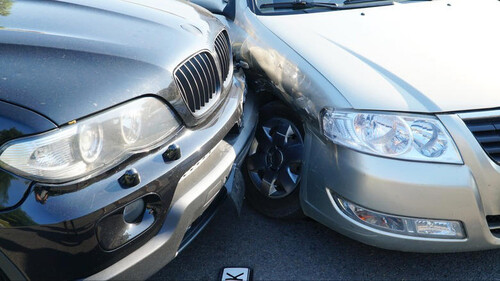
I bought a truck advertised with a clean history, then the Carfax updated two days after I took it homeIt’s the kind of purchase you want to feel good about: a solid truck, a fair price, and a reassuring “clean history” right there in the listing. The seller had the Carfax printed out, the salesperson pointed to it like it was a badge of honor, and everything seemed straightforward. Two days after the truck was in my driveway, the Carfax updated. Suddenly, that “clean” report had new information—an accident entry that hadn’t been there at signing. If you’ve never experienced your stomach dropping while you’re holding a set of keys, I don’t recommend it. And if you have, you already know the first thought: “So… what exactly did I buy?” The moment the “clean history” stopped being clean I didn’t wake up expecting drama. I was doing the normal new-to-me vehicle stuff—setting up Bluetooth, checking the bed liner, mentally planning the first Home Depot run that would justify the whole purchase. Then I pulled up the Carfax again, partly out of curiosity, partly because I’m that person who rereads receipts. There it was: a newly posted incident record dated months earlier. Same VIN, same truck, and a note that strongly suggested damage had been reported or repaired. The weird part wasn’t that accidents happen; it was that the report changed after the sale, like a plot twist you didn’t ask for. How can a Carfax change after you buy? This is the part that surprises people, because Carfax can feel like a definitive background check. In reality, it’s a database that updates when new data gets reported to it. Insurance claims, body shop records, police reports, DMV title events, auction announcements—different sources feed into the system at different speeds. That lag matters. If a repair facility uploads information late, or an insurer finalizes a claim later than expected, the report can look “clean” on Monday and show an accident on Wednesday. It’s not exactly comforting, but it is common enough that consumer advocates have been warning people for years: a vehicle history report is a tool, not a time machine. What the dealer listing actually promised (and what it didn’t) The listing said “clean history,” and the Carfax printout matched that at the moment we looked. But “clean history” isn’t a regulated guarantee in the way “certified pre-owned” can be. Many dealers use the phrase to mean “no issues shown on the report at the time,” not “no issues ever, across all possible databases, forever.” That doesn’t automatically let anyone off the hook, though. If a seller knew about prior damage and advertised the truck as accident-free, that’s a different story. The hard part is proving what they knew, and when they knew it. First things first: save receipts, screenshots, and the exact report you saw When something like this happens, your best friend is documentation. If you still have the printed Carfax, keep it. If you accessed it online, take screenshots that show the date and time (or print to PDF), plus the listing language that said “clean history.” This isn’t about being dramatic—it’s about creating a clear timeline. “The report changed later” is much easier to discuss when you can show what it said on purchase day. And yes, it feels a little ridiculous to gather evidence about a truck you were excited about 48 hours ago, but welcome to adulthood. Call Carfax and ask for the source of the new entry Carfax entries often include limited details, so it’s reasonable to ask where the information came from. In many cases, Carfax will identify the reporting source category (like an insurer, collision center, auction, or government agency). They may not hand you a full file, but they can sometimes clarify why and when the record appeared. If the new entry is wrong—say it’s a clerical mix-up, a duplicate VIN, or a repair that wasn’t actually crash-related—you can dispute it. Carfax has a correction process, and it typically involves supporting documents from the owner, repair shop, or insurer. It’s not instant, but it’s worth doing if the record is inaccurate. Then talk to the seller—calmly, quickly, and in writing The emotional impulse is to storm back in and demand answers, but a calm approach gets more done. Start by contacting the salesperson or manager with a simple message: you purchased based on a clean report, the report updated after delivery, and you want to understand the truck’s history and options. Ask directly whether they’ll unwind the deal, offer compensation, or provide additional records. Follow up in writing even if you talk on the phone. Email gives you a time-stamped trail, and it helps prevent the classic “we never said that” fog that can settle over a dealership conversation. If they’re helpful, great—if they aren’t, you’ll be glad you kept things organized. What you can do depends on the contract, your state, and the facts People often assume there’s a universal “cooling-off period” for car sales. In most places, there isn’t one for vehicles bought at a dealership, and private sales are even more limited. That said, some dealers offer short return windows, and some states have specific disclosure requirements—especially around known damage, salvage history, or title branding. If the vehicle now appears to have had an accident, the key question becomes: does that materially affect the value, safety, or the terms you agreed to? If the truck was advertised as accident-free and it turns out it wasn’t, that can become a misrepresentation issue. If the report updated due to a late data upload and nobody knew, it’s more complicated, but not necessarily a dead end. Get an independent inspection before you assume the worst An accident entry doesn’t automatically mean the truck is a lemon. Sometimes it’s a minor bumper incident; sometimes it’s structural damage that was repaired well; sometimes it’s a “damage reported” note with very little context. A trusted independent mechanic or body shop can look for signs of repairs—paintwork, panel alignment, frame measurements, weld marks, and whether everything underneath looks factory or “Friday-afternoon special.” If the inspection shows meaningful prior damage, you’ll have clearer leverage in discussions with the seller. If the inspection shows it’s clean and straight, you can breathe a little and focus on correcting the record or deciding if you’re comfortable keeping it. Either way, you’ll be making decisions based on the truck, not just the database. Why this matters even if the truck drives fine Even perfectly repaired accident history can affect resale value, trade-in offers, and how quickly a vehicle sells. Some lenders and insurers care about history reports in ways consumers don’t expect, and a new entry can change those calculations overnight. It’s frustrating because nothing about the truck changed—only the paper trail did. And that’s the real sting here: you did what responsible buyers are told to do. You checked the history report, you reviewed the listing, you tried to be careful. Then the information moved after the transaction, like the goalposts had wheels of their own. What other buyers can learn from this (without getting paranoid) If you’re shopping right now, this isn’t a reason to ignore Carfax—it’s a reason to treat it as one layer. Ask for service records, look for consistent maintenance, and consider pulling more than one history report if available. A pre-purchase inspection is still the closest thing to a truth serum you can buy for a vehicle. Also, if “clean history” is a deciding factor, ask the seller to put specifics in writing: “no accidents reported” versus “no accidents known,” and whether they’ll stand behind that if new information appears. You might not get a promise, but the question alone can tell you a lot about how they do business. For me, the next steps were pretty clear: document everything, get the truck inspected, push the seller for answers, and work the Carfax dispute process if the entry looked questionable. It’s not the fun part of owning a truck, but it’s the part that keeps a simple purchase from becoming an expensive surprise. And yes, I still did the Home Depot run—partly for supplies, partly for emotional support lumber. More from Fast Lane Only Unboxing the WWII Jeep in a Crate 15 rare Chevys collectors are quietly buying 10 underrated V8s still worth hunting down Police notice this before you even roll window down The post I bought a truck advertised with a clean history, then the Carfax updated two days after I took it home appeared first on FAST LANE ONLY.