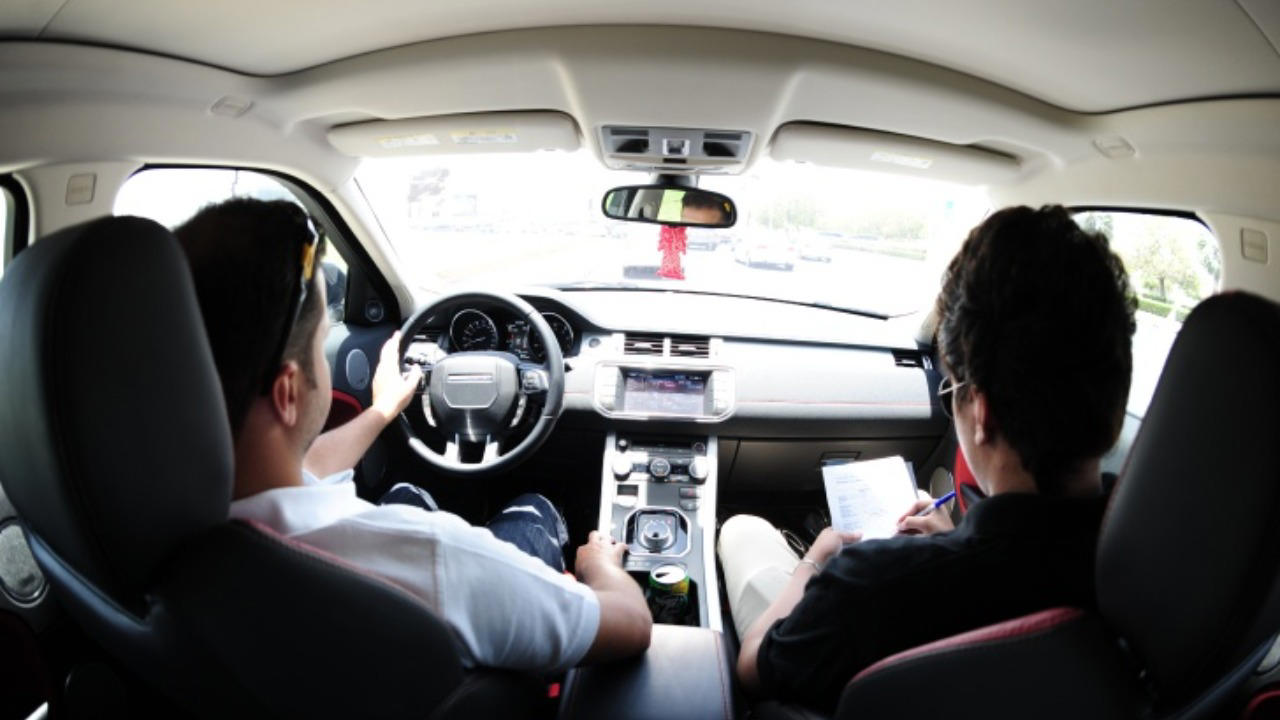
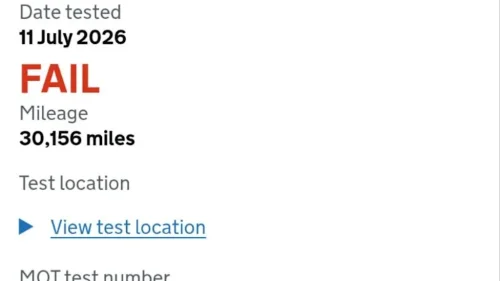
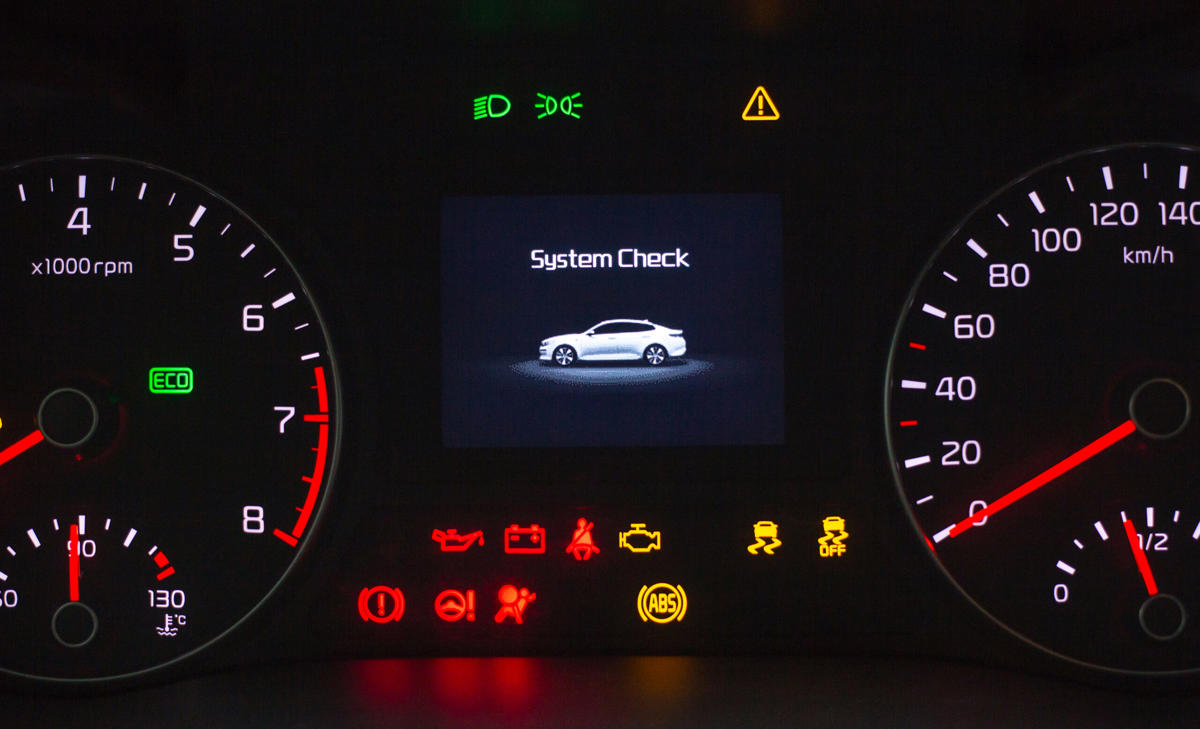
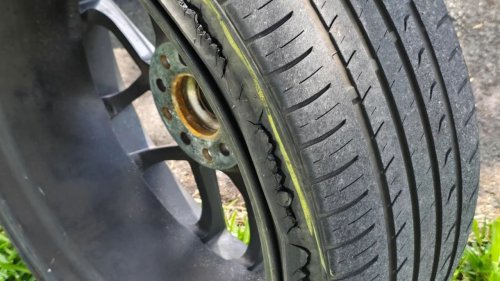
I brought my car in after a failed inspection, but the shop said everything looked fine on their endIt’s a special kind of whiplash: you fail an inspection, you book a repair, you show up ready to pay for whatever’s wrong… and the shop looks at your car and shrugs. “Everything looks fine on our end,” they say, like your dashboard and the inspection station just made up a rumor to spice up your week. This situation is more common than most drivers realize, and it doesn’t automatically mean anyone’s lying or incompetent. It usually means the failure came from something that’s intermittent, test-dependent, or tied to paperwork and equipment rather than a clearly broken part. Still, it leaves you stuck, because “fine” doesn’t get you a passing sticker. How this happens more often than you’d think Inspections are a snapshot, not a full biography of your car’s health. A tech sees your vehicle on a particular day, in a specific bay, with a particular machine, and follows a checklist that can be surprisingly sensitive. If a problem comes and goes, the inspection might catch it once and then it vanishes the moment you pull into the repair shop. There’s also the simple fact that different shops interpret and test things slightly differently, even when they’re following the same rules. One place might be strict about a borderline measurement, while another might recheck and get a number that’s just inside the limit. That’s not always shady—sometimes it’s just the difference between “barely fails” and “barely passes.” The most common culprits behind a “can’t reproduce” inspection fail Emissions-related failures are the kings of confusion. A loose gas cap, a recent battery disconnect, or a check engine light that turned off by itself can all trigger a fail even if the car feels totally normal. If the shop scans it later and the system shows “no codes,” it can look like the problem never existed. Readiness monitors are another big one, especially for newer cars. Even if there’s no check engine light, the car’s computer has to complete certain self-tests after a battery disconnect or cleared code. If those monitors aren’t “ready” yet, the inspection can fail, and the shop might honestly say, “Nothing’s broken—you just need to drive it through a proper drive cycle.” Then there are lighting and electrical gremlins that only show up at the worst possible time. A brake light bulb can have a loose filament that works when you tap it and fails when it’s cold. A turn signal can blink fine for you but hyperflash for the inspector because the connection decided to be dramatic that morning. Safety failures can be similarly slippery. A tiny windshield crack might look worse under inspection lighting. A tire could be barely under tread depth in one groove, or the inspector might measure a different spot than the shop did. Even something like “wipers inadequate” can depend on how dry the glass is or whether the blades smear under bright lights. Sometimes it’s not the car—it’s the record Not every inspection failure is purely mechanical. Occasionally the failure is tied to the VIN entry, mileage, or a mismatch in the system that flags the car even if it’s physically fine. It’s boring, but it happens, and it can send you chasing repairs you don’t need. Equipment and testing differences can matter, too. An emissions analyzer that’s slightly out of calibration can produce borderline results. Most stations maintain their gear, but when readings are close to the limit, small differences can create a big headache. What to ask the shop so you don’t leave empty-handed If you’re standing at the counter hearing “looks fine,” the best move is to get very specific. Ask them to see the exact inspection failure report and explain what line item failed and by how much. “Failed emissions” is vague; “EVAP monitor not ready” or “NOx over by 0.2” is actionable. Ask whether they verified the issue under the same conditions as the inspection. Did they run a scan tool and check readiness monitors? Did they measure tire tread with a gauge or just eyeball it? Did they check bulb function while wiggling the harness, or only with the car sitting still? It’s also fair to ask, “If you can’t reproduce it, what’s the next cheapest, most likely thing?” A good shop can outline a step-by-step plan that starts with basics—gas cap, codes, bulbs, obvious leaks—before recommending bigger parts. You want a process, not a shrug. The “do this first” checklist that saves time and money Start by getting the printed or digital inspection report and keep it. That report is your map; without it, you’re relying on memory and vibes, which is how people end up replacing perfectly good parts. If the station didn’t hand it over, request it—most places can reprint it. If the failure is emissions-related, ask for a scan of codes (current, pending, and history) plus readiness monitor status. If monitors aren’t ready, don’t replace parts yet; ask for the recommended drive cycle or how many miles of mixed driving it typically takes. Also check the gas cap seal and make sure it clicks tight—cheap, simple, and surprisingly often the villain. If the failure is lights, horn, or wipers, test them yourself in a way that mimics an inspection. Turn the car on, press the brake, and look for flickering or intermittent bulbs. Try wipers on a dry windshield and with washer fluid; if they chatter or smear badly, it’s an easy fix that can still fail you. If it’s tires, brakes, or suspension, ask for measurements in writing. Tread depth numbers, brake pad thickness, rotor condition—those details matter, especially if you’re close to the threshold. “Looks okay” doesn’t help when you’re arguing with a pass/fail rule. What the shop can do if the problem really is intermittent Intermittent issues are real, and they’re annoying for everyone involved. A solid shop might ask to keep the car longer, drive it under specific conditions, or check live data while the system runs self-tests. That’s not them stalling—it’s often the only way to catch a problem that hides when the hood is open. They may also suggest a “no-fix” path if the failure was readiness-related: drive it, don’t clear codes, and return when monitors are set. That can feel like paying for nothing, but sometimes the correct repair is literally time and miles. The key is making sure you leave with clear instructions and a realistic timeline. When it makes sense to go back to the inspection station (politely) If your shop can document that the failed item now tests within spec, you can return to the original station and ask for a retest. Bring the paperwork and stay calm; most counter people didn’t invent the rules and aren’t trying to ruin your day. You’re just trying to reconcile two different results. Ask exactly what they saw and whether the reading was borderline. If it was close, you might simply be living in the land of “barely.” In those cases, small tweaks—fresh wiper blades, replacing an aging bulb, properly inflating tires, or completing a drive cycle—can be the difference between fail and pass without any dramatic repair story. The bottom line: “fine” isn’t the end of the story When a shop says everything looks fine after a failed inspection, it usually means the failure isn’t obvious, isn’t currently present, or isn’t a broken-part problem at all. Your next step is to turn the failure into a specific diagnosis: what failed, under what conditions, and what evidence supports it. With the report in hand and a methodical plan, you’ll get from “fine” to “finally passed” without throwing money at guesses. More from Fast Lane Only Unboxing the WWII Jeep in a Crate 15 rare Chevys collectors are quietly buying 10 underrated V8s still worth hunting down Police notice this before you even roll window down The post I brought my car in after a failed inspection, but the shop said everything looked fine on their end appeared first on FAST LANE ONLY.



















 +59 others