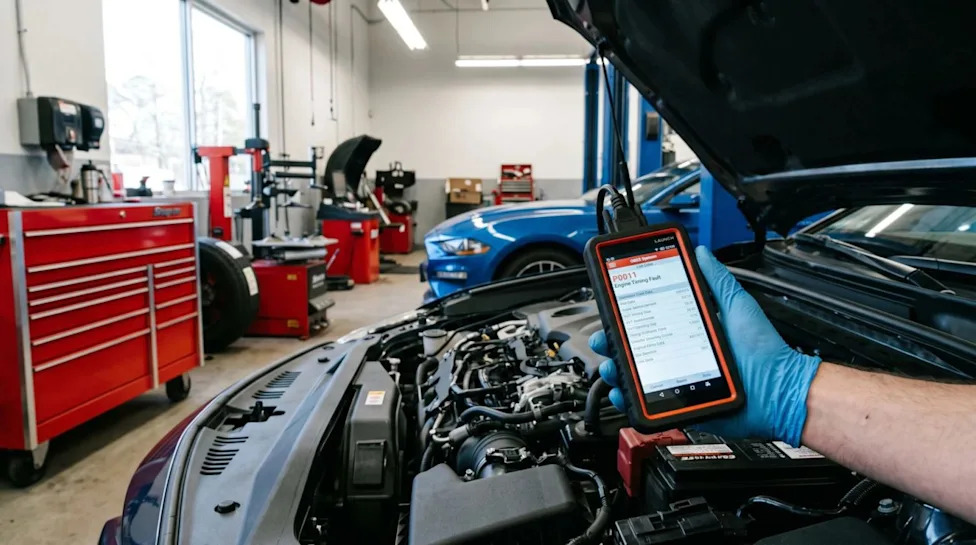
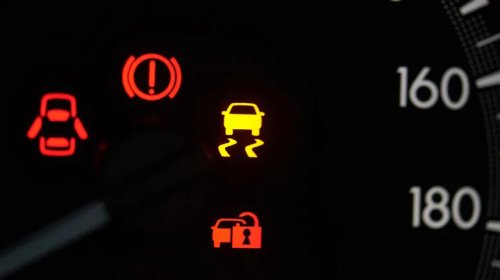
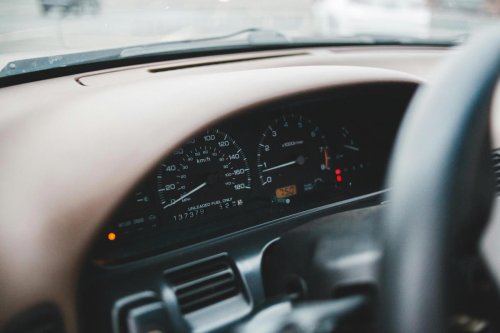
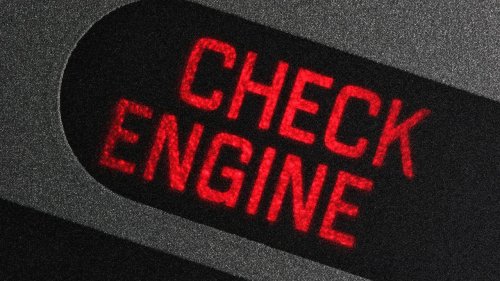
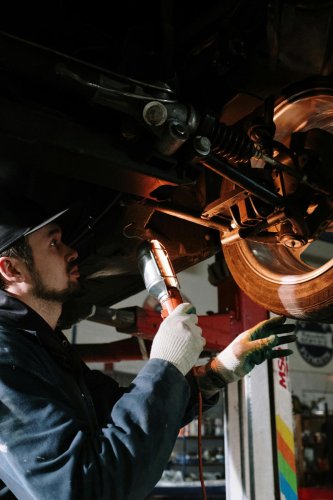
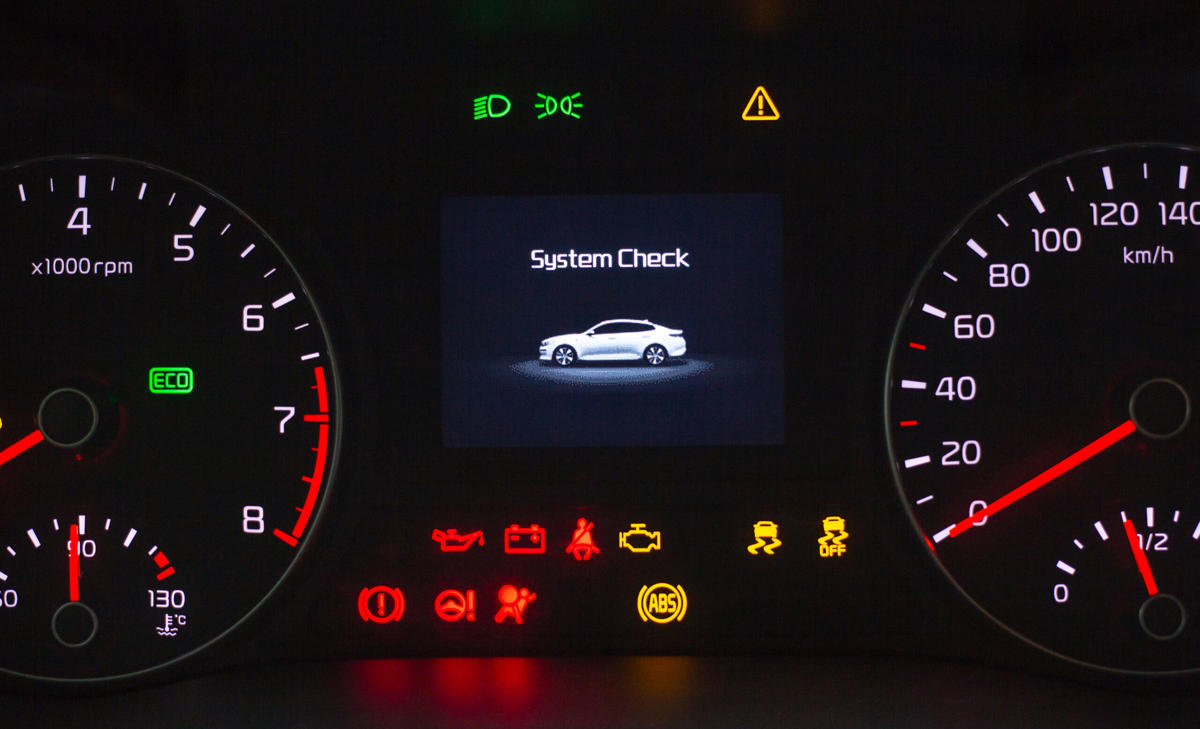
I asked the shop to fix a warning light, but they cleared it and told me to come back if it returnsIt’s a scene plenty of drivers know too well: a warning light pops on, your stomach drops a little, and you picture your bank account quietly whimpering. So you do the responsible thing and bring it to a shop, expecting a straightforward fix. Instead, you get the automotive equivalent of “turn it off and on again.” The light gets cleared, the dashboard looks normal, and you’re told to come back if it returns. No parts replaced, no explanation that really sticks, and you leave wondering if you just paid for a reset button you didn’t know existed. What happened when the “fix” was just a reset The visit usually starts with the same promise: “We’ll scan it and see what’s going on.” A technician plugs in a scanner, reads the stored fault codes, and—sometimes within minutes—clears the code and sends you on your way. The message is polite and calm: if the light comes back, then they’ll know it’s “real.” That can feel like getting brushed off, especially when you came in because you wanted the problem handled now. After all, a warning light isn’t supposed to be a casual suggestion. But from the shop’s perspective, clearing a code can be a quick way to see whether it’s a one-time glitch or an actual, repeatable fault. Why shops do this (and why it’s not always nonsense) Modern cars are basically rolling networks of computers, and they’re sensitive. A low battery, a loose gas cap, moisture in a connector, or a brief sensor hiccup can trigger a code that never happens again. Clearing it and seeing if it returns is sometimes a reasonable first step, especially if the car is driving normally and the code history looks minor. There’s also a practical issue: a shop can’t always reproduce the problem while the car is in the bay. Some faults only happen under very specific conditions—highway speeds, cold starts, stop-and-go traffic, heavy rain, long uphill grades. If the light isn’t on right now and the code isn’t “pending,” they may not have enough evidence to justify replacing parts. When “come back if it returns” is a red flag Not every warning light should be treated like a temporary glitch. If it’s a flashing check-engine light, that’s typically urgent because it can indicate a misfire severe enough to damage the catalytic converter. If it’s an oil pressure warning, overheating warning, brake system warning, or airbag light, those aren’t “wait and see” situations either. Even a steady check-engine light can be more than an annoyance if the car is running rough, stalling, smelling like fuel, or getting dramatically worse fuel economy. In those cases, clearing the code without a plan is less “diagnosis” and more “hope.” And hope, unfortunately, isn’t a tool in the toolbox. What you should’ve been told before you left If a shop clears a warning light, you deserve a little more than a shrug. At minimum, they should tell you what codes were stored, what system they relate to, and whether the codes were “current,” “history,” or “pending.” Those labels matter, because they hint at whether the issue is happening now or just happened once. You should also get guidance on what to watch for: specific symptoms, driving conditions that might trigger it, and how long it might take to return. A good shop will explain, in plain language, whether clearing the code is a test step or simply a way to get you out the door faster. The difference is huge. The simple questions that change the whole conversation Next time, a few calm questions can turn the visit from vague to useful. Ask: “What were the exact codes?” and “Can you print or text me the scan report?” If they can’t provide the codes, that’s not automatically sinister, but it does make it harder for you to track the issue or get a second opinion. Then ask: “What’s the most likely cause, and what’s the next step if it comes back?” You’re not demanding a guaranteed fix—just a roadmap. If the answer is still fuzzy, ask whether there are service bulletins for that code on your model, and whether they checked basics like battery voltage, connector condition, vacuum leaks, or software updates. Why clearing the light can actually make diagnosis harder Here’s the frustrating part: wiping the code can erase helpful context. Freeze-frame data—snapshots of engine conditions at the moment the fault occurred—can disappear when codes are cleared. That data can include temperature, RPM, load, fuel trims, and more, which can be the breadcrumb trail to the real issue. Clearing codes can also reset “readiness monitors,” the self-checks your car runs for emissions systems. If you live somewhere with emissions testing, you may find yourself unable to pass inspection until you’ve driven enough for the monitors to complete. It’s not the end of the world, but it’s an annoying side quest you didn’t ask for. What to do if the light comes back on If the light returns, note the details like you’re collecting clues for a mystery. Was the engine cold or warm? Were you accelerating, cruising, or idling? Was it raining, very hot, or right after fueling up? Even small patterns can matter. If you can, stop by an auto parts store or use a basic code reader to capture the codes before anyone clears them. You don’t need to become a full-time mechanic; you’re just preserving information. If the shop sees the same code again plus matching symptoms, they’re far more likely to move from “monitor it” to “fix it.” How to tell if you paid for a “reset” or for real diagnostic time There’s a difference between a quick scan and an actual diagnostic process. A scan reads codes; diagnosis tests components, checks data, verifies wiring, and tries to reproduce the fault. If your invoice just says something like “scan/clear,” that’s usually not deep work—and the price should reflect that. If you were billed for diagnostic time, it’s fair to ask what tests were performed and what was ruled out. Good shops can explain their reasoning without getting defensive. The goal isn’t to argue; it’s to understand whether you got an informed “monitor it” or a convenient “bye for now.” The bigger picture: warning lights aren’t enemies, they’re messengers It’s tempting to treat the dashboard like a game of whack-a-mole: light appears, light disappears, problem solved. But warning lights are more like notifications—sometimes urgent, sometimes annoying, occasionally dramatic for no reason. The trick is figuring out which category you’re dealing with. If a shop clears a light and sends you away, that isn’t automatically wrong. But you should leave with the code information, a short explanation you can repeat to someone else, and a plan for what happens next. Otherwise, you’re not really driving away with peace of mind—you’re just driving away with the suspense reset. More from Fast Lane Only Unboxing the WWII Jeep in a Crate 15 rare Chevys collectors are quietly buying 10 underrated V8s still worth hunting down Police notice this before you even roll window down The post I asked the shop to fix a warning light, but they cleared it and told me to come back if it returns appeared first on FAST LANE ONLY.



















 +6 others