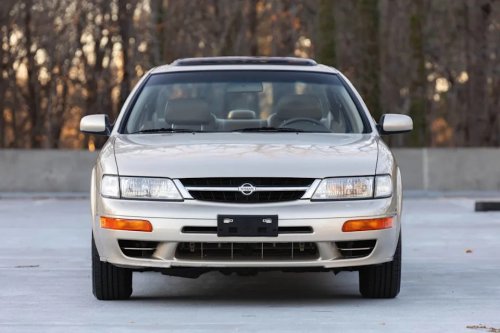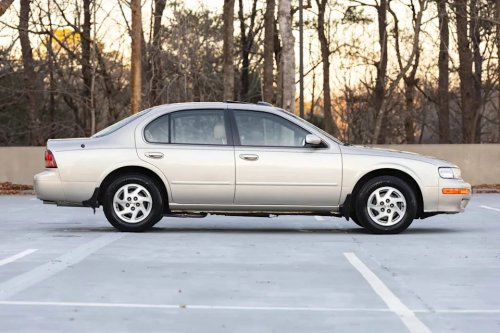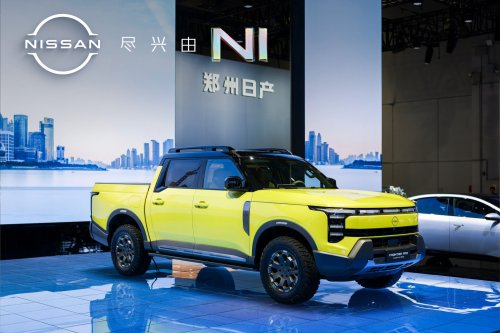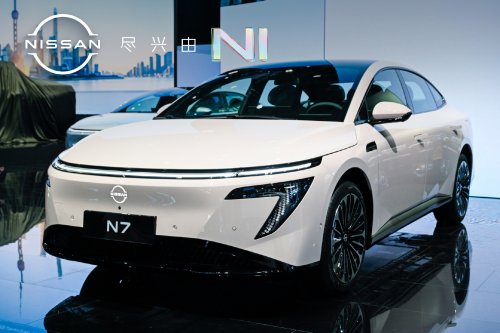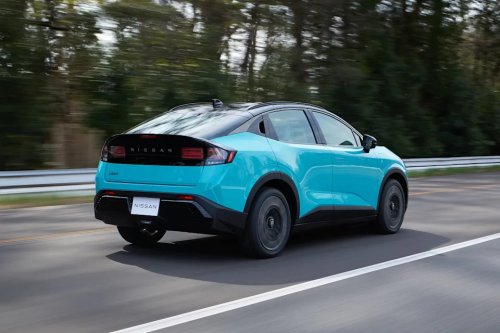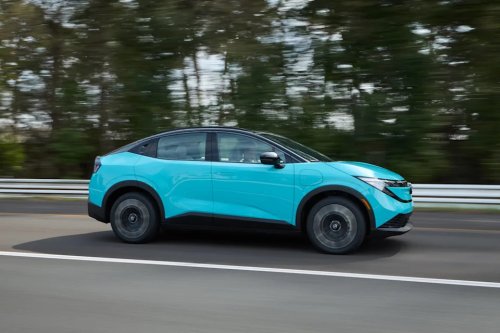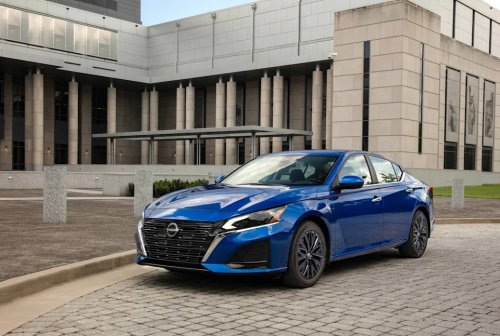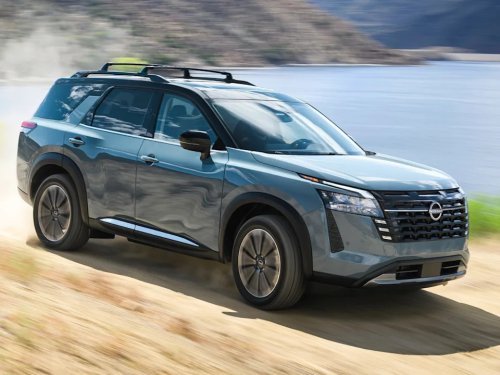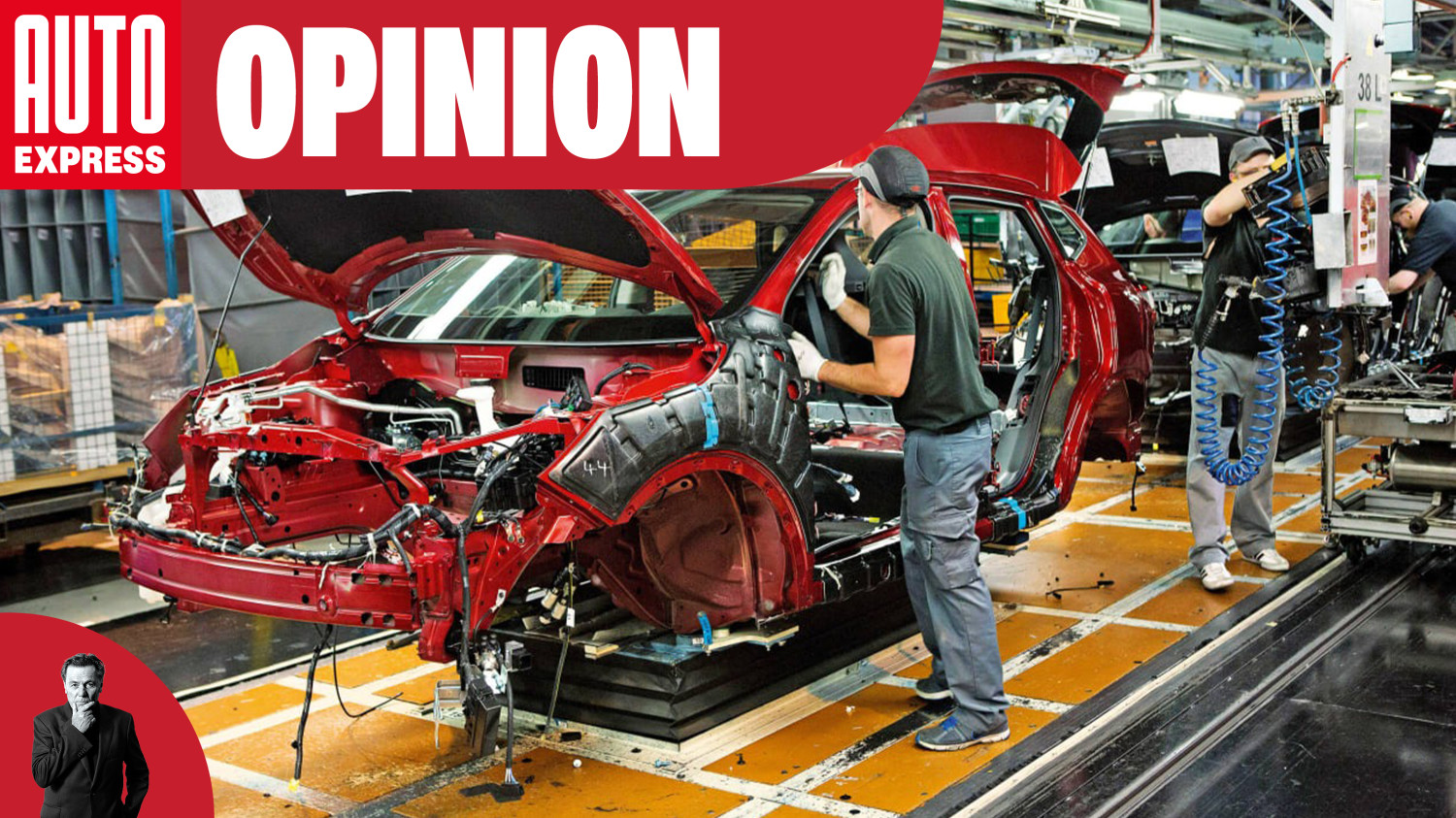



















Not a lot of people know this. In the early eighties, I served my newspaper, magazine and radio apprenticeship reporting on transport-related matters from the press gallery, committee rooms and MPs’ offices in and around the House of Commons. My job was to cover the latest shenanigans with the then incomplete M25; proposals for a Channel tunnel; the prospect of nationwide bridge and road tolls; the pros and cons of financial hand-outs to car companies. On September 8, 1986, I joined the Prime Minister Maggie Thatcher at the opening of the Government-subsidised Nissan factory in Sunderland. The plant, employees, work ethic and product quality impressed. But I also argued that while heavily subsidising a foreign firm to construct a new factory with a Japanese-style, state-of-the-art production line was undoubtedly great for the north-east and its workers, it could mean disaster for some of our longer-established mass producers and their workforces further south. I wasn’t wrong. Shortly afterwards, Peugeot’s Coventry factory permanently closed, and Ford’s Dagenham plant, the Rover and MG factories in Birmingham and Vauxhall production lines at Luton and elsewhere followed. With so many long-established UK factories of mass production being turned into housing estates or shopping centres, Nissan Sunderland has taken over as Britain’s largest, most productive car plant. Part of me believes that it at least played a part in the forced closures of those tired old domestic factories. Yet I’m also aware that without Nissan (plus Toyota) and their non-stop production activities here, Britain would be building fewer than half the cars it currently does. And they’d be mostly Range Rovers, Bentleys and other unaffordable models, with MINI being just about the only surviving maker of affordable UK-built cars. We need Nissan to stay here and build sensibly priced vehicles. But thousands more of them, please, with or without Nissan badges. Thanks to the loyal, committed and talented workforce, cranking up output will be a doddle, because Sunderland currently runs at around 50 per cent capacity. A more difficult question is what’s the right additional model or models to build? But it’s one that Chery is in a perfect position to answer, as it seeks to move into another under-utilised existing plant in Europe so it can make the sort of mass-produced European-Chinese cars it knows the buying public is ready for. Ambitious? Not when you consider that Chery has done a deal to ensure its cars roll off the line at a former Nissan factory in Spain. And high-level talks have begun regarding the distinct possibility that it can have a similar arrangement for Sunderland. What better way for the plant to mark its 40th birthday than with an announcement that such a deal has been struck, to secure the future of the plant for another 40?