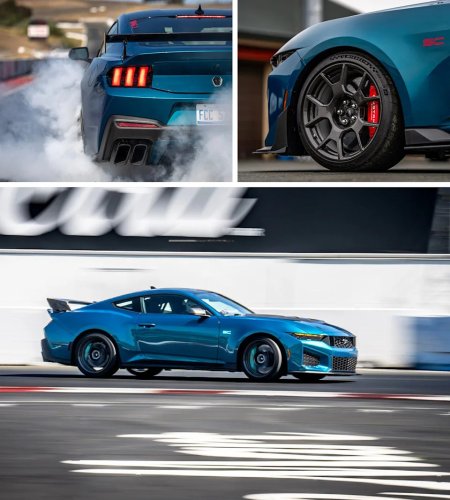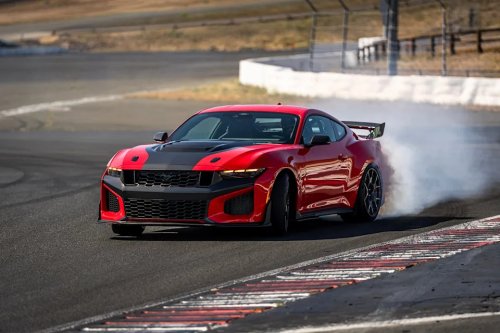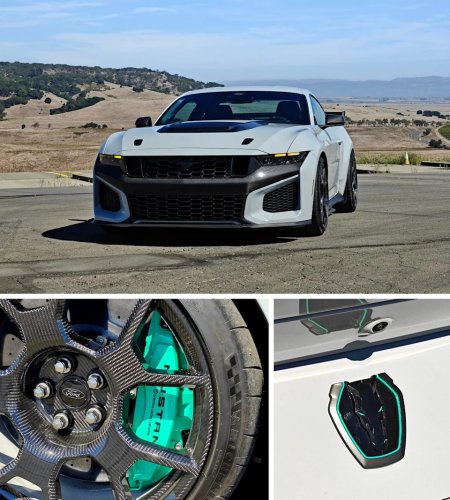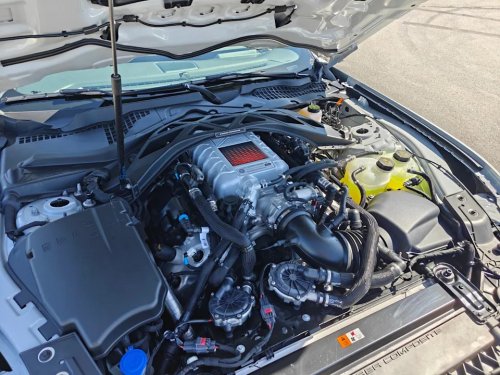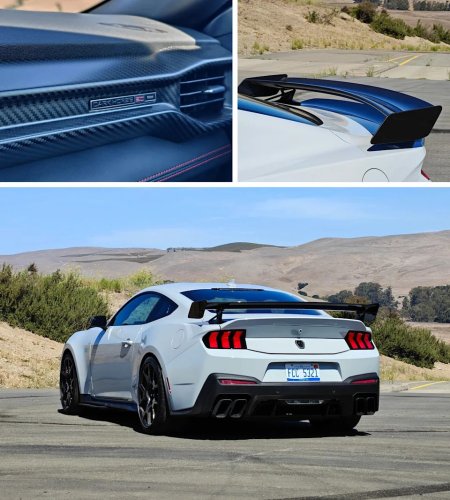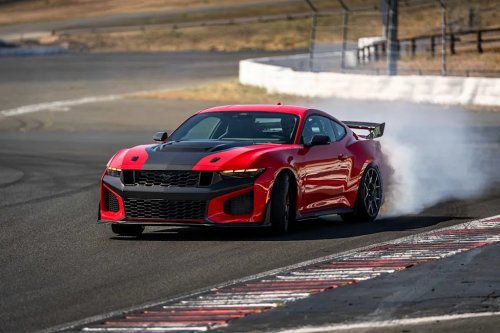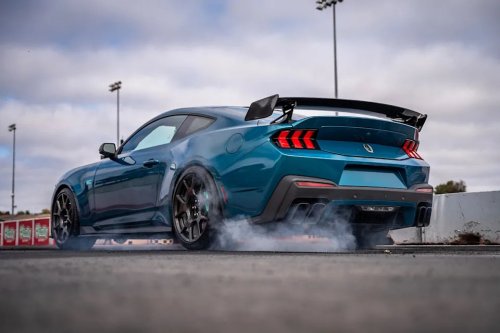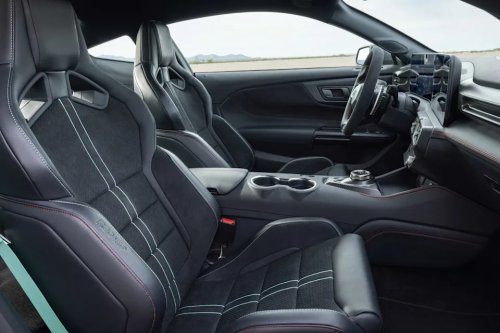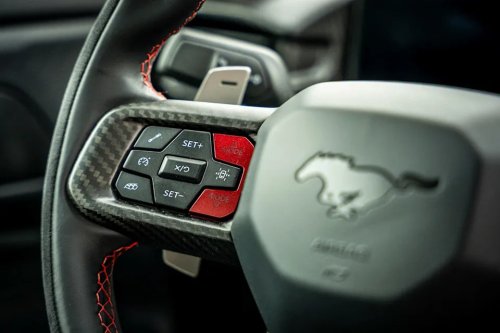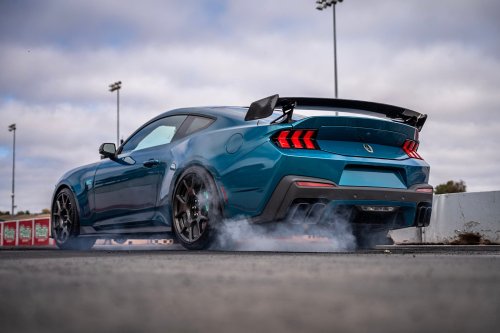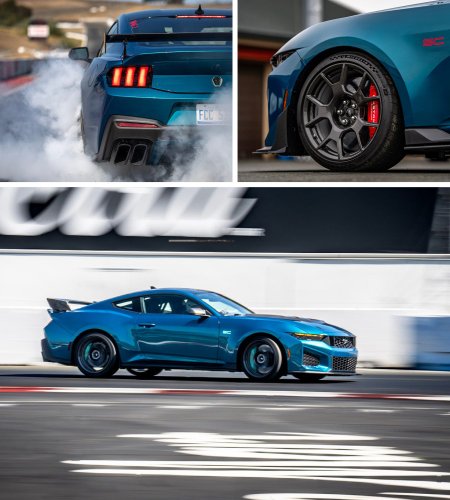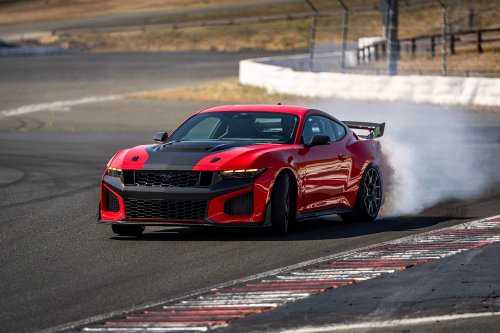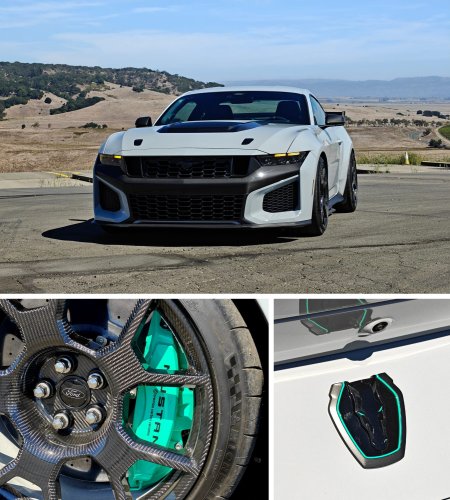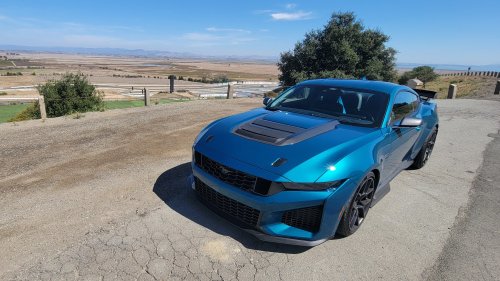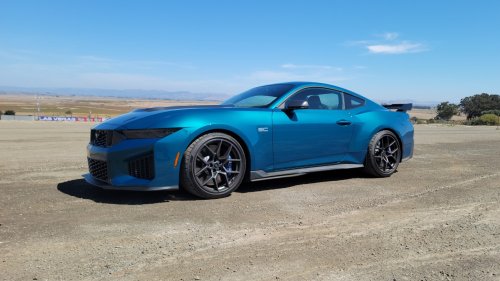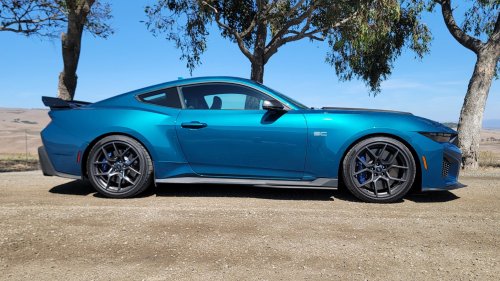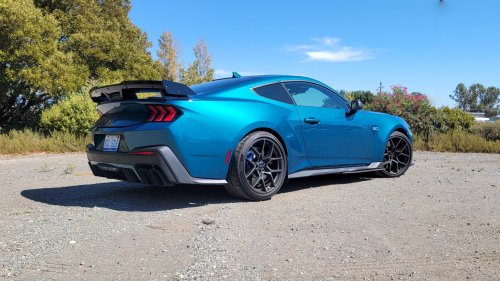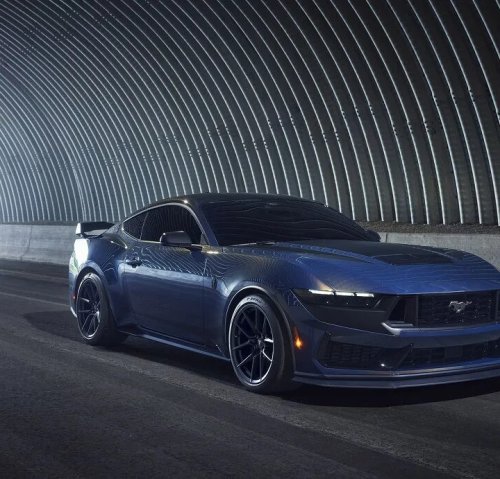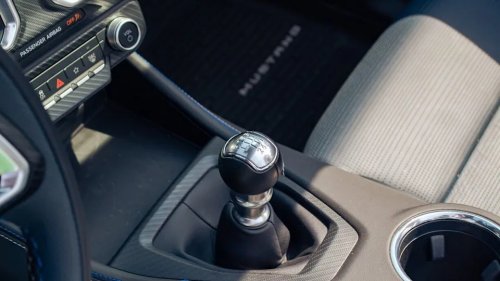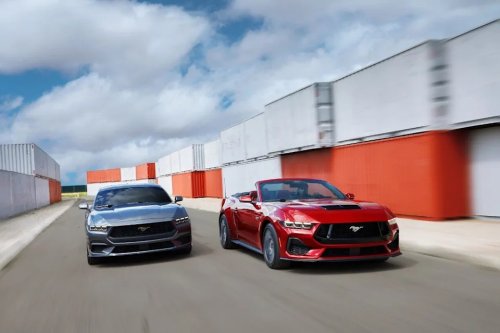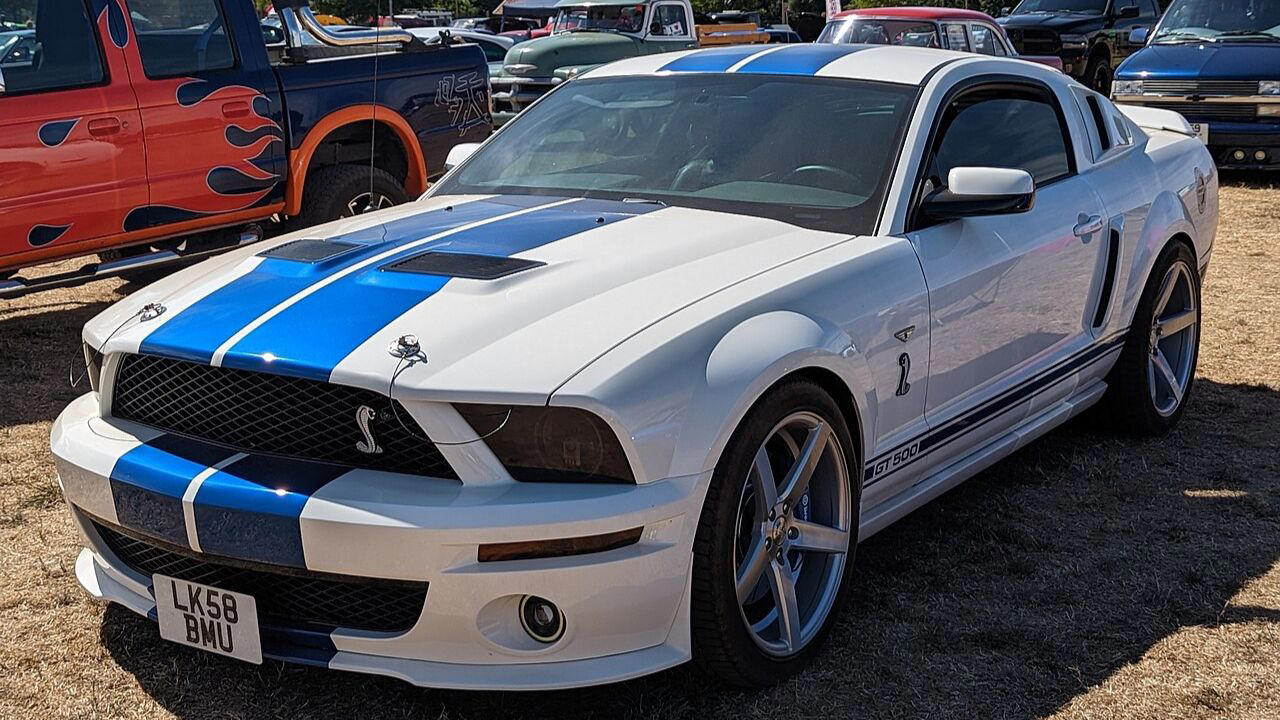



















Ford quietly dropped the Shelby name and the reason may come down to moneyFord’s recent decision to drop the iconic Shelby name from its vehicles raises eyebrows and questions about the financial implications behind this choice. As the automotive landscape shifts, the move appears to be a strategic response to the high costs associated with the Shelby brand. The legacy of this name is steeped in American muscle car history, but the question remains—does it still make financial sense for Ford to carry this brand forward? The Legacy of the Shelby Name Carroll Shelby’s impact on American automotive culture cannot be overstated. He was a visionary who transformed the performance vehicle landscape, starting with his work on the legendary Ford Cobra in the 1960s. His collaboration with Ford gave rise to a series of high-performance vehicles that became synonymous with speed and power—most notably, the Mustang Shelby GT350 and GT500. These models not only defined American muscle cars but also established a brand identity that resonated with car enthusiasts and collectors alike. The Shelby name has been integral to Ford’s branding strategy for decades. It has served as a badge of honor, representing the pinnacle of performance engineering. Models like the GT350 and GT500 are celebrated for their engineering excellence and racing pedigree, capturing the hearts of both young and older generations of car fans. Despite the automotive industry’s evolution, the Shelby name has maintained its allure, embodying a rich history and a commitment to performance that many brands aspire to emulate. Financial Implications of the Shelby Brand However, the financial realities of maintaining the Shelby brand have become increasingly complex. According to reports, using the Shelby name has cost Ford millions in royalties and licensing fees, which raises a critical question regarding profitability. While Shelby-branded vehicles have historically commanded premium prices, the actual returns on investment have come under scrutiny. An analysis of recent years shows that the production costs associated with high-performance models often outpace sales revenue, leading to a reevaluation of the brand’s financial viability. In light of these financial challenges, Ford’s decision to drop the Shelby name could be seen as a necessary pivot. By eliminating the expensive licensing fees and focusing on more cost-effective branding strategies, Ford aims to optimize its production processes and improve overall profitability. A comprehensive financial analysis reveals that while Shelby vehicles have passionate fanbases, their sales numbers have not consistently justified the high costs associated with the brand, especially as consumer preferences shift. Market Trends and Consumer Preferences The automotive industry is not static; it is shaped by evolving consumer preferences and market trends. Recently, there has been a notable shift in consumer demand away from traditional performance vehicles towards electric and hybrid models. This change is driven by a growing awareness of environmental issues and government regulations that are increasingly favoring low-emission vehicles. As a result, manufacturers have had to adapt their offerings to meet the changing landscape of consumer expectations. Additionally, younger consumers tend to favor brands that align with their values—especially sustainability. While the Shelby name carries a legacy of performance, it may not resonate as strongly with the new generation of drivers who prioritize eco-friendliness and advanced technology. Ford’s decision to pivot away from the Shelby brand may reflect a desire to reallocate resources towards developing electric vehicles that can capture the interest of these consumers. Electric performance models are becoming the new frontier, and Ford must navigate this shift carefully. Ford’s Strategic Shift Towards Electrification With the automotive industry moving toward electrification, Ford has made a significant commitment to electric vehicle (EV) production. This strategic pivot involves reallocating financial resources and engineering talent from traditional internal combustion engine vehicles to the development of EVs. The Mustang Mach-E, for instance, represents Ford’s first major foray into the electric SUV market, blending performance with sustainability. The potential need to rebrand traditional performance models in an electrified landscape is a critical aspect of Ford’s strategy. As the company invests in new technologies and designs, the absence of the Shelby name may allow for greater flexibility in branding and marketing. By creating a new performance line that emphasizes electrification, Ford can appeal to a broader audience while still honoring its performance heritage. The shift towards electric performance vehicles is not just a trend; it represents a fundamental change in how we think about speed and power. The Role of Competition in the Automotive Industry Ford’s decision to drop the Shelby name also comes in the context of increased competition within the automotive industry. Rivals are innovating rapidly, with companies like Tesla leading the charge in the electric vehicle market. Other manufacturers, such as BMW and Porsche, are also enhancing their performance portfolios with electrified options. The pressure to remain competitive means that legacy names may need to be reevaluated in favor of more contemporary branding strategies. Rival manufacturers are adapting their branding in response to market changes, often reimagining their iconic models to fit new consumer expectations. For example, the Jeep Wrangler has undergone significant changes to address evolving environmental regulations while maintaining its rugged identity. Ford must consider how to stay competitive while managing the costs associated with legacy names like Shelby, ensuring that its brand image aligns with the future of automotive innovation. Consumer Reactions to the Name Drop The announcement of Ford’s decision to drop the Shelby name has elicited a range of reactions from the public and automotive enthusiasts. Many fans of the brand express disappointment, viewing the Shelby name as a symbol of American performance culture. For them, the Shelby Mustang represents not just a car, but a legacy that has been built over decades, and its removal feels like a step away from that heritage. Insights from automotive enthusiasts indicate that while the Shelby name carries significant weight, there is also an understanding of the financial pressures Ford faces. Some fans express hope that the company will find a way to integrate the spirit of the Shelby brand into future performance models, regardless of the name. The long-term impact on consumer loyalty and brand perception remains to be seen, but the emotional connection many have with the Shelby name is undeniable. Legal and Licensing Considerations Dropping the Shelby name also involves navigating a complex landscape of legal and licensing considerations. The history of the Shelby name includes various licensing agreements, which can complicate matters for Ford moving forward. Understanding the implications of trademark laws on the use of iconic automotive names is crucial for any company looking to innovate while protecting its brand identity. Other automotive brands have faced similar challenges in the past, often needing to rebrand or adapt their use of legacy names to comply with legal stipulations. Ford’s approach may serve as a case study for how to successfully navigate these waters, ensuring that they can maintain their heritage while looking toward the future. As they explore new branding strategies, the lessons learned from the Shelby experience will likely shape their approach in the coming years. Alternative Branding Strategies for Ford As Ford moves away from the Shelby name, it opens the door to explore alternative branding strategies for its performance models. One potential avenue is to create a new line of electrified performance vehicles that emphasize innovation while still paying homage to Ford’s rich history. This could involve leveraging existing names and models while introducing cutting-edge technology to appeal to a modern audience. For instance, Ford could consider revamping its Mustang lineup to include electric variants that maintain the spirit of performance while embracing sustainability. This approach not only respects the brand’s heritage but also aligns with the evolving market landscape. Successful rebranding efforts in the automotive industry, such as the transition of the Dodge Charger into a modern muscle car while integrating new technology, can serve as inspiration for Ford’s future branding endeavors. The Future of Performance Vehicles at Ford As we look to the future, predictions for Ford’s performance lineup post-Shelby suggest a focus on innovation and sustainability. The company is likely to introduce new models that leverage electric powertrains while maintaining the performance ethos that has defined Ford for decades. With advancements in battery technology and increased consumer interest in EVs, the potential for high-performance electric vehicles is vast. New models on the horizon may include electrified versions of classic nameplates, along with entirely new offerings that cater to the next generation of drivers. The automotive landscape is evolving, and Ford must adapt to accommodate new consumer preferences and regulatory challenges. By embracing electrification and innovative branding strategies, Ford can position itself as a leader in the future of performance vehicles without the need for the Shelby name. More from Fast Lane OnlyUnboxing the WWII Jeep in a Crate15 rare Chevys collectors are quietly buying10 underrated V8s still worth hunting downPolice notice this before you even roll window down The post Ford quietly dropped the Shelby name and the reason may come down to money appeared first on FAST LANE ONLY.