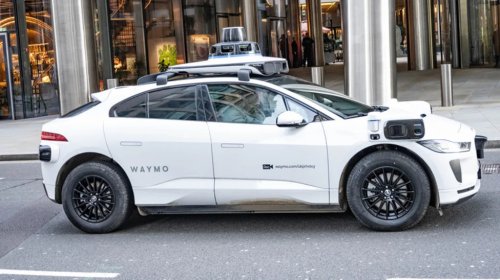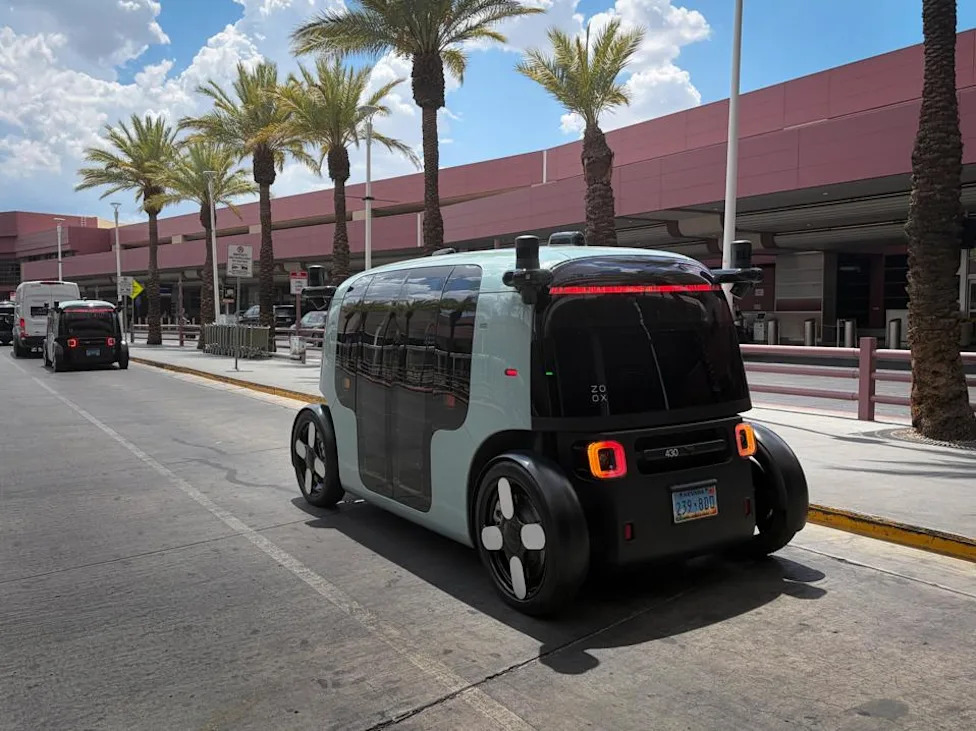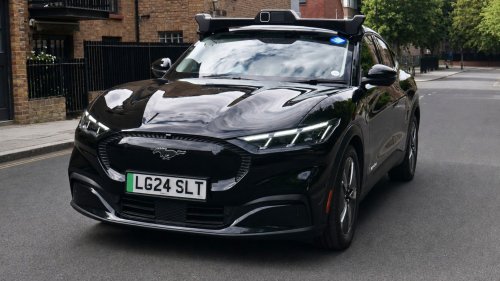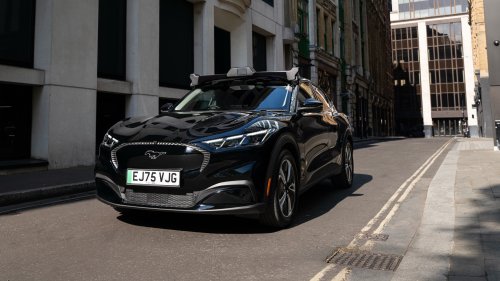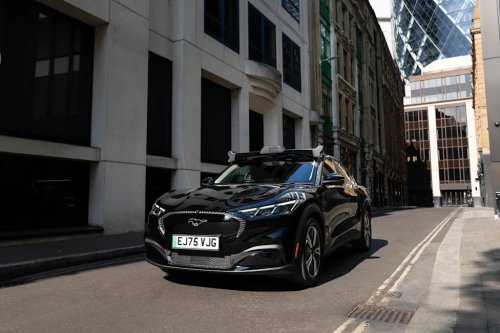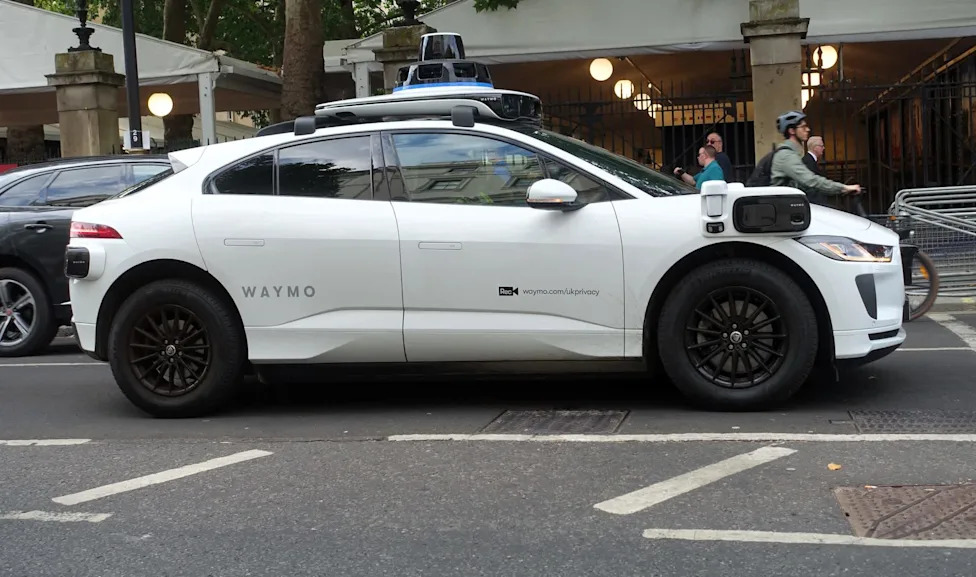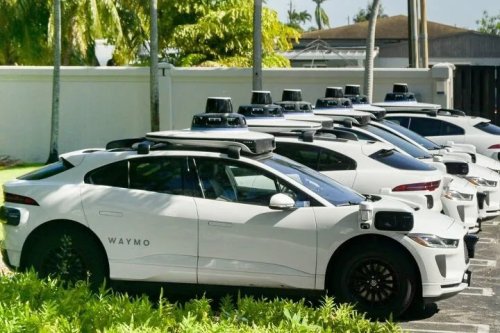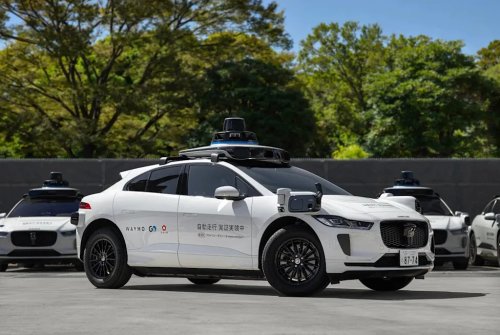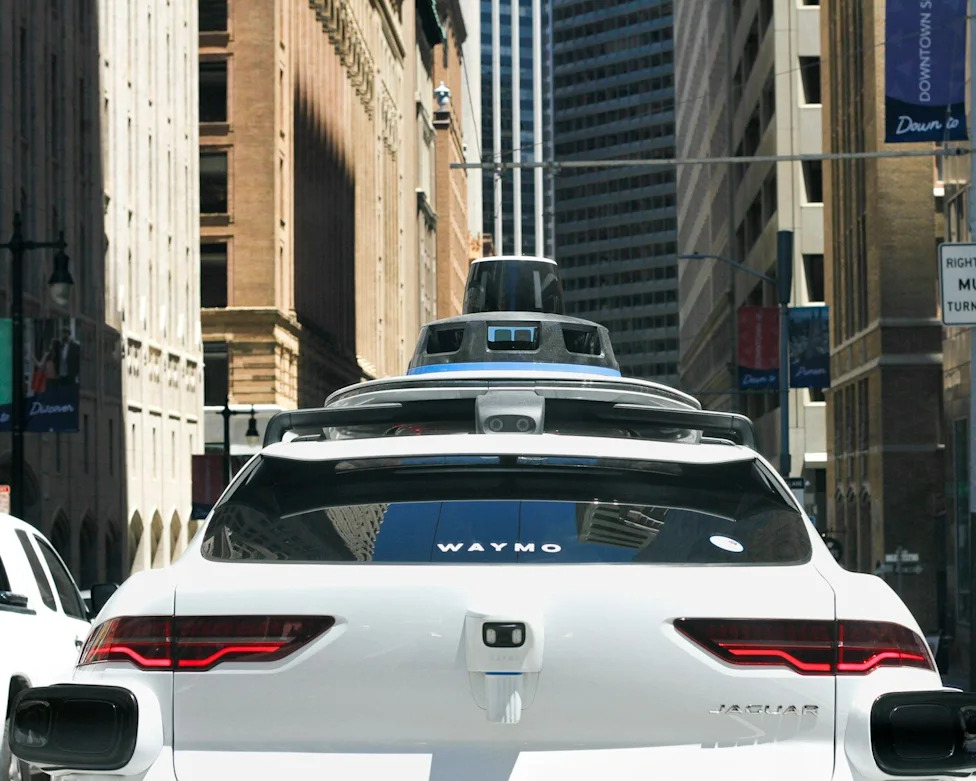




















Waymo’s Entire Robotaxi Fleet Recalled After Self-Driving Car Drove Into Floodwaters — What Happened Next Is a Warning for DriversWaymo’s push to normalize self-driving cars just ran straight into one of the oldest rules of driving: never drive into floodwater. The problem is, this time it was not a distracted human making the mistake. It was an autonomous robotaxi operating on its own software.More Stories Like ThisTeen Shot at Massachusetts Car Meet as Burning Stolen Car Full of Bullet Holes Sends Crowd RunningHellcat Murder Case Takes Dramatic Turn After Suspect Rejects Plea Deal in Deadly AirTag Tracking ConfrontationNow the company is recalling its entire U.S. fleet after one of its vehicles entered floodwaters during severe weather in San Antonio on April 20. According to information provided to the National Highway Traffic Safety Administration, the autonomous vehicle identified the flooded roadway as untraversable but still continued forward at a reduced speed before being swept away.AdvertisementAdvertisementThat detail matters because it cuts directly into one of the biggest promises made by autonomous vehicle companies. These systems are supposed to remove human error from the equation. Instead, this incident exposed a situation where the vehicle recognized danger and still moved into it anyway.For an industry already fighting skepticism from drivers, regulators, and even parts of the automotive world itself, this is not a small embarrassment. It is a major credibility problem.The Incident That Triggered the RecallThe recall stems from severe weather conditions in San Antonio during April. Waymo told federal safety regulators that one of its autonomous vehicles encountered a flooded section of roadway that could not safely be crossed.The vehicle reportedly detected the flooding. That is where things should have stopped. Instead, the robotaxi continued into the water at a reduced speed.AdvertisementAdvertisementThe result was serious enough that Waymo initiated a software recall affecting its entire U.S. fleet of autonomous vehicles.This is where the story turns from one isolated incident into something much larger. When an automaker recalls vehicles because of a mechanical failure, people generally understand the risk. Brakes fail. Engines break. Components wear out. But software recalls tied directly to real-world driving judgment hit differently because they strike at the core of autonomous driving itself.The public is being asked to trust software with life-and-death decisions on public roads. That trust becomes harder to maintain when a vehicle identifies a hazard but still proceeds into danger anyway.Why Floodwater Is Such a Serious Failure PointFlooded roads are one of the most dangerous situations drivers encounter during severe weather. Even experienced human drivers misjudge water depth and roadway conditions. Fast-moving water can sweep away vehicles quickly, especially when drivers underestimate how unstable the roadway underneath may already be.AdvertisementAdvertisementHuman drivers are constantly warned not to attempt crossing floodwaters because visual judgment becomes unreliable once water covers pavement. That basic principle is widely understood in ordinary driving situations.And that is what makes this incident so damaging for Waymo.Autonomous driving companies regularly market their systems as more aware, more consistent, and more capable than human drivers. They rely on sensors, cameras, mapping systems, and advanced software specifically designed to detect hazards humans might miss.Yet in this case, the vehicle reportedly identified the flooded roadway as untraversable and still moved forward.AdvertisementAdvertisementHere’s the part that matters. This was not simply a failure to recognize the danger. According to the information released, the software acknowledged the problem before continuing anyway.The Bigger Problem Facing Autonomous VehiclesWaymo’s recall highlights a larger issue that keeps surfacing in the autonomous vehicle industry. Real-world driving is messy, unpredictable, and full of situations that cannot always be neatly handled by software logic.Related IncidentsClassic Car Buyers Lose Thousands After Scammers Hijack Real Auto Shops in Multi-State Fraud SchemeStellantis’ Stunning Comeback: Hemi V8 Demand Helps Reverse $26 Billion Collapse as Massive Cost Cuts BeginThe Real Story Behind a 1966 Mustang Running Tesla Full Self-Driving and Why It’s Exposing a Major Industry StandoffConstruction zones shift overnight. Road markings disappear. Weather changes instantly. Flooding creates conditions that may not resemble anything a system has previously encountered during testing.AdvertisementAdvertisementThat is where autonomous driving gets complicated.Robotaxi companies often promote smooth demonstration rides in controlled urban environments, but severe weather exposes weaknesses quickly. Rain, standing water, visibility issues, and unpredictable road conditions create challenges even skilled human drivers struggle with.For autonomous systems, those situations become even more difficult because software must interpret constantly changing environments in real time while making immediate decisions about risk.This incident exposed a troubling gap between hazard recognition and hazard response.Why Drivers and Enthusiasts Are Paying AttentionA lot of drivers already remain skeptical about handing control over to autonomous systems. Stories like this do not help.AdvertisementAdvertisementEnthusiasts especially tend to value driver awareness, instincts, and judgment behind the wheel. The idea that software can fully replace human decision-making has always faced resistance inside car culture, particularly among drivers who understand how quickly road conditions can become dangerous.Waymo’s floodwater incident feeds directly into those concerns.Drivers know severe weather requires caution, adaptability, and common sense. When a self-driving vehicle enters floodwater after recognizing the danger, it reinforces fears that autonomous systems may still lack the situational judgment companies claim they possess.And that is where public trust starts slipping.AdvertisementAdvertisementThis is not just about one robotaxi in Texas anymore. Once a company announces a recall affecting its entire U.S. fleet, the issue becomes national. Every driver sharing the road with autonomous vehicles suddenly has another reason to question how these systems will behave when conditions stop being predictable.Software Recalls Change the ConversationTraditional recalls are familiar territory in the auto industry. Faulty airbags, engine fires, transmission problems, and brake failures have existed for decades. Consumers understand those risks because they involve physical components that break or malfunction.Software-driven recalls create a different kind of unease.In modern autonomous vehicles, software is not simply supporting the driving experience. It is making decisions. It controls movement, navigation, obstacle response, and risk assessment. When that software makes the wrong call, the consequences happen in real traffic conditions around actual people.AdvertisementAdvertisementThat changes the stakes significantly.Waymo’s recall is a reminder that autonomous driving technology still carries unresolved problems despite years of development and aggressive expansion into public roads. Companies may frame these recalls as software updates or technical corrections, but for many drivers, the underlying concern remains simple. If a robotaxi can recognize floodwater and still drive into it, what other dangerous situations might produce similar failures?That question is becoming harder for the autonomous industry to brush aside.Continue Reading: The Real Story Behind the $70K Honda S2000 With 835 Miles and Why This Auction Is Shaking the Collector Car MarketJoin our Newsletter, follow our Instagram page, and connect with us on Facebook.