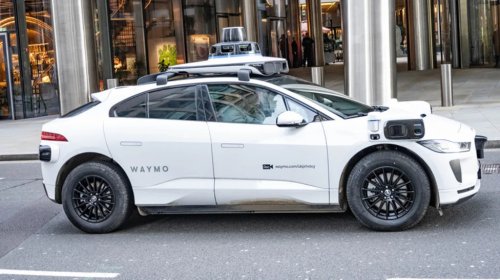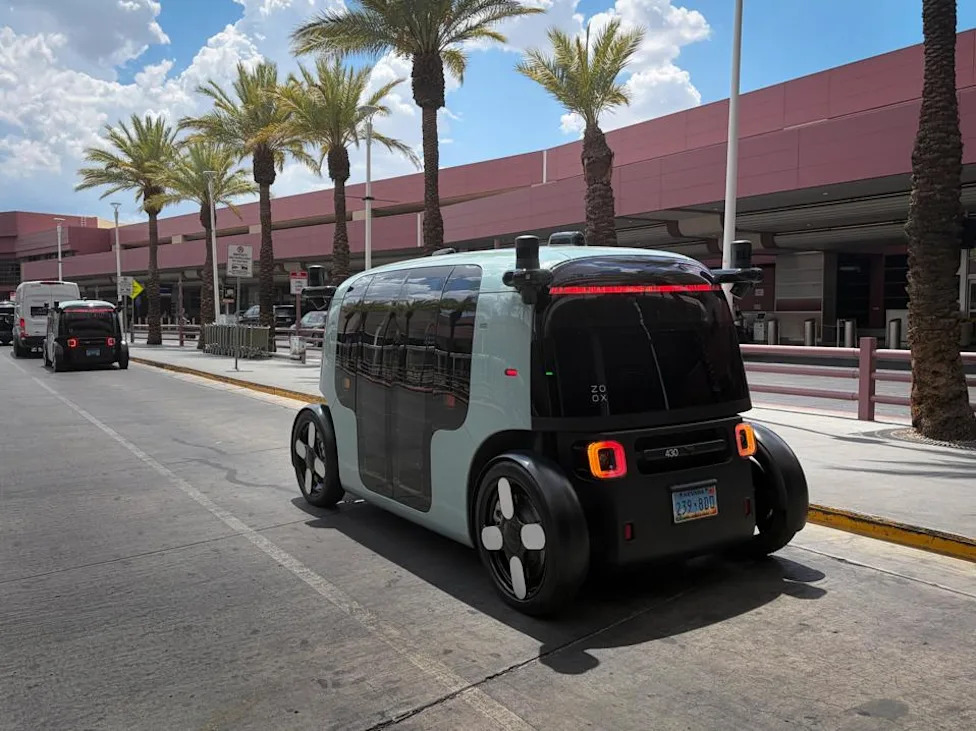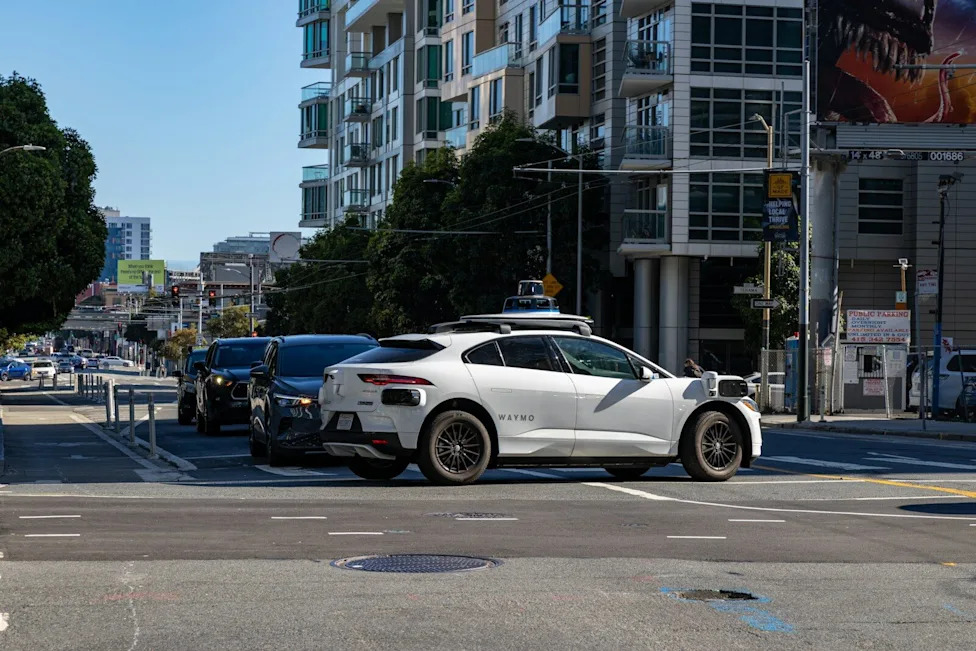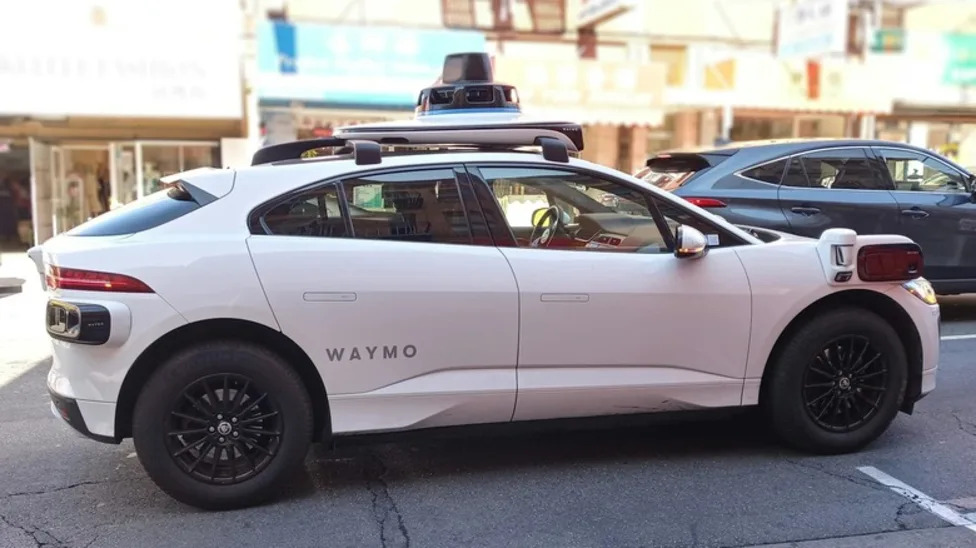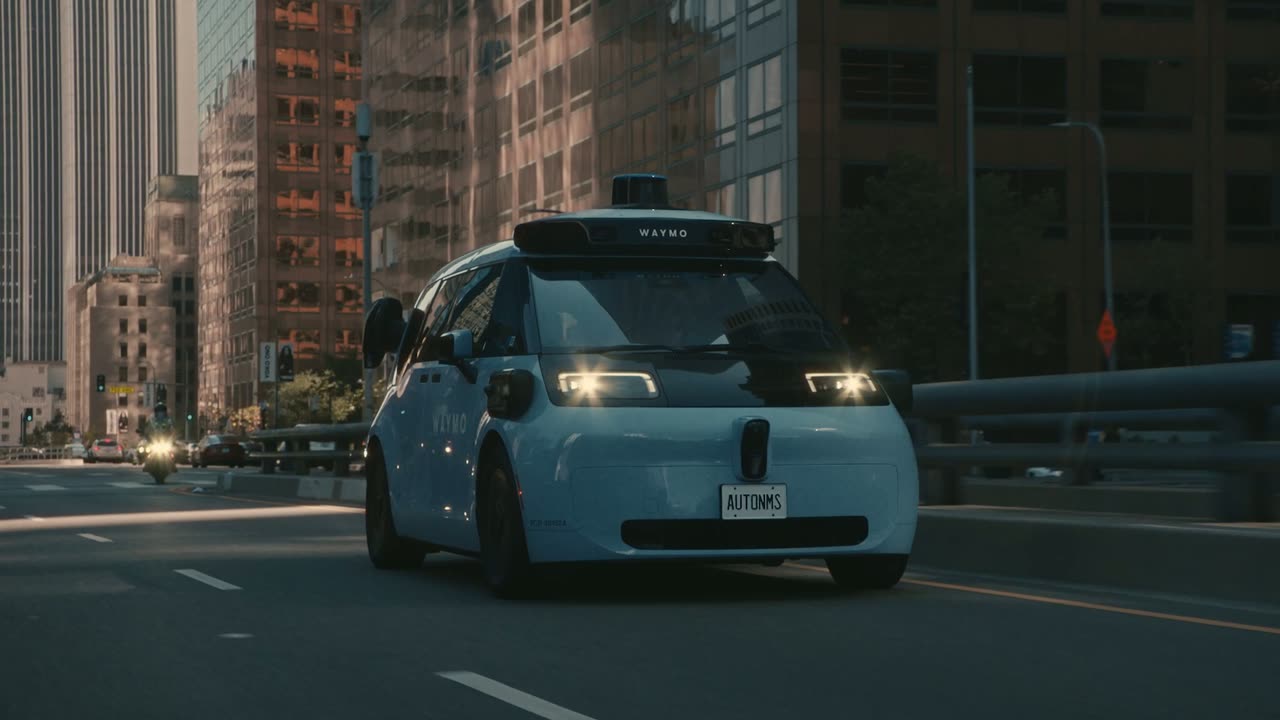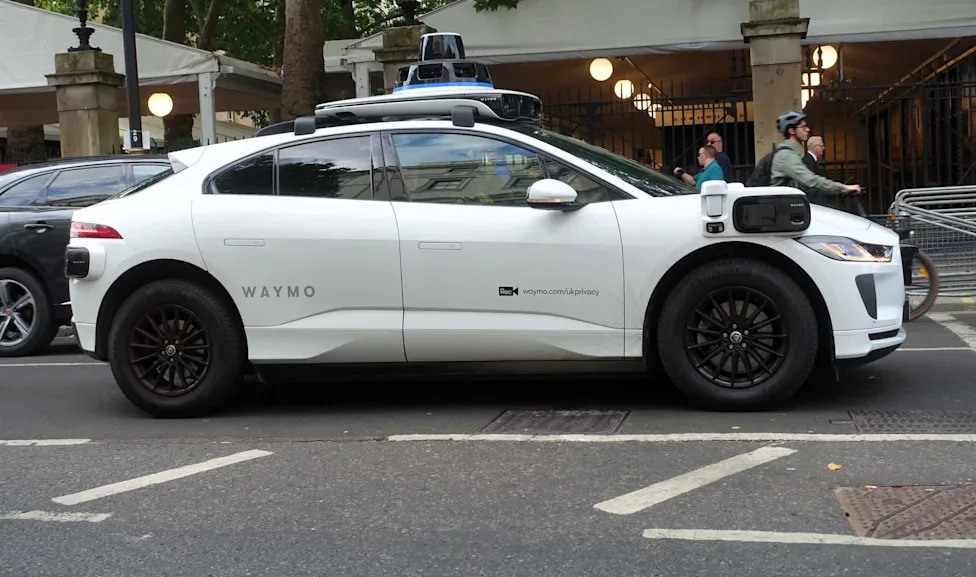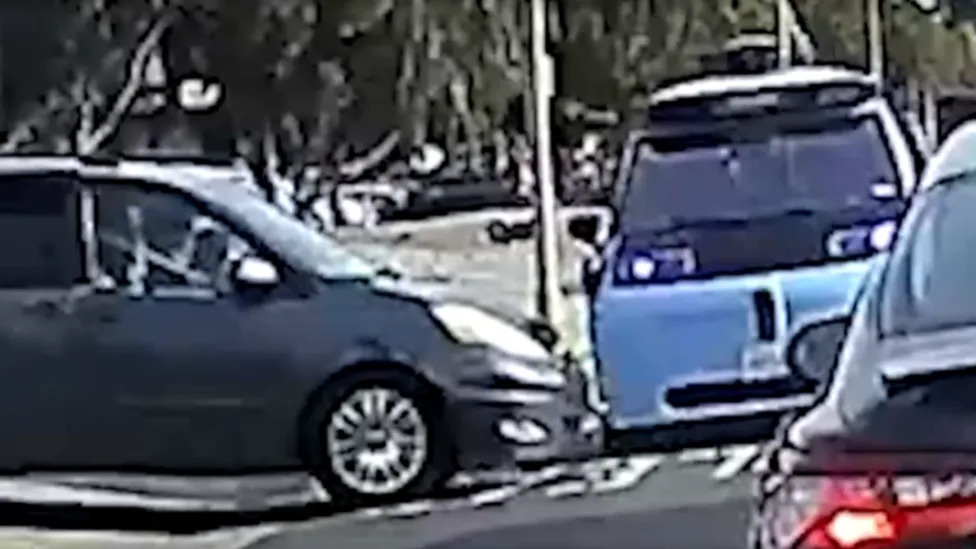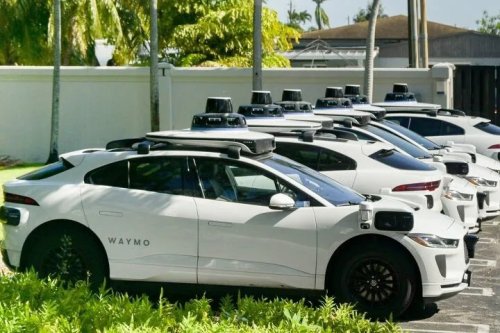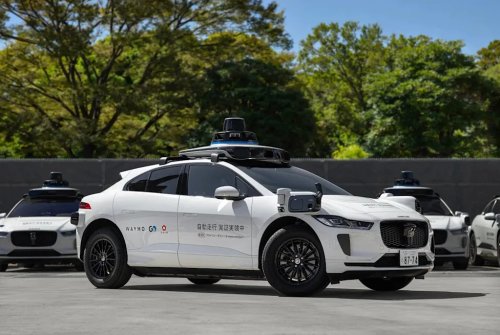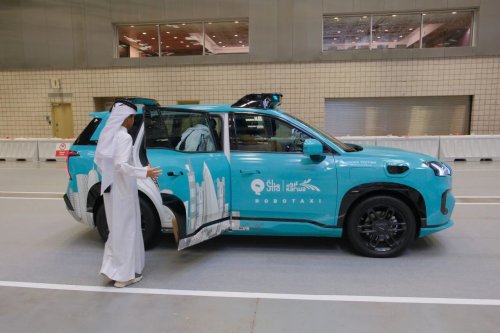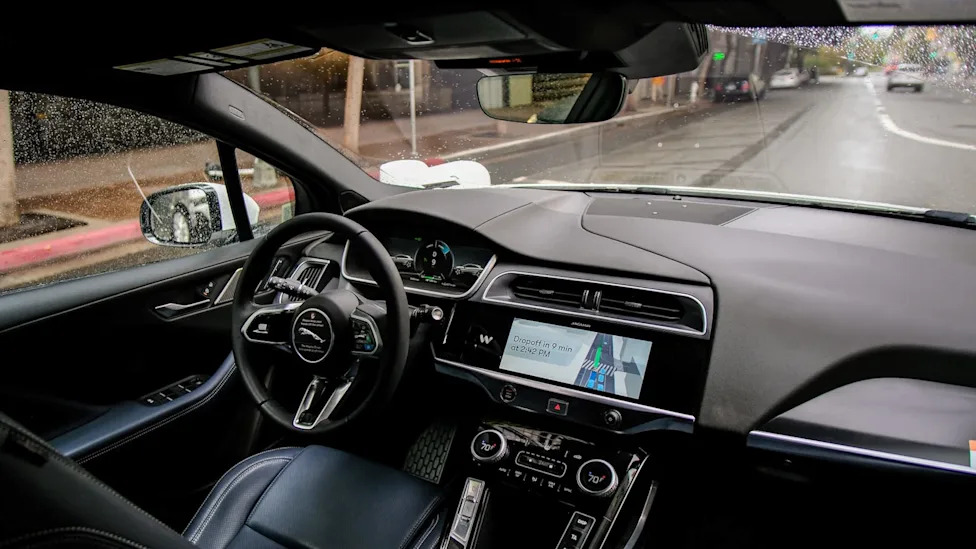



















Photo Credit: iStockIt's one thing for a robotaxi to handle routine city traffic. It's quite another to navigate streets reshaped by severe weather conditions.What's happening?KRLD reported that Waymo is temporarily pausing its fully driverless robotaxi service in Dallas, Austin, Houston, and San Antonio after recent flooding incidents in Texas raised new concerns about how autonomous vehicles respond in extreme conditions.The move follows an incident in which an unoccupied Waymo vehicle ended up stranded, adding pressure on the company's safety systems as severe storms hit Texas.AdvertisementAdvertisementWaymo said it halted operations in the four Texas cities late last week as a precaution while heavy rain and flooding risks remained in the forecast, per KRLD. The company added that the pause was driven by safety concerns for riders and the public, the outlet noted.The latest trigger was the high-profile May 21 scene in Atlanta, where an empty Waymo robotaxi entered a flooded street and was stranded for nearly an hour. While perhaps the most viral moment, it was not the first flooding-related issue for the company. In April, floodwaters swept a Waymo vehicle in San Antonio, KRLD noted.No injuries were reported in either case. The incidents come at a sensitive moment for Waymo, which began rolling out commercial service in Dallas earlier this year and now serves all four Texas cities through its app and partnerships such as Uber.Why does it matter?Flooded streets can be dangerous even for human drivers, and the incidents underscore how difficult it is to train artificial intelligence systems to interpret rapidly changing road conditions in real time.AdvertisementAdvertisementAI is becoming increasingly tied to the energy grid, from the electricity needed to power electric vehicle fleets and charge batteries to the data centers that train and run advanced driving systems.AI can help optimize traffic, improve charging efficiency, and support cleaner energy use. But there are trade-offs, too, including high electricity and water demand, cybersecurity concerns, risks of misuse, and the possibility of pushing costs onto households through higher energy bills. In this case, the technology hasn't yet caught up to the real-time challenges of severe flooding. Rather than eroding trust in the tech and risking more embarrassing or even dangerous incidents, it makes sense for Waymo to wait until it feels confident that the robotaxis can navigate flood conditions.What's being done?Waymo has already taken steps to address similar problems. The company rolled out software changes and completed a voluntary recall covering thousands of vehicles to better handle flooded streets and construction zones, as TechCrunch reported.AdvertisementAdvertisementThe most immediate response, while uncertainty remains, is to pause service when conditions appear unsafe, monitor local forecasts closely, and resume service only when the risk subsides. The approach effectively builds weather limits into autonomous transportation.Waymo described the Texas shutdown as a temporary safety measure tied to severe weather forecasts and said operations will resume only when conditions are safe.Get TCD's free newsletters for easy tips, smart advice, and a chance to earn $5,000 toward home upgrades. To see more stories like this one, change your Google preferences here.