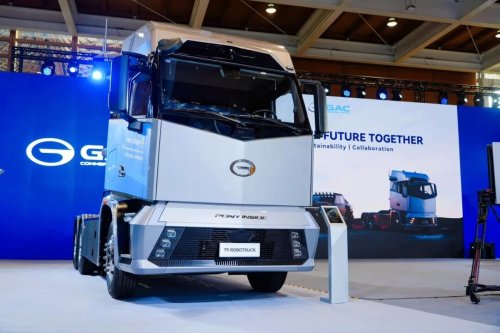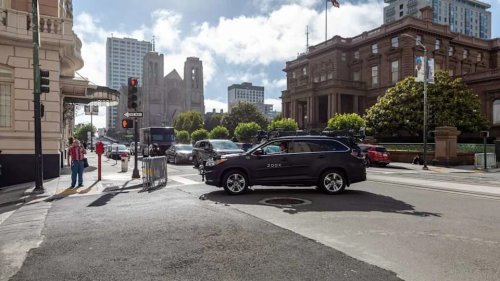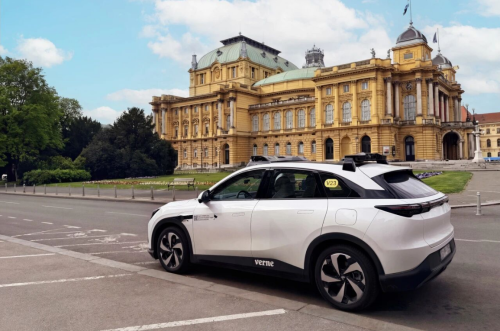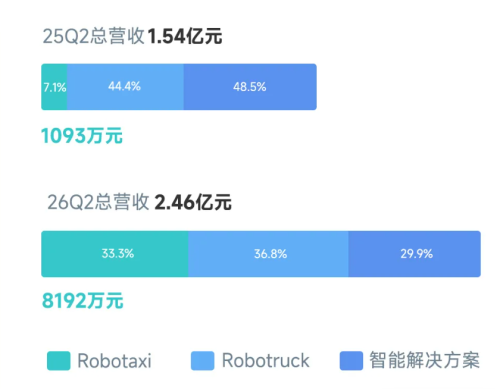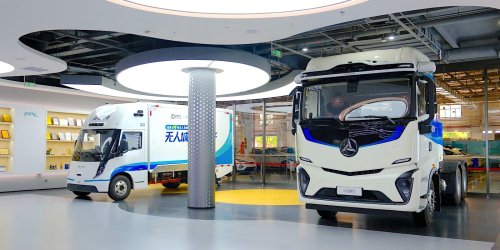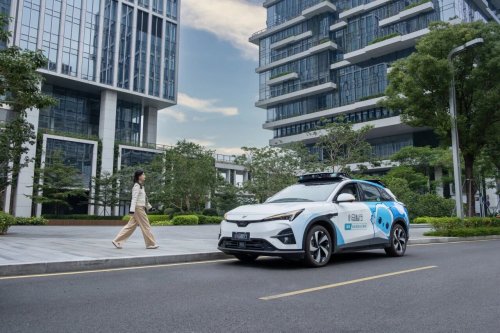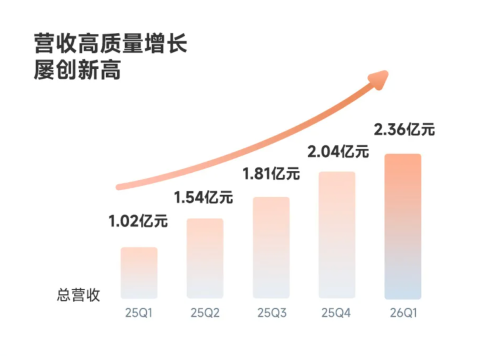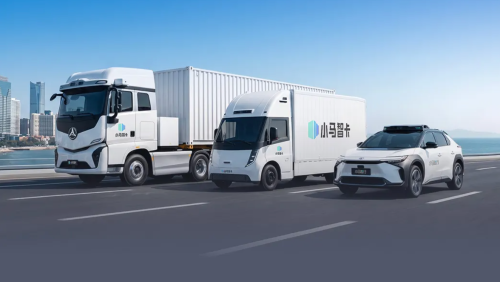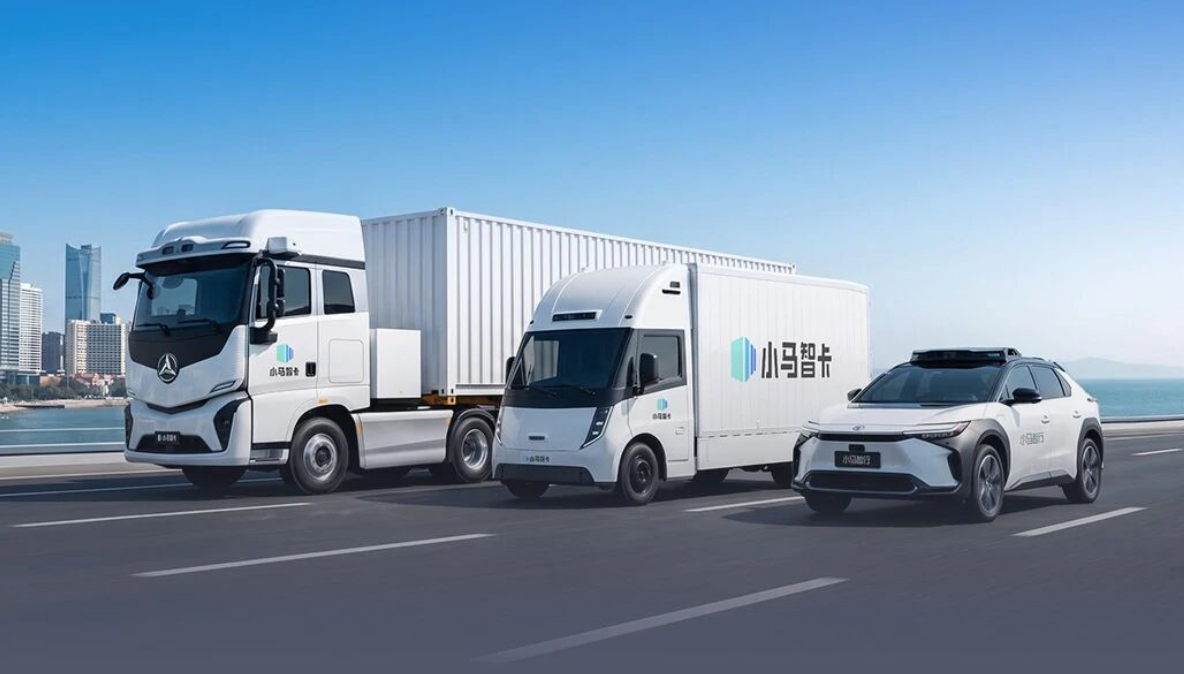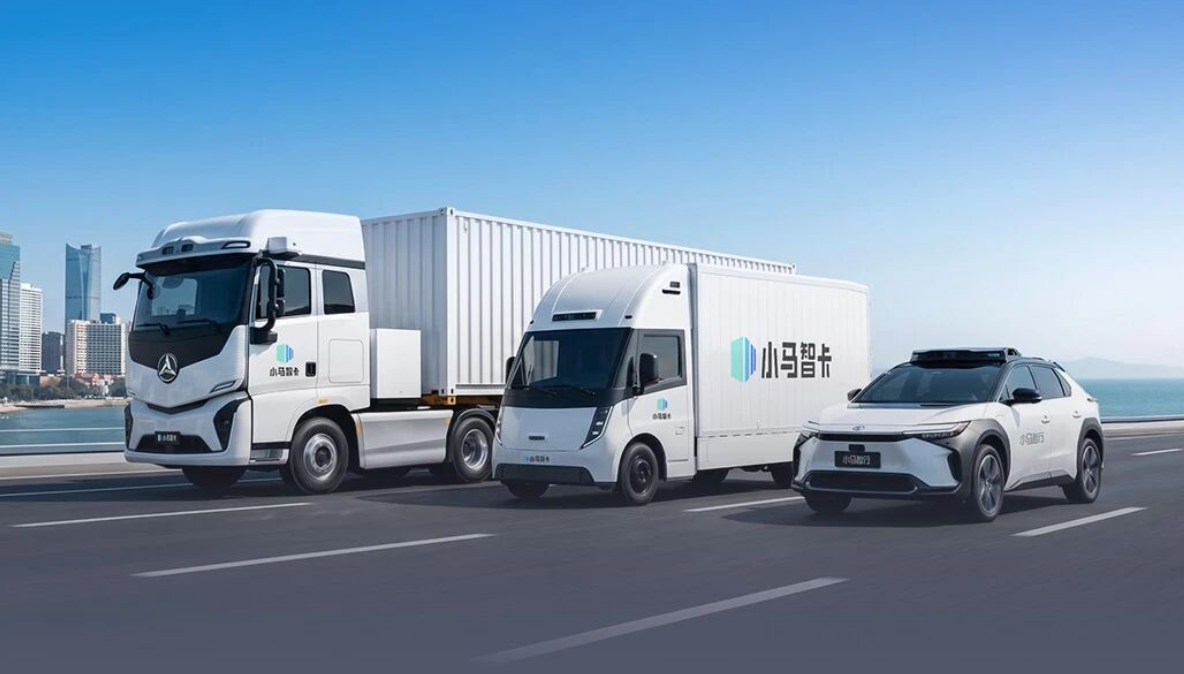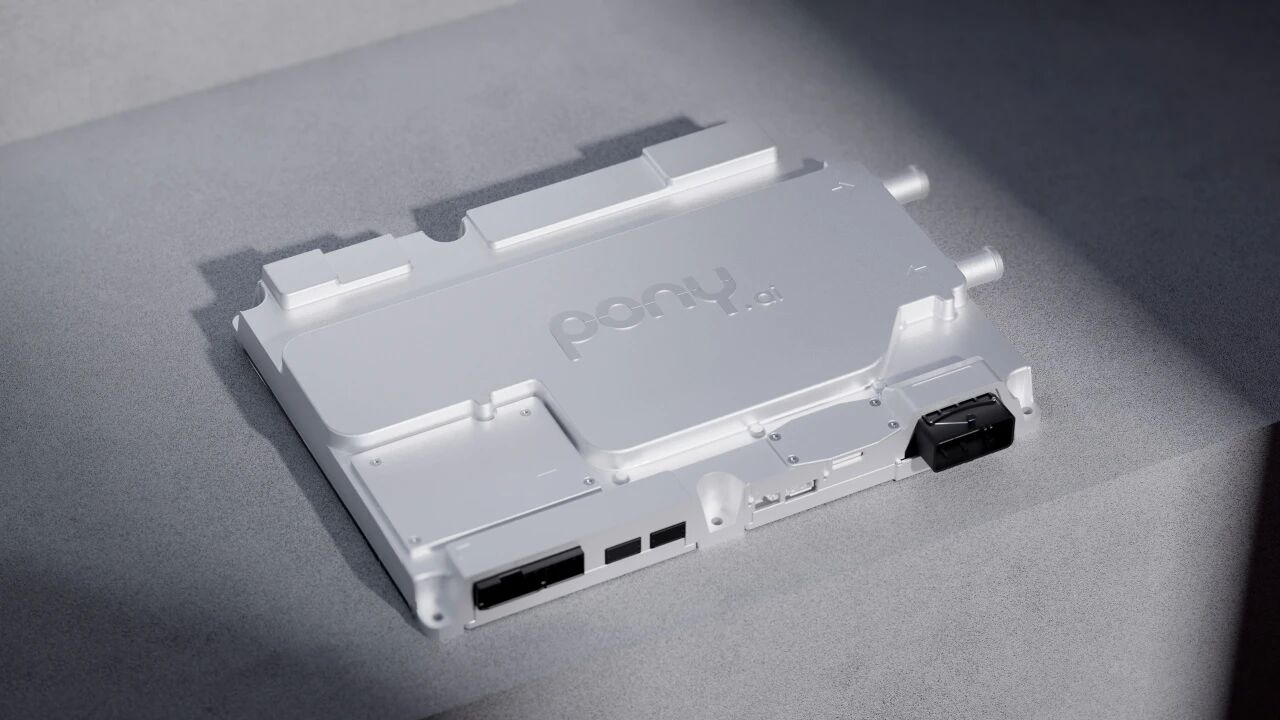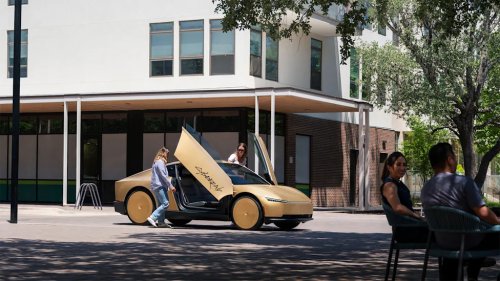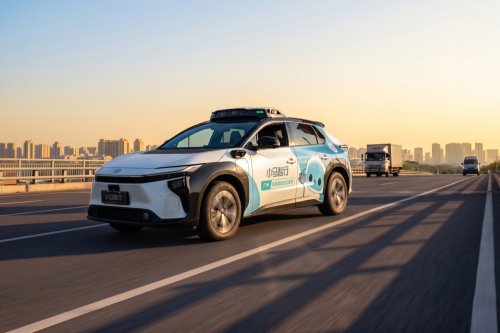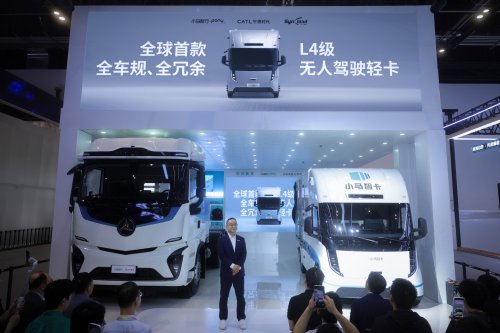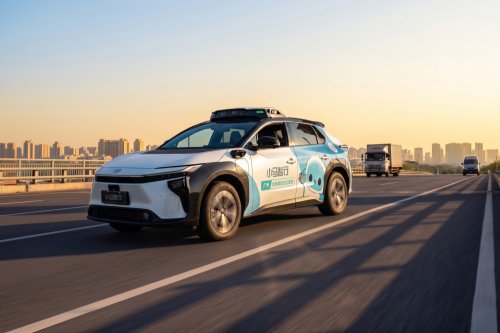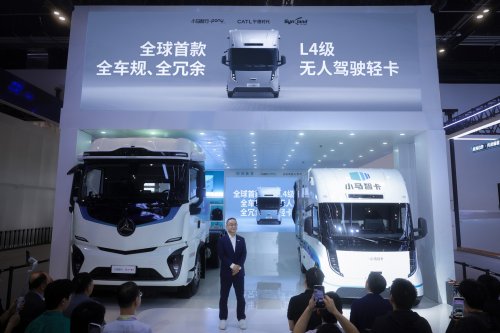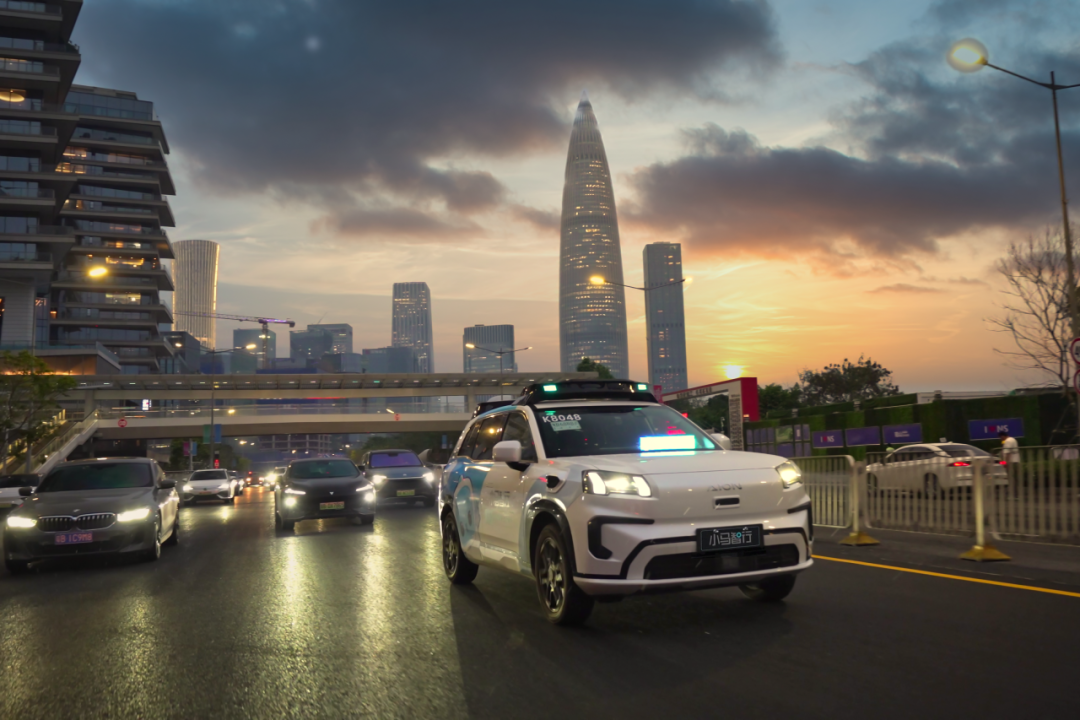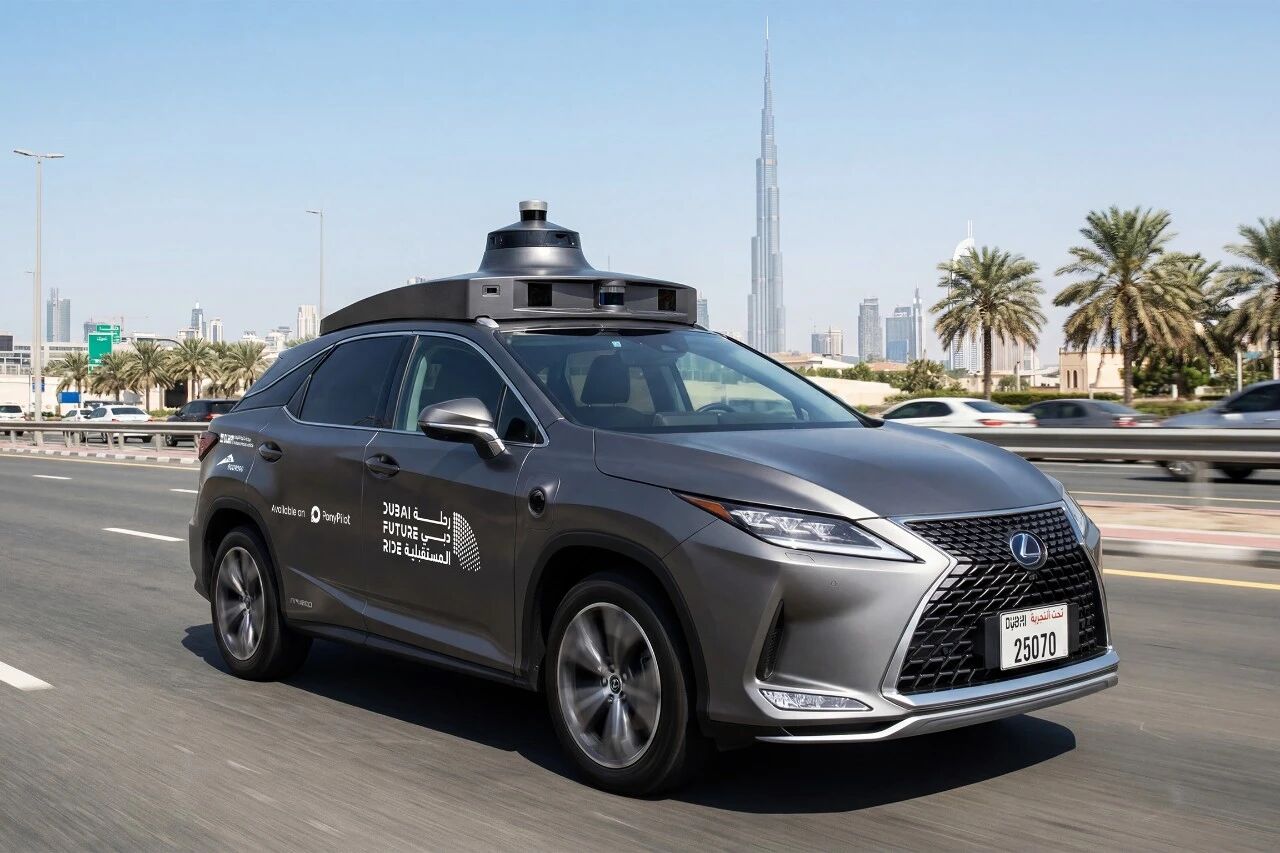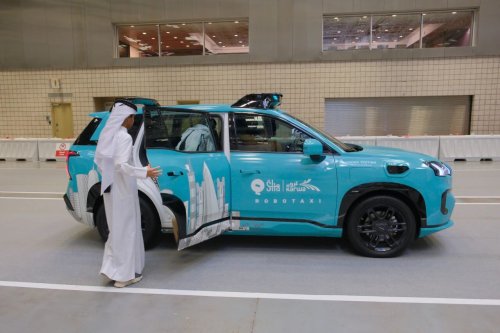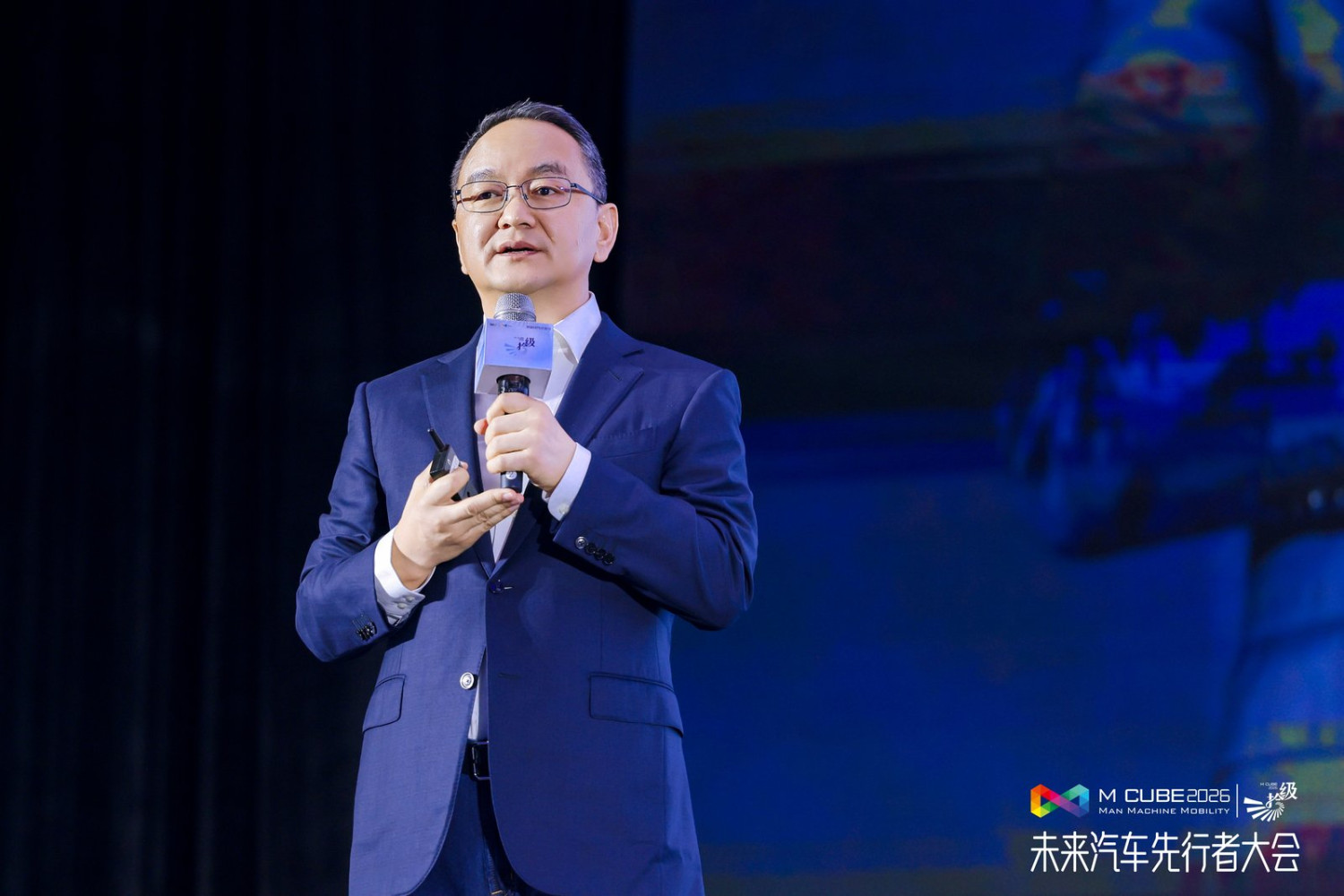



















Gasgoo Munich- At the 2026 Future Auto Pioneer Conference, James Peng detailed the safety and operational foundation underpinning Pony.ai's fully driverless fleet.The core distinction between a passenger car and a fully driverless Robotaxi is that the "first responsible party" shifts from the driver to the vehicle itself. To underwrite that liability, Pony.ai has closed the loop on an integrated software-and-hardware operational cycle:First is the algorithm's navigation of the environment. Powered by the newly released "World Model 2.0," the system relies primarily on self-learning within virtual environments. For corner cases, the engineering team proactively generated pedestrian models in unconventional poses, blending structured testing with real-world road tests.Second is a three-tier hardware redundancy. The company established a three-level defense: normal driving, degraded-mode pullovers (including locating highway exits during faults), and emergency in-lane stops during extreme system failures.Finally, there is the "1+8" comprehensive safety architecture. Beyond single-vehicle software and hardware redundancy, the system-level safeguards include cloud dispatching, network defenses (fending off DDoS attacks and the like), and rapid response from ground crews and grid workers.Image credit: Future Auto Pioneer ConferenceOn May 26, Pony.ai reported its first-quarter results for 2026. The standout figure: Robotaxi revenue surged 395.4% year on year to 59.12 million yuan. That single-quarter haul already exceeds half of the segment's full-year revenue for 2025. Riding that momentum, Pony.ai raised its full-year Robotaxi revenue target from "three times 2025" to "more than 3.5 times," and bumped its fleet-size goal from 3,000 vehicles to over 3,500.On the earnings call, Pony.ai executives attributed the upgraded forecast to the strong commercialization momentum in the first quarter. Across all Tier-1 cities in China, the company is seeing sustained growth in revenue, paid orders, and user base. Notably, operations in Guangzhou and Shenzhen have turned profitable on a per-vehicle basis, offering a replicable blueprint for success. Meanwhile, a "co-built fleet" model is drawing heavy interest from domestic and international partners, which should further accelerate deployment while improving capital efficiency.The takeaway is clear: leading autonomous driving companies are leaving the era of cash-burning experiments behind, stepping into a new phase of scale expansion.