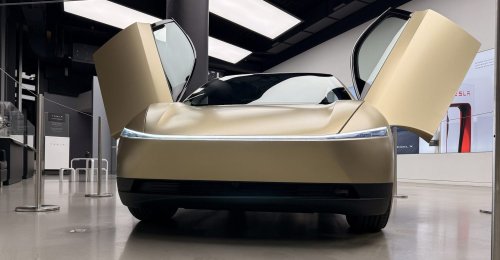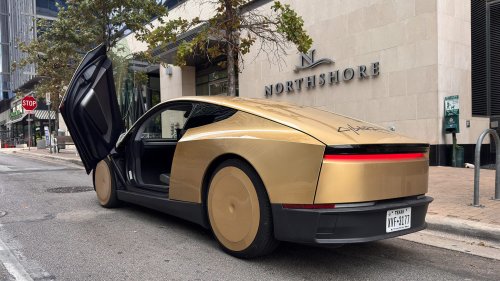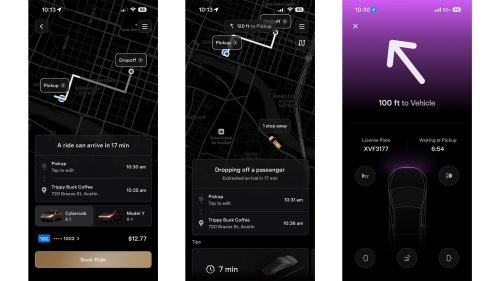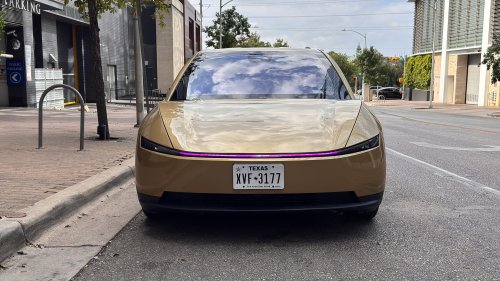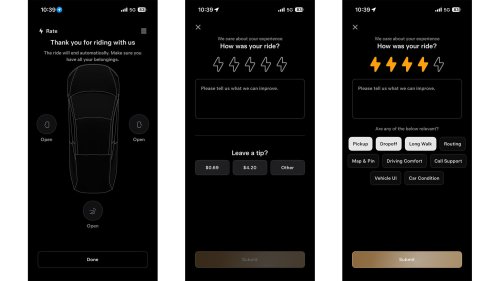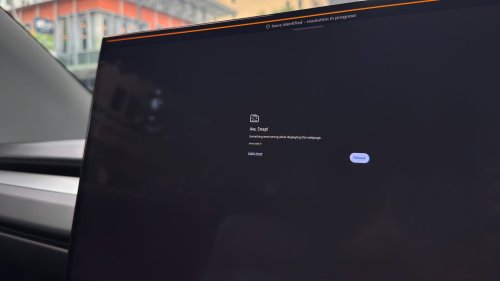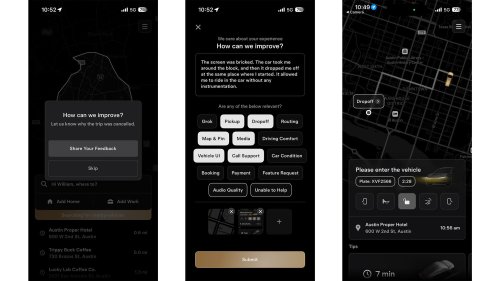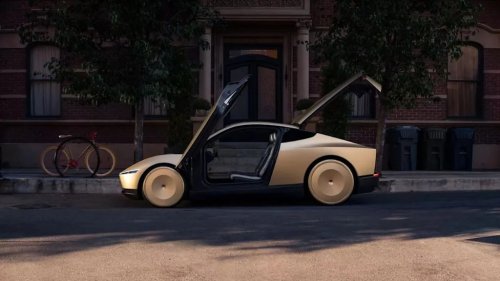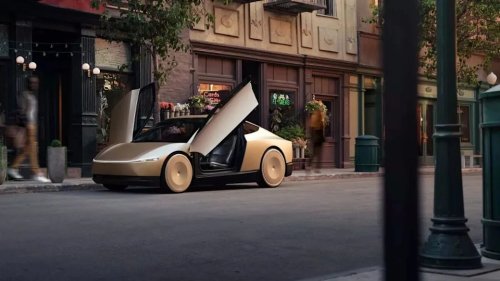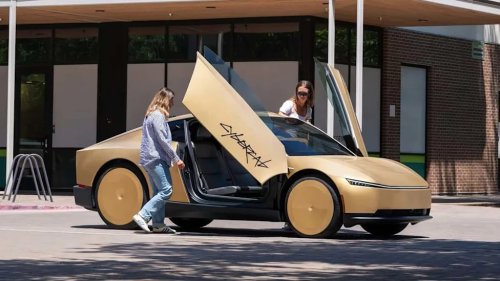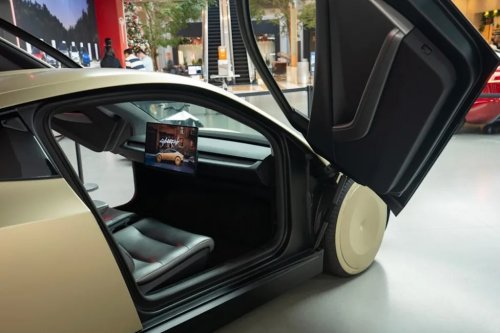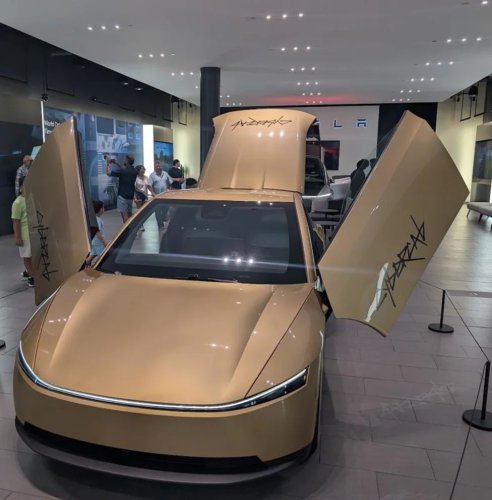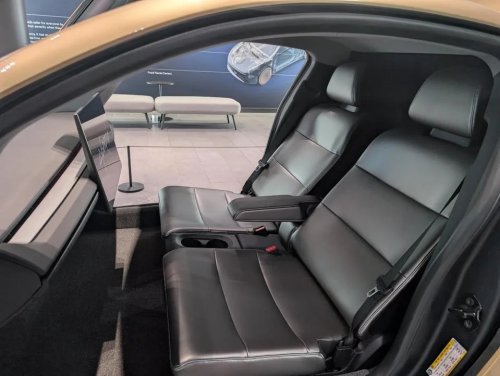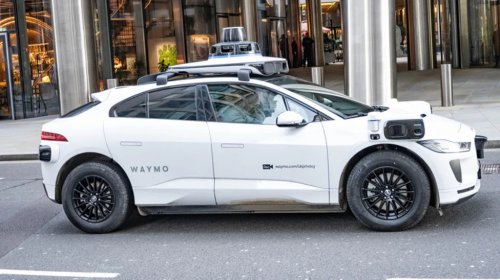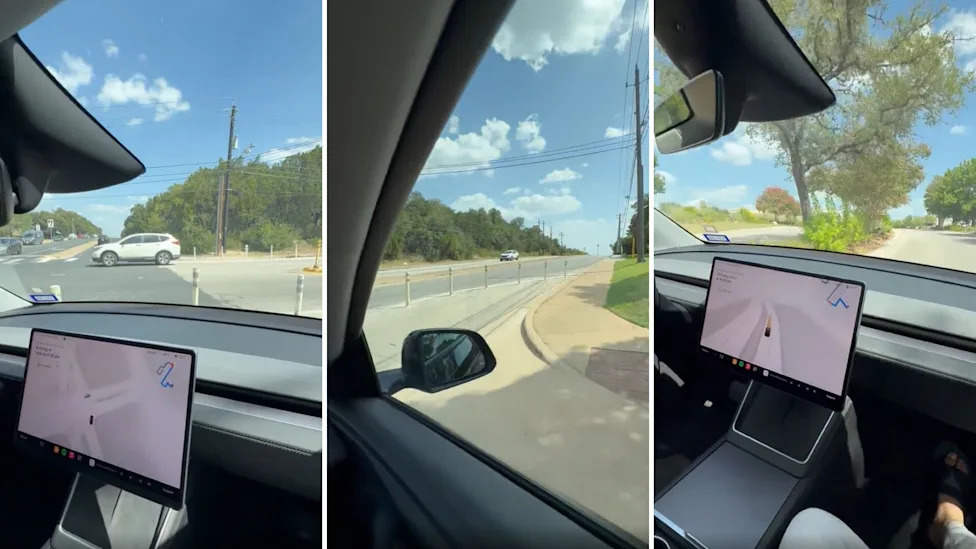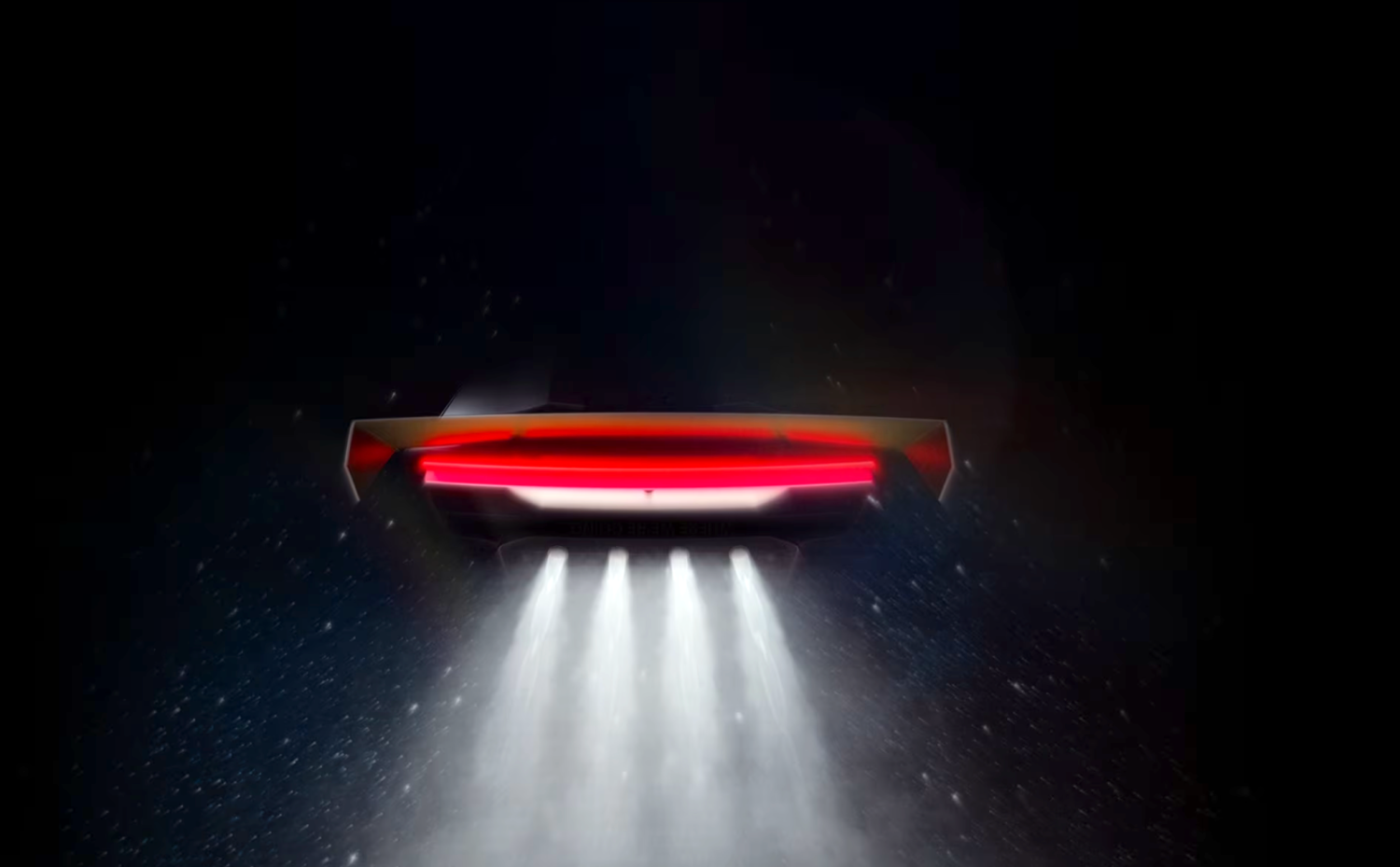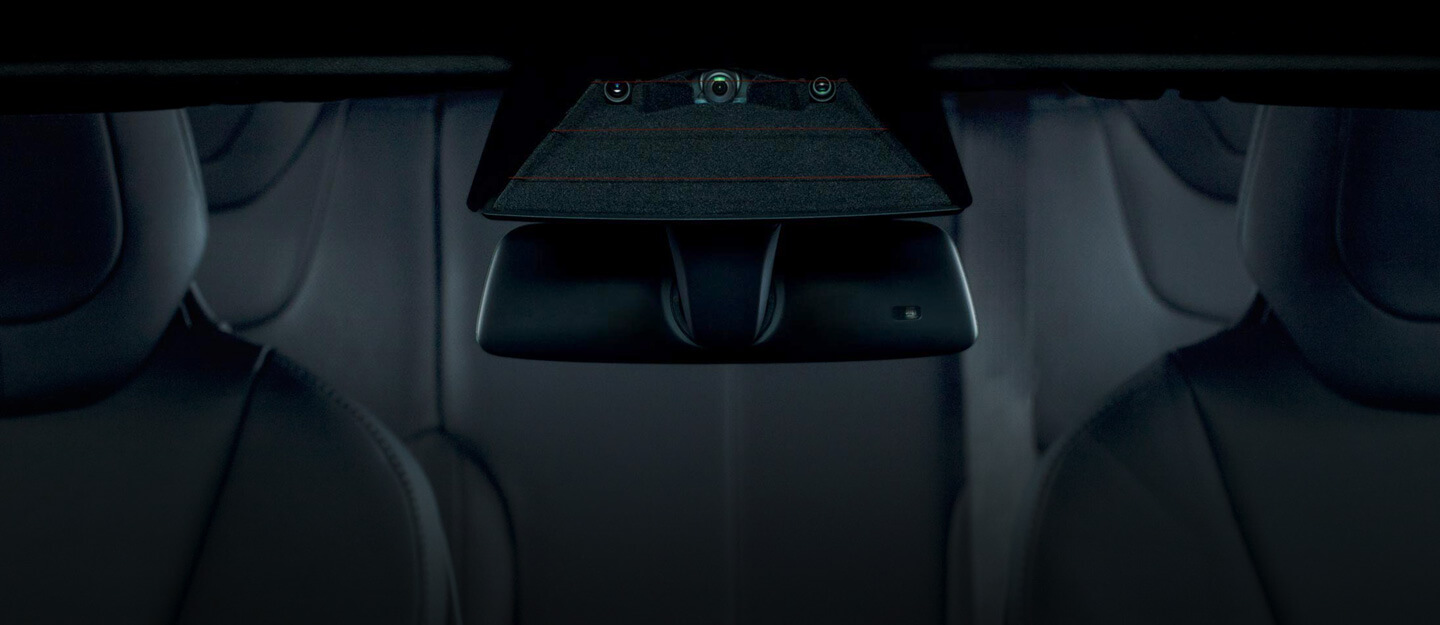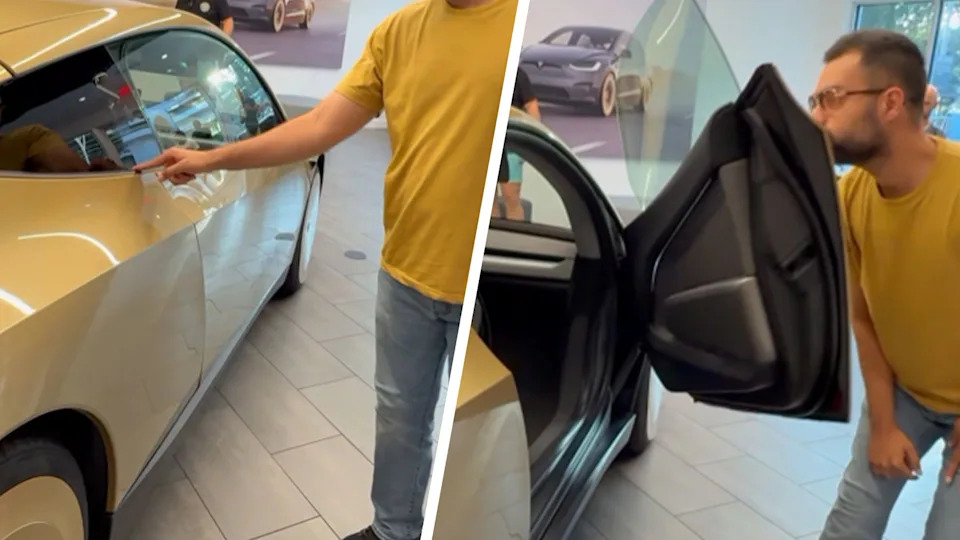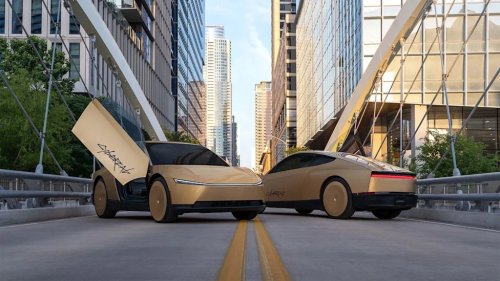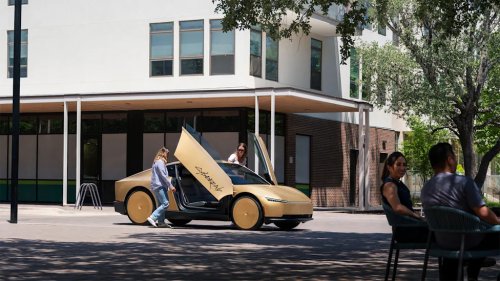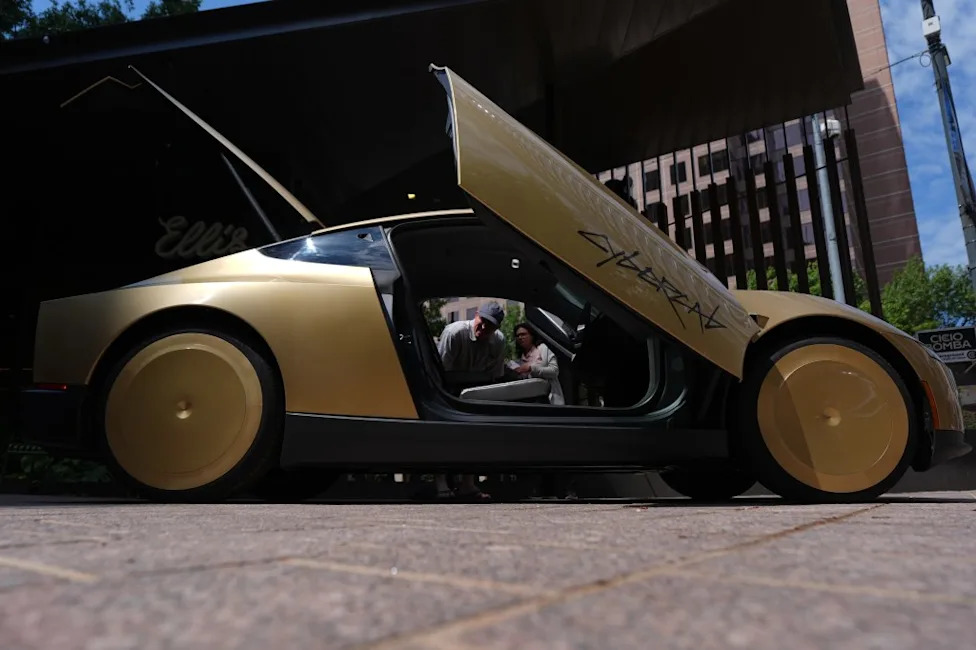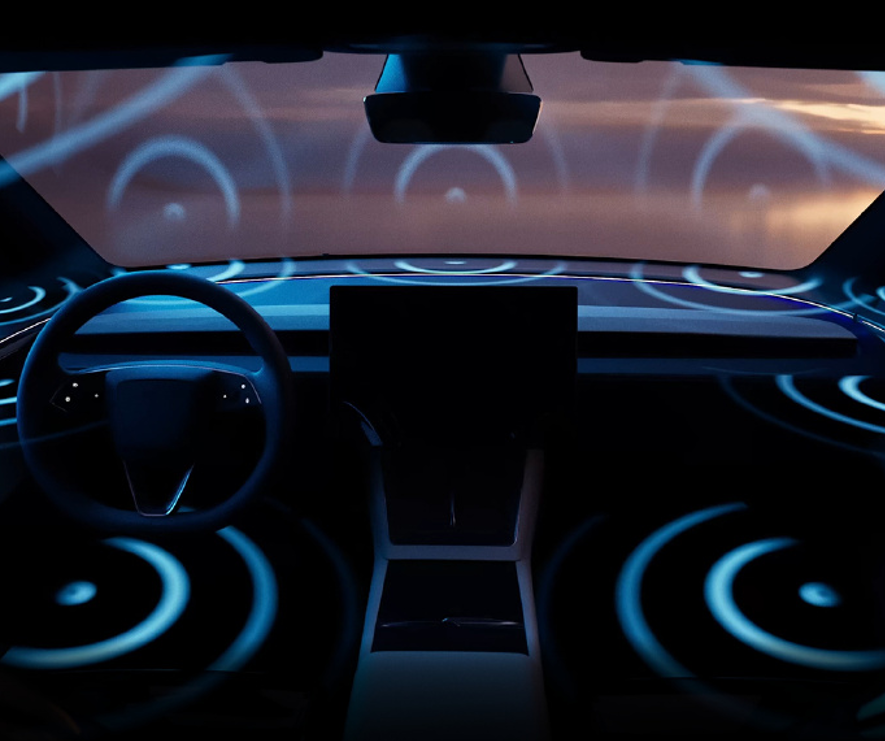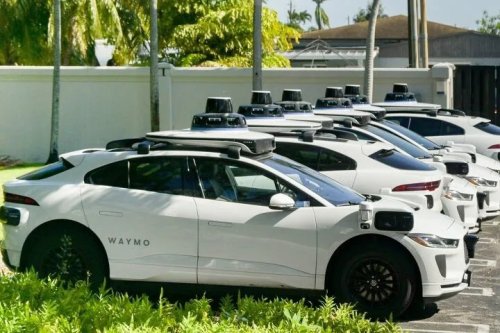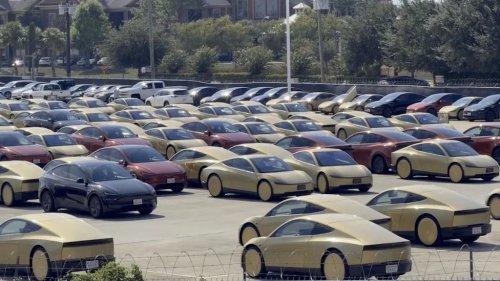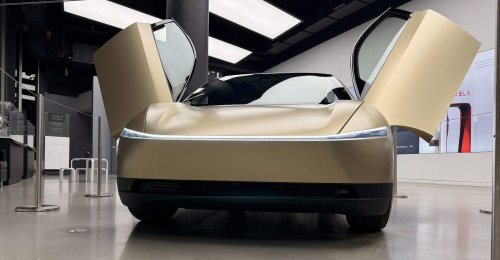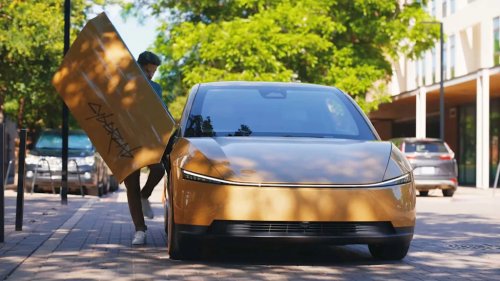
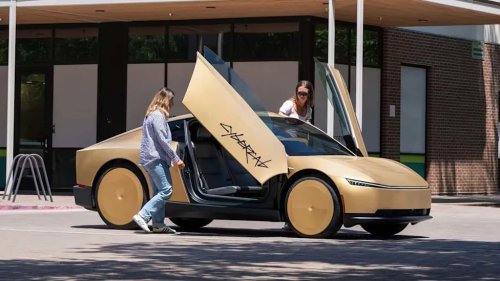
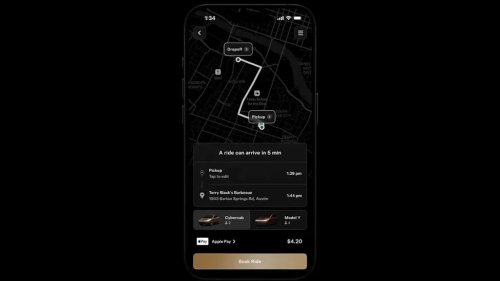
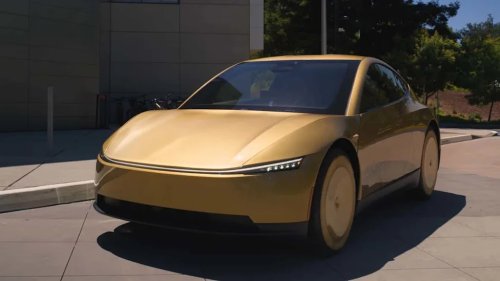








Tesla Cybercab RobotaxiThe gold-colored two-seaters went live in Austin, Texas, after a launch event that had a notable absentee: Elon Musk.The Tesla Cybercab, a two-seat EV without pedals and a steering wheel, is now offering robotaxi rides in Austin, Texas.The introduction follows a closed-door event where traditional media was not invited.Elon Musk, Tesla's CEO and one of the biggest believers in vision-only self-driving cars, did not attend the launch.After a hyped-up but rather underwhelming launch event last night, Tesla's gold-colored driverless Cybercabs are finally offering paid Robotaxi rides in Austin, Texas. The closed-door party, where traditional media and even some hardcore Tesla enthusiasts were not invited, is a big deal for the company's CEO, Elon Musk, who has promised self-driving cars for years, saying that people would eventually be able to enroll their personal Tesla EVs in the firm's Robotaxi fleet, allowing them to earn passive income.Musk didn't attend the Cybercab launch event, according to people who were there, and Tesla owners still can't turn their EVs into Robotaxis. But the Cybercab, which doesn't have a steering wheel or pedals, is real–though getting a ride in one might be a bigger adventure than some will be willing to accept.Tesla didn't say how many Cybercabs are available for public rides, but recently published data from the Texas Department of Motor Vehicles shows that the company has just 45 Cybercabs registered in the state. What's more, the two-seat gold EVs are only available in Austin for now. In total, Tesla operates approximately 250 driverless taxis across six cities. By comparison, Waymo, the biggest robotaxi operator in the U.S., has roughly 4,000 vehicles offering rides in 14 cities.AdvertisementAdvertisementSo, if you're willing to close your eyes to these limitations, here's what you can expect from Tesla's newest electric car, which–to be clear–is not available for sale yet.First off, it's important to note that Tesla bans children under the age of 13 from riding in a Cybercab robotaxi. According to a newly published page on Tesla's website, the two-door driverless taxi can only carry adults and minors aged 13-17 if they're accompanied by an adult. What's more, riders are only allowed to request a Robotaxi for themselves, which means kids who are out partying can't ask their parents to hail a Cybercab for them.Tesla Cybercab RobotaxiThe Cybercab also doesn't have ISOFIX or LATCH anchors for child seats, but the official documentation shows that one child seat can be mounted using the car's seat belt. This is irrelevant for robotaxi rides, seeing how kids younger than 13 can't use Cybecabs at all, but the feature may have been integrated as a future-proofing method for when the steering-wheel-less EV will be sold to the public.As a reminder, children as young as eight years old can ride in a Model Y robotaxi if they're accompanied by an adult.AdvertisementAdvertisementSize-wise, the new Cybercab can accommodate two people and has a rear trunk cargo volume of 20.2 cubic feet, which is enough for two checked bags and two carry-ons, according to the company. The trunk, which has a weight limit of 220 pounds (100 kilograms), is also adequate for one large folded stroller and one folded wheelchair. "80% of robotaxi rides are with two passengers; that's why the Cybercab only has two seats," one of the company officials said during last night's presentation.Tesla Cybercab RobotaxiThe trunk can be opened from the smartphone app, and the doors automatically open when the rider is nearby. Alternatively, the doors can be opened via the app. When inside, the doors can be opened from the central touchscreen or from the dedicated buttons on each door card.The two backrests can be controlled independently, but the seat base moves forward and backward as one piece. Tesla said that the rider's preferences will be automatically set to the vehicle when it arrives, based on settings from previous rides. These include the interior temperature and all of the accounts for streaming services. When the ride ends, the settings are wiped from the car. There's also Grok integration, enabling riders to ask questions and get naturally sounding answers from the artificial intelligence assistant.Inside, the Cybercab has a cabin-facing camera and a cabin radar. The camera checks the vehicle for cleanliness and lost items between rides, while the radar scans for occupants to determine how to deploy the airbags. There are front airbags, knee airbags, seat-mounted side airbags, inner seat-mounted airbags, and curtain airbags. USB-C charging ports are also available.AdvertisementAdvertisementThe two-door EV relies on cameras exclusively for driverless navigation, with a total of eight exterior cameras doing the heavy lifting: one at the front, one at the rear, one in each door pillar, two at the top of the windshield, and one in each front fender.Tesla Cybercab RobotaxiWhen it comes to pure specifications, the Cybercab is the lightest, most efficient car Tesla has ever made, with a coefficient of drag of under 0.2, according to Eric Earley, the vehicle's lead engineer. Documents filed with the Environmental Protection Agency show that the entry-level EV is powered by a front-mounted electric motor that makes 219 horsepower. A 48-kilowatt-hour battery pack provides the energy. The car's curb weight is just 3,113 pounds, making it about 700 pounds lighter than the lightest Model 3 available right now.The Cybercab doesn't have conventional hydraulic brakes, and instead uses electric actuators for the calipers. The exterior of the Cybercab is unpainted. The color is embedded into the material when it's molded in the factory, which reduces cost and complexity, as there's no need for a separate paint booth.More Tesla StoriesHow Much Range The Tesla Model 3 And Model Y Lose After Almost 100,000 MilesThis 3-Year-Old Tesla Model Y Went 100,000 Miles And Barely Fast-Charged. Here's How The Battery Held UpTesla Just Made The Cybertruck An Even Tougher SellThe Tesla Semi Is Heading To Europe