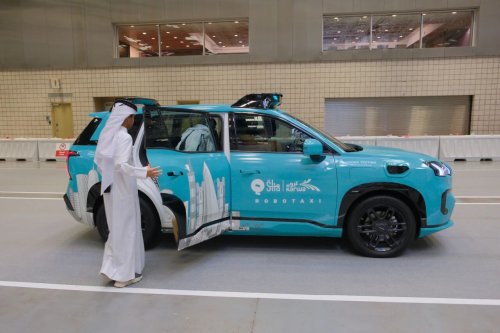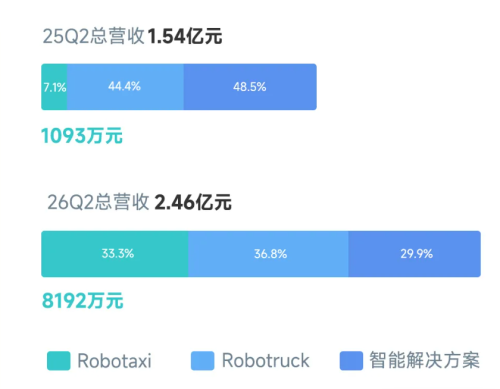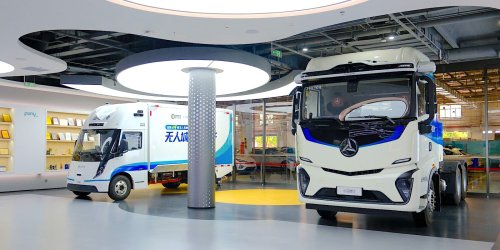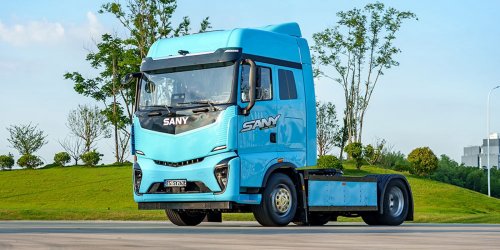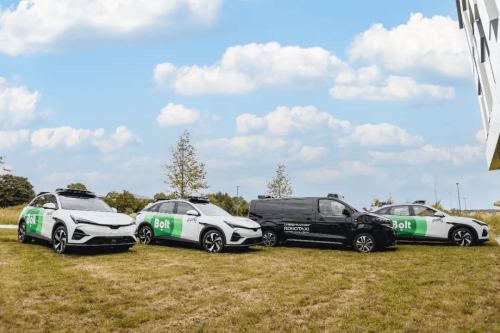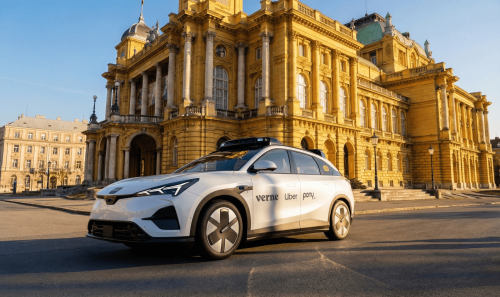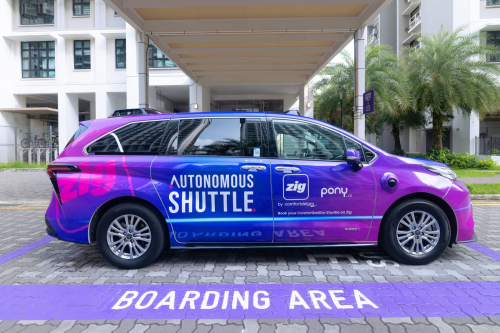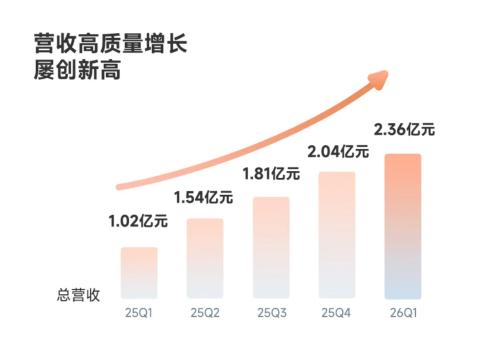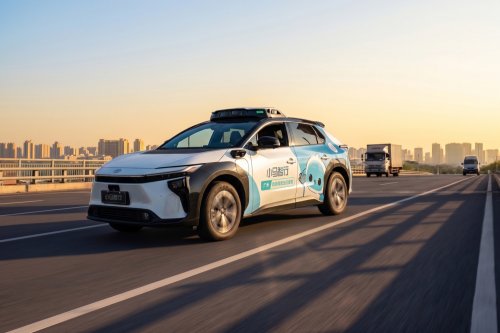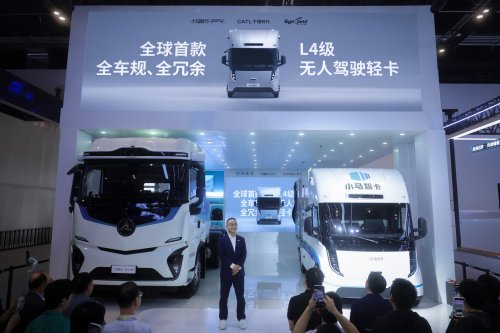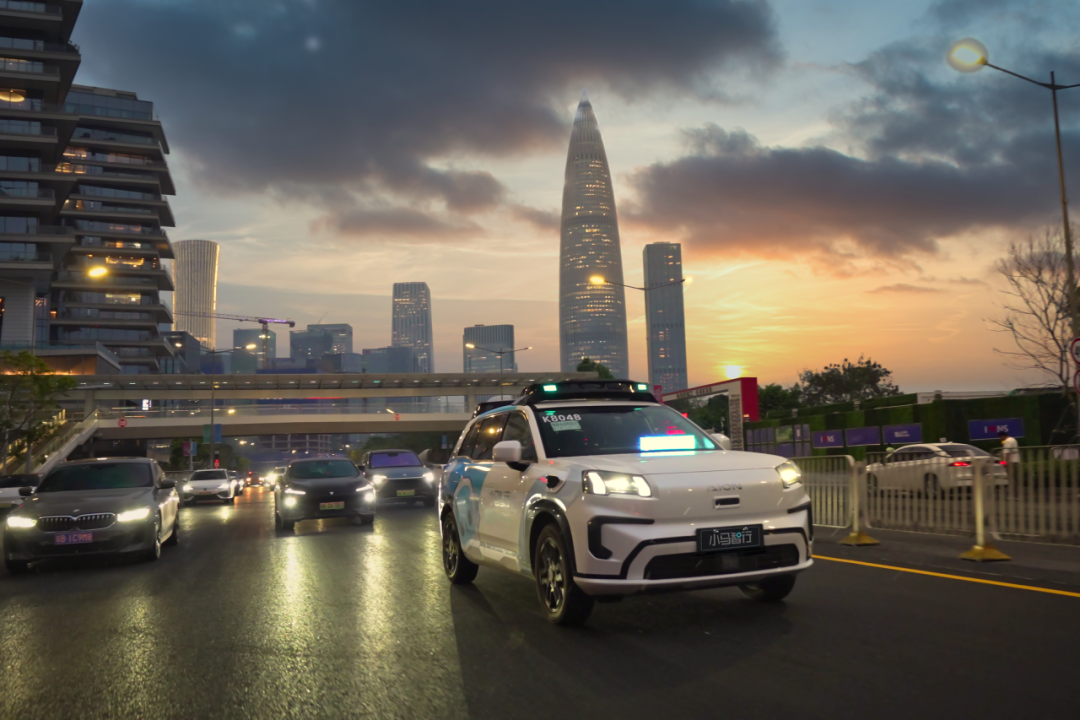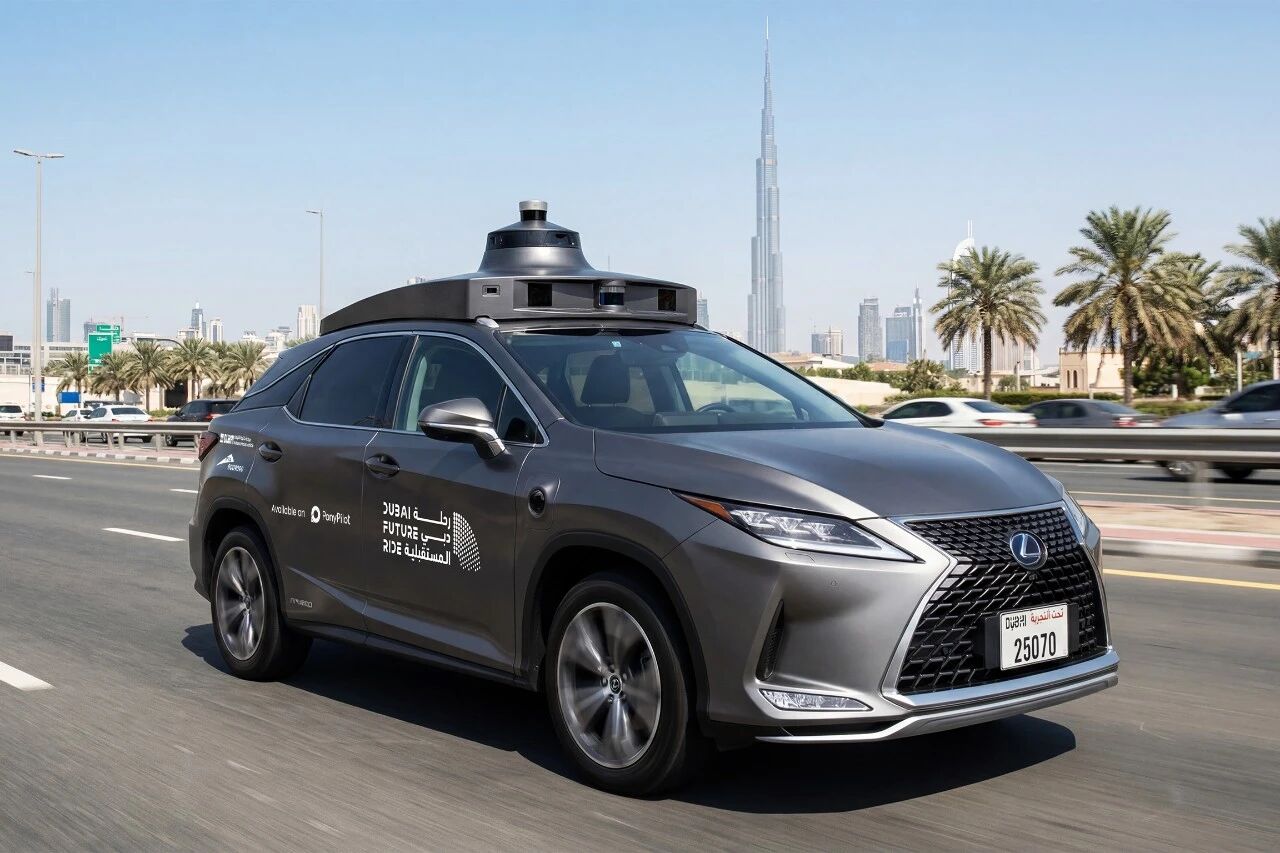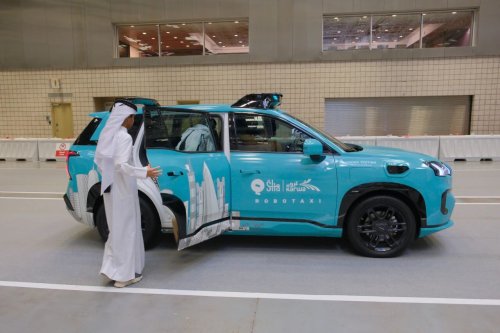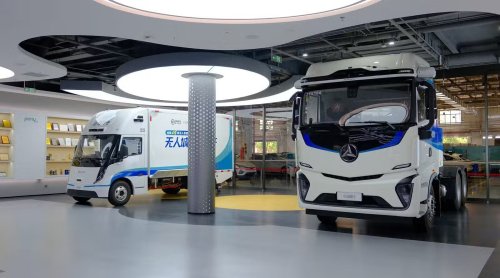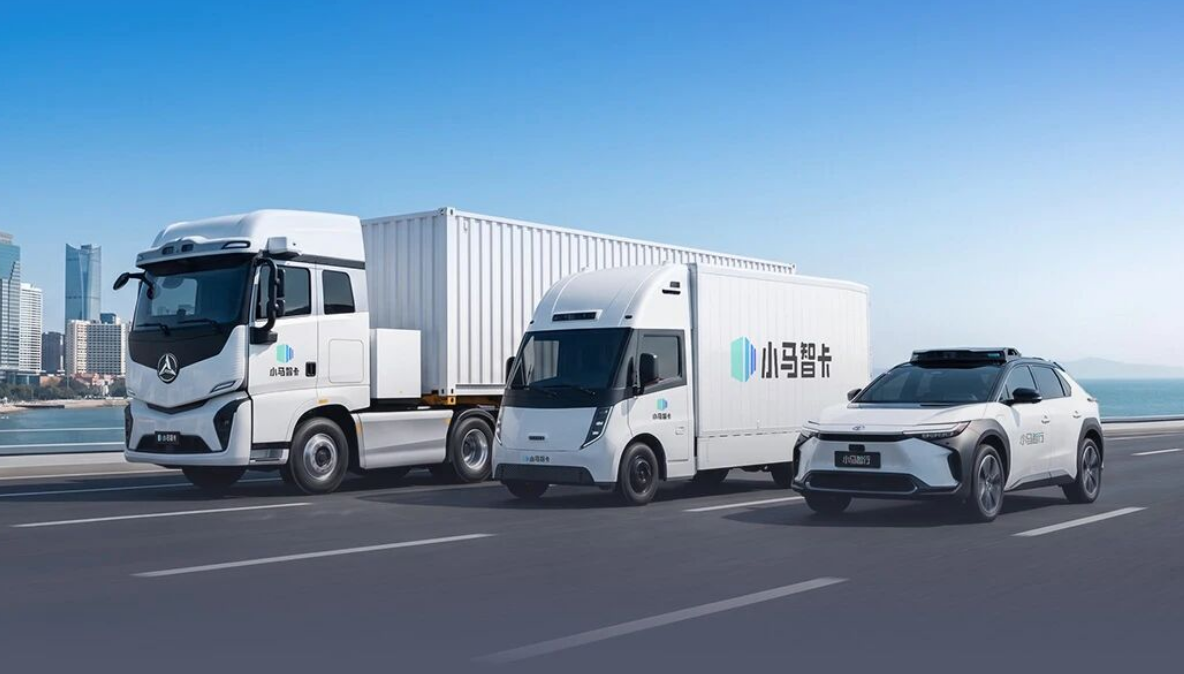



















Gasgoo Munich-Pony.ai (NASDAQ: PONY; HKEX: 2026) released its unaudited financial report for the first quarter of 2026 on May 26, with its Robotaxi (autonomous mobility) business hitting a quarterly revenue record. Buoyed by this strong start, Pony.ai has raised its 2026 targets for the unit: full-year Robotaxi revenue is now expected to reach more than 3.5 times 2025 levels—up from a previous forecast of triple—and fleet size is set to exceed 3,500 vehicles, up from 3,000, spanning over 20 cities domestically and abroad.Specifically, Pony.ai posted total revenue of 236 million yuan in the first quarter—a 145% surge year-over-year and a 17.6% increase from the previous quarter. Gross profit jumped 140.1% to 38.36 million yuan, fueled by the explosive expansion of the Robotaxi business and rapid scaling in its Intelligent Solutions unit (formerly Technology Licensing and Application).Image source: Pony.aiOperating efficiency continued to improve, with first-quarter operating loss remaining flat year-over-year while narrowing 21% quarter-over-quarter. As of March 31, the company held 9.90 billion yuan (about $1.44 billion) in cash equivalents and short and long-term investment products—a substantial war chest.Pony.ai’s Robotaxi business entered a high-growth phase after achieving city-level unit profitability. First-quarter revenue for the unit climbed 395.4% year-over-year to 59.12 million yuan, a 28.7% sequential increase. That single-quarter figure already exceeds half of the total revenue generated in all of 2025, which stood at 116 million yuan. Passenger fare revenue soared 456.5%, becoming the core engine of growth. By May 2026, the number of registered Robotaxi users in China had tripled compared to the same period last year.Since the start of the year, Pony.ai has seen month-over-month growth across three key commercialization metrics: fleet size, user base, and paid orders. Despite the Spring Festival travel lull and the usual first-quarter seasonal slowdown, the Robotaxi business demonstrated resilience that defies the cycle. The earnings report indicates this momentum extended into the second quarter: average weekly paid orders in May were 119% higher than in January, while average daily paid orders during the May Day holiday surged 544% from a year earlier.Underpinning this rapid growth is the simultaneous expansion of fleet size and operational reach. As of May 24, the Robotaxi fleet had surpassed 1,700 vehicles. The newly added Toyota bZ4X Robotaxi has commenced fully unmanned testing, with deployments planned for several Tier-1 Chinese cities within the year. During the Beijing Auto Show, the company further announced that by 2027, it aims to cap the total cost of a domestic Robotaxi—covering the vehicle, battery, and autonomous driving kit—at under 230,000 yuan, paving the cost path for commercialization.Domestically, Pony.ai’s Robotaxi service moved into downtown Guangzhou in the first quarter, covering landmarks such as Canton Tower and the Pazhou Complex. Overseas markets are entering a period of rapid expansion: the company launched Europe’s first commercial Robotaxi service in Zagreb, Croatia, and initiated unmanned testing in Dubai. Currently, Pony.ai’s Robotaxi operations span nine countries, with public ride-hailing services available in China, Croatia, Qatar, Singapore, and South Korea.Other business lines are also showing impressive growth. Revenue from the Robotruck (autonomous trucking) unit rose 31% year-over-year to 70.33 million yuan in the first quarter, while Intelligent Solutions revenue jumped 246.5% to 107 million yuan. Notably, shipments of autonomous driving domain controllers grew more than sixfold compared to last year, driven by robust demand in markets such as low-speed unmanned delivery, street cleaning, logistics, and humanoid robotics.