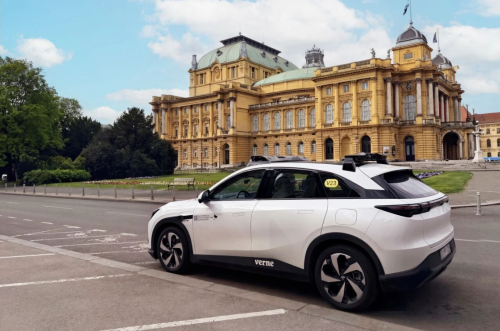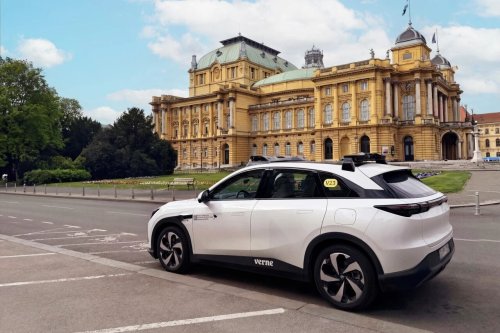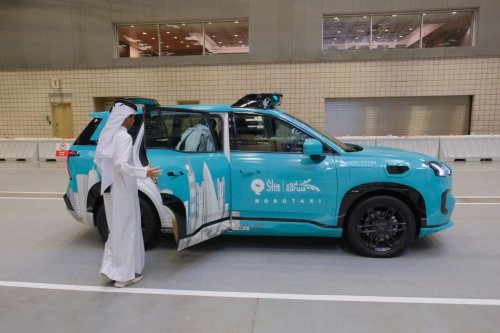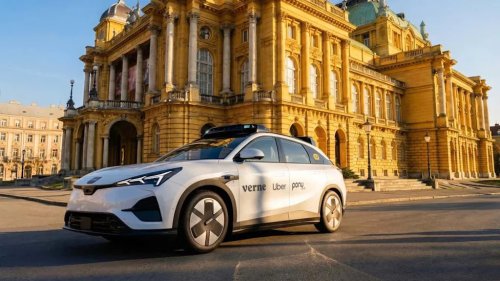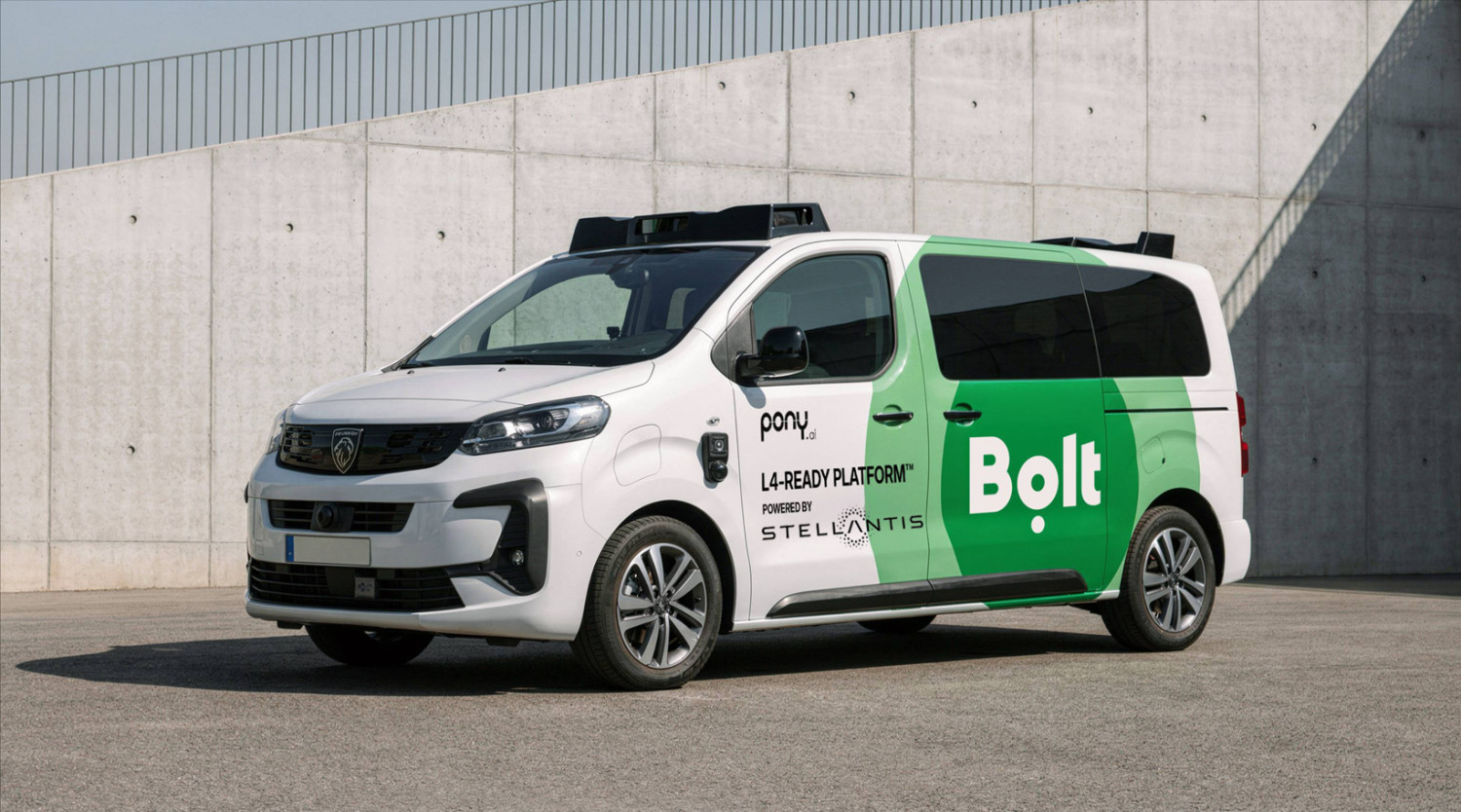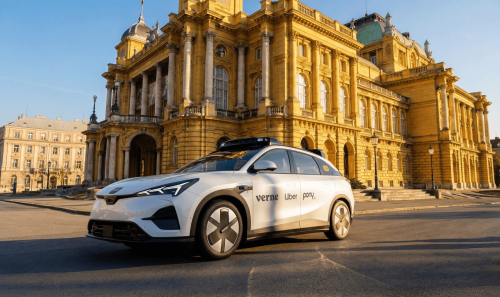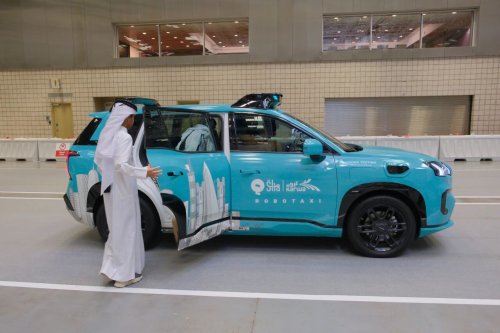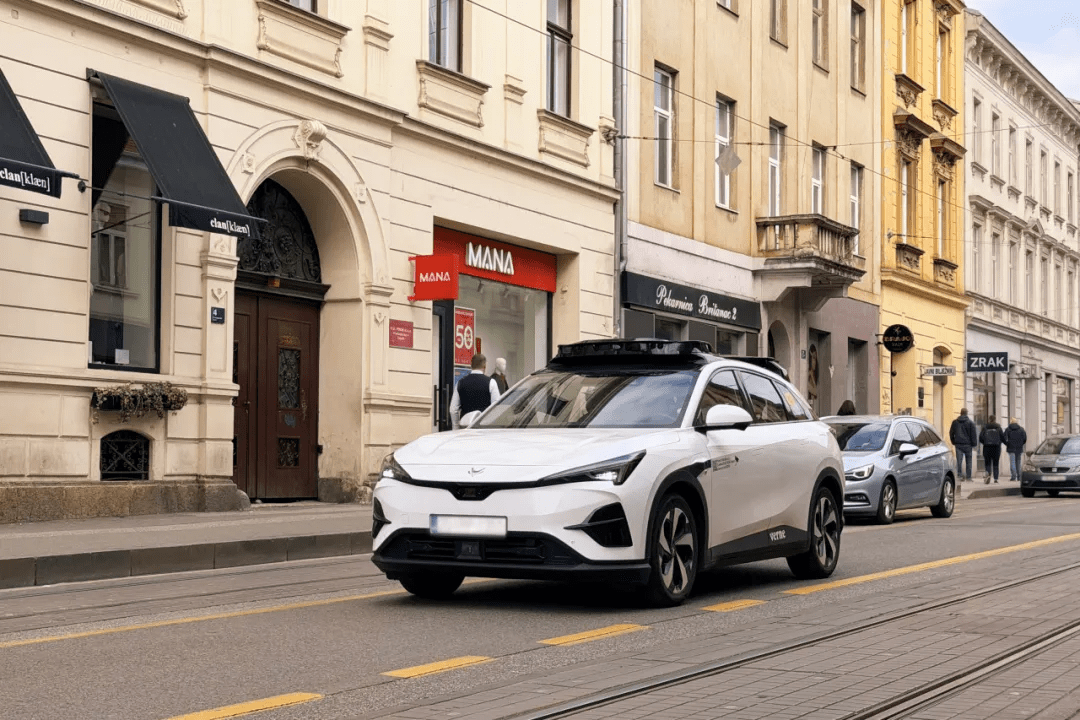




















On April 8, Pony.ai, in partnership with Verne and Uber, launched a robotaxi commercial service in Zagreb, the capital of Croatia. This marks the first autonomous ride-hailing service in Europe open to the general public. Starting immediately, residents in Zagreb can book rides via the Verne app, with integration into the Uber app planned for a later stage. Pony.ai robotaxi in Zagreb In the initial phase, the service covers an area of approximately 90 square kilometers, including central Zagreb and Zagreb Airport. Operating hours are from 7:00 to 21:00 daily, with plans to gradually expand coverage citywide. The launch comes just two weeks after the three parties announced their collaboration. This rapid rollout has been enabled by supportive local regulation and Pony.ai’s operational model for cross-region deployment of its autonomous driving system. The Zagreb project adopts a “joint fleet” model, where Pony.ai provides the autonomous driving system and operational expertise. Pony.ai robotaxi in Zagreb Verne is responsible for fleet ownership and day-to-day operations, while Uber contributes traffic access and a dispatch platform. This model mirrors Pony.ai’s domestic operations. The company has previously achieved unit-level breakeven for its seventh-generation robotaxi in Guangzhou and Shenzhen, laying the foundation for scalable replication. From a global perspective, Pony.ai is accelerating its expansion. In Europe, in addition to Croatia, the company has begun public road testing in Luxembourg. In the Middle East, its robotaxi services have been approved for road testing in the United Arab Emirates and have entered commercial operation in Qatar. In Asia, Pony.ai has launched public road testing in Seoul and passenger-carrying operations in Singapore. According to disclosures during its 2025 earnings call, Pony.ai plans to deploy more than 3,000 robotaxis across over 20 cities globally in 2026, with nearly half of the fleet located in overseas markets.