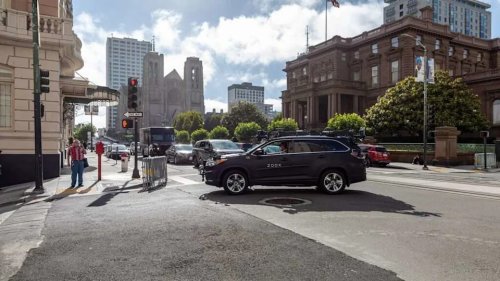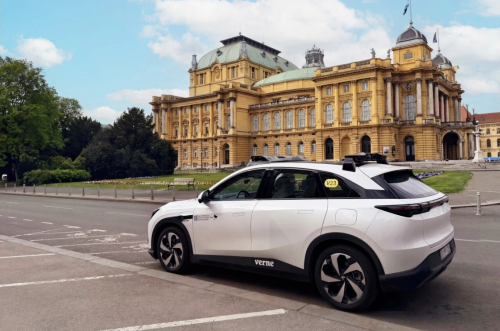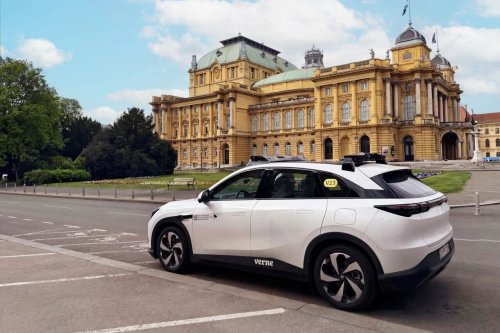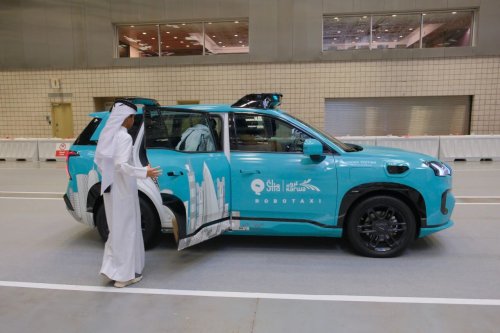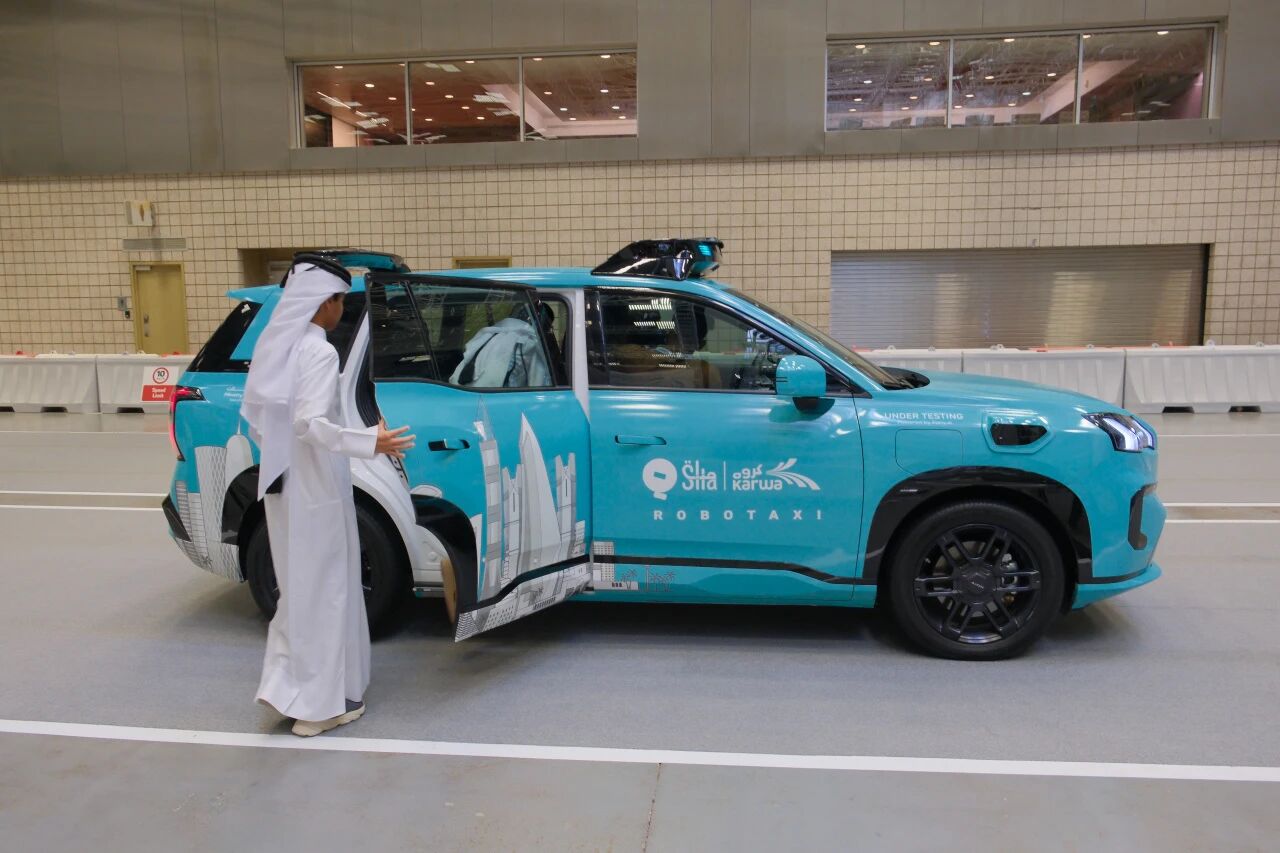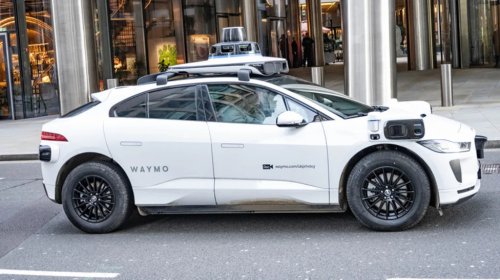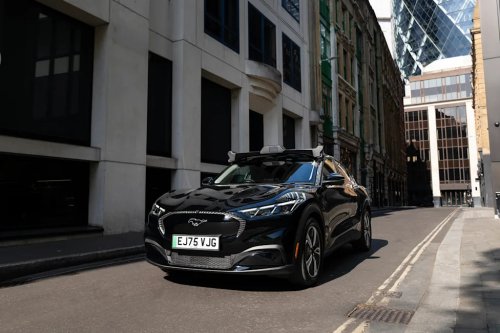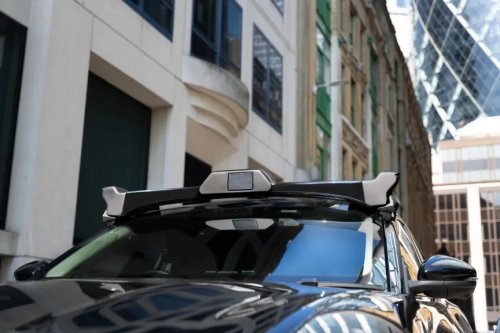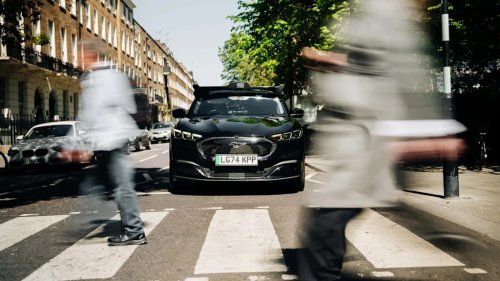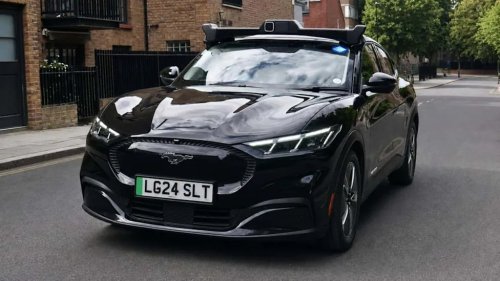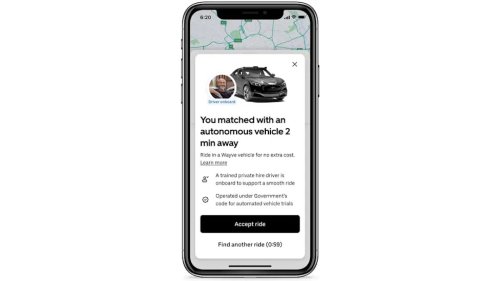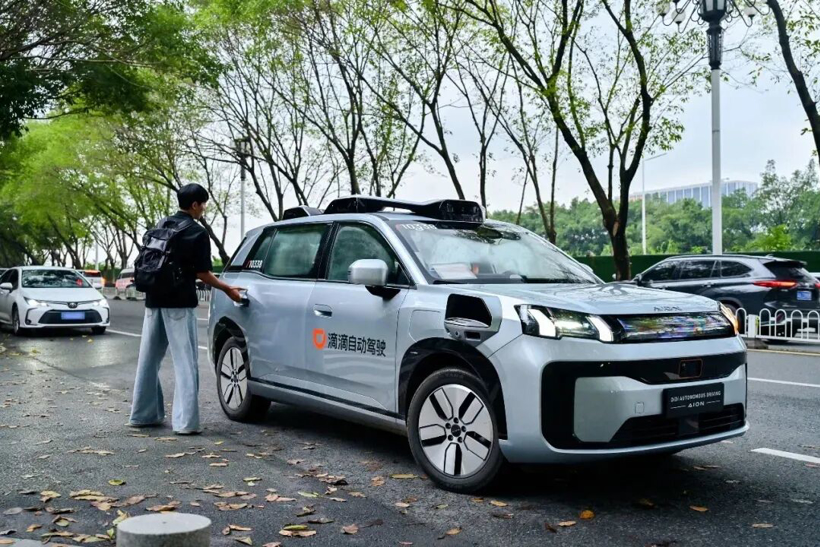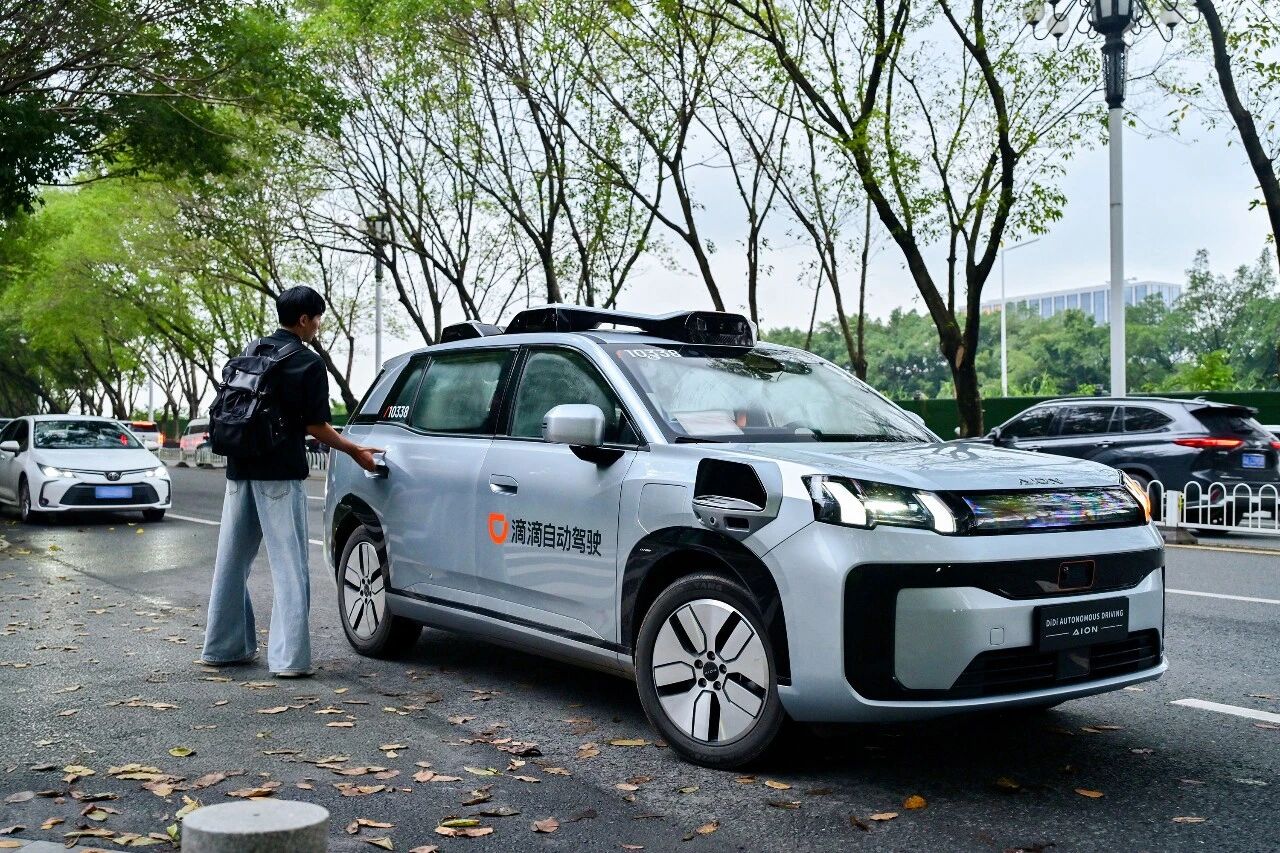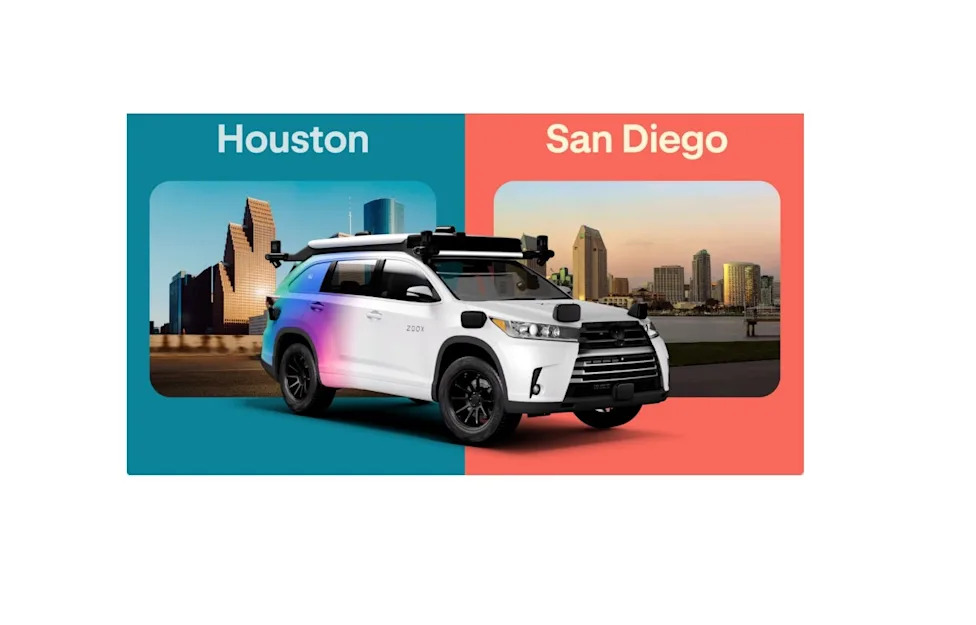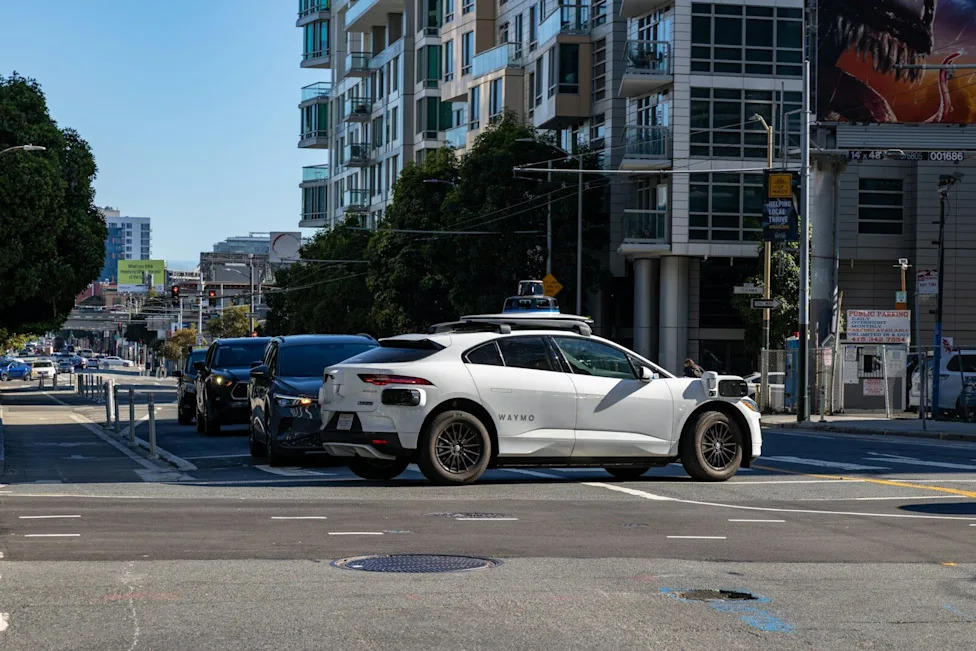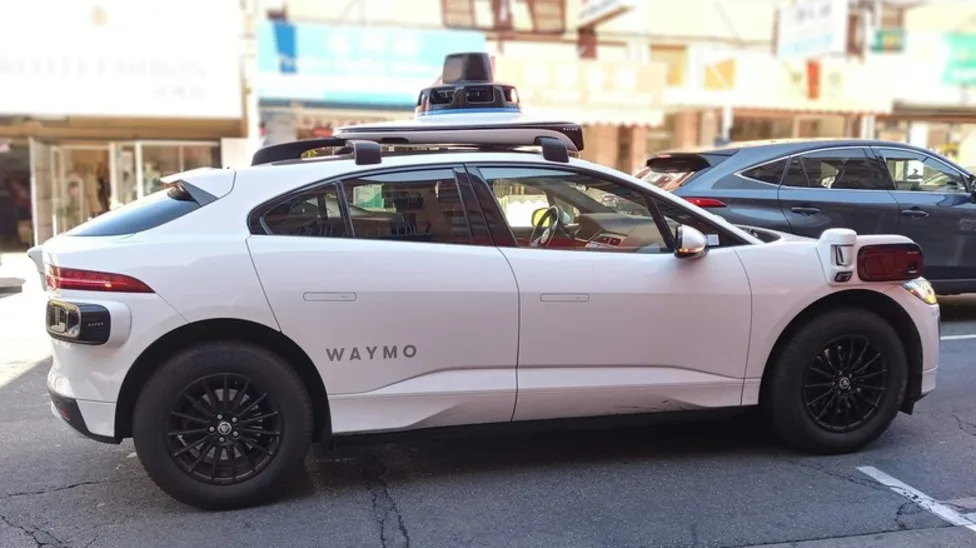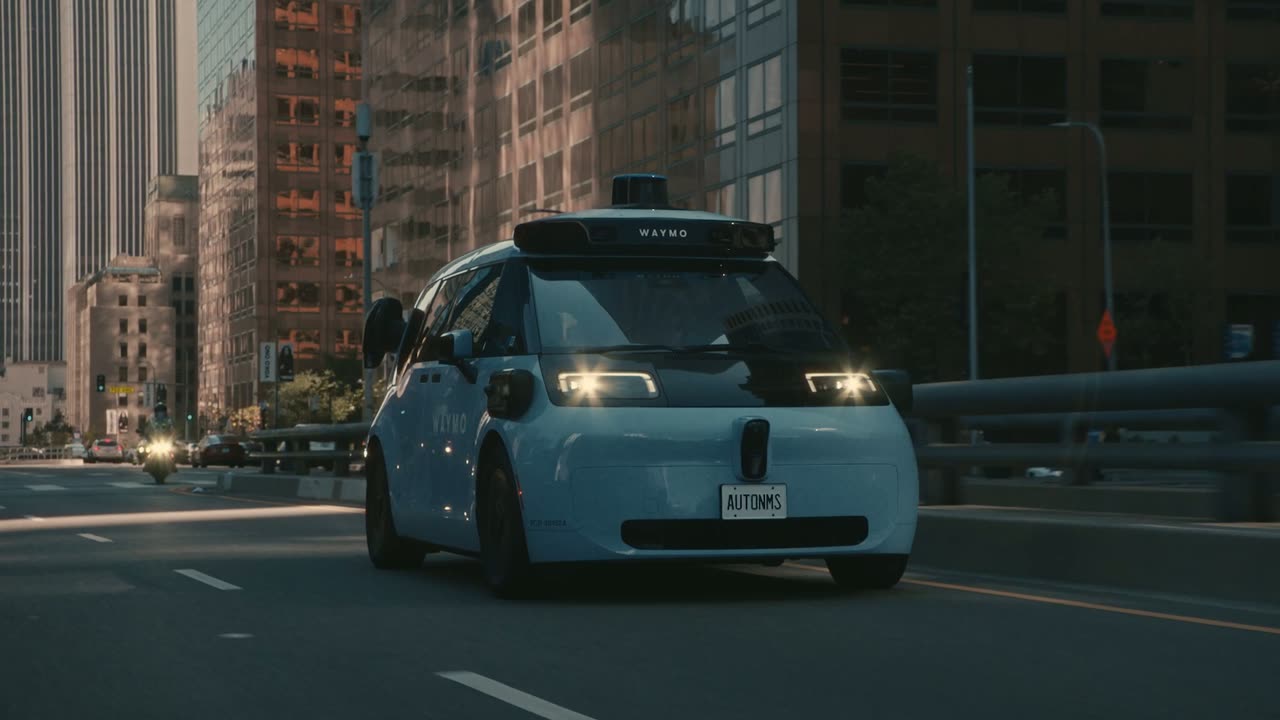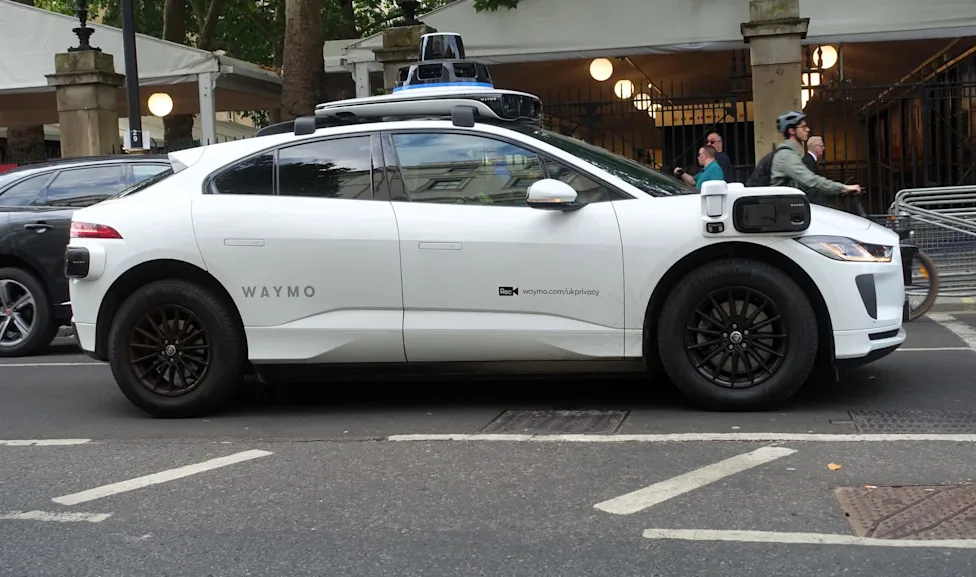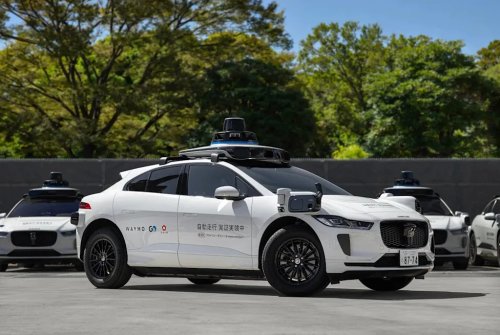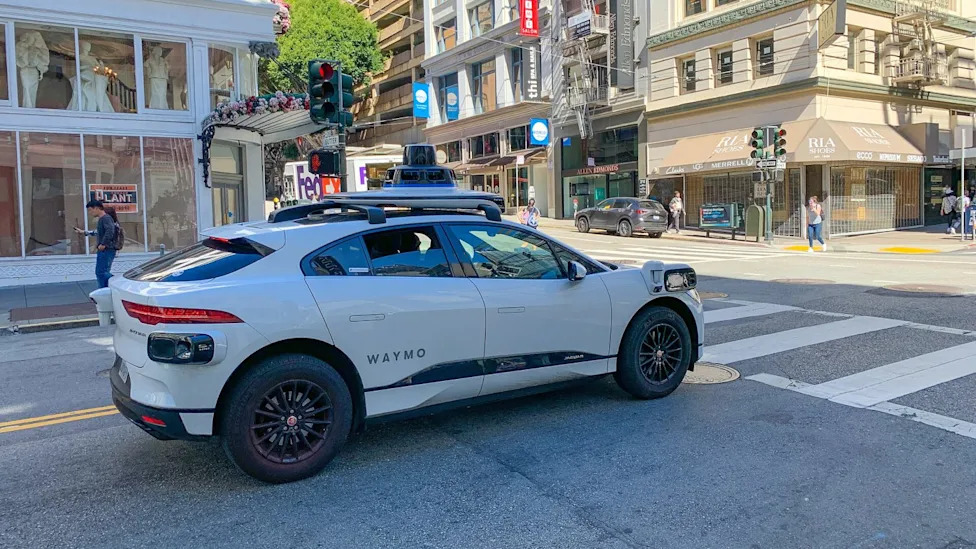



















Image: Wikimedia CommonsMunich is where BMW was born, where automotive engineering is practically a civic religion. So it's fitting that Waymo chose it as its first European Union beachhead. On August 25, 2026, Alphabet's autonomous driving unit announced plans to launch a public robotaxi service in Munich by late 2027 — contingent on approvals it doesn't yet have. If you spot a Waymo vehicle rolling through Altstadt-Lehel or Schwabing-West right now, there's a human behind the wheel. No rides available. That's phase one.The rollout follows the same three-act structure Waymo has used across 11 other cities. First, manually driven vehicles map streets and gather data across districts including Maxvorstadt, Au-Haidhausen, and Ludwigsvorstadt-Isarvorstadt. Then comes supervised autonomous testing with safety drivers aboard — employees and invited guests ride before the public does. Finally, fully driverless rides via app. Level 4 autonomy means the system handles everything under defined conditions with no human backup required — unlike Level 3, where you still need to stay ready to grab the wheel.Here's where things stand right now:AdvertisementAdvertisementWaymo has registered Waymo Germany GmbH in Munich, with filings showing ride-hailing with autonomous vehicles as the stated purposeGermany was the first EU country to create a legal framework specifically enabling Level 4 driverless vehicles on public roadsWaymo does not yet hold a permit from Germany's Federal Motor Transport Authority (KBA), which issues type approvals for Level 4 systemsMobileye and Volkswagen already hold German AV testing permits — they've cleared the bar Waymo is now approachingWhat Munich Residents Get Now, and What Europe Gets LaterThe regulatory groundwork is real, the competition is intensifying, and the 2027 timeline deserves both genuine interest and healthy skepticism.Germany has become, according to TechCrunch reporting, a "hotspot for autonomous vehicle testing" precisely because its regulatory framework exists and functions. That's genuinely rare. Waymo is working with the KBA and local Munich officials to secure what it needs — but bureaucratic clarity doesn't mean bureaucratic speed.The competitive picture makes that urgency sharper. Waymo's London commercial launch is separately planned for 2026, putting it in direct competition with UK startup Wayve and its Uber partnership, alongside Baidu testing autonomous vehicles in London through Lyft and Freenow partnerships, per TechCrunch reporting. The EU robotaxi race looks increasingly like the streaming wars of 2020 — every major player planting a flag, regulatory complexity functioning like content licensing nightmares, and consumers wondering when anything actually arrives on their screen.AdvertisementAdvertisementOne honest sentence: "planned for 2027" in autonomous vehicle timelines has a well-documented history of flexibility.Still, the stakes are real. A successful Munich deployment becomes the template for Berlin, Hamburg, and Stuttgart — and hands EU regulators a concrete reference point for cross-border AV harmonization. That matters beyond one city. Just don't cancel your MVG transit card yet.From the coolest cars to the must-have gadgets, GadgetReview's daily newsletter keeps you in the know. Subscribe - it's fun, fast, and free.