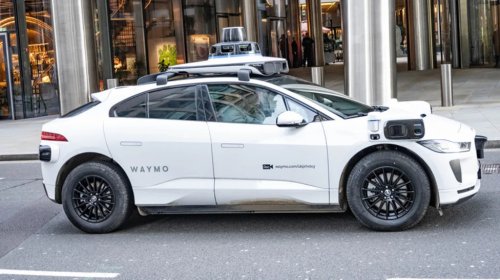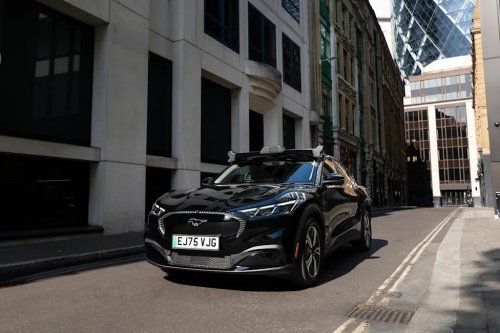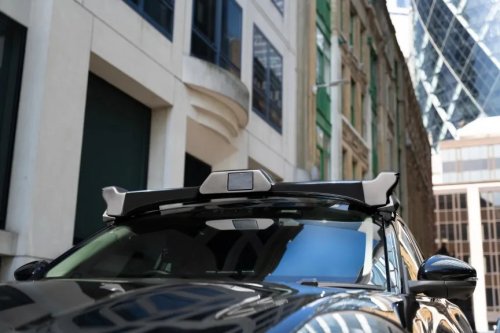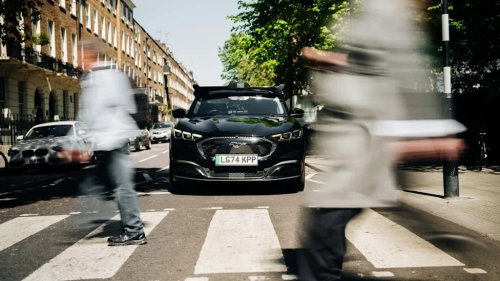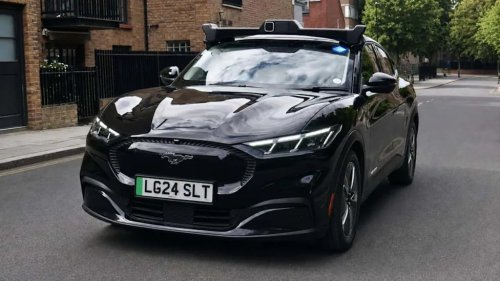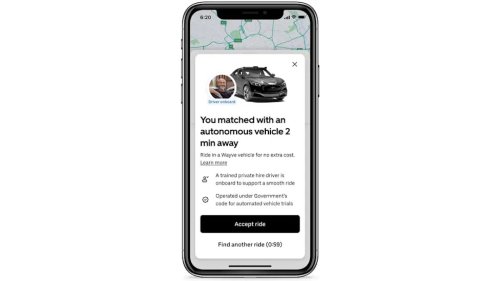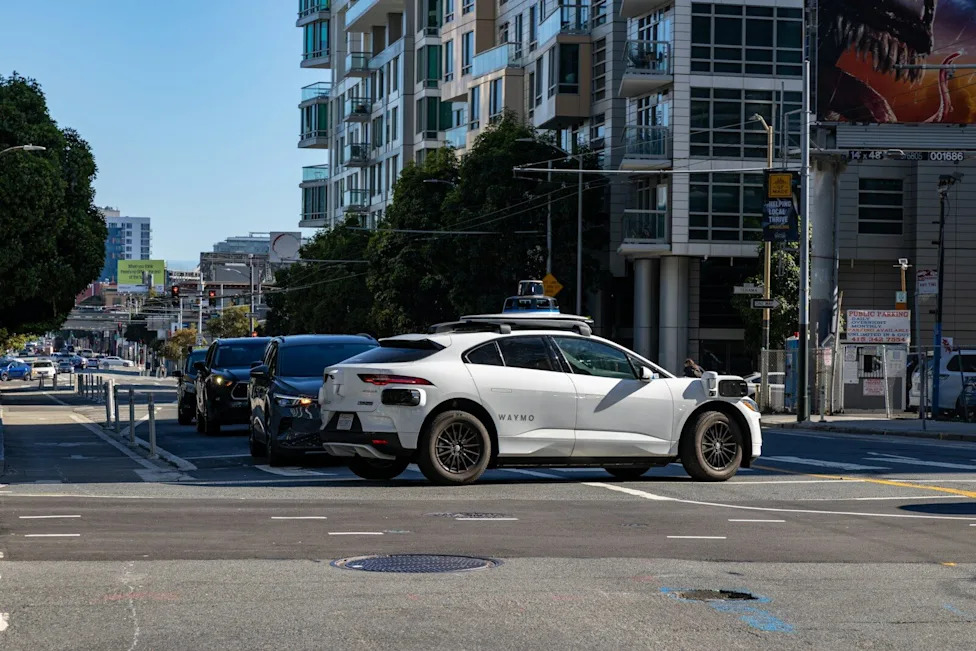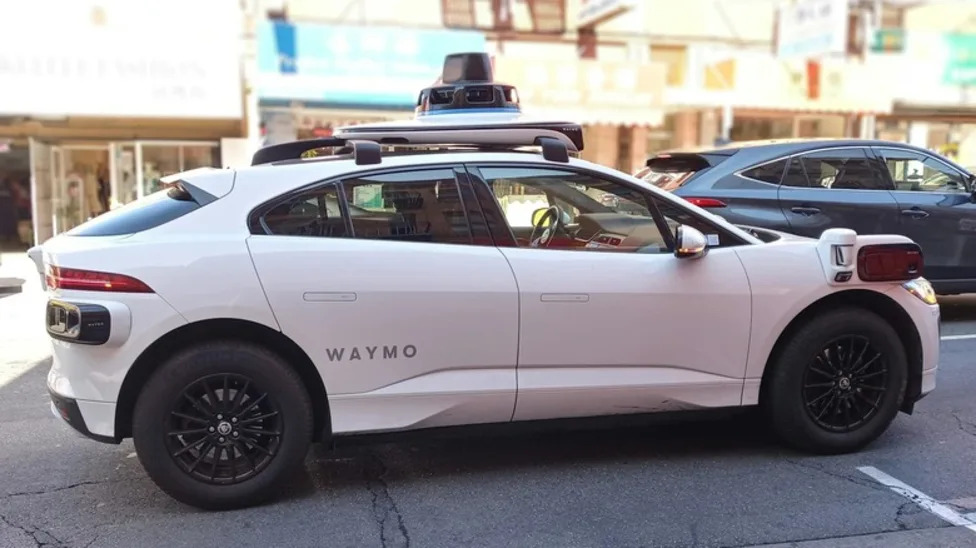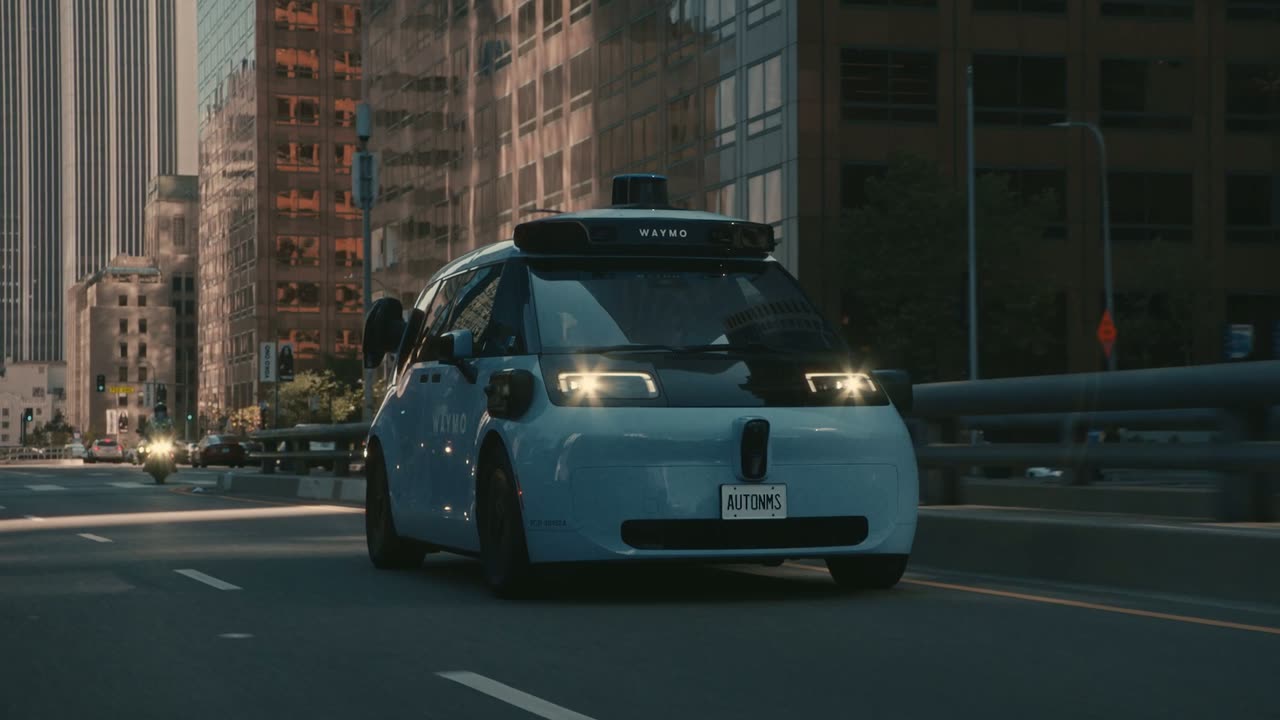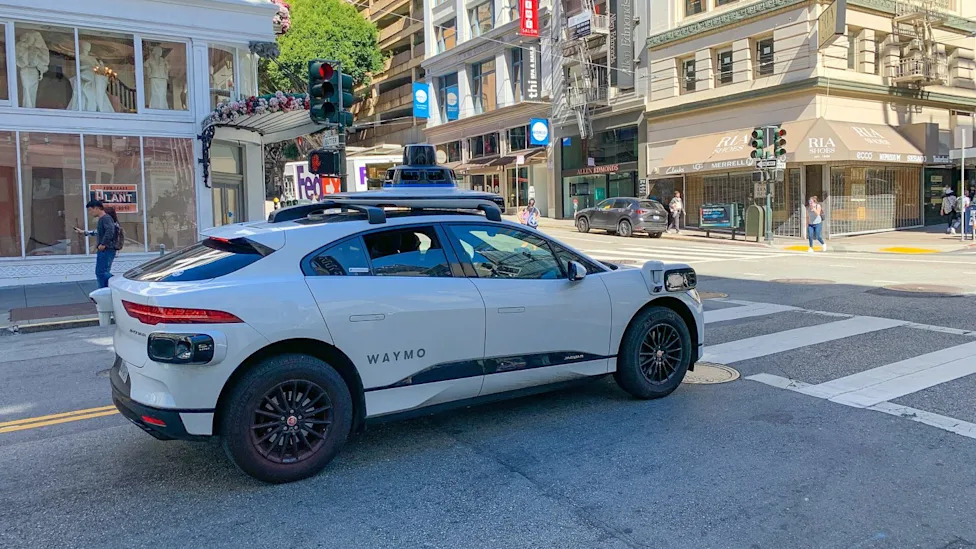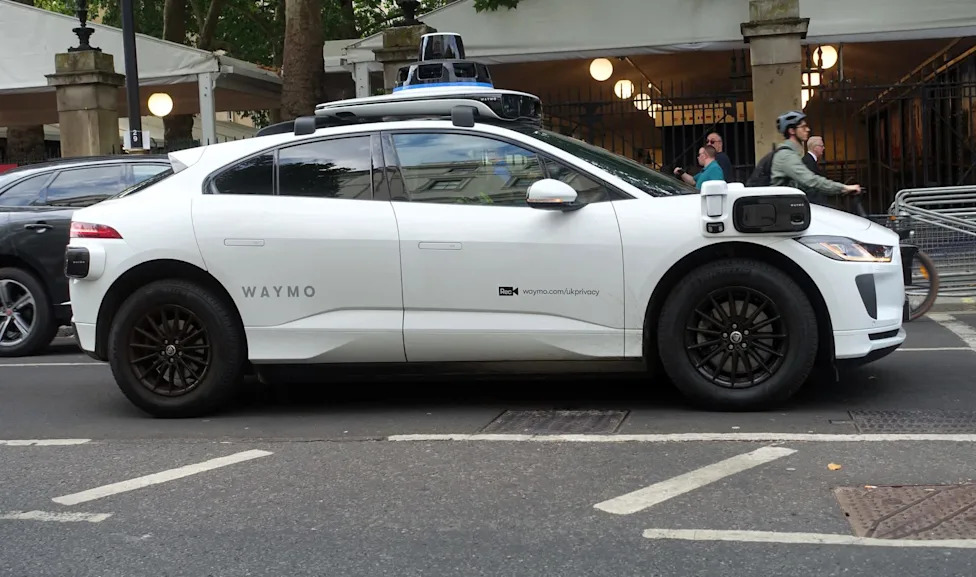



















Photo Credit: iStockWaymo plans to launch a robotaxi service in Munich, marking its first commercial service in the European Union.Here's what to knowWhile public rides are still some time away, Waymo's fully driverless transportation is moving closer to becoming part of daily life in Munich, one of Europe's largest mobility markets.As TechCrunch reported, the Alphabet-owned autonomous vehicle company still needs to map local roads, run vehicle tests, and secure the German approvals required before commercial service can start. Waymo also said it is coordinating with Germany's federal vehicle authority and state and local officials as it works through the approval process.AdvertisementAdvertisementWaymo said it expects to open public ride-hailing in Munich toward the end of 2027. To get there, it plans to use the same multi-stage process it has followed in the 11 cities where it already operates commercially.More backgroundGermany was the earliest EU country to implement Level 4 autonomous driving rules, making it a key market for companies seeking to bring self-driving services to the public. Level 4 autonomy means the automated system handles the driving on its own within defined settings, without assuming a person will step in. It is a step beyond Level 3 systems, which can operate autonomously in limited situations but still require a person to be ready to take over when necessary.Germany has already emerged as a testing hub. KBA data cited by TechCrunch show that firms including Mobileye and Volkswagen have testing permits there. Waymo does not currently have any permits, and many of the approvals already issued in Germany are for Level 3 systems, including permits held by Wayve and Autobrains.If robotaxis expand at scale, they could give residents and visitors another transportation option. In a dense city such as Munich, that could make first- and last-mile trips easier, particularly for people connecting to trains, appointments, airports, or late-night destinations. Munich would give Waymo a foothold in a city where public transit is already strong, but demand for flexible transportation remains high.What's being done?Not quite a public launch, Waymo says wider commercial access would still require regulatory approval. That gradual rollout gives officials more opportunities to evaluate safety, performance, and the service's potential to fit into existing transportation networks. It also allows the company to adapt its technology to local road rules, signage, traffic patterns, and street design before making rides widely available.AdvertisementAdvertisementMunich is not the only overseas market drawing interest. Waymo has also said it aims to launch a commercial service in London in 2026, as TechCrunch reported, where it could compete with Wayve and its partner, Uber. TechCrunch also reported that Baidu has begun testing self-driving vehicles in London through its partnership with Lyft and Freenow.If Waymo clears the necessary hurdles in Germany, Munich could become a closely watched example of how driverless ride-hailing evolves from controlled testing into a real transportation option for everyday use.Get TCD's free newsletters for easy tips, smart advice, and a chance to earn $5,000 toward home upgrades. To see more stories like this one, change your Google preferences here.