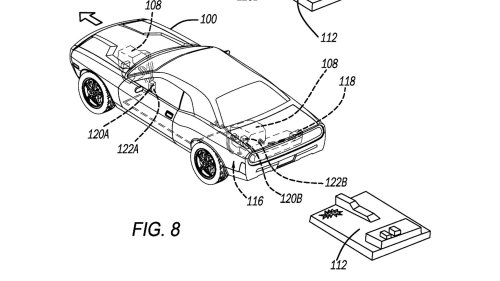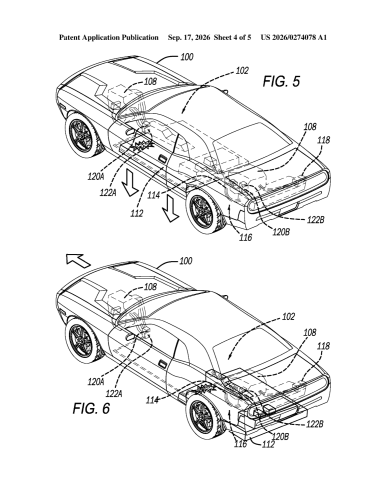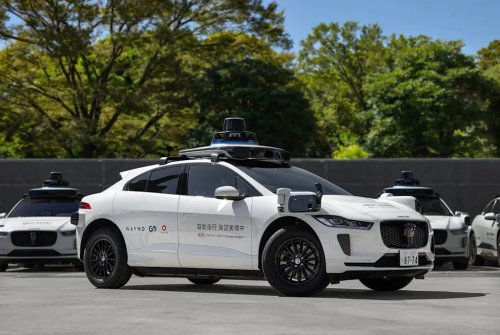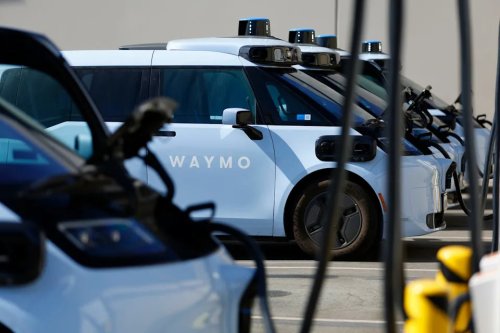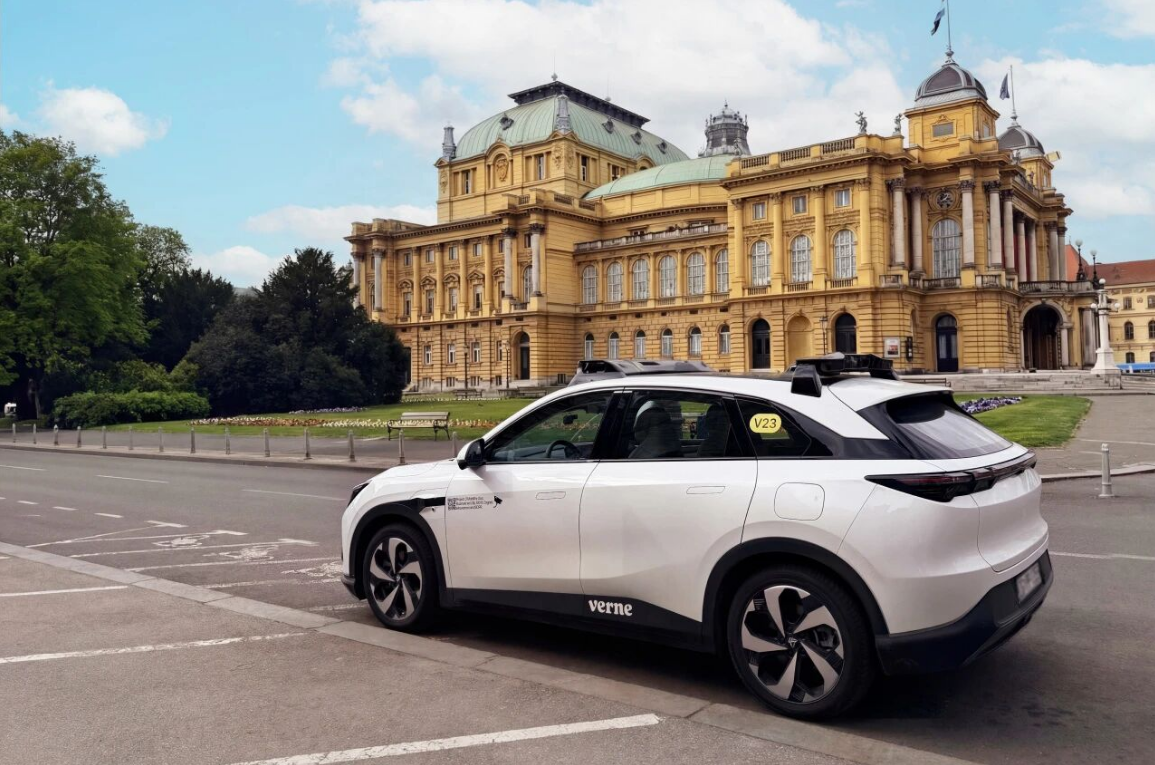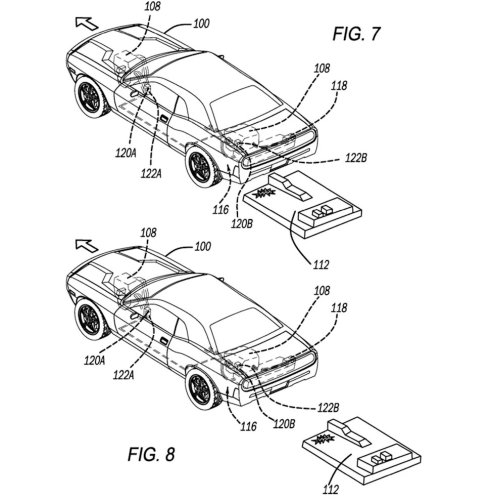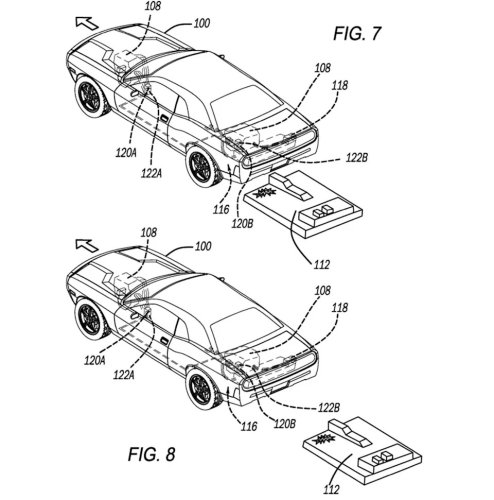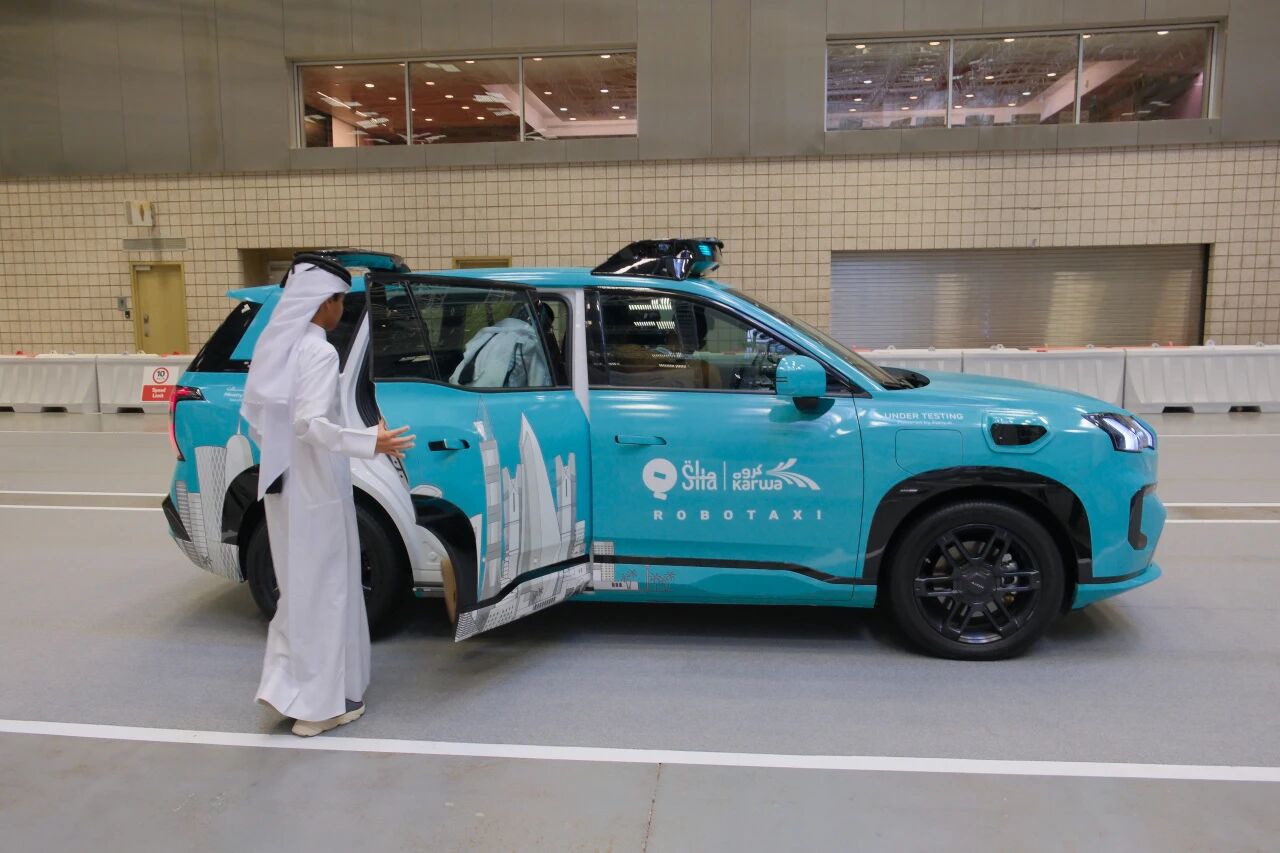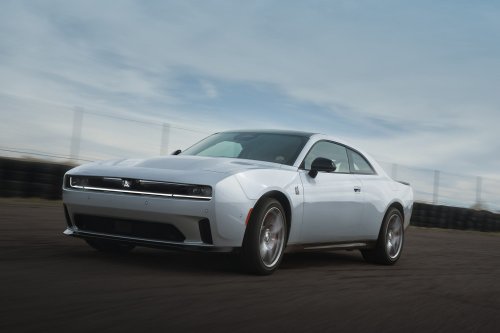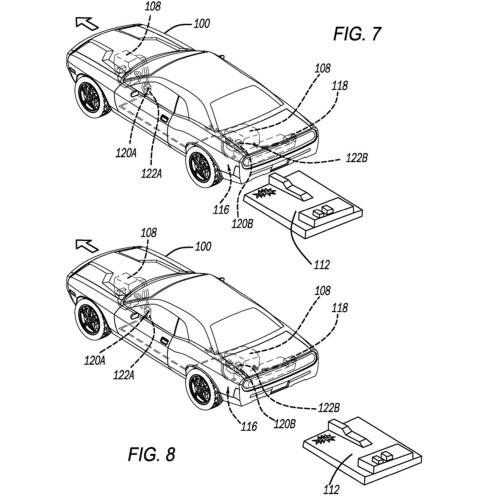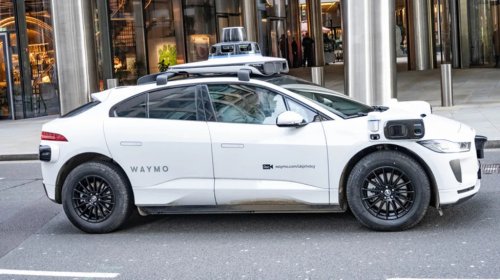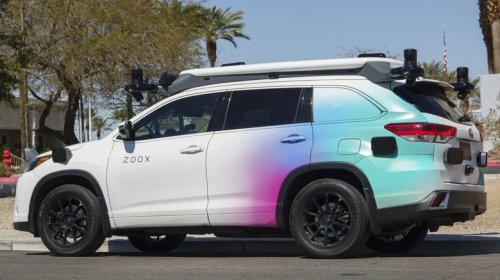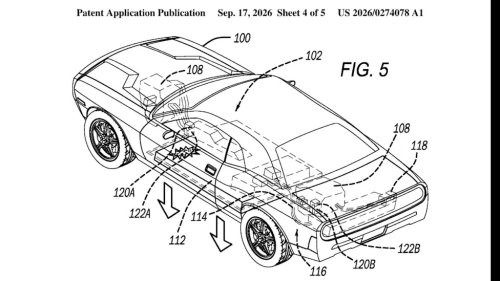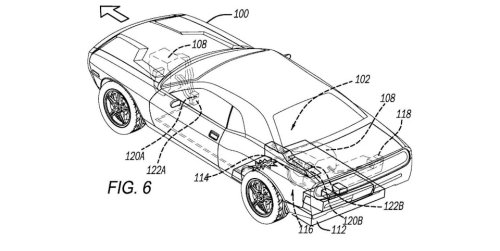



















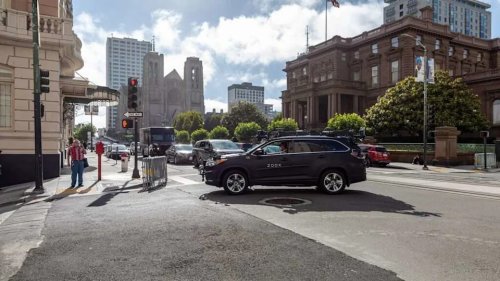
Stellantis Wants to Beam a Hologram Into Your Robotaxi's Driver Seat. Here's What It's Not Telling You.Somewhere in Stellantis' latest patent filing sits an admission the company will never put in a press release: the empty driver's seat isn't an engineering problem anymore. It's a marketing problem. And the fix isn't smarter software — it's a hologram.The filing, first reported by ClubAlfa, describes a system that turns a windshield into a head-up display capable of rendering a synthetic human driver, complete with lip-synced speech, tracked eye contact, and machine-learning-generated facial expressions, for passengers riding in a SAE Level 4 or Level 5 vehicle — the two automation tiers that don't require a human to ever touch the wheel. Cabin sensors track where each occupant is looking, then place the avatar directly in their line of sight, adjusting in real time as heads turn. Riders can reportedly customize the avatar's apparent age, personality, and looks, turning what is legally a driverless car into something that, from the passenger seat, looks a lot like it has a driver after all.That's the headline. It isn't the story.AdvertisementAdvertisementBuried in the same filing is a second mode that only switches on when the car drives outside its operational design domain — the specific streets, weather, and traffic conditions the automated system is actually certified to handle by itself. When the software hits the edge of what it knows how to do, the hologram doesn't get smarter. It gets replaced. The windshield display cuts from a computer-generated avatar to a live video feed of an actual person, sitting in a remote operations center somewhere on the planet, who takes control of the car and starts talking to the passengers directly.The hologram isn't the technology here. The hologram is the costume. The actual technology is a person, potentially thousands of miles away, quietly taking the wheel.Stellantis did not invent the idea of hiding a driver to study how people react to a car that appears to steer itself. Researchers working with Virginia Tech's Transportation Institute spent years running a self-driving van around public roads with a person tucked into a full seat costume behind the wheel, purely to observe how pedestrians and other drivers behaved around what looked like an empty driver's seat. Stellantis' patent is that same trick, run in reverse and updated for the 2020s: instead of hiding the human from people outside the car, it's projecting a fake one for the people inside it.Here's the detail that should interest anyone who has ever argued with an insurance adjuster. Under a true Level 4 or Level 5 system, the human occupant is legally a passenger, not a driver, which is precisely why liability for a crash shifts toward the manufacturer or fleet operator instead of the person in the seat — the whole legal premise regulators are still working out with Amazon's Zoox over its steering-wheel-free robotaxi. But the instant Stellantis' system falls back to a live remote operator, a human being is, functionally, driving the car again, just from a building instead of a driveway. Whether liability in that moment belongs to the software maker, the remote operator's employer, or nobody in particular isn't a settled question anywhere in the world. Stellantis' patent doesn't answer it. It just quietly acknowledges the question exists.AdvertisementAdvertisementNone of this makes Stellantis unusual. Remote human assistance is already a routine, mostly invisible part of how today's robotaxi fleets operate — Waymo has leaned on it, and so did Cruise, before its robotaxi service collapsed. What Stellantis has done differently is patent the interface for hiding that fact from the passenger, a friendly holographic face designed specifically so nobody has to notice the seams. It's worth remembering, too, that automakers patent ideas the way tech companies stockpile trademarks: constantly, defensively, and mostly for concepts that never leave the filing cabinet. Stellantis is simultaneously betting on unproven manufacturing platforms at plants like Belvidere and hedging just about every technology bet it can find. A speculative filing for a holographic chauffeur fits the pattern of a company that would rather own an idea than be caught without it.There's a real hardware problem hiding here too. A holographic display that tracks a moving passenger's eyeline in real time is a genuinely hard optical engineering challenge, which is why GM and Stellantis both put money into a holographic head-up display startup years before this patent surfaced. Whatever eventually ships, if anything does, is far more likely to be a parallax-corrected projection than a true freestanding hologram — but even that requires a bank of interior cameras watching every occupant's gaze, plus enough processing power to render a convincing face without lag. That's more sensors, more wiring, and more calibration points than most cars carry today, in the same category of hardware that has already turned a cracked windshield on an ADAS-equipped car into a four-figure repair instead of a same-day glass swap. A windshield that also has to double as a holographic display will not shrink that bill.A patent filing is not a product, and automakers bury plenty of strange ideas that never make it past the lawyers — Stellantis' own recent patent for underglow lighting is a reminder of that. Stellantis may never build any of this. But patents reveal what a company is actually worried about, and this one suggests Stellantis doesn't think the hardest part of driverless cars is the driving. It thinks the hardest part is convincing you that nobody needs to.The feature everyone will notice is the hologram. The feature that actually matters is the person it's covering for.Join our Newsletter, follow our Instagram page, and connect with us on Facebook.