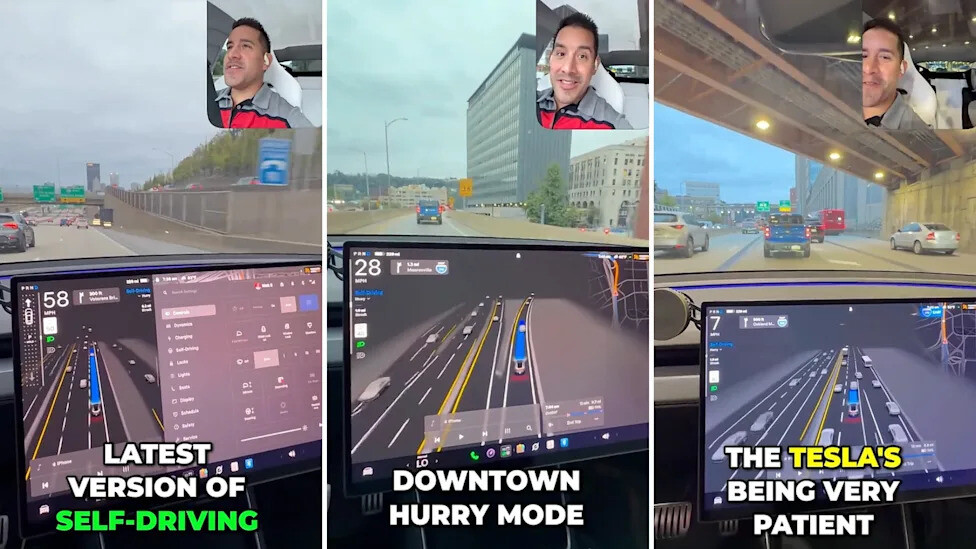
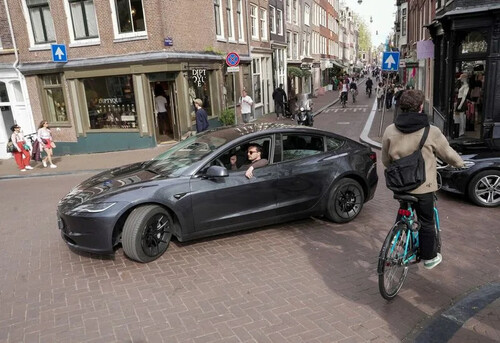
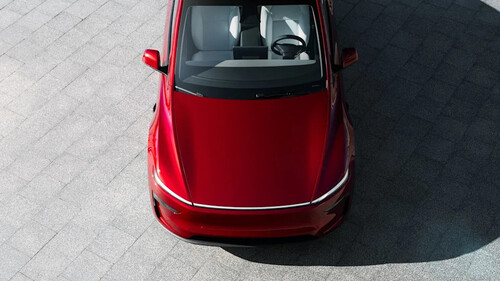
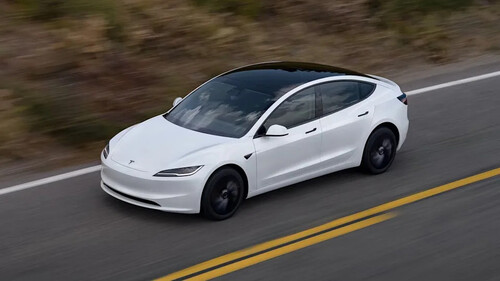
Benjamin Mitchell · 6 months ago@benjaminmitchell71Pony.ai Launches Europe’s First Commercial Robotaxi Service in Croatia Liked by+55 othersPost commentRelated PostsOpen Letter to Elon Musk: You Have a Moral Imperative to Get All Your Tesla EV Customers Using Full Self DrivingClaire Pelletier · 19 days agoMusk admits Tesla Robotaxi struggles to see pets at night. Lidar doesn'tSophie Hall · 20 days agoTesla's FSD 14.3.10 hits downtown rush hour, and 'hurry mode' stays surprisingly patientMason Green · 20 days agoAutonomous Self-Driving Trucks Have Begun Hitting California HighwaysCarter Bouchard · 21 days agoBelgian test finds Tesla FSD sped through 20 mph zones, tried illegal cyclist passesAudrey Fortin · 21 days agoQuestion of the Day? Have You Changed Your Mind About Self-Driving Cars? 98 · Connor Anderson · 23 days agoVLA 2.0 vs. FSD in Amsterdam — Part 3: Comparing XPENG & Tesla 61 · Benjamin Johnson · 23 days agoShocking Viral Video Compiles Clips Of Several Self-Driving Waymo Cars Failing To Drive Safely 16 · Sophie Macdonald · 23 days agoTesla Robotaxi fleets are the new crypto treasury for zombie companies 79 · Kaitlyn Anderson · 23 days agoVLA 2.0 vs. FSD in Amsterdam — Part 2: Tesla Model 3 51 · Emily Roy · 24 days agoNHTSA Is Probing An Aftermarket Self-Driving Device After Three Deaths 43 · Chloé Lewis · 25 days agoTesla's European FSD Vote Is On Hold 18 · Matthew Gagnon · 25 days agoTesla Lawsuit Claims Autopilot Accelerated So Violently the Tires Burst 87 · Caleb Girard · 25 days agoMazda’s Electric SUV Gains LiDAR Self-Driving Tech For Under $22k 89 · Kayla Brown · 25 days agoTesla's Model Y Launch Series sells out in the US as buyers chase FSD and Model 3 slots vanish 55 · Annabelle Smith · 25 days agoXPENG VLA 2.0 vs. Tesla FSD in Amsterdam — Part 1: XPENG L03 26 · Gabriel Young · 25 days agoA 12-day Oregon and Washington Tesla rental sold them on FSD and a Model Y of their own 61 · William Hall · 26 days agoZoox’s Robotaxi Is All-Electric. The SUVs Teaching It to Drive Still Have Tailpipes. 50 · Amélie Brown · 26 days agoTesla Full Self Driving Unsupervised Soon? And Further Conversations with Ara (the Grok AI Bot) 75 · Amelia Tremblay · 27 days agoBelgian Group Says Tesla FSD Misreads Speed Limit Signs 28 · Daniel Green · 27 days ago


 +55 others+55 others
 +55 others