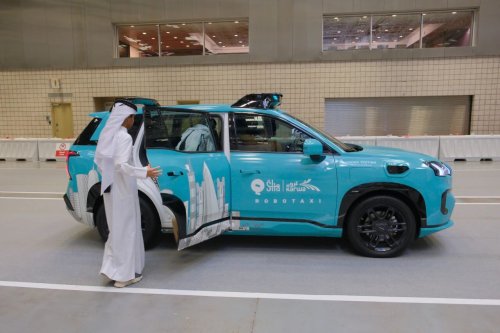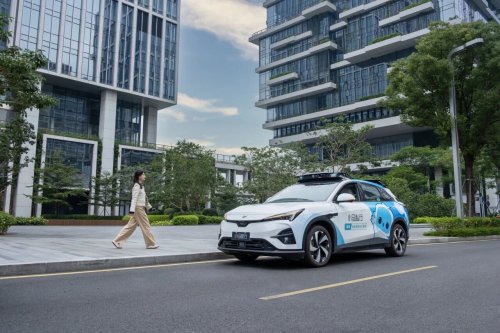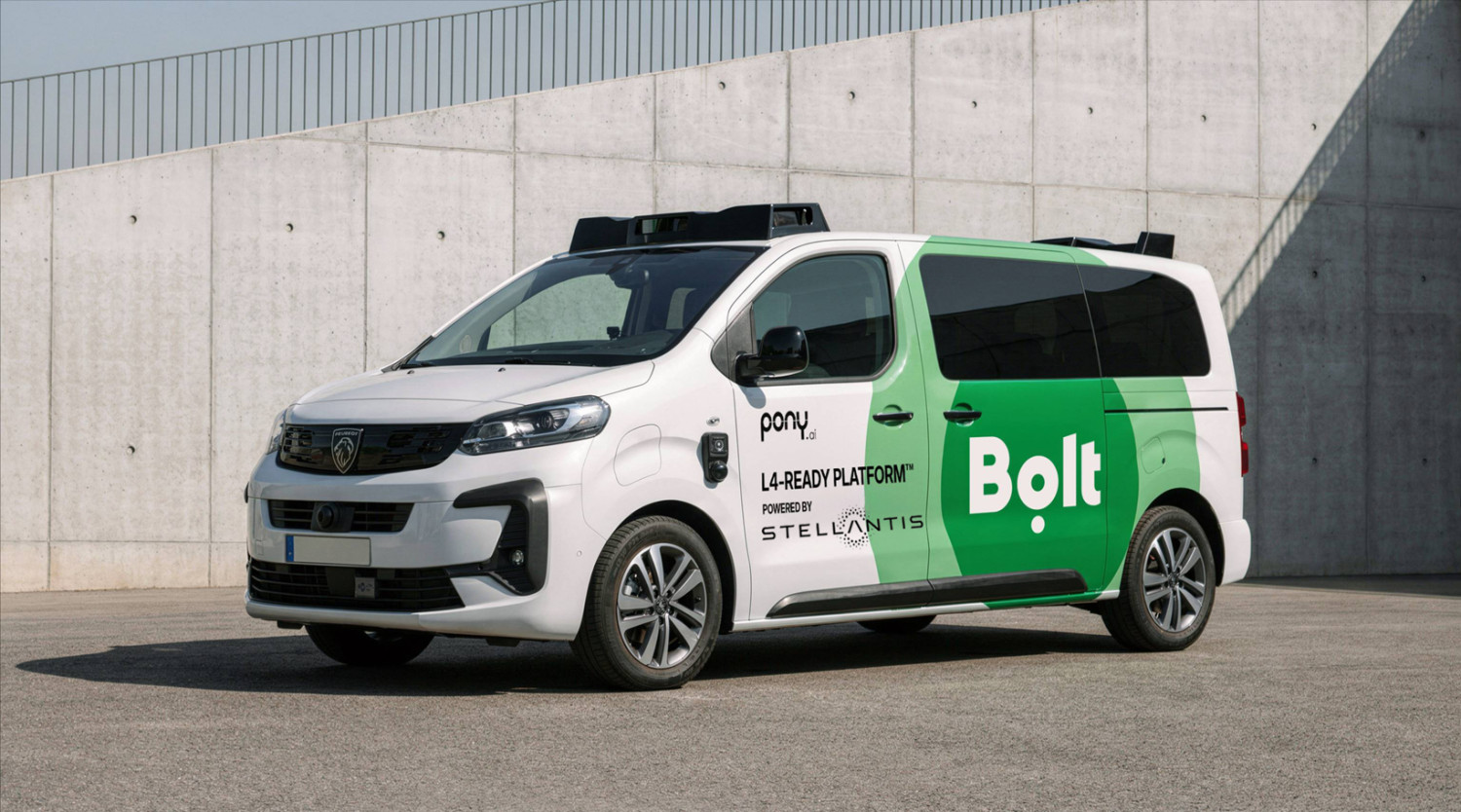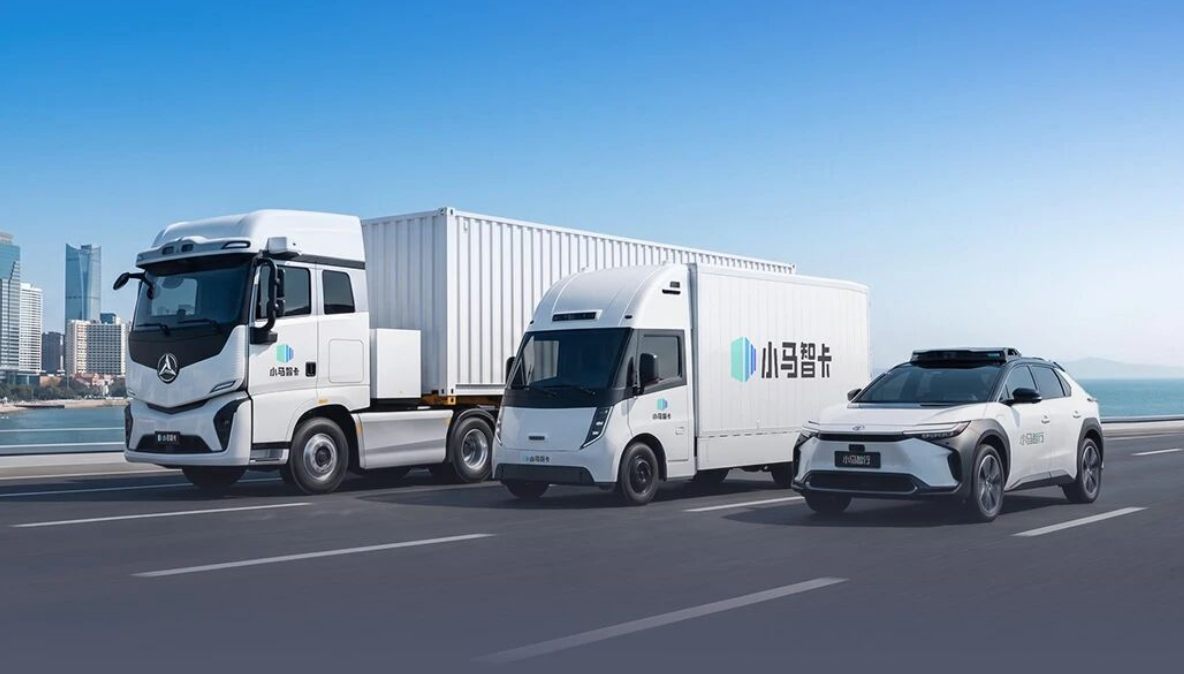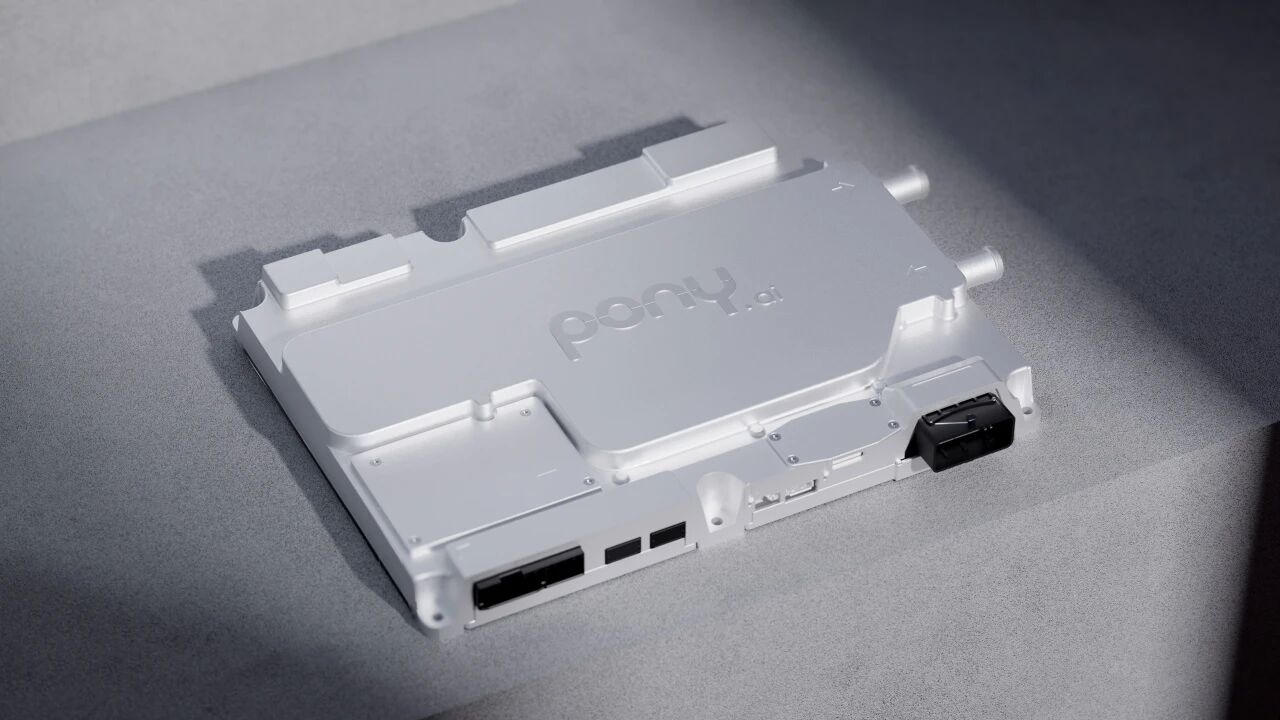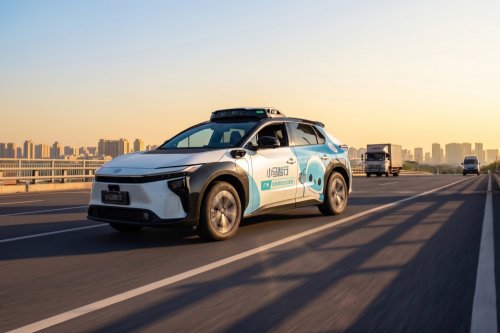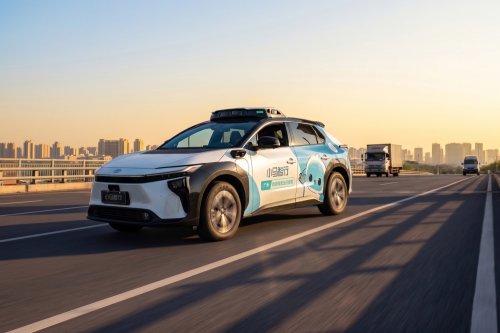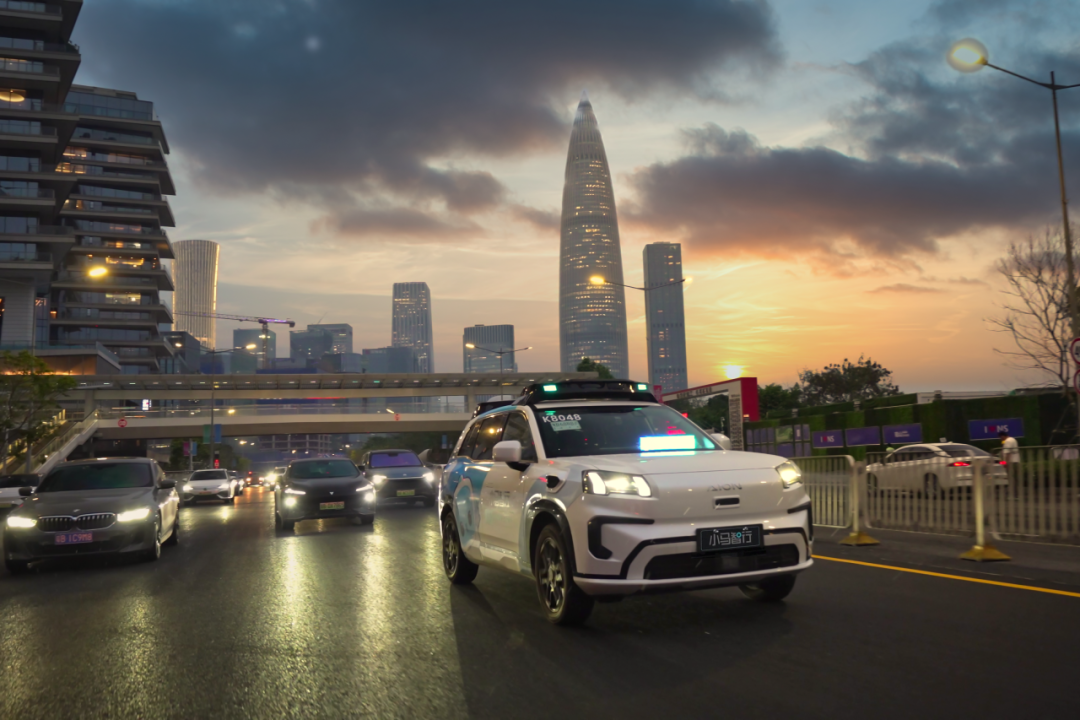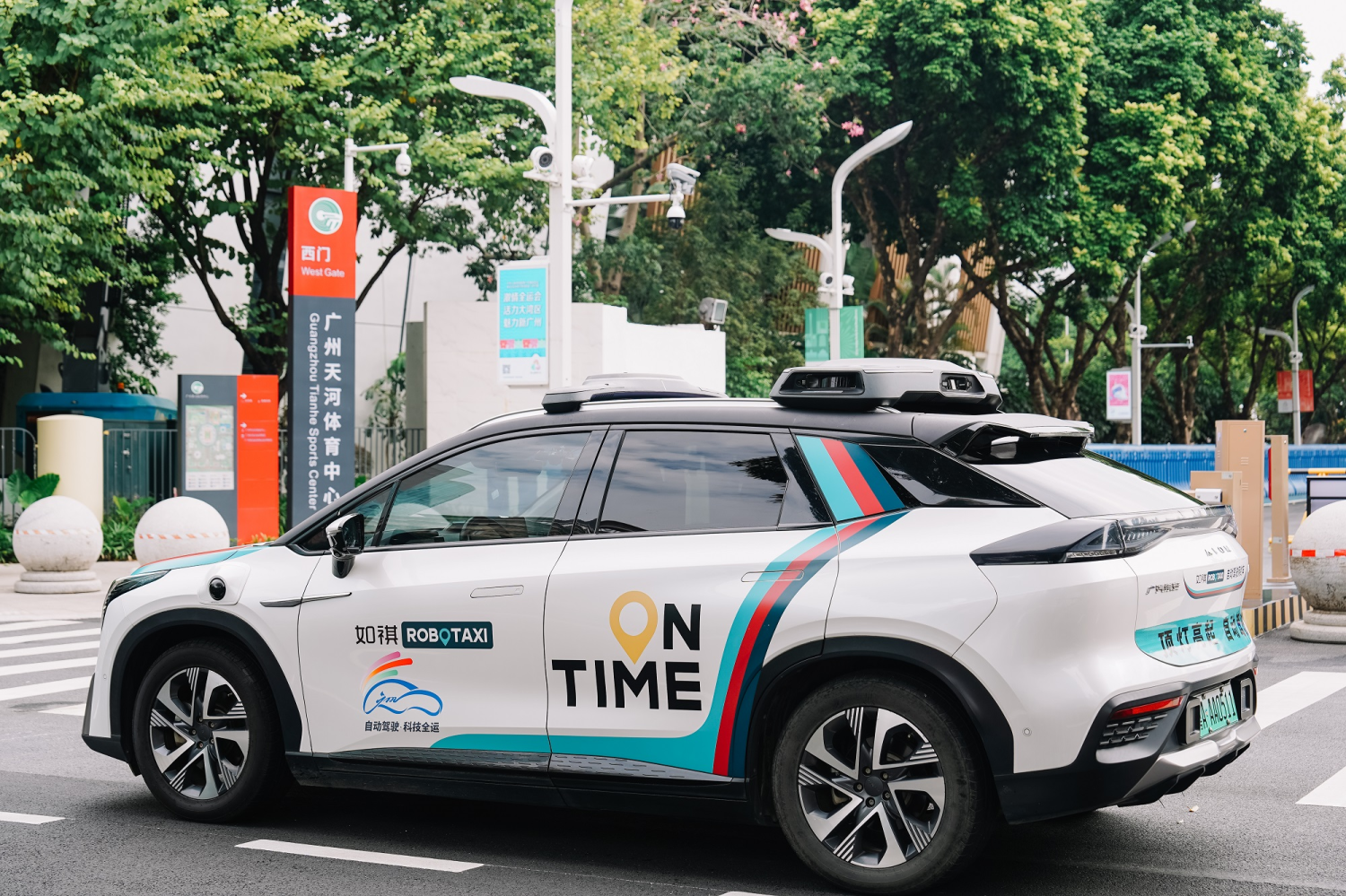
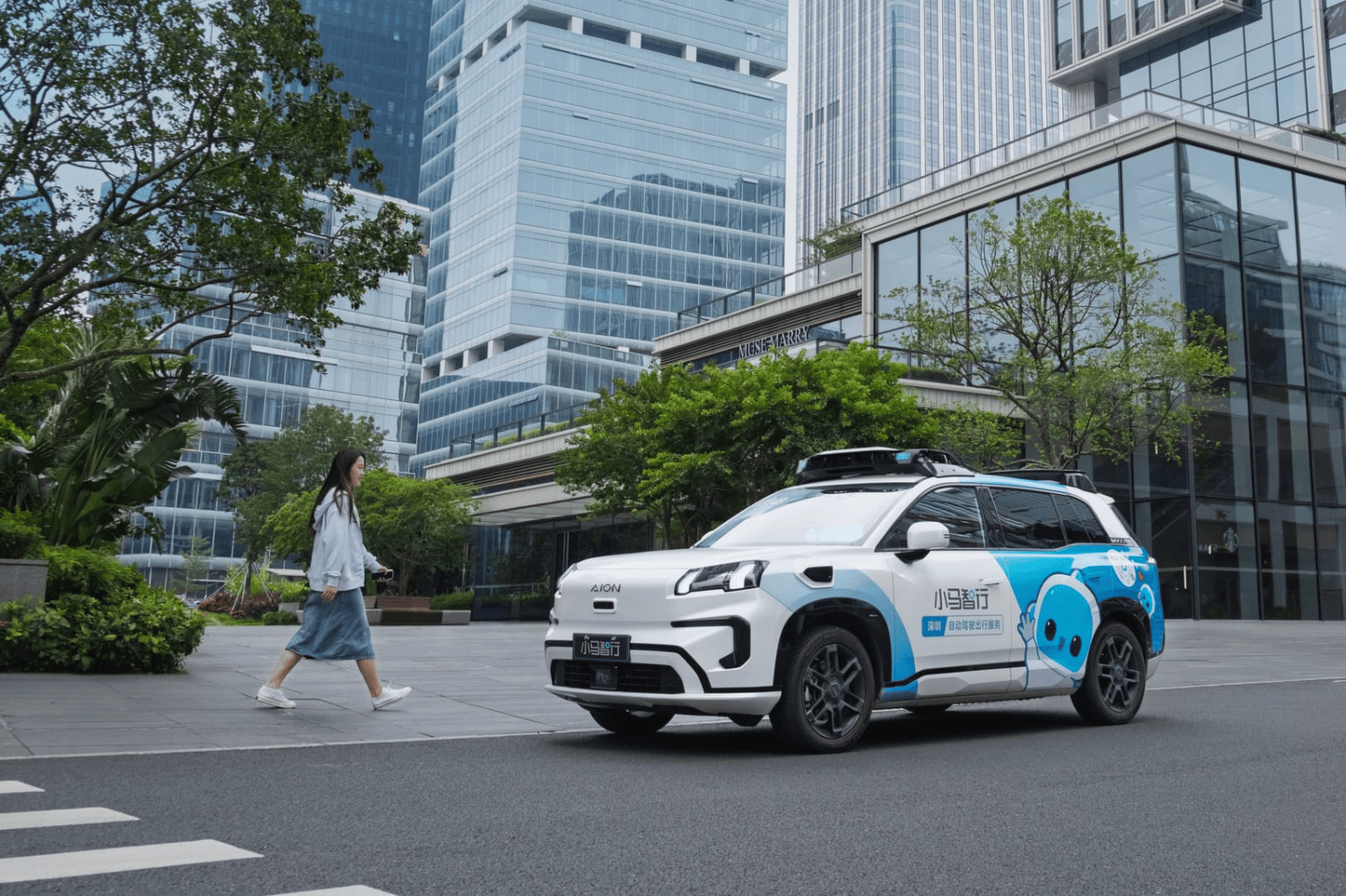
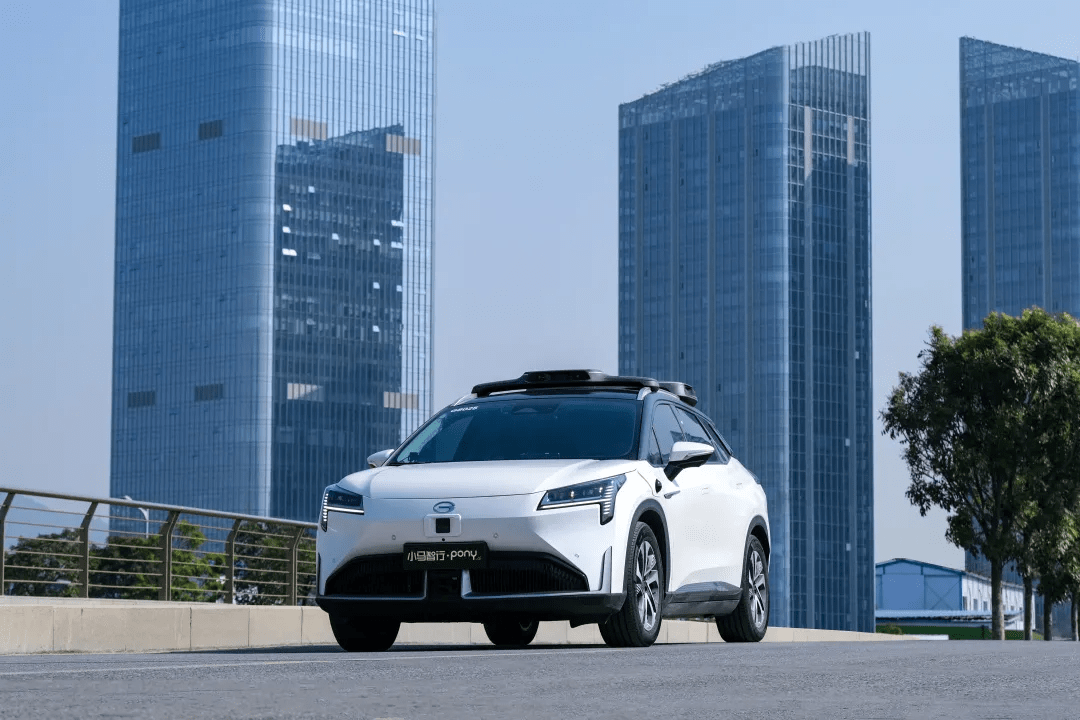



















The Gen-7 Robotaxi has achieved positive per-vehicle profitability in Guangzhou and Shenzhen. On March 19, Pony.ai delivered the first batch of more than 100 Robotaxis to GAC-backed ride-hailing platform Chenqi Mobility. The vehicles, built on GAC Aion platforms and equipped with Pony.ai’s seventh-generation autonomous driving system, have been integrated into the Chenqi platform and are being gradually deployed into operation. Under the new cooperation framework, Pony.ai will focus on the development and iteration of its core autonomous driving technology, described as the “virtual driver,” monetizing it through a usage-based fee model. Chenqi Mobility Robotaxi Chenqi Mobility will take responsibility for fleet asset ownership, safety assurance, vehicle dispatching and platform operations. From a product perspective, the seventh-generation Robotaxi is designed to balance cost efficiency and operational readiness. The vehicle adopts automotive-grade components with a designed lifespan of up to 600,000 km, while the cost of the autonomous driving kit has been reduced by approximately 70% compared with the previous generation. On the user experience side, new features include Bluetooth unlocking, voice interaction and pre-conditioning of cabin temperature before trips. Acceleration and deceleration logic has also been optimized to improve ride comfort. More critically, unit economics are approaching sustainable levels. The seventh-generation Robotaxi has achieved positive per-vehicle profitability in Guangzhou and Shenzhen. As of February 28, average daily orders per vehicle stood at around 23, with average daily net revenue reaching RMB 338 ($49.18). The partnership between Pony.ai and Chenqi Mobility dates back several years. Since 2022, the two companies have conducted normalized operations in Guangzhou. Aion LX Plus equpped with Pony.ai’s sixth-gen autonomous driving system The previous-generation model based on the Aion LX Plus completed mixed-traffic testing certification and enabled scaled deployment in the Greater Bay Area. Data shows that by the end of 2025, Pony.ai’s Robotaxi fleet had reached 1,159 units, exceeding its target of 1,000 vehicles. According to prior plans, the company aims to expand its fleet to 3,000 units in 2026 and further scale to 100,000 vehicles by 2030.