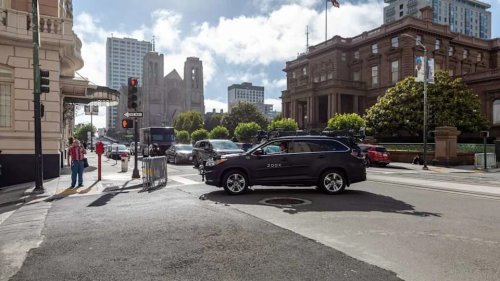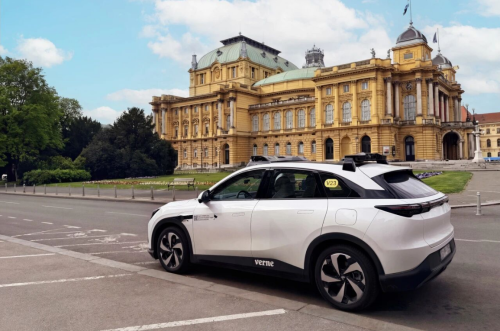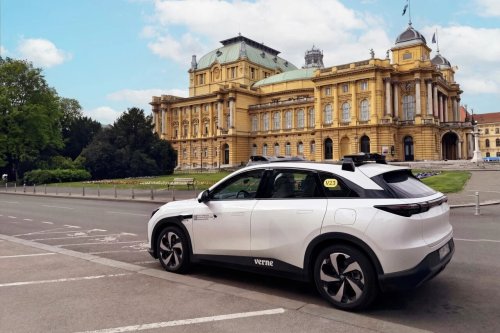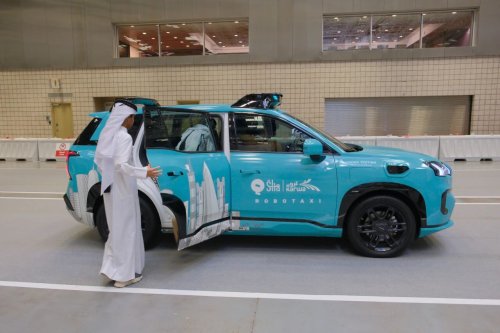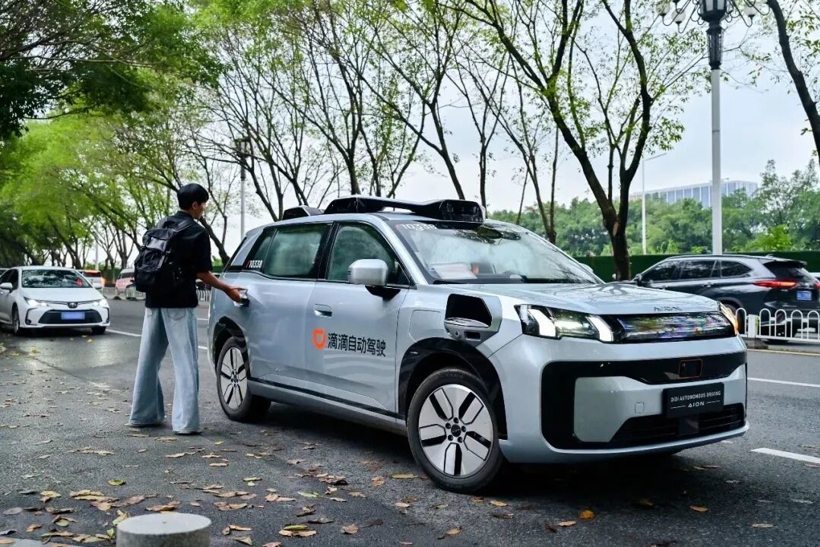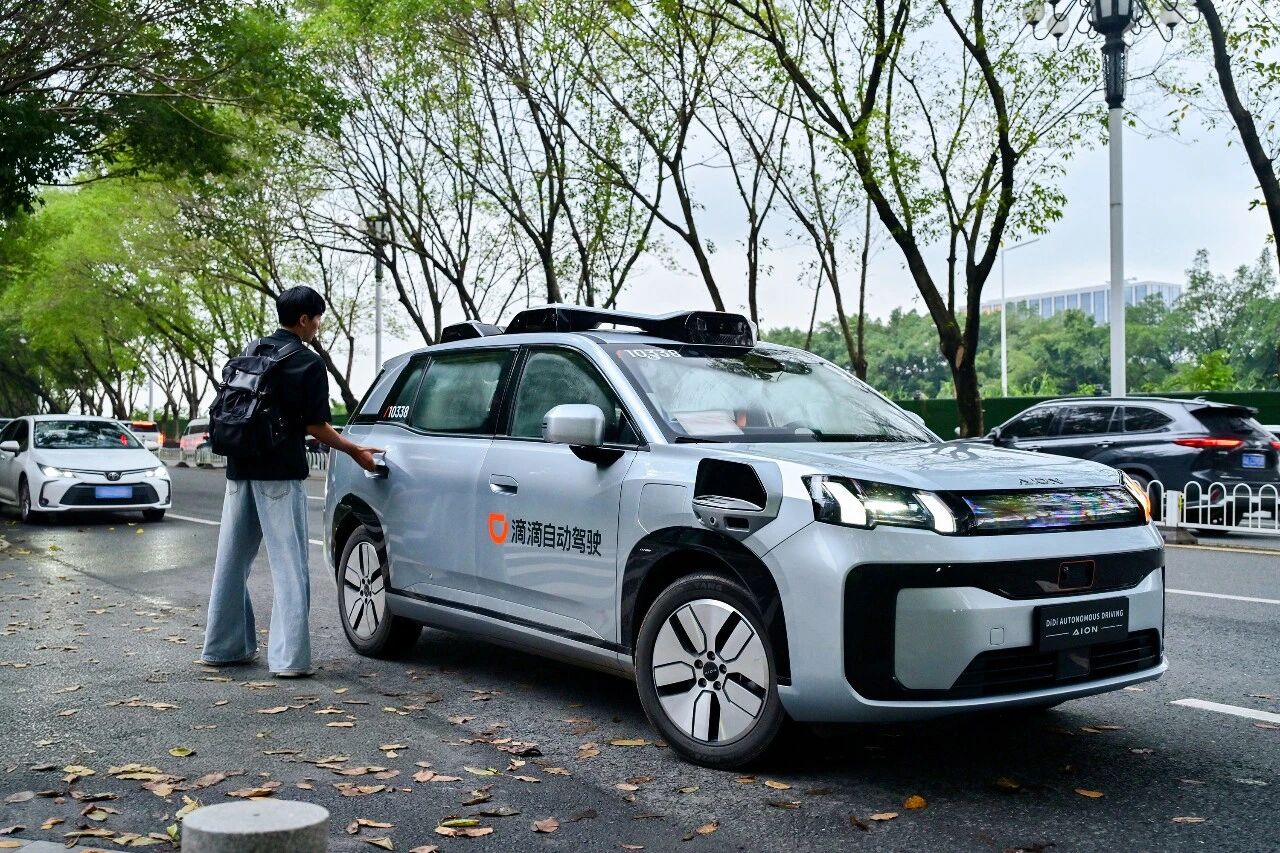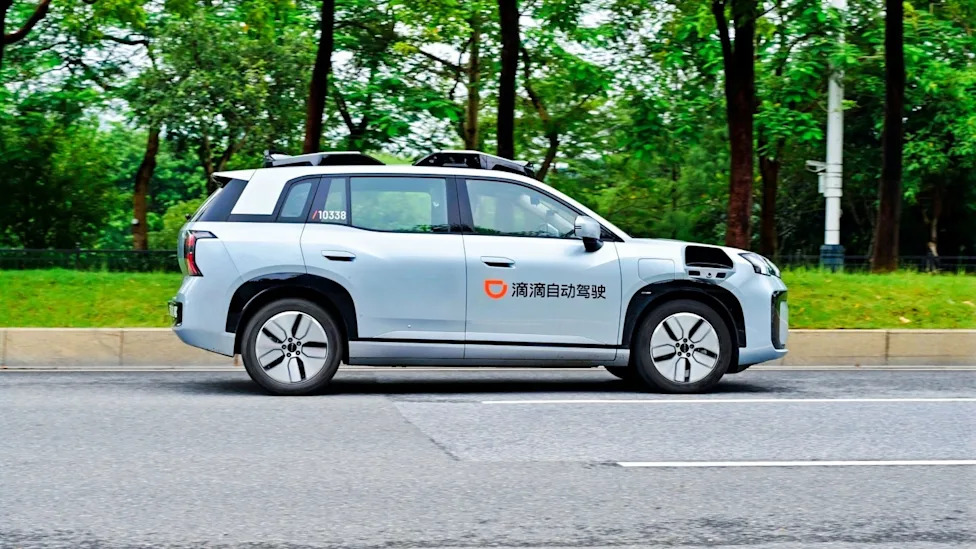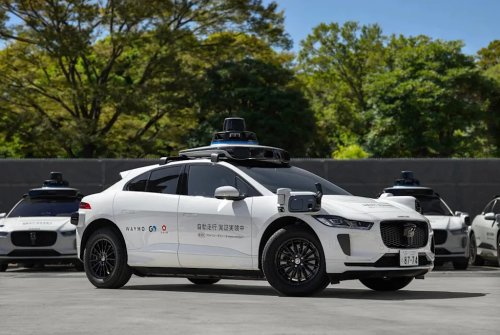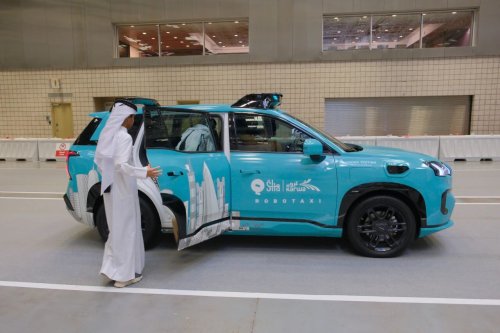
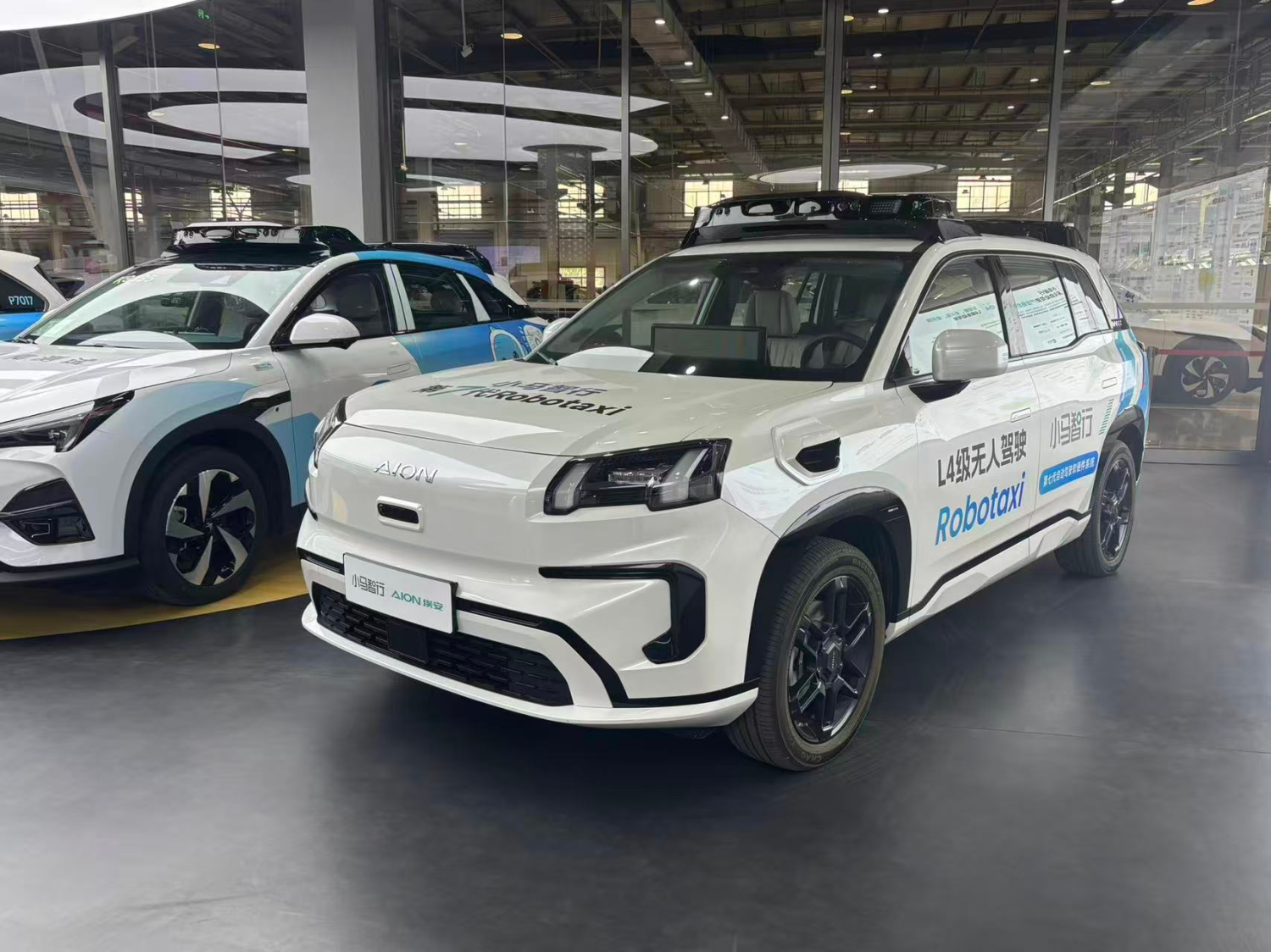



















The Aion N60 equipped with the WeRide WRD 3.0 solution. Credit: QQ Understand China EV’s Market Real-time notifications when critical EV data is released All important data in one place 2,000,000+ data points Become a member China’s autonomous driving sector is currently navigating heightened regulatory scrutiny following a major operational disruption involving Baidu’s Apollo Go in Wuhan on March 31, 2026, when nearly 100 vehicles suddenly ceased operations. Despite this “cooling-off” period, which has restricted the deployment of new vehicles, leading Robotaxi companies are maintaining their expansion targets while calling for a more nuanced, performance-based approach to government oversight. Continued fleet expansion Data released in May 2026 highlights that despite the regulatory headwinds, industry leaders remain committed to scaling their operations. Pony.ai reported that as of May 24, its global Robotaxi fleet had surpassed 1,700 vehicles, an increase of approximately 250 units since its 2025 annual report. The company, which focuses primarily on the domestic market, has raised its 2026 year-end target to 3,500 vehicles, aiming for revenue more than 3.5 times that of 2025. Similarly, WeRide disclosed in its Q1 2026 earnings report that its domestic Robotaxi fleet reached approximately 1,000 vehicles by the end of April, adding 200 units since late March. Meanwhile, Baidu’s Apollo Go reported 3.2 million orders in Q1 2026 – a year-on-year increase of over 120% – with weekly peak orders exceeding 350,000 in March. A Pony.ai Robotaxi. The regulatory “cooling-off” The industry’s momentum faced a significant challenge following the March 31 incident. In response, the Ministry of Industry and Information Technology, the Ministry of Public Security, and the Ministry of Transport held a joint meeting in mid-April to mandate safety rectifications. According to Chinese media Caixin, while industry insiders suggest that initial regulatory sentiment was stern, the final enforcement measures have been more moderate. Nevertheless, a “cooling-off” period remains in effect, with many newly added vehicles currently held back from passenger operations. Market observers expect this phase to persist through the end of June. Calls for differentiated oversight In response to the tightening environment, industry executives are advocating for a shift from blanket regulations to a differentiated management system. WeRide CEO Han Xu has publicly urged authorities to avoid “one-size-fits-all” penalties, suggesting that the industry should adopt a framework similar to the aviation sector, where regulators reward companies with strong safety records and penalise those with poor performance. “We expect that as time progresses, regulation will become more differentiated based on safety performance, operational records, and technical capabilities,” Han stated. He emphasised that companies with poor safety records should not be permitted to operate freely, as they pose risks to both the public and the industry’s reputation. Pony.ai CFO Wang Haojun echoed these sentiments, noting that as autonomous driving transitions from early pilot programs to large-scale commercialisation, higher entry barriers and strengthened safety oversight are essential steps toward industry maturity. Wang added that companies with superior safety records are better positioned to earn public and regulatory trust, ultimately securing a competitive advantage in the commercial landscape.