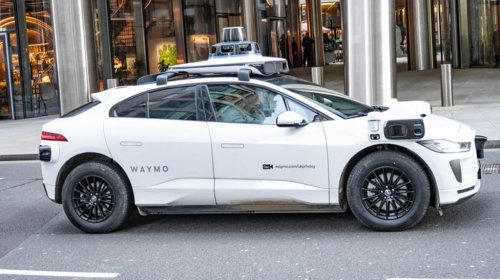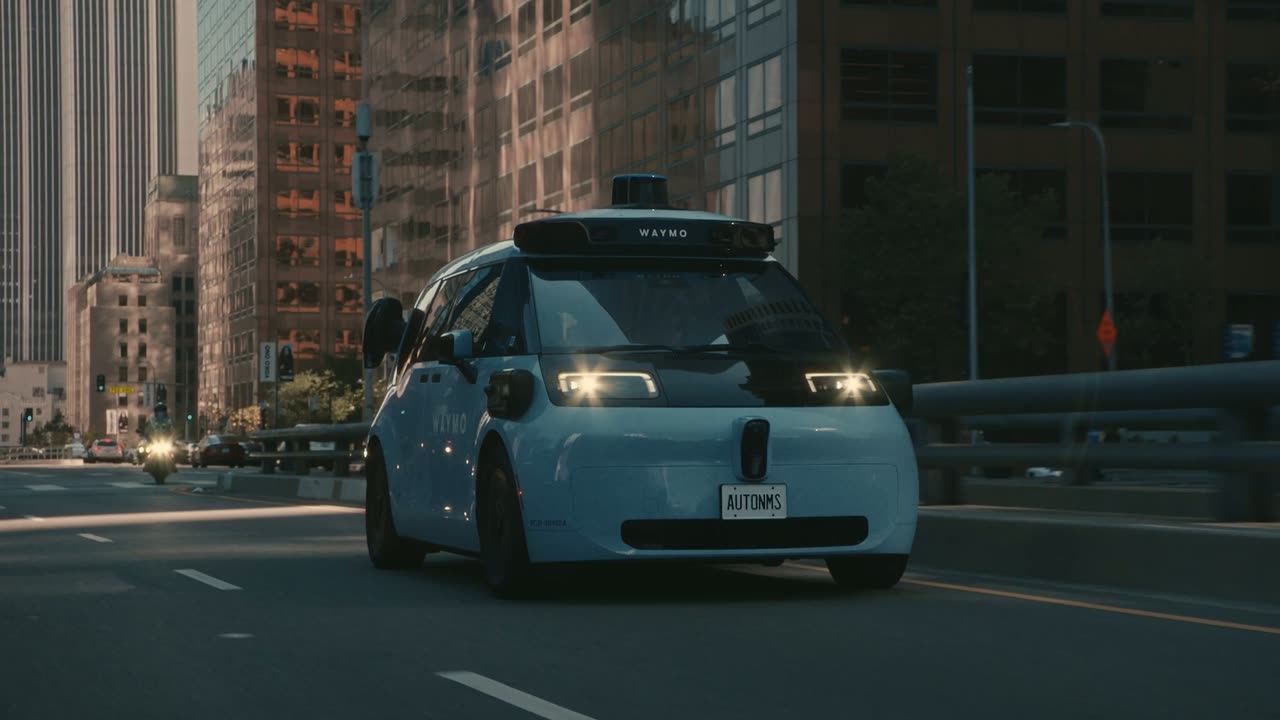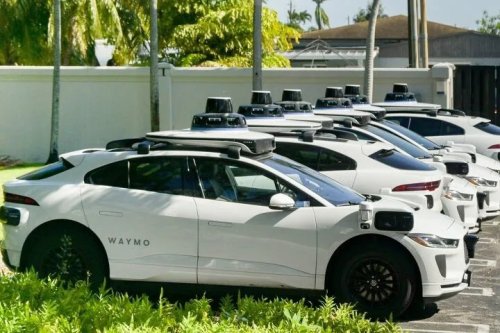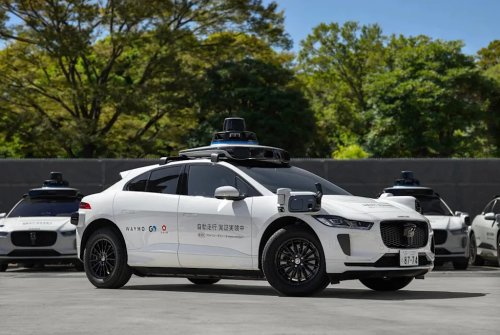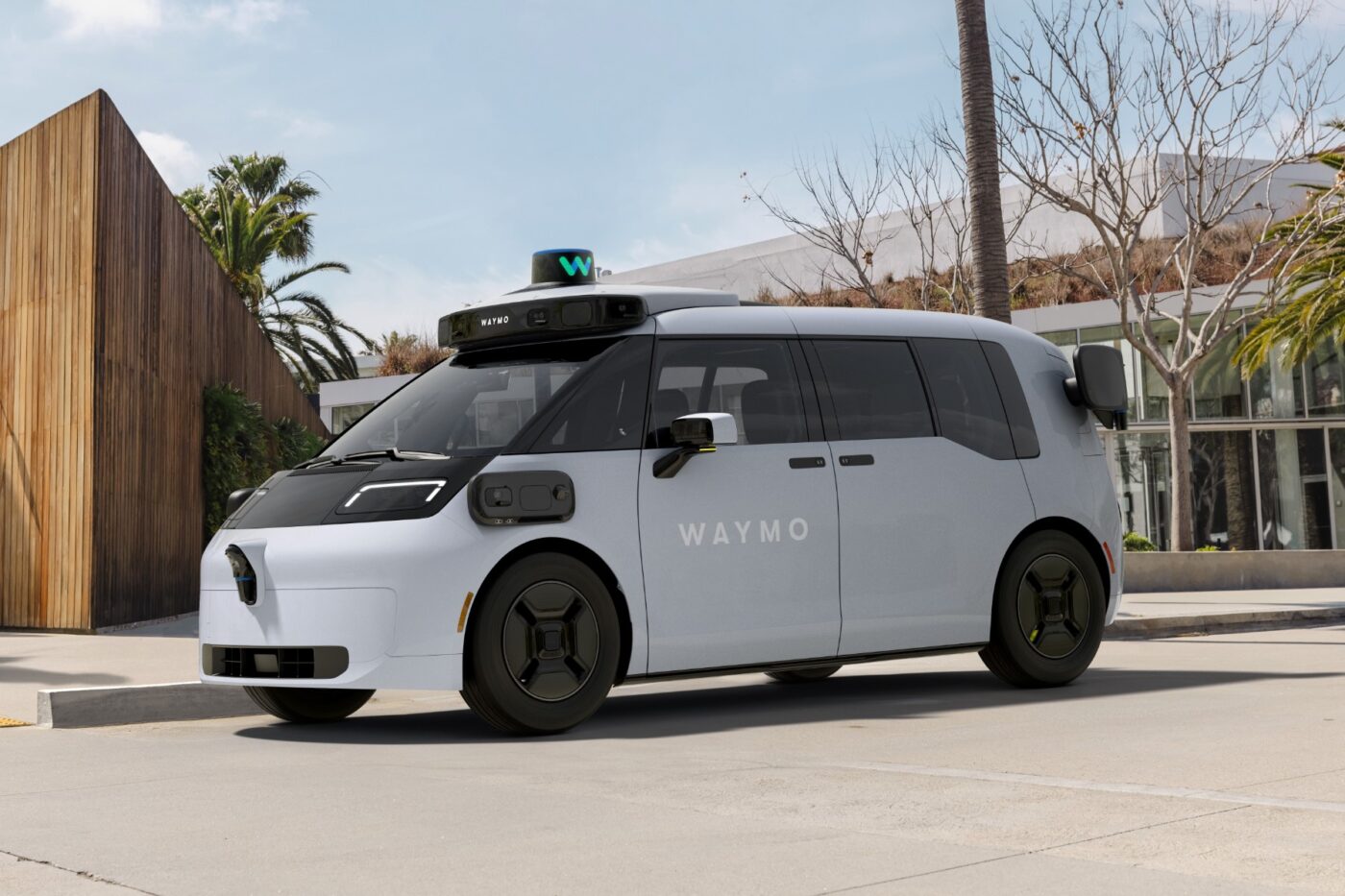


















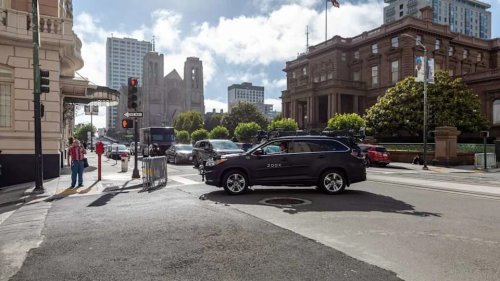
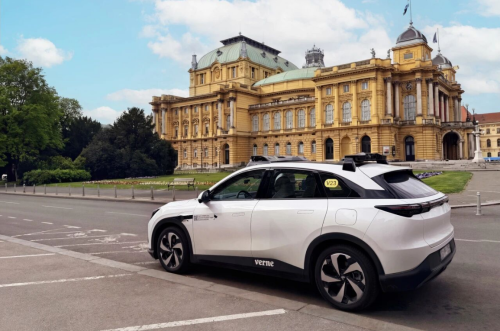

Image: WaymoThe collaboration between Geely brand Zeekr and Waymo on a joint robotaxi project has been known for several years, with early prototypes already operating on public roads since 2024. The vehicle was originally developed under the name Zeekr RT and is based on the Zeekr Mix van. In January 2026, the partners renamed the model Waymo Ojai, after the Californian city of Ojai.The Ojai is now set to enter regular service with Waymo soon. “While our employees have been enjoying fully autonomous trips in the Ojai for months, we’re excited to welcome our first public riders along for the ride to enjoy this next-generation experience,” the company stated.Initially, selected passengers in San Francisco, Phoenix and Los Angeles will be able to use the Ojai free of charge while Waymo collects feedback on the experience. Over the coming months, the company plans to expand access gradually and deploy the vehicle in additional cities, including Denver, Las Vegas and San Diego, before opening the service to all customers later this year.Waymo currently operates a fleet of around 3,000 vehicles, all based on the Jaguar I-Pace electric car. The company will continue to run these vehicles alongside the Waymo Ojai for the foreseeable future. However, the Ojai offers several advantages. As a van, it provides more interior space for passengers. Waymo has also significantly lowered hardware costs per vehicle by reducing the number of cameras from 29 to 13 and cutting the number of lidar sensors from five to four.This new setup is made possible by the sixth generation of the Waymo Driver, Waymo’s robotaxi technology, which is being used for the first time in the Waymo Ojai. It is also planned for a future Waymo version of the Hyundai Ioniq 5.From a technical standpoint, the system uses a 17-megapixel image sensor that captures millions of data points to generate extremely sharp images while maintaining high thermal stability under all driving conditions. This allows Waymo to reduce the number of cameras and streamline the overall system. Integrated cleaning systems further improve performance in poor weather conditions.EAR system warns of approaching emergency vehiclesIn addition, a lidar system generates a 3D model of the vehicle’s surroundings. It covers longer distances and provides redundant data for the cameras, allowing the system to make more informed driving decisions. The “EAR” (External Audio Receiver) audio system can also detect approaching emergency vehicles such as police cars and fire engines, as well as railway crossings.As for the vehicle itself, the base structure of the Waymo Ojai is produced by Zeekr at its plant in Ningbo, China. This includes the chassis, platform, body, battery and electric motors. The unfinished vehicle is then shipped to Waymo’s factory in Mesa, near Phoenix, Arizona. There, Waymo and its partner Magna integrate the autonomous driving technology, including sensors, cameras, AI computers and software.This production setup is particularly significant because connected vehicles from China are effectively restricted in the US market. By installing the connected autonomous driving technology in the US through Waymo itself, the vehicle complies with current regulations.Additionally, a Lidar system is used to create a 3D image of the vehicle’s surroundings. This system covers greater distances and provides redundant coverage for the cameras, enabling the system to make more informed decisions. An audio system called “EAR” (External Audio Receiver) allows the vehicle to detect approaching emergency vehicles, such as police cars and fire engines, or railway crossings.Regarding the vehicle itself: the basic structure of the Waymo Ojai is manufactured by Zeekr at its plant in Ningbo, China. This includes the chassis, platform, body, battery, and motors. This “blank” is then shipped to the Waymo factory in Mesa, located on the outskirts of the US metropolis Phoenix. There, Waymo, in collaboration with its partner Magna, installs its autonomous driving technology, comprising sensors, cameras, AI computers, and software. This step is crucial because connected vehicles from China are banned in the USA. Since the connected technology for autonomous driving is installed in the USA by the US company Waymo itself, the deployment complies with regulations.waymo.com, insideevs.com