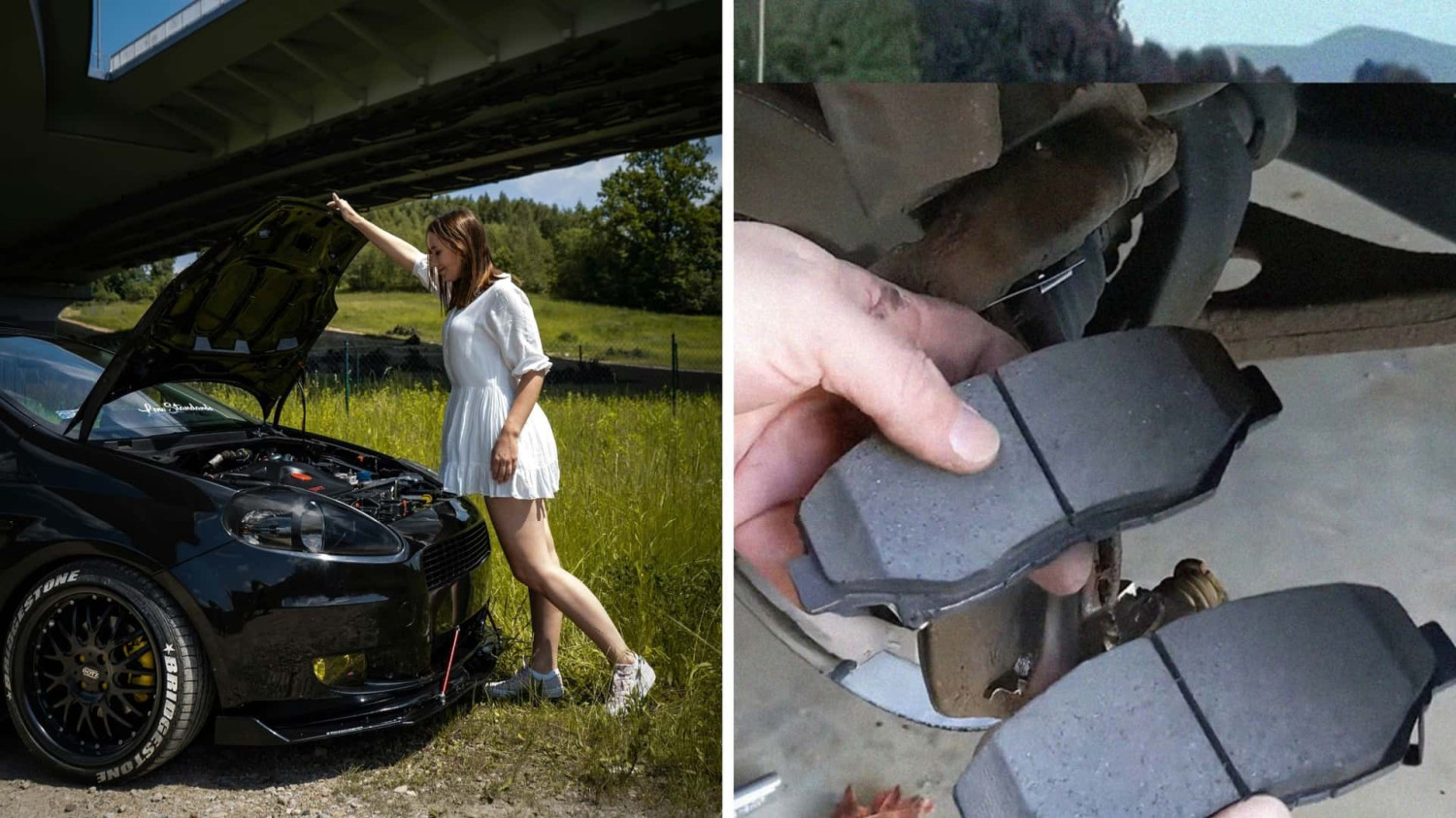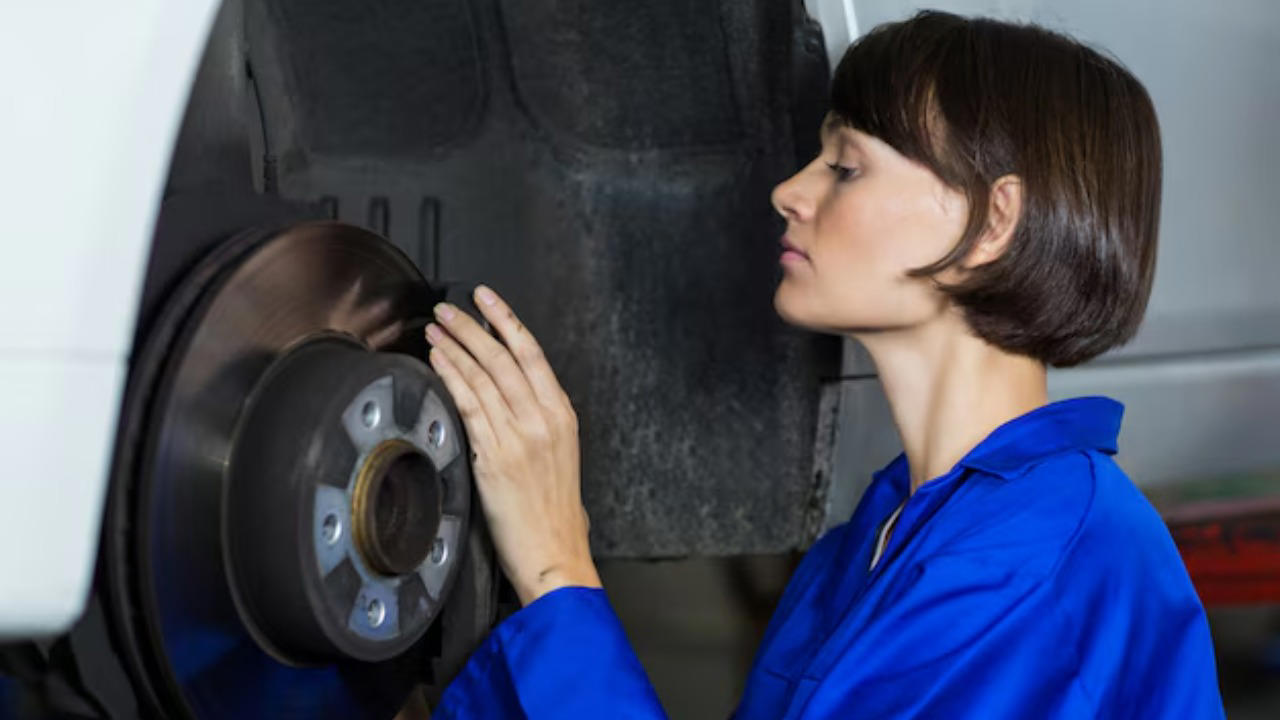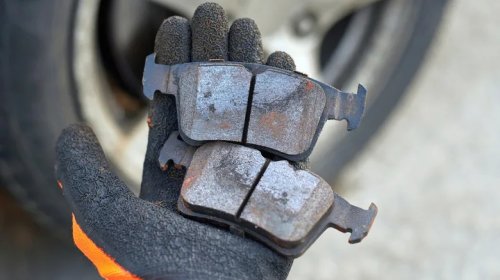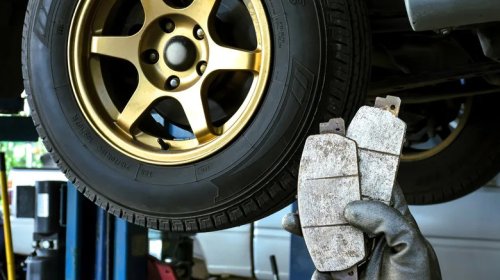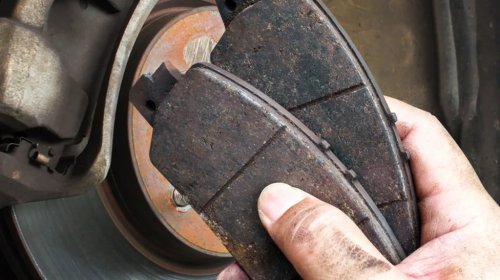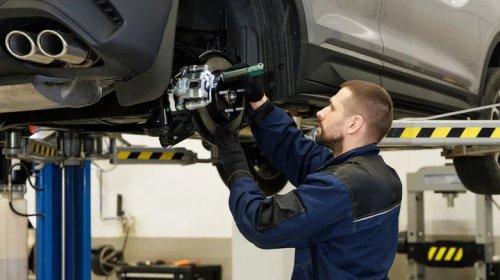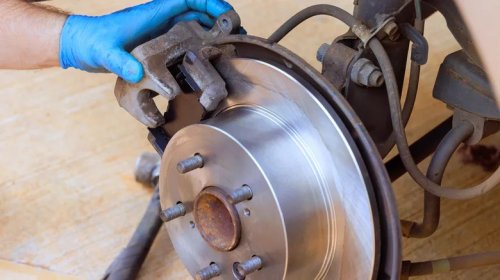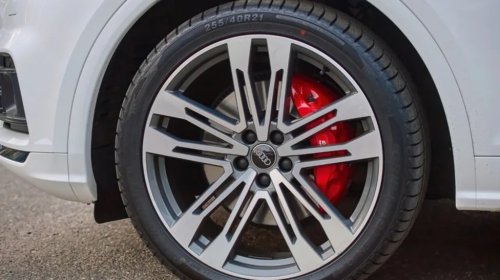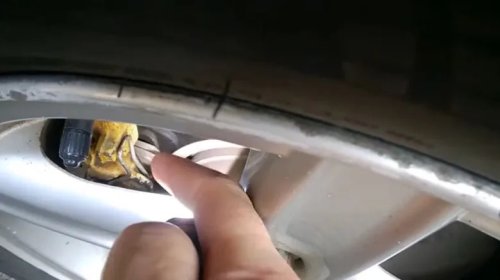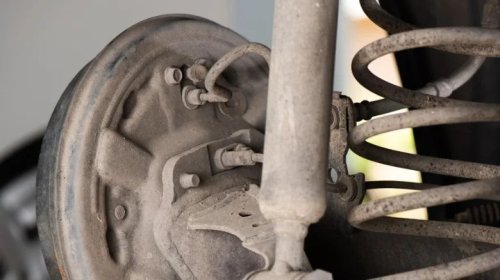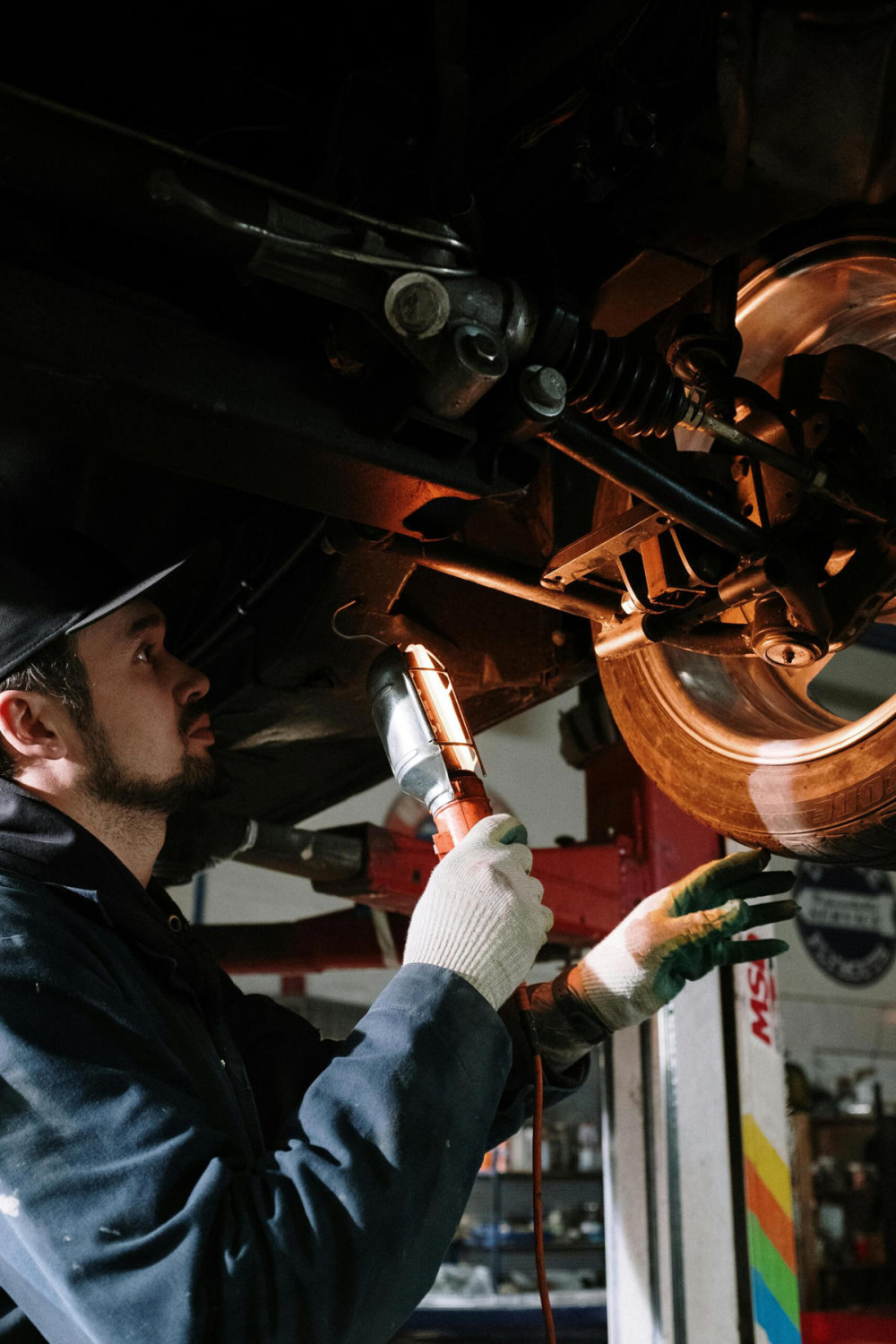


















I replaced my brake pads, but the shop said the grinding noise must be coming from something elseIt’s the kind of problem that feels like it should have a simple, satisfying ending. You hear grinding when you brake, you replace the pads, and the sound disappears like magic. Except sometimes it doesn’t, and then you’re stuck in that awkward space between “I did the obvious thing” and “Why does it still sound like a shopping cart with a bad wheel?” More drivers are running into this exact situation lately: new brake pads, same ugly noise, and a shop insisting the sound is coming from somewhere else. It’s frustrating, sure, but it’s also not automatically a sign someone’s trying to brush you off. Brakes are a system, not a single part, and a grinding noise can be a surprisingly good liar. Why grinding can stick around even with new pads Brake pads are the headline act, but they’re not the whole band. If the rotors are damaged, the caliper isn’t moving smoothly, or there’s debris caught somewhere, new pads won’t magically silence everything. In fact, fresh pads can sometimes make an existing issue more noticeable because they’re biting differently than the worn ones. Also, “grinding” gets used to describe a bunch of sounds that aren’t technically grinding. A scrape, a groan, a crunch, a rhythmic shhhh—people call it all grinding because it’s unpleasant and it happens when braking. The shop might be thinking “that’s not brake-pad-to-rotor metal-on-metal,” even if it still sounds terrible to you. The usual suspects when the pads aren’t the problem Rotors are a big one. If they’re deeply scored, warped, or worn unevenly, new pads can ride those grooves like a record needle and make noise every time you slow down. Sometimes rotors can be resurfaced, but if they’re too thin or too damaged, replacement is the real fix. Then there’s hardware: the clips, shims, and anti-rattle springs that keep pads stable. If those weren’t replaced, installed correctly, or lubricated where appropriate, the pads can chatter or scrape. It’s a small-parts problem that creates a big-sound result. Calipers and slide pins also love causing drama. If a caliper is sticking or a slide pin is seized, the pad may not retract properly, so it drags on the rotor. That can sound like grinding, and it can also overheat the rotor, glazing the pad and turning “a noise” into “a whole vibe” pretty quickly. It might not even be brakes at all (yes, really) Shops aren’t always wrong when they say the noise is coming from something else, because plenty of non-brake parts make noise that shows up when you slow down. A worn wheel bearing, for example, can growl or grind and sometimes changes pitch when you shift weight forward during braking. It can feel like a brake issue because braking is when you notice it most. A bent dust shield is another classic. That thin metal plate behind the rotor can get nudged during a tire rotation or after hitting a pothole, and then it lightly rubs the rotor. The sound can be an infuriating scrape that comes and goes depending on wheel position, temperature, or how the suspension flexes. Loose suspension parts can join the party too. A worn ball joint or control arm bushing can make clunks or creaks that people interpret as grinding, especially at low speeds. And if a CV joint or axle component is unhappy, you might hear a rough, gritty sound during turns that gets blamed on brakes because it’s “down there somewhere.” Clues that help narrow it down fast When does the noise happen—only when braking, or also when coasting? If it happens even when you’re not touching the brake pedal, that points away from pads and toward bearings, shields, or something rubbing. If it only happens during braking and changes with pedal pressure, the brake system is still the prime suspect. Pay attention to whether it’s one side or both. A single-wheel problem often shows up as a noise you can “place” near one corner of the car, and it may change when you turn slightly left or right. A noise from both sides can still be possible, but it’s less common unless parts were replaced in pairs or there’s a broader issue. Smell and heat can tell a story too. If one wheel smells like hot metal or you feel more heat radiating from one wheel after a short drive, that’s a red flag for a dragging brake or sticking caliper. Just don’t touch the wheel or rotor directly—if it’s hot, it’s sneakily hot. What a good shop should be able to show you If a shop says, “It’s not the pads,” it’s reasonable to ask, “Okay—what evidence points somewhere else?” A solid technician can usually show rotor scoring, point out uneven pad wear, demonstrate a seized slide pin, or show where a dust shield is rubbing. You’re not asking for a lecture, just a quick visual that connects the diagnosis to reality. It’s also fair to ask whether the pads were bedded in properly and whether any brake hardware was replaced. Some pad materials need a proper break-in procedure to transfer an even layer onto the rotor, and skipping that can cause noise and vibration. Not every noise is a bedding issue, but it’s an easy thing to confirm. Common “pad replacement” oversights that keep the noise alive Sometimes the pads are new, but the rotors were left as-is when they really shouldn’t have been. New pads on rough rotors can create noise, uneven contact, and faster wear, like putting new shoes on a rocky trail. The fix might be as simple as replacing or resurfacing the rotor—assuming it’s still within spec. Another overlooked piece is lubrication in the right places. Brake components need high-temp brake grease on contact points (not on the pad friction surface—ever), and dry hardware can squeal, grind, or click. If the pads can’t move smoothly in the bracket, they can stick and scrape. And then there’s the “it’s assembled, but not centered” issue. A slightly mispositioned clip, a twisted shim, or a pad not seated correctly can create constant rubbing. It doesn’t take much; brakes are basically a precision sandwich living in a harsh environment. What you can ask for next without sounding like a detective You can request a road test with a technician so you can reproduce the noise together. It’s amazing how often a sound disappears the moment the car enters a shop, like it’s shy, so having someone hear it in real time helps. If the shop won’t do that, asking for a second opinion isn’t dramatic—it’s practical. Ask for a quick checklist-style inspection: rotor condition and thickness, caliper slide pin movement, pad wear pattern, dust shield clearance, and wheel bearing play. Those checks don’t require guessing, just looking and measuring. A good shop will appreciate that you’re focused on symptoms and evidence, not arguing about who’s right. When it’s smart to stop driving and get it checked immediately If the grinding is loud, constant, or getting worse fast, it’s not the time to “see if it goes away.” If the brake pedal feels soft, the car pulls to one side, you notice shaking during braking, or a warning light pops up, treat it like urgent maintenance. Brakes don’t usually fail like a movie scene, but they do give you hints when something’s wrong. And if one wheel is dramatically hotter than the others, that’s a strong sign something’s dragging. A stuck caliper can overheat the rotor, damage the pad, and even cook the brake fluid over time. That’s one of those problems that starts as an annoying noise and ends as an expensive lesson. For drivers caught in the “new pads, same grinding” loop, the good news is this: the noise is telling you something real, even if it isn’t what you expected. It might be rotors, hardware, a stuck caliper, or a sneaky non-brake part pretending to be a brake problem. Either way, the path forward is the same—get eyes on it, ask for the why, and don’t let a mystery sound become your new car’s personality. More from Fast Lane Only Unboxing the WWII Jeep in a Crate 15 rare Chevys collectors are quietly buying 10 underrated V8s still worth hunting down Police notice this before you even roll window down The post I replaced my brake pads, but the shop said the grinding noise must be coming from something else appeared first on FAST LANE ONLY.