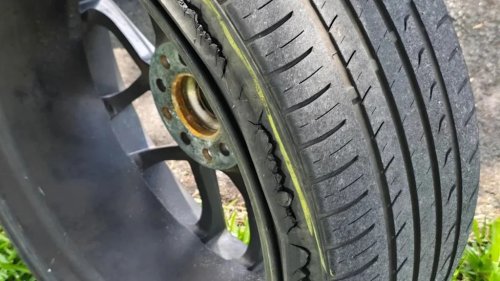
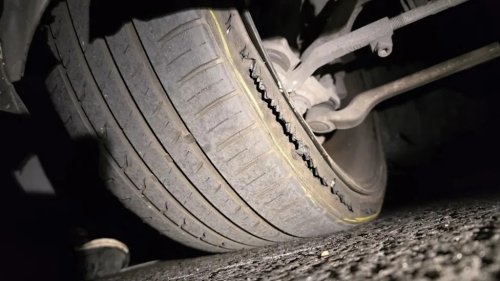
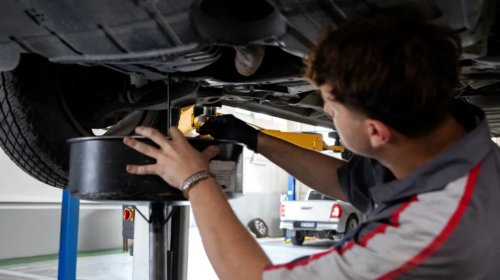
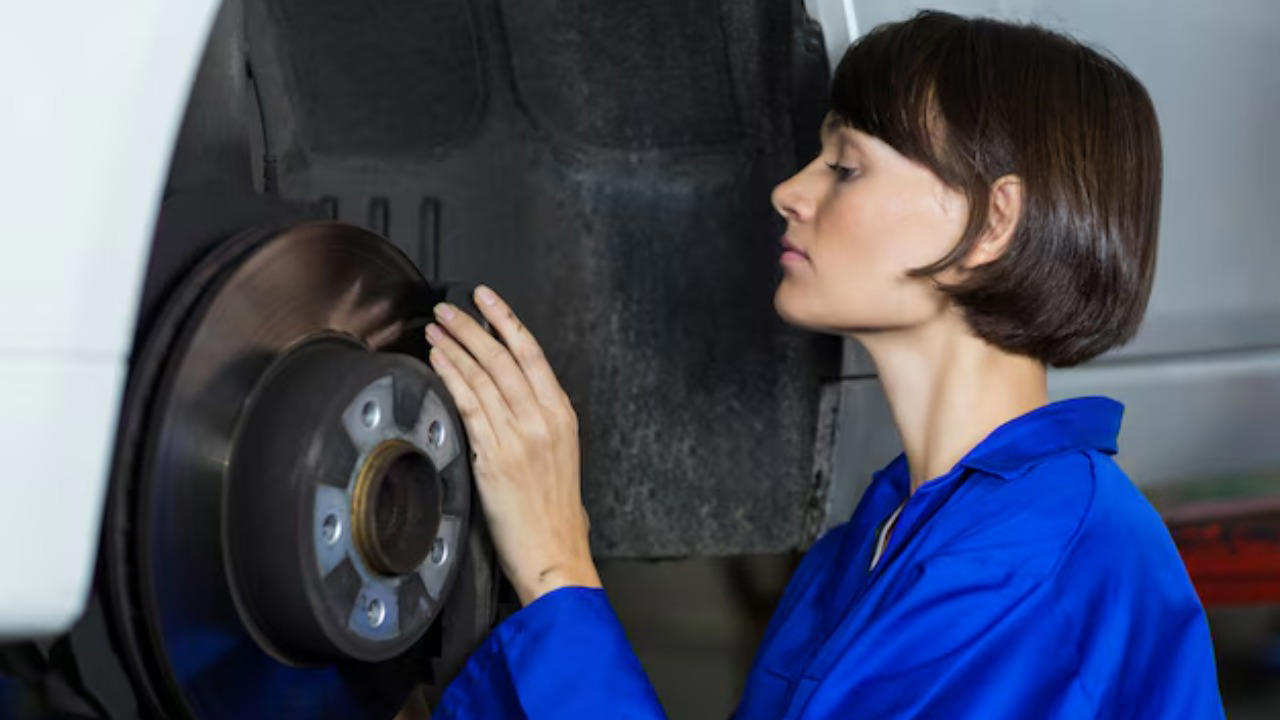
The service advisor said my brake noise was “normal for this model,” but three weeks later the rotors were warpedIt started the way a lot of car stories do: with a sound you can’t un-hear. A light scrape at low speed, a little squeal when backing out of the driveway, and a faint pulsing that might’ve been “road texture”… except it wasn’t. When you’re the one holding the steering wheel, you know when your car’s trying to tell you something. So I did the responsible thing and booked a service appointment. The service advisor listened, nodded, and delivered the line that’s become a modern classic: “That’s normal for this model.” Three weeks later, the rotors were warped, the steering wheel shook under braking, and “normal” suddenly sounded a lot like “we’ll see what happens.” A small noise, a big shrug At the dealership, the explanation came packaged with reassurance. Certain brake setups, I was told, can be noisier—especially with more aggressive pad materials, dust, moisture, or temperature swings. There was even a helpful vibe to it, like they were saving me from worrying too much. And sure, brakes can make some noise without being unsafe. A quick squeal in the rain, a light grind from surface rust after the car sits, or a brief chirp when cold—those happen. The problem is that “sometimes normal” can easily become “we didn’t verify anything,” and that’s where frustration starts. Three weeks later: the steering wheel starts dancing The change wasn’t subtle. Under moderate braking from highway speeds, the wheel began to wobble in that unmistakable way that makes you tighten your grip and squint like you’re trying to negotiate with physics. It didn’t happen during every stop, but once you feel it, your brain starts cataloging every brake event like it’s a suspicious email. Back at the shop, the diagnosis came quickly: warped rotors. Whether they were truly “warped” (more on that in a second) or suffering from uneven pad material transfer, the result was the same—pulsation, vibration, and a repair bill that would’ve been a lot more fun as a weekend getaway. What “warped rotors” usually means (and why it matters) Despite the phrase we all use, rotors don’t always warp like a potato chip. More often, the issue is brake disc thickness variation caused by uneven deposits of pad material on the rotor surface. That creates a high-and-low spot feeling as the pads clamp down, and your steering wheel translates it into a not-so-gentle shimmy. How does that happen? Heat is the biggest suspect—hard stops, repeated braking on hills, towing, or even one panic stop followed by sitting at a light with your foot firmly on the brake. If the pads stay pressed against a hot rotor, material can transfer unevenly and set the stage for pulsation later. The uncomfortable gray area: noise vs. warning sign The tricky part is that brake noise sits in a gray area where both sides can be “kind of right.” Some pad compounds are legitimately noisy, and some models have known quirks—especially if they’re tuned for performance or longevity rather than silence. But noise can also be the early hint of hardware issues, pad glazing, poor bedding-in, sticky caliper pins, or rotors that are already developing hot spots. If a shop says it’s normal, the next question is simple: normal based on what test? Did they measure rotor runout, pad thickness, and rotor thickness? Did they check for uneven wear, seized slide pins, or glazing? “Normal” is a claim; measurements are receipts. What a more helpful service visit would’ve looked like Most drivers aren’t asking for a dissertation on brake system theory. They just want to know whether it’s safe, whether it’s fixable, and whether it’s going to get worse. A solid service visit usually includes a quick road test with the customer’s complaint recreated, a visual inspection, and at least a basic set of measurements if anything seems off. Even if the tech truly believes it’s normal, it’s fair to document it. “Verified noise, found pads at X mm, rotors within spec, no abnormal wear, recommend monitor” goes a long way. It also helps later if the issue escalates—like, say, three weeks later. How drivers can protect themselves without becoming “that customer” You don’t need to march in with a mechanic’s creeper and a grudge. You just need a few calm, specific questions. Ask them to note your complaint on the repair order, request measured values (pad thickness, rotor thickness, and runout if relevant), and ask what would count as “not normal” in their view. It also helps to capture the symptom. A short video with audio, the speed it happens, whether the brakes are hot or cold, and whether it’s worse in reverse or after rain—those details are gold for diagnosis. Plus, your phone doesn’t get intimidated by service counters. If it’s under warranty, timing and documentation are everything Brake components are often treated as wear items, which means warranty coverage can be limited. But when there’s an underlying defect—like a caliper issue, a rotor manufacturing problem, or premature failure—documentation can be the difference between “sorry” and “covered.” If you reported the noise earlier and it was dismissed, that record matters. Be polite but persistent. Ask to speak with the service manager if the story shifts from “normal” to “you must’ve overheated them,” especially if your driving hasn’t changed. Nobody loves escalation, but clear records and calm questions tend to get better results than outrage. What you can do next if you’re in the same situation If you’re hearing brake noise and you’re told it’s normal, consider getting a second opinion—especially if the car is newer, the sound is getting worse, or you feel any vibration. Independent shops can be great at brake diagnostics, and many will measure everything and show you the numbers without the “mystery box” vibe. The goal isn’t to catch anyone; it’s to avoid paying twice. And if rotors are already pulsating, ask what repair actually solves the cause. Machining or replacing rotors can fix symptoms, but if the caliper slides are sticking, the pads are mismatched, or the bedding procedure wasn’t done right, the vibration can come back like a sequel nobody asked for. A good shop will talk about hardware, pad choice, torque specs, and how to bed the brakes after the repair. The bigger takeaway: “normal” should still be verifiable Cars can be quirky, and not every sound is a crisis. But when the brakes are involved, “normal for this model” shouldn’t be the end of the conversation—it should be the start of a quick, measurable check. If the shop can’t explain what they verified, you’re basically being asked to trust a vibe. Three weeks is a short time for a problem to go from “nothing to see here” to “here’s your rotor estimate.” If you’re hearing something, feeling something, or just getting that quiet sense that your car’s not happy, it’s worth pushing for documentation and data. Brakes are one of the few systems where peace of mind is not optional. More from Fast Lane Only Unboxing the WWII Jeep in a Crate 15 rare Chevys collectors are quietly buying 10 underrated V8s still worth hunting down Police notice this before you even roll window down The post The service advisor said my brake noise was “normal for this model,” but three weeks later the rotors were warped appeared first on FAST LANE ONLY.



















 +21 others