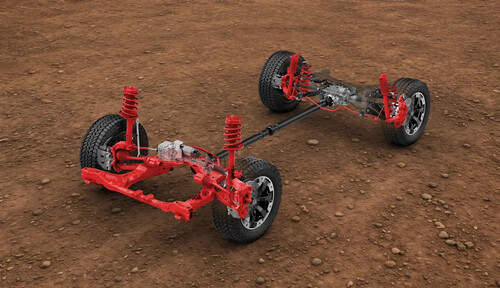
I brought my SUV in for a strange noise, but the mechanic said they couldn’t hear anything wrongIt starts the way these things always start: you’re driving along, minding your business, and your SUV decides to develop a mysterious soundtrack. Maybe it’s a faint grinding when you turn left, a hollow thunk over speed bumps, or a high-pitched whine that shows up right when the radio gets quiet. You finally book an appointment, you feel proud of yourself for being responsible, and then—of course—the noise vanishes the second you pull into the shop. And then comes the line that feels equal parts relieving and maddening: they couldn’t hear anything wrong. No obvious clunks, no warning lights, no dramatic failures, just a perfectly behaved vehicle. You leave with the keys in your hand, a polite smile on your face, and a nagging thought that your SUV is either cured or messing with you. The “it only happens when I’m alone” mystery Intermittent car noises are notorious for being hard to reproduce on demand. They show up when the suspension’s loaded a certain way, when the road surface changes, or when the temperature hits a specific sweet spot. Your SUV isn’t being spiteful (probably), but it is responding to conditions that might not exist on the mechanic’s quick test drive. Sometimes the noise is tied to speed, engine load, or a particular turn radius—details that can disappear if the route is different. If you always hear it on your commute ramp at 35 mph, and the shop drives it around the block at 25, it’s not shocking that nothing happens. The frustrating part is that you’re not imagining it; the timing is just rude. Why a shop might genuinely miss it Most shops want to find problems because problems are how they keep the lights on. If they say they can’t hear anything, it’s often because they truly can’t, and guessing would be irresponsible. A “shotgun” approach—replacing random parts until the noise stops—gets expensive fast and doesn’t make anyone happy. There are also practical limits. Some sounds only appear after a long drive, when components heat up, or when you hit a specific kind of bump at a specific angle. If the shop is slammed, the vehicle might not get the extended road test it really needs unless you describe exactly how to make the noise happen. The usual suspects when a noise plays hide-and-seek A lot of intermittent noises come from parts that move, flex, or shift under load. Suspension bushings, sway bar links, and strut mounts can complain only when they’re twisted just right. A heat shield can rattle at one RPM range and be silent everywhere else, like it’s got a contract with your patience. Brakes are another classic. A tiny rock caught between the rotor and dust shield can screech for two days and then fall out in the parking lot. Wheel bearings can hum at highway speeds but quiet down when you change lanes, and tire noise can mimic bearing noise so well it’s basically an impressionist. Then there are the “sounds that travel.” Exhaust leaks can echo, making the front sound like the back or the back sound like the front. A loose interior panel can click like it’s coming from the suspension. Even a roof rack crossbar can whistle convincingly enough to make you swear something mechanical is failing. What to do before you go back (so you don’t feel like you’re in a sitcom) Start by collecting better clues, not by stressing yourself out. When the noise happens, note the speed, the road type, and what you were doing—braking, accelerating, coasting, turning, or hitting bumps. Also note whether it’s cold out, raining, or you’ve been driving for a while, because temperature and moisture can change how rubber and metal behave. If it’s safe, grab a quick audio or video clip. You don’t need studio-quality sound; even a phone recording can help the shop distinguish a squeak from a grind. Try to capture context too—like a view of the speedometer or a quick spoken note of “turning right at 20 mph” as it happens. One more trick: describe it like a mechanic would hear it. Is it a clunk (single impact), a rattle (rapid tapping), a squeal (high pitch), a hum (steady tone), or a knock (deep and rhythmic)? “It sounds like a shopping cart wheel for three seconds after I brake” is oddly useful, and yes, it can be that specific. How to talk to the shop so they can actually chase it down When you call, ask for a longer road test or a ride-along. A quick loop might not reproduce the issue, but a 15–20 minute drive on the right roads often will. If you can point them to the exact stretch where it happens, you’re basically handing them a map to the treasure. It also helps to share what you’ve ruled out. If the noise happens only when the A/C is on, say that. If it disappears when you lightly press the brake, mention it. Those little patterns narrow the search from “anything on the car” to a shortlist of systems. And don’t be shy about saying you’re worried even though it’s intermittent. A good shop won’t treat you like you’re being dramatic; they’ll treat you like someone trying to prevent a bigger bill later. The goal is to give them enough information to diagnose, not just to confirm your sanity (though that’s nice too). When “can’t hear anything” is still useful information Oddly, a no-finding visit can still be a helpful checkpoint. If the shop inspected the suspension, checked for play in the wheels, looked for obvious leaks, and didn’t find anything urgent, that’s reassurance. It means you’re not ignoring a glaring safety issue—at least not one that’s visible or easily reproduced. Ask what they did check and what they’d recommend monitoring. Sometimes they’ll note early wear that isn’t dangerous yet but could become noisy later. That way, the next visit isn’t starting from zero; it’s following a timeline. Red flags that mean don’t wait for the noise to “come back” Some symptoms deserve immediate attention even if the sound is playing shy. If you feel vibration in the steering wheel, pulling to one side under braking, a burning smell, or any grinding that changes with speed, don’t chalk it up to “one of those things.” Same goes for a flashing warning light, sudden fluid leaks, or a loud bang followed by a change in handling. If the noise is paired with a change you can feel—like a wobble, a soft brake pedal, or a clunk that’s getting worse day by day—push for a deeper inspection. Intermittent doesn’t always mean minor; it can mean “about to become constant.” The surprisingly common ending: it was something tiny A lot of these stories end with an almost funny fix. A loose splash shield, a missing clip, a pebble, a dry bushing that needed lubrication, or a slightly underinflated tire that was singing on certain pavement. It can feel anticlimactic, but it’s also the best-case scenario. And if it’s not tiny, it’s still solvable—just sometimes on a slower schedule. Intermittent problems often need the right moment to reveal themselves, like a detective story where the clue only shows up in the second act. The good news is that with a few notes, a quick recording, and a shop willing to road test properly, that strange noise usually stops being a mystery and starts being a straightforward repair. More from Fast Lane Only Unboxing the WWII Jeep in a Crate 15 rare Chevys collectors are quietly buying 10 underrated V8s still worth hunting down Police notice this before you even roll window down The post I brought my SUV in for a strange noise, but the mechanic said they couldn’t hear anything wrong appeared first on FAST LANE ONLY.