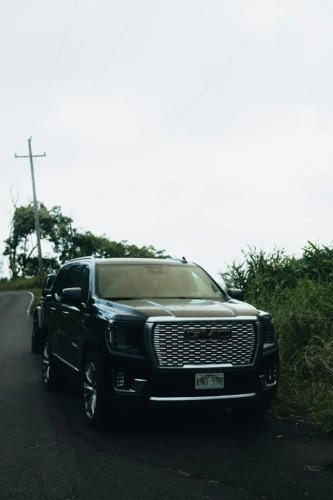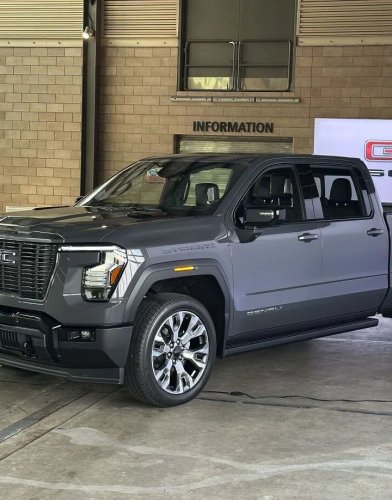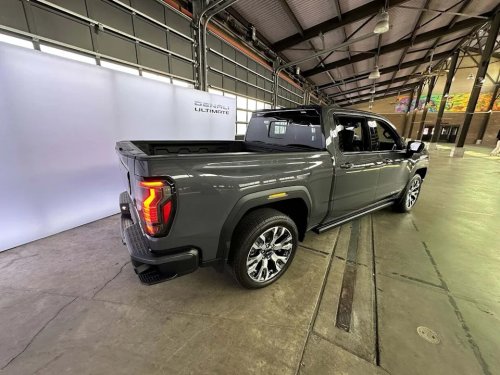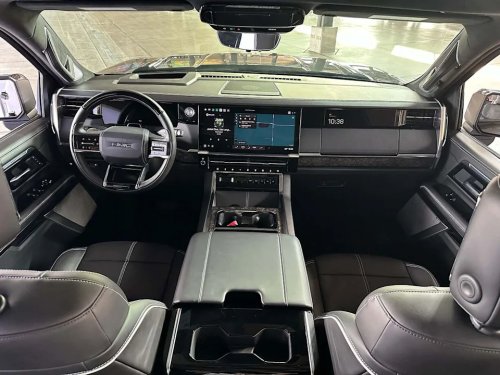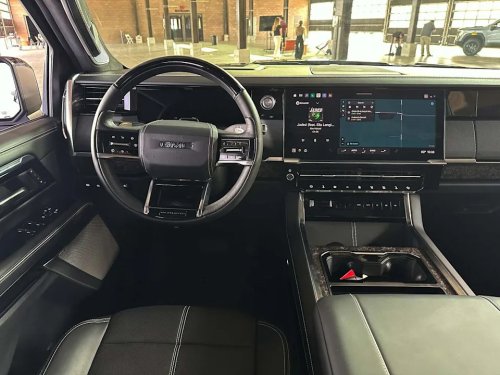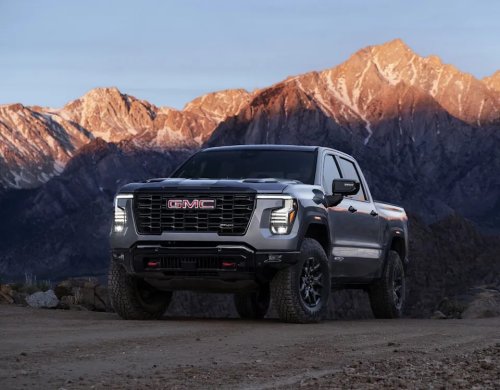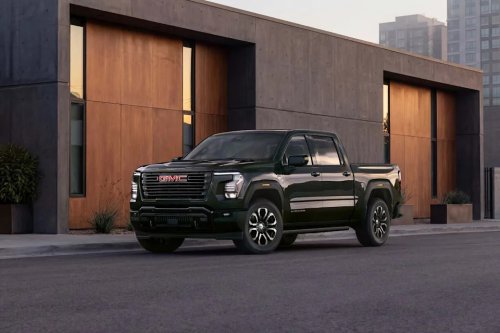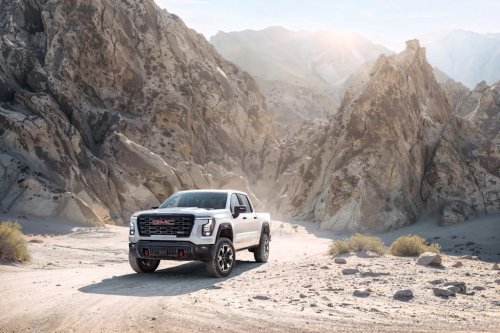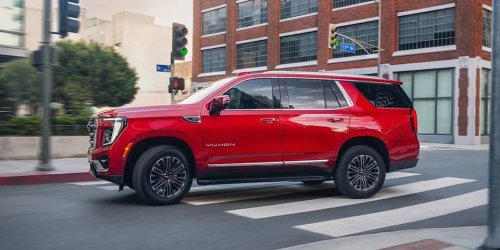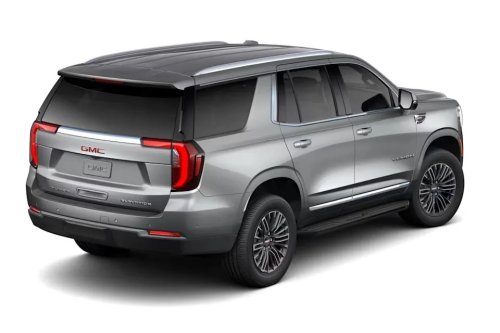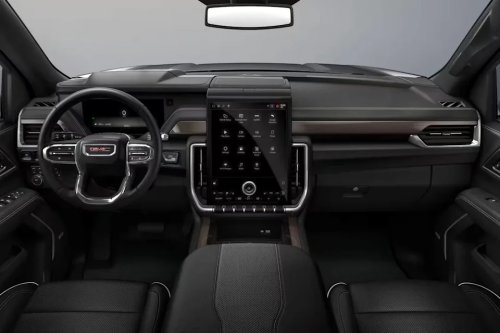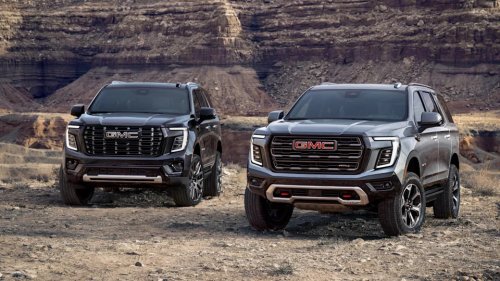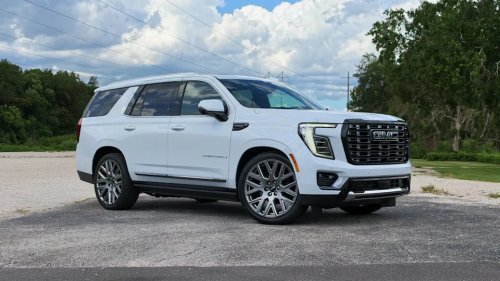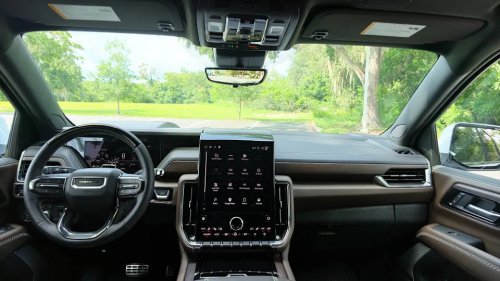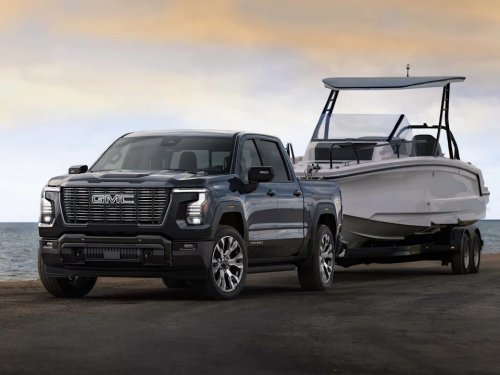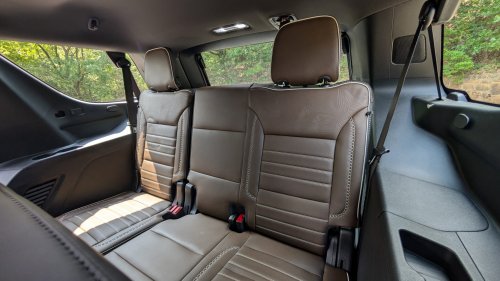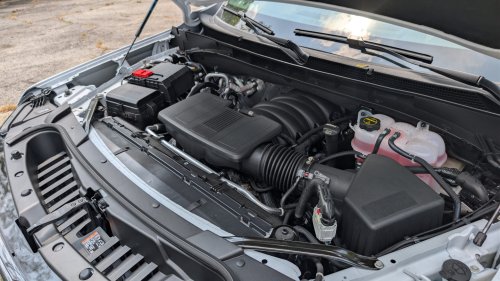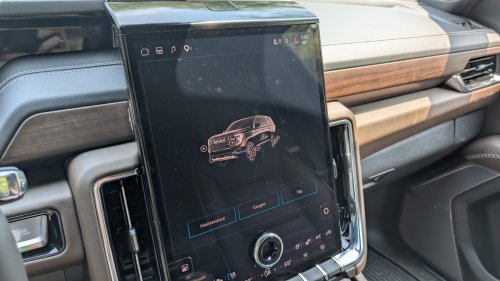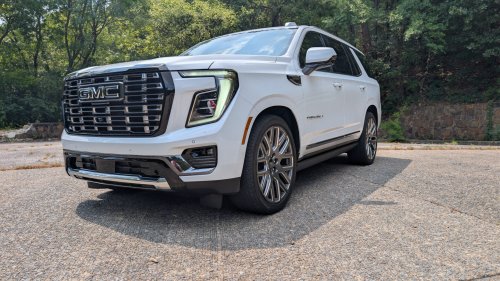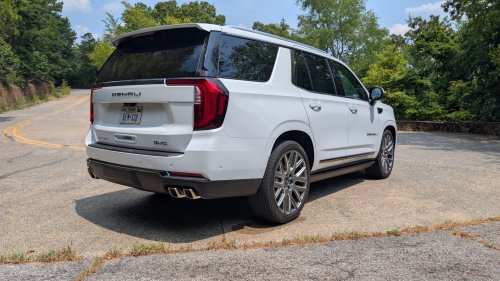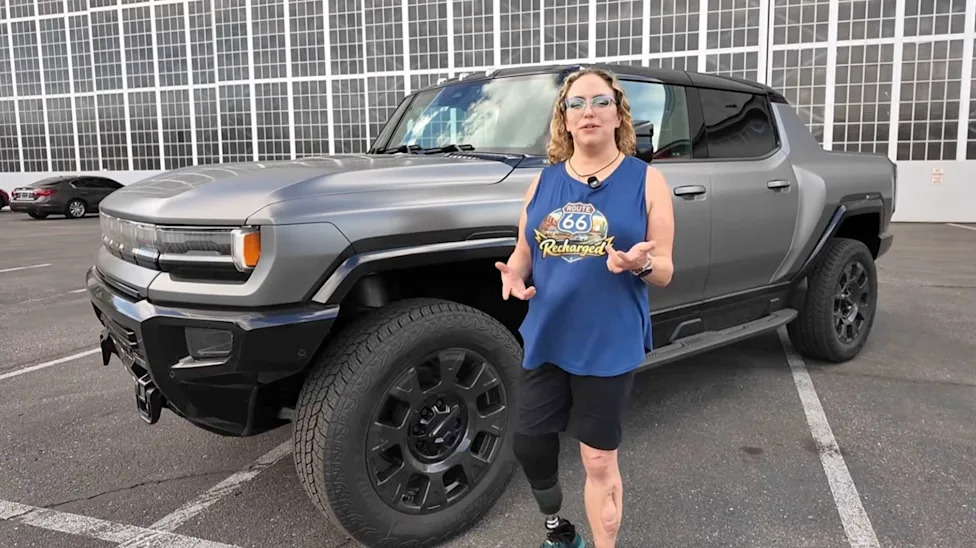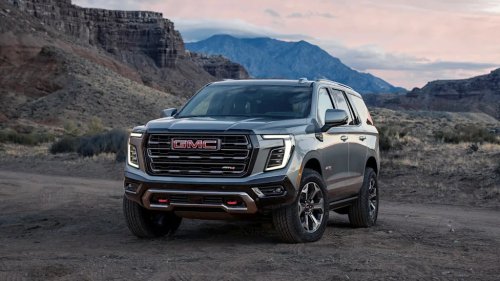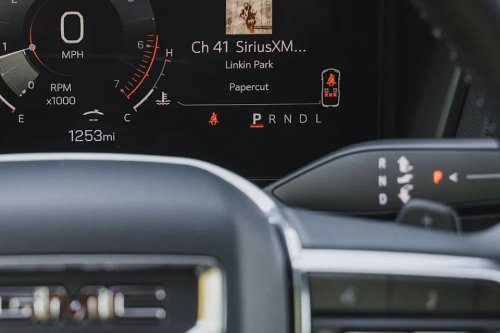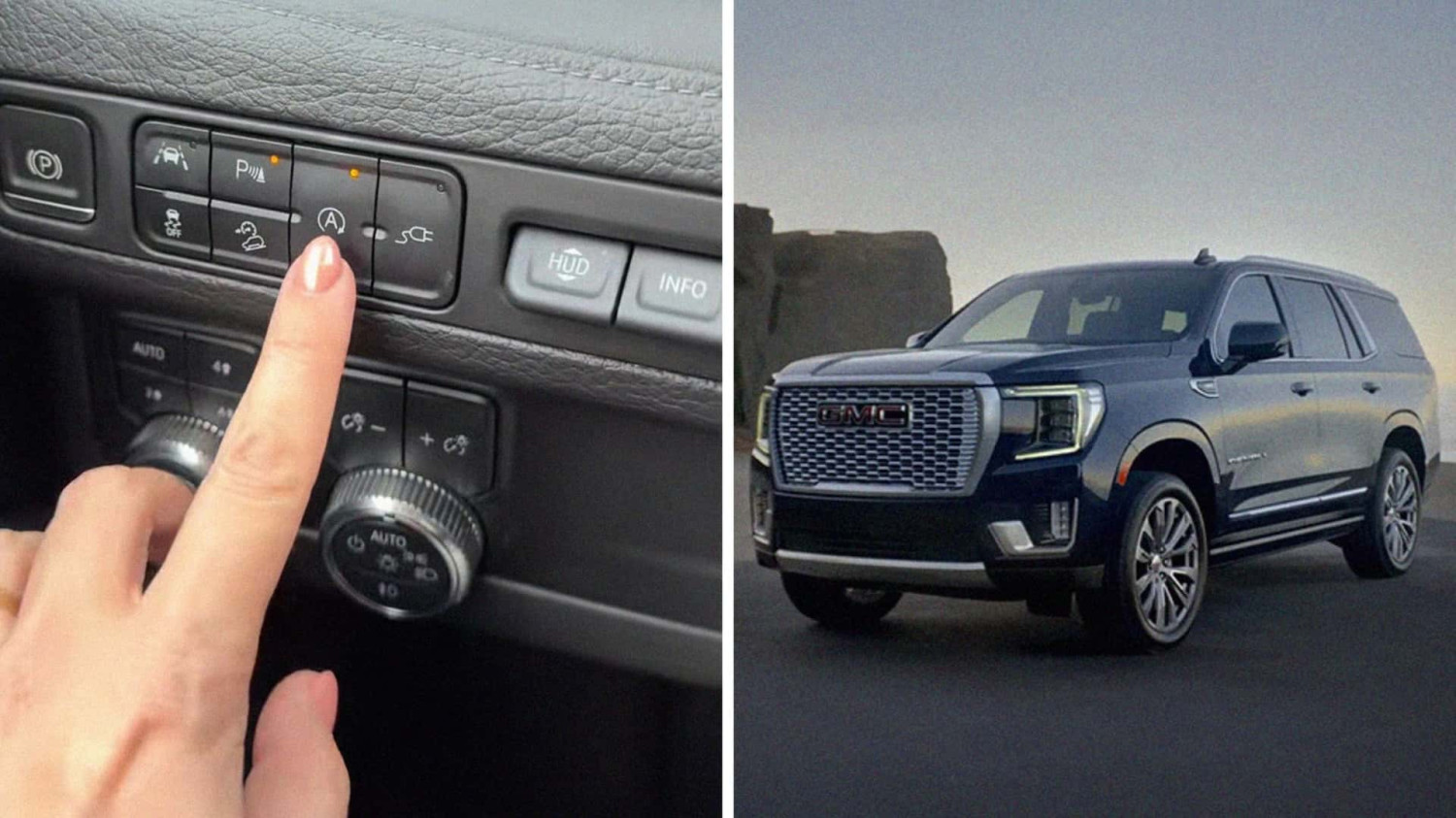



















If you’ve ever sat at a stoplight wondering whether your car just stalled—or if you’re about to get rear-ended—you’ll appreciate the existential dread in a viral TikTok from a GMC Yukon Denali driver. Her footage of one innocent-looking button has turned into a confession booth for thousands of drivers who hate auto start-stop with a passion. The clip from creator Denise Marie (@denise.marie22) has sparked an uproar from drivers who feel shaken and disturbed when their vehicle effectively stalls at a stoplight. Streams of comments join her in wanting a way to permanently disable the feature and keep their engine running at a familiar, soothing rhythm when stopped. "Why does this (shut off) button exist, and why is it the ONLY button that can’t stay off 24/7?" she asks in the caption to the clip that’s been viewed more than 9.5 million times. Feels Like a Stall, Not a Fuel Saver What sets Denise’s clip apart isn’t just the confusion over a dashboard symbol. It’s the intensity of the reactions from other drivers who say the feature has startled them, confused them, or, in some cases, left them stranded in an intersection. One commenter admitted they "always think I’m stalling out," while another said their teen driver nearly panicked the first time the engine shut off at a red light without warning. The overwhelming sentiment is that the feature feels like something is going wrong. That emotional tension is part of why the comments turned into a torrent of shared experiences. A Subaru owner chimed in with a story about their car stalling the moment the light turned green. A Honda Odyssey driver said their dealership had to replace a starter motor because the system failed to restart consistently. Even drivers who haven’t had failures say the sensation alone is enough to inspire anxiety. One commenter put it bluntly: "Fear of being stuck at a busy intersection." GMC Cars: What Does This Button Do? The feature inspiring all this angst is auto start-stop, a system now found in a vast majority of new vehicles sold in the United States. The idea is simple: when the car comes to a complete stop, the engine shuts down. When the brake pedal is released, the engine restarts. Automakers began deploying it widely over the past decade to meet tightening federal fuel-efficiency and emissions standards, including requirements set by the Environmental Protection Agency and the National Highway Traffic Safety Administration (NHTSA) for corporate average fuel economy (CAFE) targets. Independent testing backs up the rationale. Consumer Reports states, "Depending on driving conditions, the fuel economy improvements of the start/stop function were between 7.27 and 26.4 percent in fuel use during testing, according to the Society of Automotive Engineers (SAE)." Other studies have found that longer idle periods, such as in heavy commuter traffic, can increase the savings. And because an idling engine continues to produce emissions, shutting it off at lights lowers the vehicle’s overall output over its lifetime, something regulators track in detail during certification tests. Still, even with measurable benefits, few features in modern cars are as universally disliked. A 2021 J.D. Power study found that start-stop systems ranked among the top complaints in the "Driving Experience" category, with drivers saying the restarts felt rough, delayed, or unpredictable. How the System Actually Works Much of the debate in the comment section centers on how these systems function mechanically. Some viewers insist the constant cycling destroys traditional starters; others claim engineers designed clever workarounds that eliminate wear on ignition components. The reality lies somewhere in the middle, as engineering varies significantly by automaker. Many manufacturers use a beefed-up starter motor designed specifically for frequent restarts, along with higher-capacity absorbed glass mat (AGM) batteries or auxiliary batteries built to handle the repeated load. Some brands rely on integrated starter-generators, essentially small electric motors tied into the drivetrain, similar to the mild-hybrid systems used in certain European vehicles. Some direct-injection engines can restart from a near-top-dead-center piston position, reducing the load required for the next cycle. But despite advances in engineering, execution can vary widely. NHTSA filings and brand-specific owner forums all contain scattered reports of no-start situations or rough restarts linked to start-stop modules, particularly in older systems or models with known electrical quirks. These reports aren’t statistically representative of all vehicles on the road, but they add important context to why some drivers distrust the feature. Denise’s biggest frustration isn’t that the system exists, but that it defaults to "on" every time the engine starts. And that’s by design. Automakers generally do not allow a permanent override because the system’s presence and operation factor into the vehicle’s emissions and fuel-economy certification under federal law. If it stayed off by default, the vehicle might not meet the standards under which it was tested. That hasn’t stopped drivers from seeking workarounds. Commenters pointed her toward aftermarket "start-stop eliminator" modules, small plug-in harnesses sold online for $60 to $130 that remember the last setting and re-enable the driver’s preference on every ignition cycle. These devices typically plug into a body-control module or dash connector and don’t require cutting or splicing wires, though their legality is murky. Some automakers warn that electrical modifications can affect warranty coverage under the Magnuson-Moss Warranty Act. Other owners use low-tech tricks like adjusting HVAC settings, shifting to neutral on certain models, or applying lighter brake pressure to avoid triggering the feature, none of which are guaranteed, and all of which highlight the same desire for control over what happens at a stoplight. For all the frustration, auto start-stop isn’t disappearing overnight, but the industry’s relationship with the feature is shifting. As the federal government reconsiders long-term fuel-economy rules and automakers ramp up hybrid and electrified powertrains, start-stop no longer carries the same regulatory importance it did a decade ago. Several brands have already begun phasing it out or limiting its use in newer models, choosing more sophisticated mild-hybrid systems to meet efficiency targets. Even so, the feature remains a relatively cheap way to trim fuel consumption on large SUVs like the Yukon Denali, especially for models still certified under existing EPA test procedures. Motor1 reached out to Denise via email and direct message. We’ll update this if she responds. We want your opinion! What would you like to see on Motor1.com? Take our 3 minute survey. - The Motor1.com Team