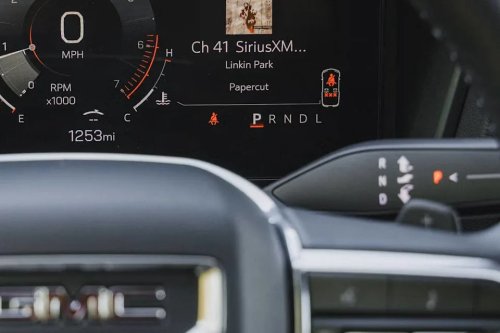
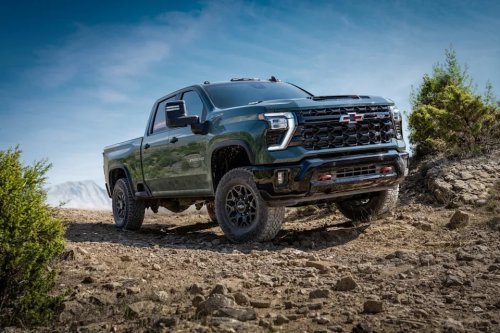
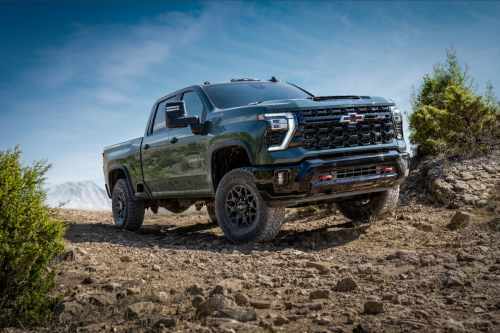
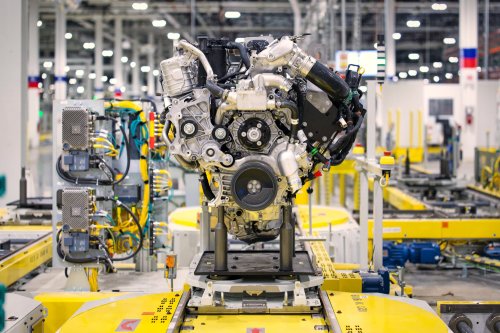
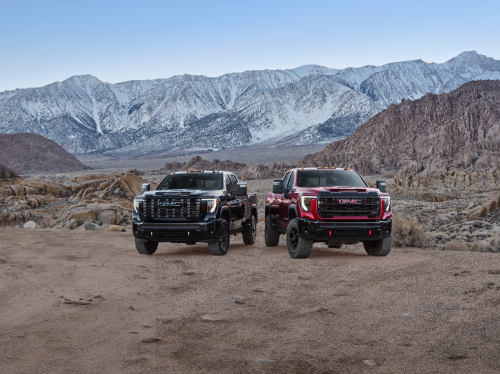
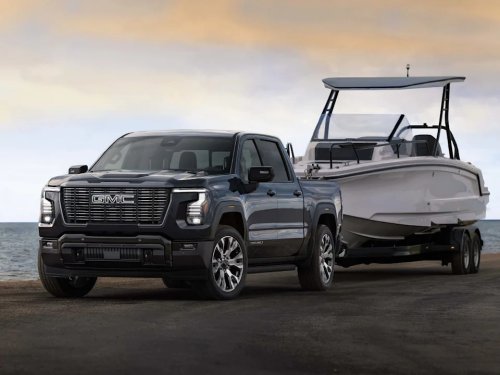
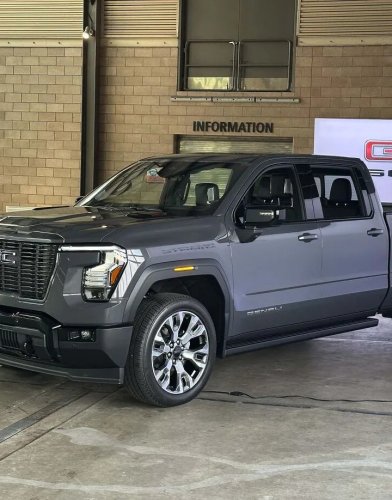
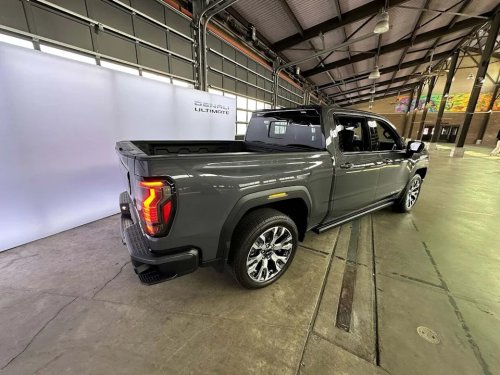
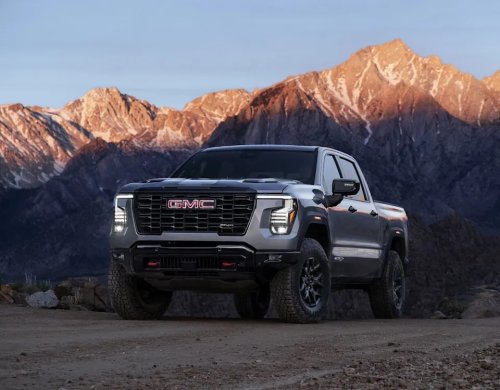
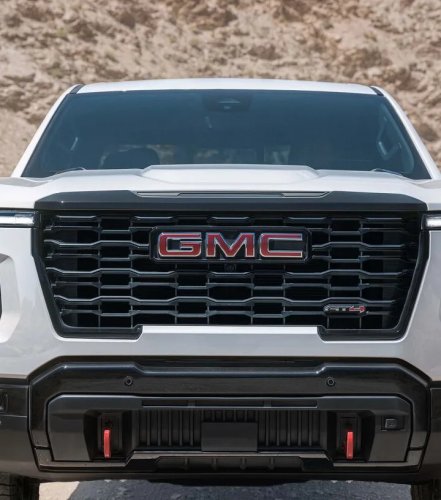
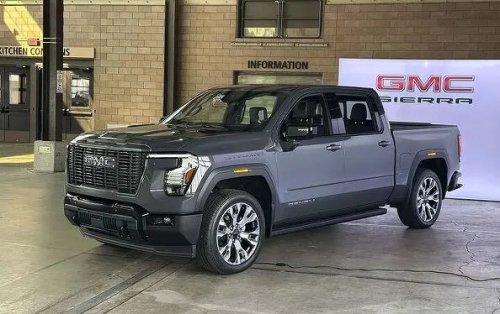
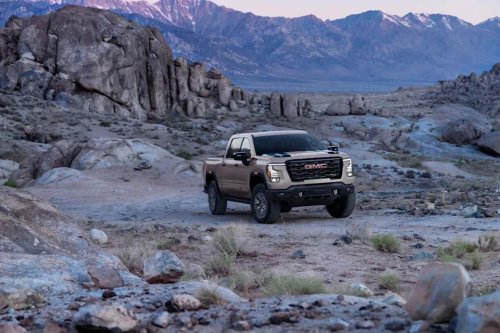
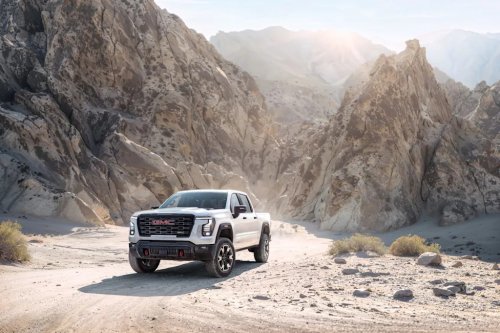
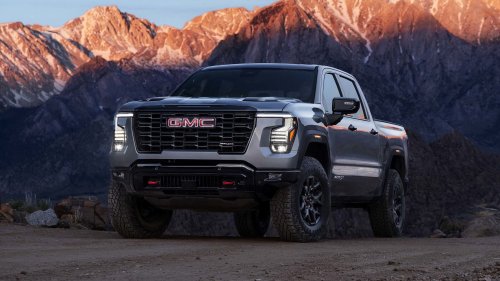
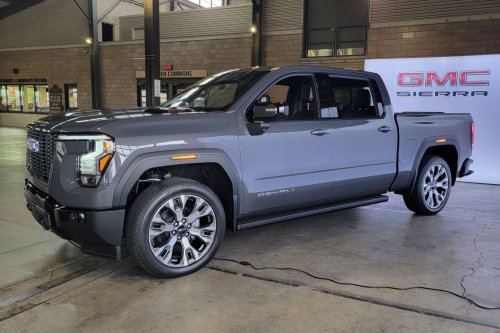
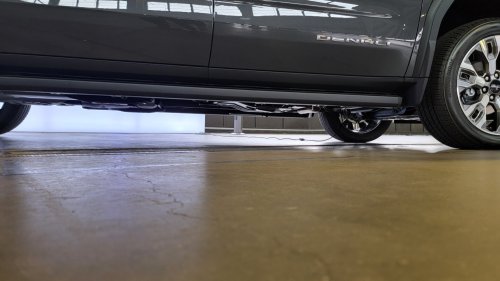
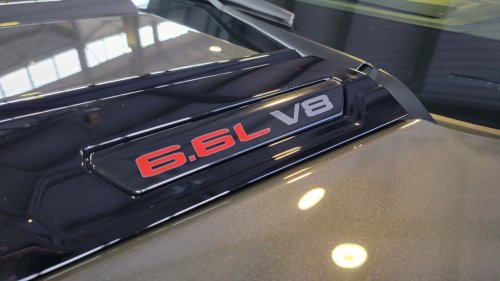
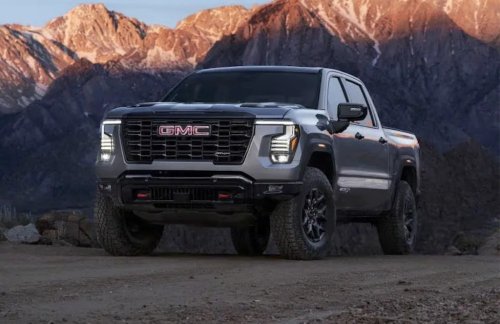
You know you’re in upstate New York when a driver is wearing shorts in February, saying, "It's not cold. It's minus eight," and complaining that their truck is succumbing to the weather. A viral post set in the frozen Syracuse tundra shows what happens when a diesel engine's fuel system waves the white flag. Would-be Eskimo and TikTokker Nathan Bozogian (@tngarage) isn’t happy with his GMC Denali, as shown in a recent clip in which the truck repeatedly stalls on a snowy two-lane road. After Bozogian puts the truck in gear, it quickly quits running, prompting him to lament his recent purchase of the GMC model. "I have my foot to the floor, and it’s going to shut off," he said in the clip that’s been viewed more than 150,000 times. "My Ford never gelled!" It’s apparent from the last line that Bozogian knows what the issue is. Diesel fuel can begin to chill in extreme cold, thickening as paraffin wax crystals form and restricting flow through the fuel lines and filters. When that happens, an engine might still start at idle, but the moment it's under load, such as when shifting into gear or pressing the throttle, it can starve for fuel and stall. He repeatedly refers to the vehicle as a Chevy in the clip; however, as multiple commenters point out, it appears to be a GMC Denali. Bozogian is likely calling it a Chevrolet because both GMC and Chevy are subsidiaries of General Motors (GM). Despite Bogozian’s claim that this is a problem specific to the model he's driving, which he incorrectly calls a Chevy, it's clear this isn't a brand-specific issue and isn't new. All diesel engines are vulnerable to fuel gelling if temperatures drop far enough and the fuel isn't properly treated or blended for winter conditions. This is why diesel owners in cold climates often rely on winterized fuel, use antigel additives and block heaters, or some combination of the three when temperatures plunge in the single digits or lower. The comments on the video quickly zeroed in on that point and pinned the blame solely on the driver. One viewer wrote, "So your diesel gelled in -8 degree weather and it’s the truck’s fault? Gotcha." Why Do Diesels Stall In The Cold? Based on what's visible in the clip, there's nothing to suggest we’re looking at a brand-specific failure. The truck appears to be a GMC Denali equipped with a Duramax diesel, and the behavior it's showing of starting, idling, then dying under load is consistent with fuel starvation, rather than an electronic shutdown or software fault. Despite Bogozian’s laughable insistence that "it's not cold," -8° F is definitely cold enough to cause trouble for untreated diesel fuel. In plain terms, the frigid temperatures have caused enough paraffin crystals to form to clog the vehicle's filters and lines, choking off the fuel flow needed. While the engine may run briefly at idle, there's no hope for it going anywhere once you put it into gear. That's a reality for any diesel engine that uses the same fuel chemistry and, as a result, is subject to the same physics. Some modern trucks have better heaters and strategies to reduce the impacts of cold weather, but none are immune if the fuel itself isn't properly winterized or treated. So rather than exposing a design flaw, the video shows how punishing a combination of environment, fuel choice, and improper preparation can be. Skipping any of the avoidance steps, such as using fuel treatment or using a block heater, invites these problems when frigid weather sets in. Tighter Fuel Tolerance The video makes one wonder whether newer diesel models perform better or worse in extreme cold than older models. There's no definitive answer, as modern trucks benefit from more sophisticated fuel heating systems, improved glow plug strategies, and tighter engine management, which can improve cold-start performance and emissions performance. But those tighter tolerances and complexities reduce the margin of error when conditions or fuel quality aren't ideal. Older diesels may be cruder and dirtier, but they have been shown to be far more tolerant of fuel issues because their systems are less precise. For drivers in cold conditions, different blends of untreated diesel fuel can start experiencing issues well before the temperature dips to zero, with serious flow problems appearing as the thermometer drops into the single digits or lower. That dynamic is one reason why fuel sold in cold regions is typically seasonally adjusted to withstand colder temperatures, and problems often appear during unexpected cold snaps or when a truck is filled with fuel that wasn't blended for winter use. The key takeaway is that preparation and attention to fuel sourcing specifics are essential, especially if you live in or travel through cold climates. Be sure to research and select a reputable winter fuel additive, keep the tank reasonably full to reduce condensation, and plug in a block heater when temperatures are headed sharply downward. Motor1 reached out to Bogozian via email and direct message. We’ll update this if he responds. We want your opinion! What would you like to see on Motor1.com? Take our 3 minute survey. - The Motor1.com Team