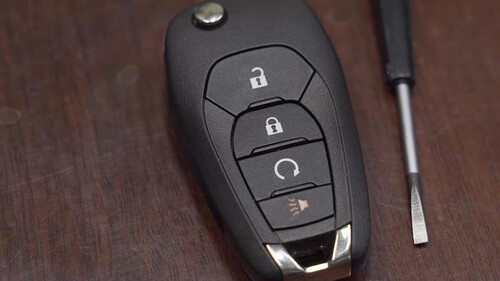
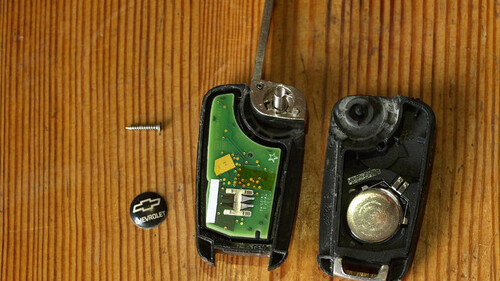
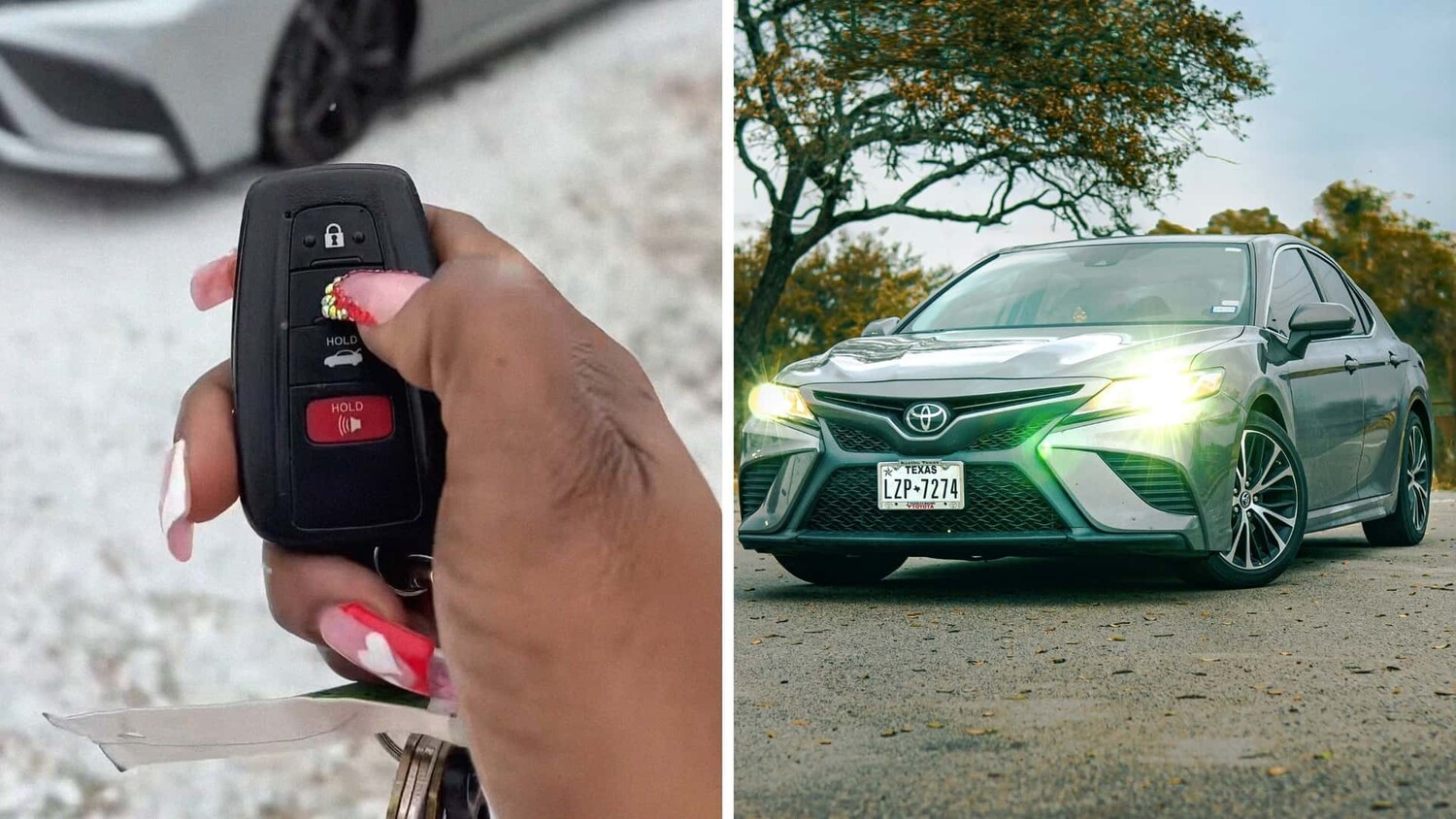
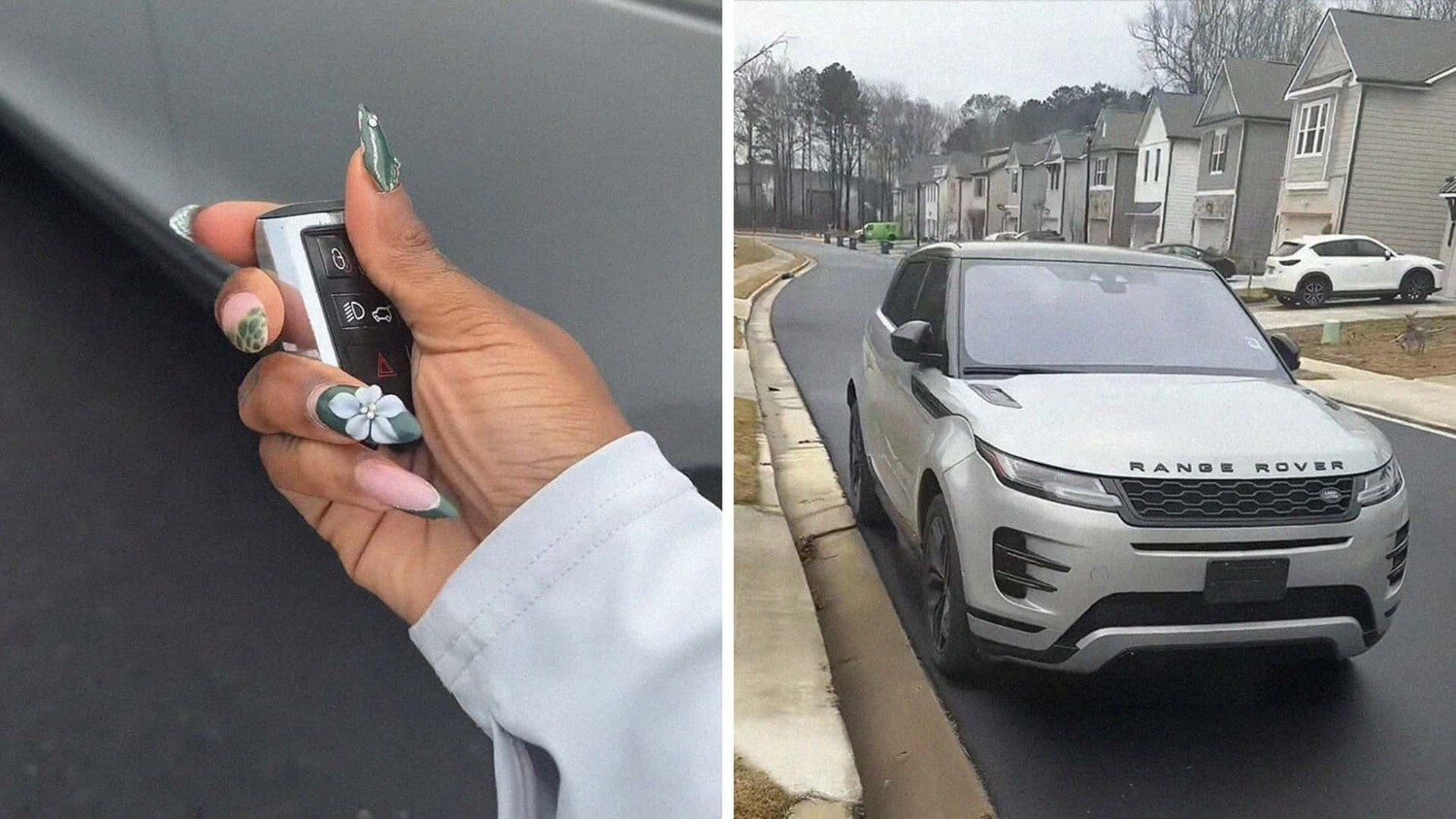
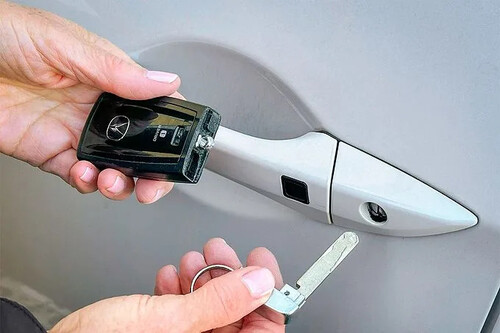
I took my car in for a dead key fob, but the dealership said the entire system needed replacementIt started as one of those annoyances that feels almost cute—until it doesn’t. The key fob that normally unlocks the doors with a satisfying blink suddenly did nothing. No beep, no lights, no drama… just silence, like it had decided to retire without notice. So the car went to the dealership with a simple mission: swap the fob battery, re-pair it, and send everyone on their way. Instead, the service desk came back with a sentence that made the problem feel a lot bigger: the entire keyless entry system supposedly needed replacement. Not the fob. Not a module. The whole system. From “dead battery” to “major repair” in one phone call The initial symptoms were basic: the buttons didn’t work, and the car wouldn’t respond to remote commands. Sometimes the fob would work if it was held right up to the door, sometimes not at all. That kind of on-again, off-again behavior practically screams “battery” to most drivers. The dealership’s diagnosis sounded more ominous. The explanation went something like: the car wasn’t reliably communicating with the fob, the security system was involved, and the recommended fix was a full replacement of the keyless access/control system. If you’ve ever gone in for a squeaky hinge and been told you need a whole new door, you get the vibe. Why dealerships jump to “replace the whole system” It’s not always a scam, even if it feels like one. Modern keyless systems aren’t just a remote; they’re tied into immobilizers, body control modules, antennas, receivers, and software that’s meant to stop theft. When something’s flaky, the car may log fault codes that point to communication failures, and those can be tricky to pin down fast. Dealerships also tend to work from manufacturer flowcharts and service bulletins. If the official troubleshooting path ends with “replace module X,” they’re less likely to spend hours improvising. Time is money, and “replace the assembly” is predictable, billable, and usually effective—even when it’s not the cheapest route. What “the entire system” actually means (and why that wording matters) When someone says “entire system,” it can mean wildly different things. It might be the keyless entry receiver plus antennas. It might be a body control module that controls locks, alarms, and interior electronics. Or it could be the smart key ECU, immobilizer components, and reprogramming that ties everything together. The wording matters because it’s easy for a big recommendation to sound bigger than it is. A single module replacement can still be expensive, but it’s not the same as replacing every part involved in keyless entry. Before agreeing to anything, it’s fair to ask: which exact parts are being replaced, and why those parts, specifically? The most common “simple” causes that can look like a bigger failure A dead or weak fob battery is the obvious one, but it’s not the only low-effort fix. Some fobs have battery contacts that get bent or corroded, so a brand-new battery still doesn’t connect reliably. And if the fob has been dropped a few times (who hasn’t?), the circuit board can crack just enough to act haunted. Cars can also have weak 12-volt batteries that cause weird electronic behavior. If the car battery is low, modules may glitch, throw communication errors, or fail to recognize the fob consistently. It’s the automotive version of trying to use your phone at 2% and wondering why everything’s lagging. Programming and re-sync issues: the sneaky middle ground Another possibility is that the fob simply isn’t paired correctly anymore. Some vehicles can lose programming after certain electrical events, module resets, or replacement of related components. In other cases, the car still recognizes the transponder for starting, but remote lock/unlock stops working because that’s handled by a different function or frequency. That’s where a dealership’s tools can help—when they’re used for diagnosis, not just replacement. Reprogramming a key, reinitializing the system, or updating software may solve it without swapping hardware. It’s not always cheap, but it’s usually cheaper than a “system replacement” quote. What to ask for before approving a big replacement When the estimate balloons, the best move is to slow things down and ask a few calm, specific questions. Request the diagnostic trouble codes (the actual code numbers) and the technician’s notes. Ask what tests were performed—battery test, signal test, antenna/receiver checks, reprogram attempt—and what failed. It also helps to ask whether they can confirm the fob is transmitting. Many shops can test the fob’s radio signal quickly, and if the fob isn’t transmitting at all, that points back to the fob, not the car. If they can’t show that step happened, it’s reasonable to request it. Second opinions aren’t “being difficult”—they’re being practical Key and security work doesn’t have to be dealer-only anymore. A good automotive locksmith can often diagnose fob issues, test frequency output, and program replacements, sometimes at a lower cost. Independent shops with strong electrical diagnostic skills can also spot simple causes like wiring issues, water intrusion near antennas, or low-voltage problems. It’s not about catching anyone in a lie. It’s about confirming whether you’re looking at a precise fix or a broad, expensive one. If two professionals land on the same diagnosis independently, it’s a lot easier to sign off without that nagging “wait, really?” feeling. How costs creep up (and what to watch for on the estimate) These jobs often come with stacked costs: parts, programming, security authorization, and labor that isn’t always obvious. Some modules require dealer-level software access, security PIN retrieval, or online authorization steps. Even if the hardware isn’t outrageous, the programming time can be. Look for line items that are vague or doubled up. “System replacement” without part numbers is a red flag for confusion, not necessarily fraud. Ask for part numbers, labor hours, and whether the quote includes key/fob programming and re-cutting (if needed), because surprises usually show up right there. What’s actually reasonable to expect from the dealership It’s reasonable to expect clear documentation: which components failed tests, what codes were stored, and why replacement is necessary. It’s also reasonable to ask if there’s a stepped approach—try reprogramming first, then replace a receiver, then escalate if needed—rather than skipping straight to the nuclear option. And yes, it’s reasonable to ask about warranty coverage, goodwill assistance, or known issues. If the vehicle has a history of keyless problems, there may be service bulletins or extended coverage in some cases. Sometimes the most expensive quote gets less painful once the right questions are asked. The weird part: it might still end up being “the system” Here’s the twist: sometimes the big diagnosis is correct. Antennas can fail, receivers can go bad, modules can get corrupted, and water can find its way into places it absolutely shouldn’t. If the car can’t reliably see any known-good fob, and programming fails, the vehicle-side hardware becomes the prime suspect. But even then, “replace everything” shouldn’t be the first and only answer. A good diagnosis narrows down what’s failing and why. If the dealership can show that process—and the evidence points to a module or receiver—then the expensive fix starts to sound less like a guess and more like a plan. In the meantime, if your fob is acting dead, keep it simple: try a fresh battery from a reliable source, check the car’s 12-volt battery health, and ask for proof-based diagnostics before agreeing to a full-system replacement. It’s amazing how often “everything is broken” turns out to mean “one small thing is tired.” More from Fast Lane Only Unboxing the WWII Jeep in a Crate 15 rare Chevys collectors are quietly buying 10 underrated V8s still worth hunting down Police notice this before you even roll window down The post I took my car in for a dead key fob, but the dealership said the entire system needed replacement appeared first on FAST LANE ONLY.